
Summary
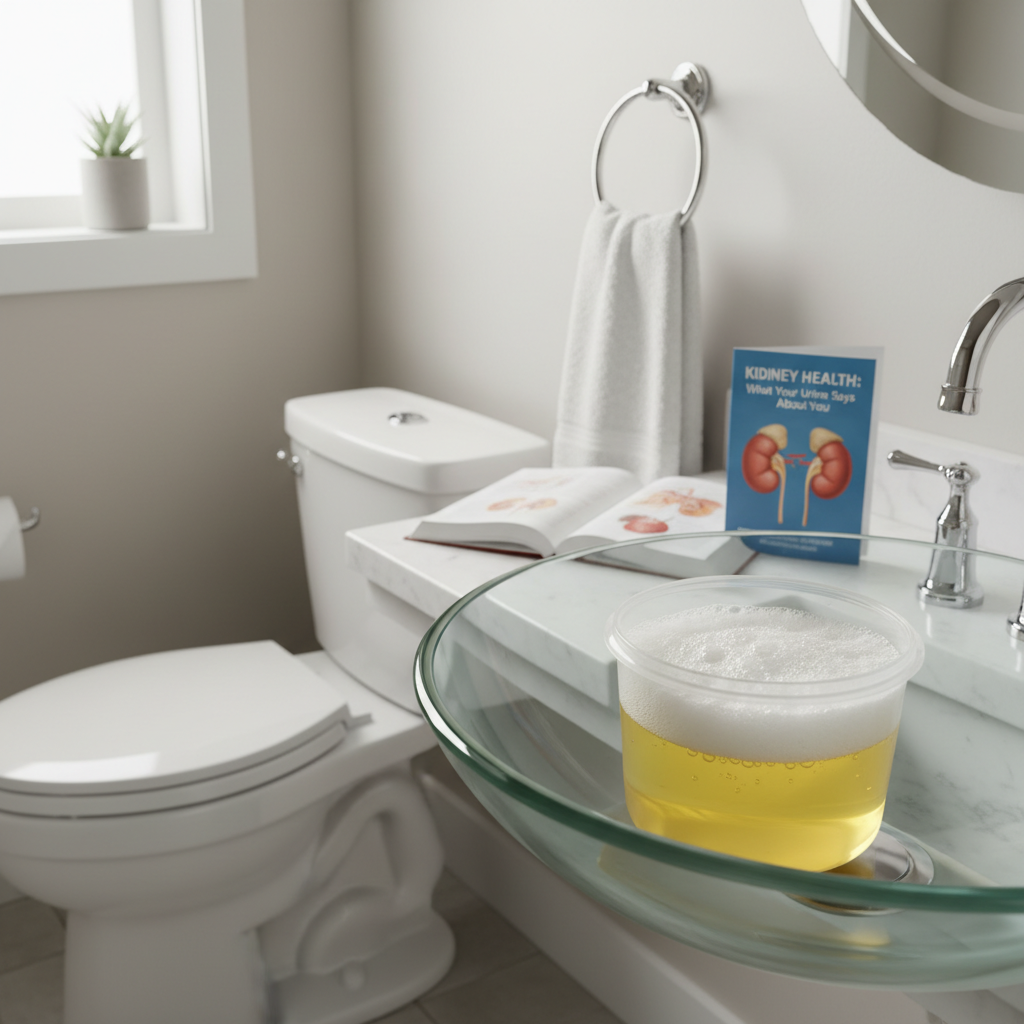
Foamy urine is the presence of persistent bubbles or foam in urine that remains visible after voiding, often caused by a reduction in urine surface tension due to proteins such as albumin. While occasional foamy urine can be benign—resulting from rapid urination, dehydration, or the presence of soaps and cleaning agents—persistent or pronounced foamy urine is clinically significant as it may indicate proteinuria, the abnormal excretion of protein in urine. Proteinuria is a key marker of kidney dysfunction and can signal underlying renal diseases such as chronic kidney disease, nephrotic syndrome, lupus nephritis, or diabetic nephropathy.
Foamy urine’s clinical importance lies in its potential to serve as an early indicator of kidney damage, necessitating further diagnostic evaluation including urinalysis, protein quantification, and kidney function tests. Transient proteinuria can also occur due to physiological stressors like fever, infection, or vigorous exercise, and typically resolves without intervention. Besides proteinuria, other causes of foamy urine include urinary tract infections, retrograde ejaculation, systemic diseases such as amyloidosis, and environmental factors like chemical contaminants in toilet water.
The diagnostic workup focuses on distinguishing benign causes from serious pathology through urine testing and, when necessary, imaging or kidney biopsy. Persistent foamy urine accompanied by symptoms such as edema (swelling around the eyes or legs) raises concern for significant kidney disease requiring prompt medical attention. Early detection and treatment of the underlying causes are essential to prevent progression to kidney failure and related complications.
Controversies surrounding foamy urine mainly involve diagnostic challenges, as some causes produce false-positive results on routine urine dipstick tests and require more specific assays for accurate protein identification. Furthermore, the wide range of potential causes—from harmless to life-threatening—highlights the need for careful clinical assessment to avoid unnecessary anxiety while ensuring timely intervention when appropriate.
Pathophysiology
Foamy urine is characterized by the presence and persistence of multiple layers of small to medium bubbles in the urine, which remain visible after voiding. The formation of foam is primarily due to the reduction of surface tension in urine, a property influenced by the presence of proteins such as albumin. Albumin acts similarly to soap by lowering surface tension, facilitating bubble formation and causing the characteristic foamy appearance.
The most clinically significant cause of foamy urine is proteinuria, the abnormal excretion of protein in the urine. Normally, the kidneys filter blood while retaining proteins; however, in proteinuria, damaged kidneys allow proteins to pass into the urine, leading to foam formation. Proteinuria can result from a variety of renal diseases, including lupus and diabetic nephropathy, and may serve as an early indicator of renal pathology. In addition to pathological causes, transient proteinuria may occur due to physiological stressors such as fever, infection, dehydration, or vigorous exercise, which can temporarily increase urinary protein levels and cause foamy urine that resolves with recovery.
Besides proteinuria, other factors can contribute to the appearance of foamy urine. The mechanical force of a rapid urine stream can trap air bubbles, producing foam that is generally harmless and transient. Environmental factors such as the presence of soap or cleaning agents in toilet water may also lead to foamy urine by introducing surfactants that reduce surface tension. Certain medical conditions, including urinary tract infections, retrograde ejaculation, and systemic diseases like amyloidosis, can also manifest with foamy urine through various mechanisms involving proteinuria or altered urine composition.
Causes
Foamy urine can arise from a variety of causes, ranging from benign factors to serious medical conditions. Understanding these causes is crucial for determining when to seek medical attention.
Kidney-Related Causes
Proteinuria, or the presence of excess protein in the urine, is a primary reason for foamy urine and indicates that the kidneys may not be functioning properly. When the kidneys leak protein, particularly albumin, into the urine, it lowers the surface tension of the urine, causing it to foam. Several kidney diseases are associated with proteinuria, including chronic kidney disease (CKD), nephrotic syndrome, and autoimmune disorders such as lupus. In nephrotic syndrome, for example, an excessive amount of protein is released in the urine, often resulting in noticeable foam.
High blood pressure and diabetes are significant risk factors for kidney damage and consequent proteinuria. Uncontrolled hypertension can damage kidney blood vessels, impairing filtration, while diabetes can lead to diabetic kidney disease, where elevated blood sugar causes increased kidney stress and protein leakage. Amyloidosis, a rare condition characterized by protein buildup, may also cause foamy urine alongside kidney complications.
Transient and Non-Pathological Causes
Foamy urine can also occur temporarily due to non-serious factors such as dehydration, heavy exercise, or a recent fever. These conditions cause short-term stress on the kidneys, resulting in transient proteinuria that typically resolves with recovery or hydration. Certain medications, including phenazopyridine used for urinary tract infection (UTI) pain relief, as well as nonsteroidal anti-inflammatory drugs (NSAIDs) and some antibiotics, can cause temporary foamy urine.
Infections and Inflammation
Urinary tract infections (UTIs) may lead to foamy urine due to inflammation and the presence of proteins or bacteria in the urinary tract. Up to 80% of individuals with UTIs may experience proteinuria, which can manifest as foamy urine. Though less common, vesicoureteral reflux (VUR), a condition involving the backward flow of urine from the bladder to the kidneys, can contribute to urinary symptoms that might include foamy urine.
Other Medical and Environmental Factors
Certain systemic diseases affecting multiple organs can indirectly cause foamy urine. Autoimmune conditions like rheumatoid arthritis and lupus cause inflammation that damages kidney function. Additionally, some rare conditions such as monoclonal gammopathies require specific urine testing to detect protein abnormalities that could cause foamy urine despite normal routine tests.
Environmental factors may also contribute. For instance, chemicals from toilet cleaners can create foam in the toilet bowl, which may be mistaken for foamy urine. In such cases, flushing the toilet usually eliminates the foam.
When to Seek Medical Attention
Foamy urine accompanied by other symptoms such as swelling of the legs or puffiness around the eyes (edema) can indicate serious kidney disease and warrants prompt medical evaluation. Since proteinuria can be an early marker of renal dysfunction, persistent foamy urine should lead to further diagnostic testing, including urinalysis and albumin-to-creatinine ratio assessments. Early detection and treatment of underlying causes can prevent progression to kidney failure and related complications.
Clinical Significance
Foamy urine is distinct from a single layer of large bubbles that dissipate quickly and are considered normal. While often harmless and caused by benign factors such as rapid urination, dehydration, or urine hitting the toilet water forcefully, it can also signal more serious underlying health issues.
The most concerning clinical implication of foamy urine is proteinuria, an important marker in the diagnosis of kidney disease with significant prognostic value. It suggests that the kidneys’ filtering units may be damaged, allowing protein molecules, particularly albumin, to leak into the urine. Detection and quantification of proteinuria involve various testing methods, including semiquantitative tests, which are easy to perform but have limitations such as false positives, and more accurate quantitative immunoassays that can specifically identify different types of proteins.
Importantly, foamy urine accompanied by other symptoms such as swelling or puffiness around the eyes and swollen legs (edema) may indicate serious kidney disease requiring immediate medical evaluation. Physicians assess these signs along with urine tests and may refer patients to nephrologists for further diagnosis and management.
Diagnostic Evaluation
The diagnostic evaluation of foamy urine begins with a thorough clinical assessment, including the patient’s medical history and physical examination. When foamy urine is noted—especially if accompanied by symptoms such as swelling in the legs or around the eyes—it may indicate an underlying kidney disorder requiring further investigation by a specialist, such as a nephrologist.
A primary step in diagnosis involves testing the urine for the presence and amount of protein, as proteinuria is a key indicator of kidney disease and carries significant prognostic value. Initial urine testing typically includes a urinalysis, which encompasses a visual inspection, dipstick test, and microscopic examination to detect protein, blood cells, or bacteria. A dipstick test is commonly used for rapid screening, but it has limitations including false positives and inability to specify protein type, necessitating confirmatory quantitative tests if proteinuria is suspected.
For more accurate quantification, several methods are employed. The urine albumin-to-creatinine ratio (UACR) is widely used to assess kidney filtration function, with values above 30 mg/g suggesting possible kidney disease. Additionally, the urinary protein-to-creatinine ratio (PCR) may be measured, especially in cases where dipstick results are negative but clinical suspicion remains high, such as in monoclonal gammopathies where non-albumin proteins might be present. The gold standard for protein quantification is the 24-hour urine collection, providing a comprehensive assessment of total urinary protein excretion.
Further laboratory tests may include measurement of blood urea nitrogen (BUN), serum creatinine, and estimation of glomerular filtration rate (eGFR) to evaluate kidney function and damage severity. Imaging studies such as kidney ultrasound or computed tomography (CT) scans can help identify structural abnormalities, obstructions, or stones that may contribute to foamy urine. In some cases, a kidney biopsy might be necessary to determine the precise cause and extent of kidney injury.
Other diagnostic considerations include ruling out urinary tract infections (UTIs), which can cause foamy urine due to bacterial presence, as well as screening for systemic conditions like hypertension and diabetes that impact kidney health. Additionally, biochemical analysis may detect the presence of non-protein substances such as bile salts or fatty acid esters, which can produce foam in the urine even without proteinuria, often associated with liver or gastrointestinal conditions.
Differential Diagnosis
Foamy urine can result from various underlying conditions, ranging from benign to serious pathologies. The most concerning cause is proteinuria, which indicates excess protein in the urine and may reflect kidney dysfunction. Proteinuria often requires further evaluation through quantitative tests, such as immunoassays, which provide high accuracy and specific detection of protein molecules like albumin.
Proteinuria can be caused by several factors, including autoimmune disorders like lupus and rheumatoid arthritis, which cause inflammation affecting the kidneys. Certain medications, such as nonsteroidal anti-inflammatory drugs (NSAIDs) and some antibiotics, may induce temporary proteinuria. If left untreated, persistent proteinuria can lead to chronic kidney disease or kidney failure due to progressive kidney damage.
Other causes of foamy urine include conditions unrelated to proteinuria. For instance, enteric bacterial overgrowth can lead to elevated urinary bile salts such as glycocholic acid and glycoursodeoxycholic acid, potentially causing foam formation without protein presence. Similarly, metabolic disorders like carnitine palmitoyltransferase 2 deficiency and celiac disease may result in excretion of compounds like L-palmitoylcarnitine, contributing to urine foam.
Urinary tract infections (UTIs) and their treatments can also cause foamy urine. Medications used for UTIs, including phenazopyridines, have been associated with changes in urine appearance. Retrograde ejaculation, where semen flows backward into the bladder during ejaculation, is another non-pathological cause of foamy urine.
Structural abnormalities of the urinary tract, such as bladder diverticula and vesicoureteral reflux (VUR), may indirectly contribute to urinary symptoms, including foamy urine. Bladder diverticula, often asymptomatic, represent outpouchings of the bladder wall that may manifest with lower urinary tract infections, pelvic pain, or hematuria depending on complications. They commonly occur in adult males and are usually discovered incidentally during imaging studies. VUR, characterized by retrograde urine flow from the bladder to the upper urinary tract, is especially significant in children due to its association with recurrent UTIs, renal scarring, and kidney damage. It is prevalent in approximately 1% of neonates and more common in those with prenatal hydronephrosis.
Management and Treatment
The management and treatment of foamy urine depend primarily on the underlying cause identified through diagnostic evaluation, which often begins with a urinalysis to examine the urine composition.
For cases where foamy urine results from dehydration, increasing fluid intake by drinking plenty of water is generally sufficient to resolve the symptom. When foamy urine is linked to diabetes, treatment involves controlling blood sugar levels through a combination of monitoring, oral medications, insulin therapy, appropriate dietary adjustments, and regular physical activity.
In situations where foamy urine indicates kidney-related conditions such as chronic kidney disease (CKD), lupus, or other autoimmune disorders, management focuses on minimizing further kidney damage. This includes controlling blood pressure, adopting kidney-friendly diets, and maintaining a healthy weight. In advanced stages of kidney disease, treatments may escalate to dialysis or kidney transplantation.
Medication may also be prescribed to reduce proteinuria directly or to suppress immune system activity in cases of autoimmune-induced kidney damage. Specific conditions such as retrograde ejaculation, which can cause foamy urine, might be treated with medications including imipramine and certain antihistamines like pseudoephedrine and chlorpheniramine. For amyloidosis-related foamy urine, treatment options include targeted therapy, stem cell transplantation, or organ transplantation depending on the cause.
Lifestyle modifications play a crucial role in both prevention and management, particularly in cases associated with diabetes, hypertension, or lupus. Maintaining a healthy and active lifestyle supports kidney function and reduces the risk of complications from elevated creatinine or proteinuria.
Patients exhibiting foamy urine alongside symptoms such as swelling around the eyes and legs (edema) should seek immediate medical attention, as these may signify serious kidney disease requiring specialized care by nephrologists. Regular monitoring by healthcare professionals is essential, especially for individuals on medications that may impact kidney function or those with known kidney impairment.
Prevention
Preventing foamy urine largely depends on addressing the underlying causes, many of which relate to maintaining overall health and hydration. One of the simplest and most effective preventive measures is ensuring adequate fluid intake to avoid dehydration, which is a common non-serious cause of foamy urine. Individuals are advised to drink at least eight glasses of water daily, increasing this amount during exercise or in hot weather conditions.
For foamy urine linked to chronic health conditions such as diabetes or kidney disease, prevention focuses on managing these diseases effectively. This includes regular monitoring and control of blood sugar levels through medication, insulin therapy, and adopting a diabetes-friendly diet, alongside maintaining physical activity. Managing blood pressure and following kidney-friendly nutritional plans can also help reduce the risk of kidney damage that may manifest as foamy urine. Early treatment of conditions causing proteinuria is critical to preventing progression to chronic kidney disease or kidney failure.
Additionally, avoiding unnecessary use of medications known to cause foamy urine as a side effect, and ensuring proper hygiene practices to prevent urinary tract infections, can also reduce risk. While some cases of foamy urine may be benign and transient, a healthy and active lifestyle remains an essential strategy in minimizing the likelihood of serious underlying causes.
Prognosis and Follow-Up
Foamy urine is often benign and transient; however, its presence can sometimes indicate underlying health issues that require careful evaluation and management. The prognosis largely depends on the cause and the presence of additional symptoms. For instance, when foamy urine is accompanied by edema, such as swollen legs and puffiness around the eyes, it may suggest serious kidney disease, warranting urgent medical attention[3
The content is provided by Blake Sterling, Front Signals