
Summary
Selecting the right dentist for seniors is a critical decision that directly impacts the oral health and overall well-being of older adults. As individuals age, they often face complex medical conditions, polypharmacy, and age-related dental issues such as dry mouth (xerostomia), tooth wear, and periodontal disease, which require specialized knowledge and tailored treatment approaches in geriatric dentistry. Dentists experienced in managing these challenges can improve seniors’ quality of life by preserving oral function, preventing complications, and coordinating care with other healthcare providers.
Seniors’ dental care needs also encompass practical considerations such as physical accessibility of dental offices, effective communication adapted to cognitive or sensory impairments, and the availability of specialized services including home-based care and sedation dentistry. Financial factors and insurance coverage further influence the selection process, as many older adults seek affordable treatment plans that cover restorative procedures commonly needed in later life, such as dentures and implants. Navigating these logistical and economic concerns is essential to ensure consistent and comprehensive dental care.
This topic is notable for highlighting the importance of a multidisciplinary and patient-centered approach in addressing the unique oral health needs of an aging population, especially amid a shortage of dentists trained in geriatric care. Furthermore, the integration of dental services with general healthcare, along with evolving communication strategies and physical adaptations, reflects broader trends in improving accessibility and quality of care for seniors.
While most seniors benefit from preventive care and routine dental services, controversies persist around disparities in access to care, insurance limitations—particularly within Medicare coverage—and the challenges posed by polypharmacy and cognitive decline. Addressing these issues requires informed decision-making when selecting a dentist who can offer not only clinical expertise but also compassion, accessibility, and effective support tailored to the needs of elderly patients.
Importance of Choosing the Right Dentist for Seniors
Selecting the appropriate dentist for seniors is crucial due to the unique dental care needs that arise with aging. Older adults often face complex medical conditions and take multiple medications, which can increase the risk of drug interactions and adverse reactions during dental treatments. Therefore, dentists treating elderly patients must possess specialized knowledge and experience in geriatric dentistry to address these challenges effectively.
Furthermore, maintaining oral health in seniors is closely linked to preserving their overall functional ability and well-being. A dentist skilled in managing common age-related dental issues—such as xerostomia (dry mouth), masticatory function decline, and replacement of missing teeth—can significantly enhance an older adult’s quality of life. Proper care also involves understanding the impact of systemic health conditions on oral health, necessitating comprehensive and individualized treatment plans.
Common Dental Health Concerns for Seniors
Seniors often face unique dental health challenges due to the natural aging process and the presence of chronic medical conditions. One prevalent issue is tooth wear, which typically affects the palatal or labial surfaces of anterior teeth more than posterior teeth. This wear can result in symptoms such as sharp tooth edges, dentine hypersensitivity, shortened clinical crown height, and reduced lower face height. In severe cases, exposure of the dental pulp may occur, leading to pulpitis or pulpal necrosis. Managing tooth wear often involves dietary modifications and fluoride applications to control progression and alleviate symptoms.
Another common problem in older adults is xerostomia, or dry mouth, which is frequently caused by the use of multiple medications for non-communicable diseases. Xerostomia increases the risk of dental caries, periodontal disease, and oral infections, potentially leading to tooth loss if not properly addressed. Furthermore, aging-related dental conditions include root and coronal caries as well as periodontitis. These conditions are compounded by potential physical, sensory, and cognitive impairments that may complicate home oral care and communication during dental treatment. Additionally, seniors often show increased sensitivity to dental drugs such as local anesthetics and analgesics, requiring careful management during procedures.
Polypharmacy is common among seniors, with data indicating that nearly 39% of individuals aged 65 and older use five or more prescription drugs, and about 30% use eight or more daily. This high prevalence can contribute to inappropriate drug use, medication errors, and adverse drug reactions that may further affect oral health. Given the interrelationship between oral and systemic health, chronic diseases such as diabetes can both impact and be impacted by oral conditions, necessitating collaboration between dental professionals and physicians to optimize care for older adults.
Preventive dental care remains essential to maintain oral health in seniors. Routine practices such as brushing twice daily, flossing once daily, and using antiseptic mouthwash can help reduce the incidence of cavities and other dental problems. However, physical or cognitive impairments associated with aging may pose challenges to these preventive measures.
Key Qualities and Qualifications of a Dentist for Seniors
Dentists who provide care for older adults must possess a combination of specialized knowledge, skills, and personal qualities to address the unique challenges associated with geriatric dental care. Given the increasing need for elderly dental services, these professionals should be well-versed in medical conditions common among seniors, as well as age-related dental diseases such as periodontal disease and xerostomia.
One critical qualification is advanced training in geriatric dentistry or related specialties, often obtained through a 2- to 4-year residency program following dental school. Licensure is mandatory for all dentists, with additional certification required for those practicing in dental specialties. Applicants for higher-level dental positions must demonstrate experience in diagnosing and treating oral diseases, including those prevalent in older populations, and complete relevant graduate or residency programs.
In addition to formal education, dentists treating seniors need strong communication skills tailored to older patients, many of whom may experience cognitive impairments or dementia. Effective communication involves using simple, clear language and engaging trusted caregivers during treatment to reduce patient anxiety and improve cooperation. Patience and understanding are essential qualities, especially when dealing with patients who have physical or cognitive limitations that may impede the completion of dental exams or procedures.
Given the high prevalence of polypharmacy in elderly patients, dentists must also be knowledgeable about potential drug interactions and adverse reactions resulting from multiple medications. This awareness is vital to safely manage treatment plans and avoid complications.
Essential Dental Services and Treatments for Seniors
Good dental care is crucial for seniors to maintain healthy teeth, gums, and overall oral health. Preventive measures such as brushing twice daily, flossing once a day, and rinsing with antiseptic or fluoride-containing mouthwash can help reduce the risk of cavities and gum disease. Regular dental checkups—ideally every six months—are recommended to detect early signs of decay, periodontal disease, or other oral health issues common in older adults.
Seniors often face unique dental challenges related to aging, such as dry mouth (xerostomia), increased tooth wear, root caries, and gum disease, which require tailored treatment approaches. Dry mouth, frequently caused by medications or medical conditions like Sjögren’s syndrome and cancer treatments, can increase susceptibility to decay and infections, necessitating specialized treatments to manage saliva flow and maintain oral comfort.
Restorative dental procedures play a significant role in addressing age-related dental issues. Common treatments for seniors include fillings, crowns, bridges, root canal therapy, dentures, and dental implants. These interventions aim to repair or replace damaged or lost teeth, restore function, and improve aesthetics. However, the longevity of restorations can be affected by the condition of the underlying tooth and ongoing wear, making preventive care and regular dental visits essential to avoid complications such as fractures or implant loosening.
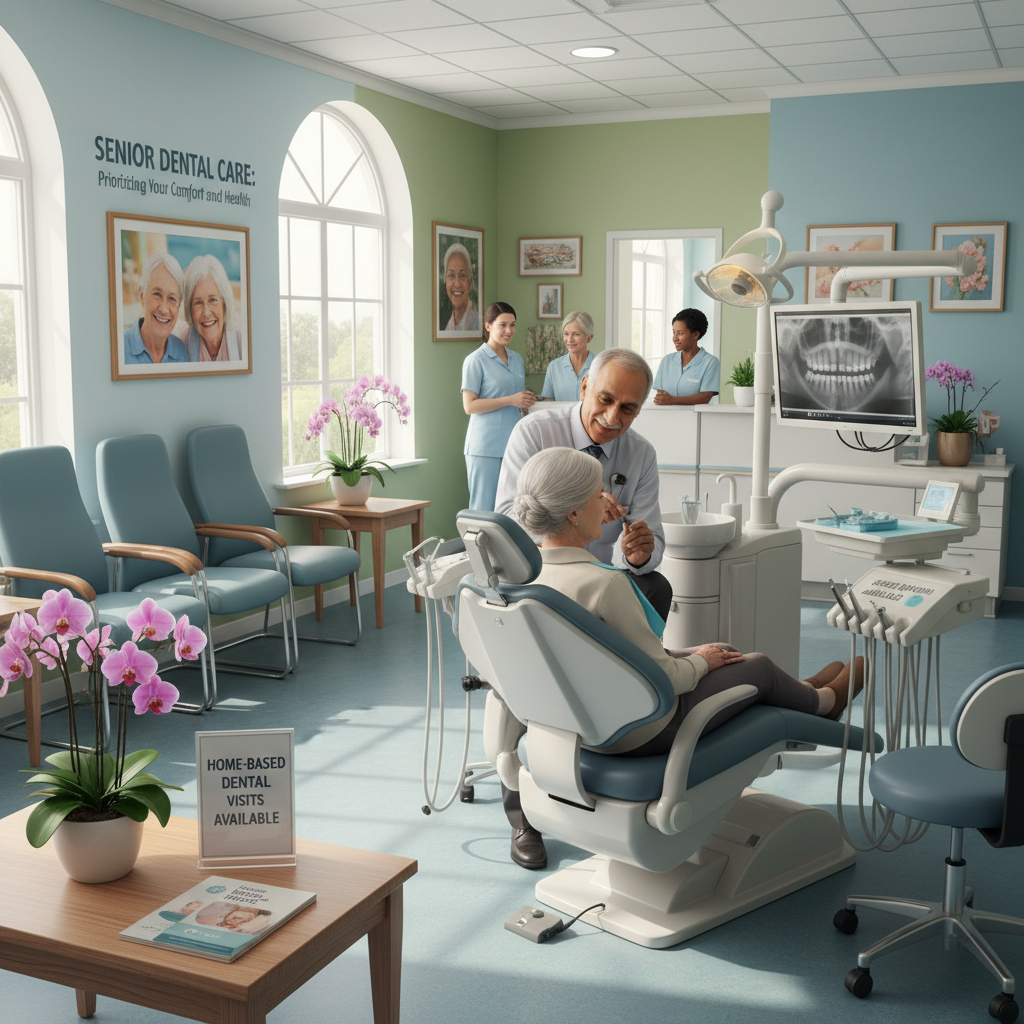
For seniors with mobility or cognitive impairments, dental services often need to be adapted to reduce stress and improve access. Mobile or home-based dental care options provide convenient clinical services in familiar environments, minimizing the need for transportation and lowering infection risks. Additionally, considerations such as height-adjustable treatment chairs and sedation dentistry may be necessary to accommodate physical disabilities or sensory and intellectual needs.
Education on the risks of periodontal disease, oral cancer, and other geriatric oral health concerns is important for seniors and caregivers to promote early detection and effective management. Combining professional care with proper at-home hygiene practices, nutritional support, and tailored treatment plans can significantly enhance oral health outcomes and overall quality of life for elderly patients.
Communication Approaches and Patient Interaction Styles
Effective communication between dentists and senior patients is fundamental to delivering quality oral healthcare. Older adults often face unique physical, psychological, and literacy challenges that can create barriers to clear communication. To address these issues, dental practitioners should employ tailored communication strategies that accommodate the specific needs of seniors.
One important approach is minimizing environmental distractions during appointments by reducing noise and limiting the number of people present in the operatory. This is especially critical when treating patients with cognitive impairments such as dementia, where having a trusted caregiver present can provide reassurance. Dentists are advised to approach patients from the front at eye level and utilize nonverbal communication cues like smiling and maintaining eye contact to establish rapport.
Using simple, clear language and presenting key information one point at a time helps accommodate varying literacy levels among elderly patients. Techniques such as the teach-back method ensure that patients understand their dental conditions, treatment plans, and the importance of care adherence. Additionally, dentists should encourage patients to ask questions, offer empathy, and allow ample time for discussion during appointments, sometimes scheduling longer visits to facilitate this process.
The use of visual aids and written instructions further supports comprehension and recall for seniors. Modern communication tools, including messaging applications, also play a growing role by providing convenient, cost-effective channels for ongoing patient-provider interaction outside of office visits.
By implementing these thoughtful communication approaches and patient interaction styles, dental professionals can overcome common barriers and enhance the quality of care delivered to the older adult population.
Physical Accessibility Features of a Senior-Friendly Dental Office
Ensuring physical accessibility is a critical component of creating a senior-friendly dental office. Many elderly patients face mobility challenges that can make routine dental visits difficult if the environment is not accommodating. Key features that enhance accessibility include wheelchair ramps or elevators at the entrance, wider doorways and hallways to comfortably accommodate mobility aids, and spacious treatment rooms designed to maneuver wheelchairs safely.
The presence of wheelchair-lift systems or hoists can significantly aid in transferring patients from wheelchairs to dental chairs, reducing discomfort and risk for both patients and caregivers. Additionally, height-adjustable treatment chairs can further facilitate easier access for patients with physical disabilities.
Beyond structural modifications, some dental offices incorporate automatic doors or push-bar exits to assist those who have difficulty opening doors manually, addressing common barriers faced by seniors and individuals with disabilities. Providing these physical accessibility features not only meets regulatory standards but also creates a welcoming and stress-free environment tailored to the unique needs of elderly patients.
By prioritizing these design elements, dental offices can effectively remove barriers to care, promoting inclusivity and ensuring that seniors receive the quality dental treatment they need in a comfortable and safe setting.
Senior-Friendly Practice Environment and Patient Care Approaches
Creating a senior-friendly dental practice environment involves designing spaces that cater to the unique needs of elderly patients, thereby enhancing comfort and reducing stress during visits. Incorporating accessible seating options and minimizing distractions such as excessive noise or the number of people in the operatory can significantly improve the experience for seniors, particularly those with cognitive impairments like dementia. For patients with dementia, it is also beneficial to have a trusted caregiver present to provide reassurance, while dentists should approach patients from the front at eye level and use nonverbal communication cues such as smiling and eye contact to foster trust and understanding.
Effective communication is another critical component of providing quality dental care to seniors. Barriers such as physical, psychological, and literacy challenges can impede understanding between dentists and older patients. Tailoring communication strategies to address these barriers ensures that seniors receive clear explanations and feel comfortable during treatment. Additionally, sharing care tips from caregivers familiar with the patient’s daily routines can improve personalized care, especially for those living with dementia.
Addressing potential drug interactions is essential when treating geriatric patients, as many seniors take multiple prescription and over-the-counter medications that increase the risk of adverse reactions or medication errors during dental care. A comprehensive understanding of a senior patient’s medical history and medications allows dental practitioners to provide safer, more effective treatment.
Furthermore, ensuring accessibility within the dental office aligns with the standards set by the Americans with Disabilities Act (ADA). This includes accommodating individuals with mobility, sensory, or cognitive impairments by removing physical barriers and providing an environment that is welcoming and easy to navigate for all patients. Some practices employ dental hygienists and assistants, often referred to as Care Workers, who operate under the supervision of an offsite dentist to extend care options for seniors, enhancing service availability and flexibility.
By integrating these design elements and patient care approaches, dental offices can better serve the aging population, fostering an environment that is both supportive and responsive to the diverse needs of senior patients.
Patient Support Services for Seniors
Dental care for seniors often requires specialized support services to address the unique challenges faced by this population. Many nonprofits and community organizations, such as Dental Lifeline Network and United Way, offer assistance by connecting seniors with dentists who provide low-cost or free dental services. Additionally, community health centers and public dental clinics frequently offer affordable care through sliding scale fees or fixed low prices, supported by federal funding to improve access for seniors.
In-home and on-site community dental services have emerged as an important option, particularly for seniors with mobility or cognitive issues. These services reduce the need for hospital visits and patient transportation, which can minimize infection risks and the stress associated with traveling. Providers specializing in care for seniors, individuals with memory impairment, or special needs focus on maintaining routine in a familiar environment, thereby easing anxiety for patients, their families, and caregivers.
Government programs can also be valuable resources. While Original Medicare generally does not cover routine dental care, Medicare Advantage Plans may include additional dental benefits that provide preventive care and treatment options otherwise unavailable to seniors. Tools such as the Eldercare Locator and resources from Oral Health America (OHA) offer valuable assistance by helping seniors and their caregivers find local, affordable dental care providers tailored to their needs.
For seniors with physical or cognitive disabilities, specialized dental care centers are designed to accommodate their requirements. Facilities like Penn Dental Medicine’s Care Center for Persons with Disabilities provide adaptive equipment such as hover chairs for easy patient transfers and sensory-friendly rooms to accommodate those with conditions like Alzheimer’s or dementia. Furthermore, offering sedation dentistry and accessible treatment chairs can help meet the needs of seniors with physical limitations or sensory sensitivities, ensuring more comfortable and effective dental care.
Logistical and Financial Considerations
When selecting a dentist for seniors, logistical and financial factors play a crucial role in ensuring both accessibility and affordability. Affordability is often a top concern, with seniors typically looking for dental plans that offer low premiums, deductibles, and copays. Monthly costs for such plans can range from $11 to $70, averaging around $40. Since older adults frequently require expensive procedures like dentures, crowns, and implants, it is important to prioritize plans that provide high annual coverage limits.
Dental insurance options vary, with Preferred Provider Organizations (PPOs) often preferred by seniors who value a larger network and partial out-of-network coverage, particularly useful for those who travel. Although PPO plans tend to have higher premiums and copays than Health Maintenance Organizations (HMOs), they offer broader access to providers nationwide and emergency dental coverage abroad. For instance, providers like Cigna boast extensive networks with over 89,000 dentists and 300,000 locations across the United States, making them a viable choice for traveling seniors.
For seniors considering dental tourism, logistical support is essential. Assistance with luggage, transfers,
Essential Questions Seniors Should Ask Prospective Dentists
When selecting a dentist, seniors should consider asking specific questions to ensure that their dental care needs are met effectively and comfortably. These inquiries help assess the dentist’s experience with geriatric patients, accessibility accommodations, treatment options, and financial considerations.
Experience and Specialization in Geriatric Dentistry
Seniors should inquire whether the dentist has specialized training or experience in geriatric dentistry, as older adults often have unique medical conditions and dental concerns. For example, knowledge about managing xerostomia (dry mouth), replacement of missing teeth, and other age-related dental diseases is critical to maintaining oral health and masticatory function in older age. Prospective patients can ask about the dentist’s certifications or whether they have completed additional residency or training focused on senior dental care.
Accessibility and Convenience of Dental Care
Physical accessibility is a crucial factor for many seniors, especially those with mobility impairments. It is important to confirm whether the dental office complies with ADA requirements and is equipped to accommodate wheelchairs or other assistive devices. Additionally, patients may want to know if the dentist offers mobile or home-based services, which can provide care in familiar, less stressful environments for seniors with memory issues or special needs.
Approach to Treatment and Preventive Care
Seniors should ask how the dentist approaches preventive care and restorative treatments. Regular check-ups, cleanings, and timely treatments such as fillings, crowns, or root canals help maintain oral health and prevent costly complications. The dentist’s approach to comfort-focused care, especially for frail or terminally ill patients, is also important to discuss.
Financial Considerations and Payment Options
Cost can be a significant concern for seniors, particularly those on fixed incomes. It is advisable to ask about fees, insurance acceptance, and whether the dentist participates in reduced-fee programs sponsored by dental societies or government assistance programs. Understanding payment options can help seniors access affordable and continuous dental care.
By addressing these questions, seniors can better ensure that their chosen dentist is well-equipped to meet their specific needs with competence, compassion, and convenience.
Coordination with Other Healthcare Providers
Effective coordination between dental professionals and other healthcare providers is essential in delivering comprehensive care to seniors, who often present with complex medical and dental needs. Multidisciplinary dental practices staffed by physician anesthesiologists, medical doctors, and dental specialists exemplify an integrated approach, offering care both in-office and at local hospitals to better manage diverse patient requirements.
Collaboration between dentists and primary care teams enhances communication and facilitates seamless integration into the broader healthcare ecosystem. This integration is particularly important for aging adults, who frequently require additional knowledge and skills to address their unique oral health challenges. However, a shortage of dental health professionals trained to meet the needs of older adults exists, with approximately 59 million people living in areas lacking adequate dental workforce availability.
Challenges in coordination also arise due to limited insurance coverage for certain dental and related services, such as disease prevention and speech pathology, which complicates access to comprehensive care for seniors. Government-supported community health centers and public dental clinics play a vital role in bridging these gaps by providing affordable care, often on a sliding scale, supported by federal funding.
Moreover, while traditional Medicare typically excludes routine dental coverage, Medicare Advantage Plans may offer additional dental benefits that cover preventive care and treatments otherwise unavailable, thus improving coordination between dental care and overall health management for seniors. This interconnected approach underscores the importance of collaborative care models in addressing the multifaceted health needs of older adults.
The content is provided by Sierra Knightley, Front Signals