
Summary
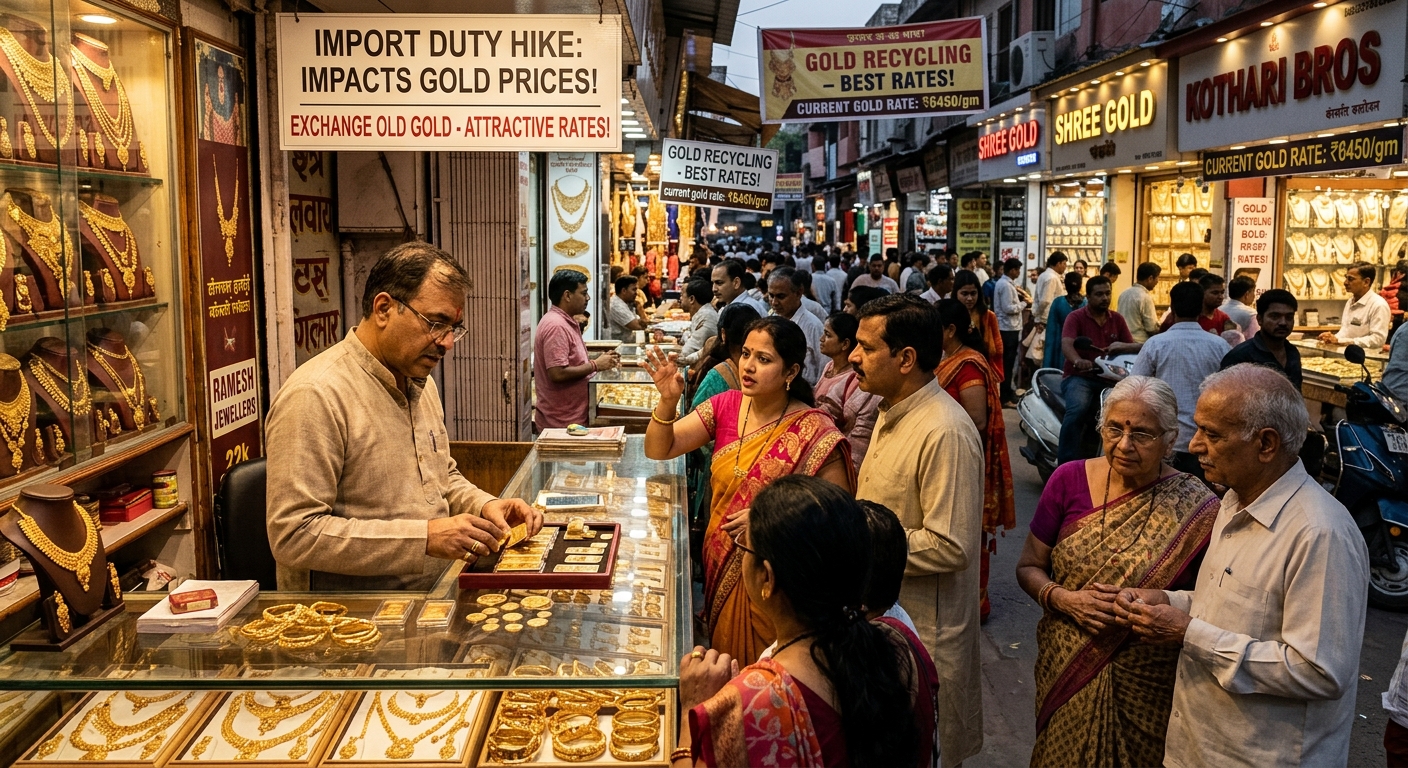
The recent increase in India’s gold import duties from 6% to 15% aims to significantly reduce gold demand by 50–60 tonnes by 2026. The government implemented this policy to address macroeconomic challenges, including a depreciating rupee and growing trade deficits, with expected fallout primarily affecting investment demand rather than jewellery purchases, which hold cultural importance. However, the duty hike raises concerns regarding potential increases in smuggling and market disruption, reflecting the tension between economic stability and cultural traditions tied to gold.
Impact of Duty Hike Decisions
The increase to 15% on gold import duties is a response to declining forex reserves, which fell sharply in early 2026 amid external pressures, including rising oil prices. Gold, settled in US dollars, impacts foreign currency demand and is viewed as a non-essential import that can be moderated through duty hikes. While this measure seeks to stabilize the economy without resorting to politically sensitive fuel price increases, historical patterns show that such duties may lead to increased smuggling, complicating enforcement and regulatory outcomes.
Details of the 2026 Gold Import Duty Hike
Effective May 2026, the Indian government raised the import duty on gold and silver significantly, marking a pivotal shift in tariff policy. This hike not only affects raw gold but also includes duties on jewellery findings, aimed at controlling costs within the jewellery sector while promoting gold recycling through lower concession rates. Although the government expects to gradually reduce reliance on gold imports, historical trends indicate that higher duties correlate with more smuggling and unofficial gold flows, complicating the trade landscape.
Gold Demand Implications
India’s gold demand, driven by cultural factors, may still face a decline due to the recent duty hike, particularly within the investment category, while jewellery demand is expected to remain relatively stable. Predictions suggest a decrease of approximately 50–60 tonnes in total demand, with investment in bars and coins being more sensitive to price increases than jewellery. Over time, while demand may moderate, cultural significance may still prop up jewellery purchases, sustaining some level of market activity despite fiscal constraints.
Economic and Employment Effects
The gold industry significantly influences the Indian economy, contributing to jobs and market dynamics. However, rising duties could slow hiring and growth within this sector, placing strain on local jewellers who depend on consumer demand. In parallel, the anticipated rise in smuggling due to higher import duties could erode government revenues and complicate market regulations, further stressing employment within the associated sectors.
Cultural and Market Dynamics
Despite fluctuations in import duties, cultural preferences for gold remain strong in India, particularly for social events. While potential smuggling may rise with higher duties, causing distortions in legitimate trade, the government’s approach aims for a balance between preserving cultural practices and stabilizing the economy. Future demand and market behavior will hinge on how effectively these dynamics are managed amid ongoing economic pressures.
Outlook
The increase in gold import duties signals a strategic pivot for India, with a forecasted decline in demand for gold expected in 2026. Although the duty hike aims to mitigate non-essential imports and bolster forex reserves, patterns of smuggling could diminish its effectiveness. Moving forward, any significant shifts in consumer behavior, driven by cultural events or economic changes, may influence how this policy is perceived and its long-term viability in shaping the gold market landscape.
The content is provided by Blake Sterling, Front Signals