
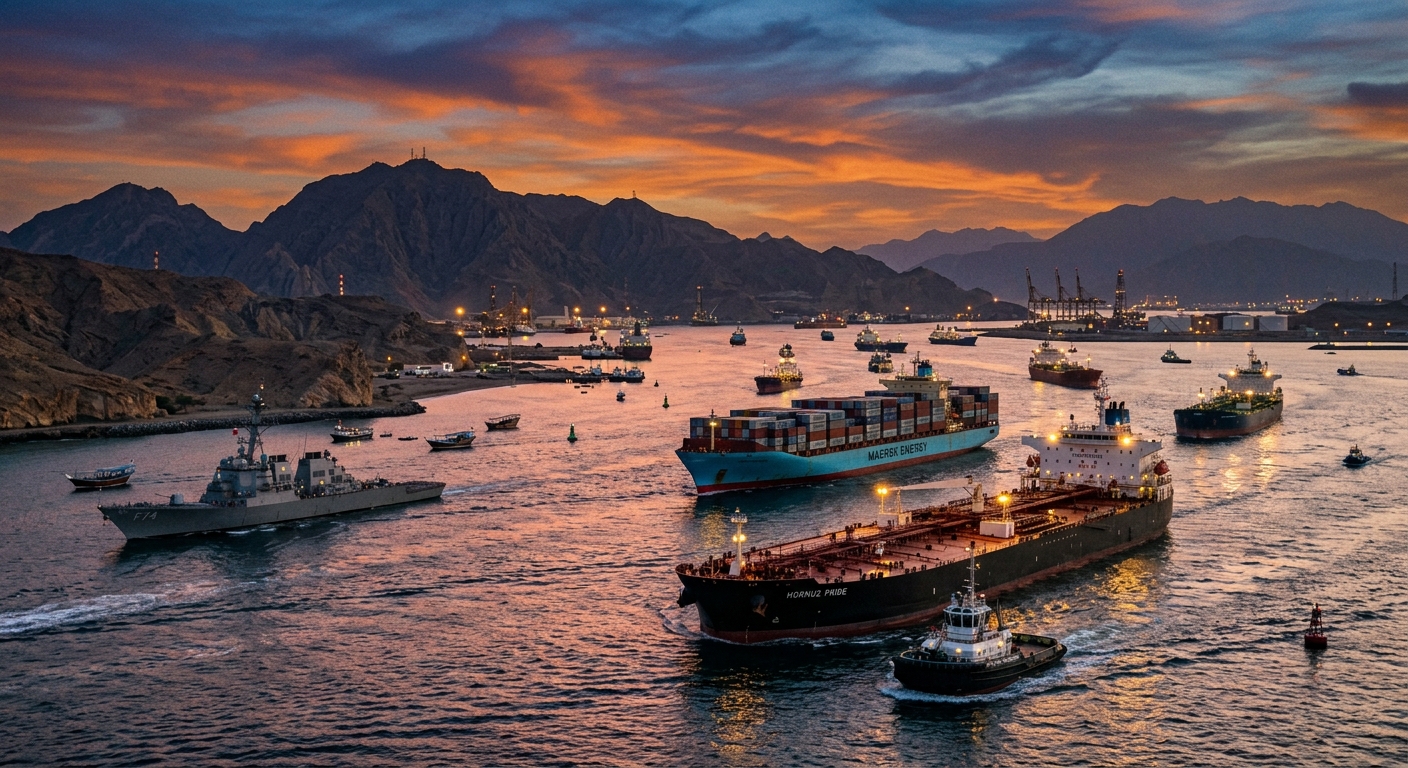
Strategic Importance of the Strait of Hormuz
The Strait of Hormuz is essential for global energy transit, with about a quarter of world oil and significant LNG volumes passing through it. This narrow waterway supports Gulf countries’ exports, particularly for major economies like China, which relies heavily on oil imports via this route. Any disruption could have a profound impact on global energy stability and supply chains, increasing the vulnerability of economies that depend on these resources.
Geopolitical Risks and Security Challenges
Rising tensions, particularly involving Iran, have increasingly threatened navigation through the Strait. Iran’s military maneuvers and declarations of the area as an extended operational zone have led to operational disruptions, including incidents involving merchant shipping. These threats have necessitated international naval responses aimed at ensuring safe passage, highlighting ongoing concerns over supply volatility and potential escalations that could affect global markets.
Responses from Gulf Producers
In light of these challenges, Gulf producers are adapting their strategies to ensure continuity in energy shipments. Notably, Saudi Arabia and the UAE have developed alternative pipeline routes to bypass the Strait, although these remain only partially effective compared to traditional shipping methods. Additionally, logistics companies are innovating with multimodal transport solutions to keep goods flowing despite maritime restrictions, although obstacles like resource shortages persist.
Impact of Disruptions on Global Energy Supply
The closure of the Strait creates significant supply challenges, particularly for countries depending on energy imports from the Gulf. Asian economies, especially China and Japan, face heightened risks of energy shortages, with potential spikes in prices as they scramble to secure alternative supplies. This disruption expands beyond oil to other critical commodities, raising concerns about food security linked to fertilizer shortages and stressing supply chains across industries.
Maritime Security Measures
In response to the ongoing threats, both international and regional actors have bolstered maritime security protocols. The UK and US have increased naval presence aimed at protecting shipping lanes, responding to Iran’s aggressive posturing in the region. These measures are crucial for maintaining freedom of navigation, as any significant closure could have far-reaching implications for global energy markets.
Technological and Operational Innovations
The geopolitical climate has driven Gulf energy producers to innovate operationally to mitigate risks. Initiatives include expanding logistics infrastructures and enhancing cargo flow channels through various transportation modalities. Investments in technology and infrastructure aimed at increasing resilience are imperative as companies attempt to adapt to the evolving security landscape.
Case Studies of Adaptive Strategies
Gulf countries have shown resilience through various adaptive strategies. Saudi Arabia’s increased capacity through the East-West pipeline and the UAE’s focus on the Habshan-Fujairah pipeline highlight efforts to reduce dependence on the Strait. Iraq’s navigation of export challenges through alternate routes underscores the complex dynamics at play for regional exporters and the need for contingency planning amid uncertainty.
International Diplomatic Efforts
Ongoing international diplomatic efforts are essential in addressing the strategic significance of the Strait. Organizations like the IMO advocate for the protection of maritime commerce through adherence to international law while military responses aim to safeguard shipping routes. These collaborative efforts underscore the urgent need for stability in the Gulf region to prevent disruption in global energy supply and sustain economic security worldwide.
Future Outlook for the Strait
The future of energy shipments through the Strait remains uncertain, influenced by continued geopolitical tensions and infrastructure investments. While ambitious proposals for alternative routes exist, current bypass capacities are inadequate to meet the demands typically served by the Strait. The concerted efforts to enhance logistical networks are crucial for creating a resilient framework that can withstand potential future disruptions and ensure continued energy flows from the Gulf region.
The content is provided by Sierra Knightley, Front Signals