
Recent Missile and Drone Attacks
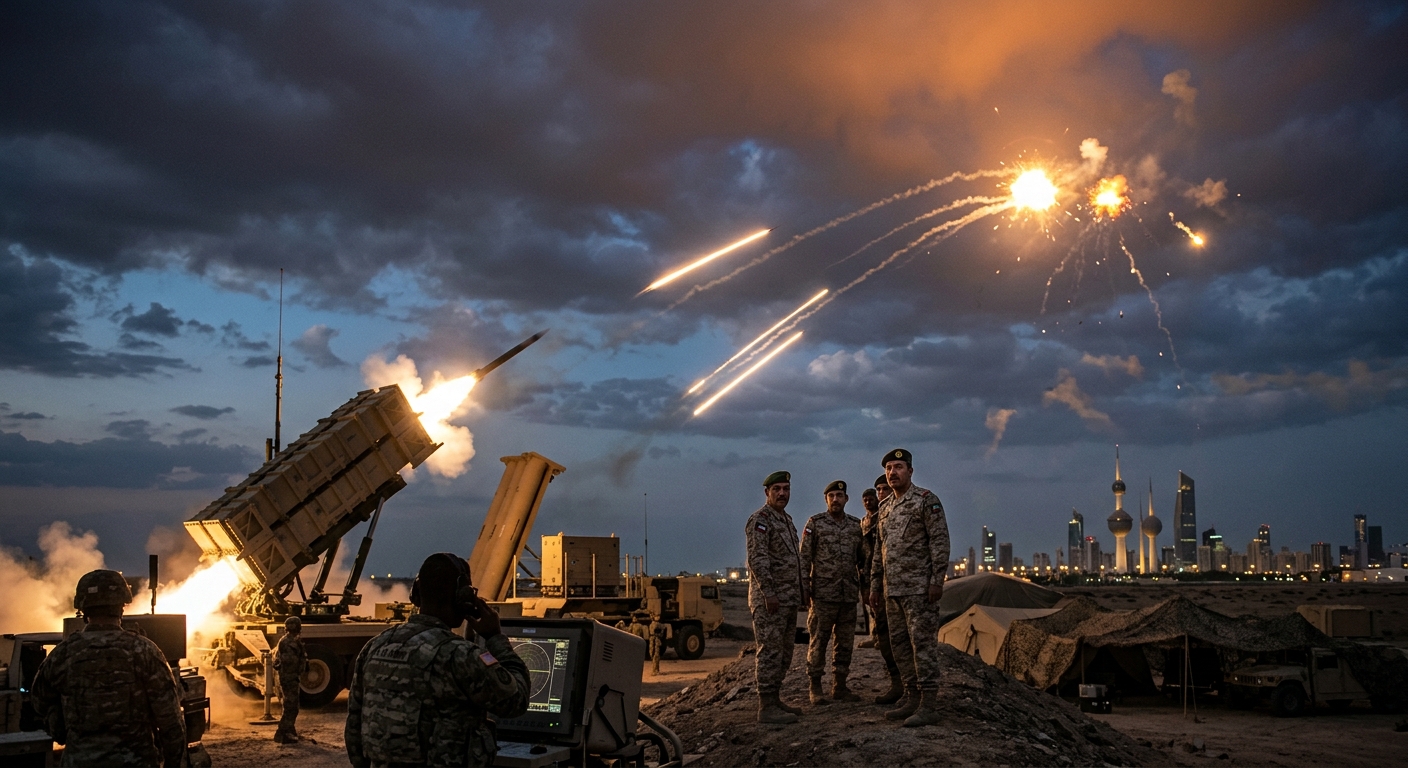
American forces in Kuwait recently faced multiple Iranian ballistic missiles and drones, highlighting escalating tensions between the U.S. and Iran. The U.S. Central Command confirmed that a state-of-the-art missile defense system, featuring Patriot PAC-2 and PAC-3 batteries and THAAD, successfully intercepted these threats. This incident underscores the importance of robust missile defense systems in ensuring the safety of U.S. personnel amid an unstable security environment marked by ongoing diplomatic challenges surrounding Iran’s nuclear ambitions.
Regional Defense Investments
The ongoing tensions have prompted regional countries, particularly Kuwait, to invest heavily in advanced U.S. missile defense systems. Kuwait’s military infrastructure, including PAC-2 and PAC-3 systems, demonstrates its commitment to countering potential threats. As part of the Gulf Cooperation Council, Kuwait collaborates with neighboring states to develop a cohesive defense strategy to enhance regional security and deter Iranian aggression.
Incident Details
Iran launched two ballistic missiles and five one-way drones targeting U.S. forces and infrastructure in Kuwait. All were successfully intercepted, preventing injuries to personnel, although some shrapnel-related minor injuries occurred. This successful defense operation utilized advanced detection and interception technologies, showcasing Kuwait’s readiness and its strategic partnership with the United States in countering missile threats in the region.
Interception Technology
The defense against Iranian missile threats relied on a sophisticated system that integrates early-warning sensors and multi-layered interceptors. Rapid detection and tracking of missile launches enabled a timely response, using both THAAD and Patriot systems to neutralize incoming threats. This strategic architecture ensures a comprehensive defense posture, effectively protecting against regional missile attacks.
U.S. Military Response
After the missile strikes, the U.S. military executed targeted “self-defense” strikes on Iranian assets related to missile launches. These strikes aimed to weaken Iran’s capability to carry out future attacks and came in response to their aggressive actions near critical shipping areas like the Strait of Hormuz. The situation highlights the volatility of U.S.-Iran relations, particularly amidst an ongoing fragile ceasefire.
Iran’s Justification
The Iranian Revolutionary Guards claimed responsibility for the strikes, framing them as retaliation to U.S. actions perceived as aggressive toward Iranian assets. Iran’s missile program serves as a strategic deterrent, reflecting its broader military and regional influence ambitions. This context underlines the persistent threat posed by Iran in the region, especially regarding its air and missile capabilities.
International and Regional Reactions
The hostile actions prompted strong condemnations from Kuwait, which characterized them as violations of sovereignty and international law. The incident has invigorated discussions on the need for enhanced missile defense cooperation within the Gulf region. Moreover, the ongoing military engagements highlight the strategic importance of missile defense systems that significantly minimize risks to military and civilian infrastructure in the area.
Strategic Implications
The interception of Iranian missiles reinforces the vital role of advanced missile defense systems in U.S. military operations abroad. The layered defense network in Kuwait exemplifies a broader regional strategy that prioritizes deterrence through significant investments in air defense technology. As Iran continues to develop capabilities that pose significant regional risks, the integration of advanced defense systems will be crucial to maintaining stability in the Gulf.
Media Coverage Highlights
Media reports emphasized the scope of the recent attacks, detailing the effectiveness of multiple defense systems in neutralizing incoming threats. Coverage also explored the context of U.S.-Iran relations, illustrating how recent military responses have intensified the existing tensions. The strategic significance of missile defense technology was highlighted, reflecting ongoing advancements in countering evolving threats from regional adversaries.
The content is provided by Jordan Fields, Front Signals