
Summary of Economic Consequences
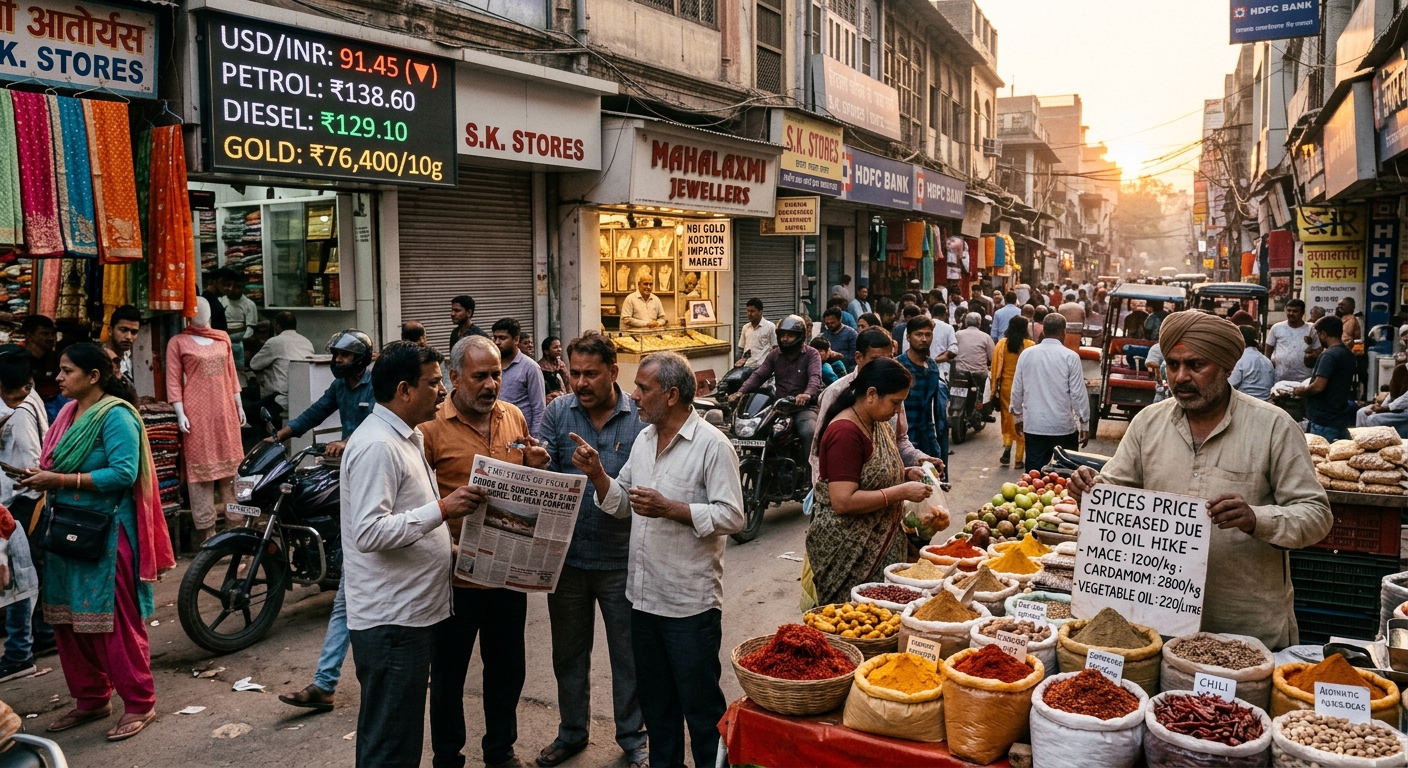
The US-Iran conflict, ignited by high-stakes airstrikes in early 2026, has triggered significant economic turmoil particularly impacting nations reliant on oil, such as India. With Iran controlling the Strait of Hormuz, global energy prices surged, causing inflation and exacerbating India’s trade deficit due to its heavy reliance on oil imports. In response, the Reserve Bank of India (RBI) sold approximately $12 billion in gold reserves to stabilize the rupee and maintain economic liquidity amid escalating foreign exchange pressures.
Escalation of the US-Iran Conflict
The conflict escalated dramatically on February 28, 2026, when coordinated airstrikes from the US and Israel, targeting Iranian military strongholds, resulted in key Iranian leadership casualties. This confrontation marked the onset of the so-called Third Gulf War and intensified regional instability. The geopolitical strife has led to increased military preparedness among neighboring countries like Turkey and has aggravated existing tensions in the region, affecting global energy markets significantly.
Impact on India’s Economy
India’s economy has faced serious repercussions from the US-Iran conflict primarily due to its dependence on the Strait of Hormuz for oil supplies. Crude oil price surges have caused public sector oil companies to incur higher import costs and widened the trade deficit, which could shrink the nation’s GDP. Furthermore, the depreciation of the Indian rupee, which plunged against the dollar, has put additional inflationary pressure on consumers, making fiscal adjustments imperative for the government to mitigate these effects.
RBI’s Strategic Response
In light of the economic pressures, the RBI’s strategic measures included selling gold reserves to improve liquidity in foreign currency amidst rising crude prices. This noteworthy decision was driven by a need to stabilize the rupee, reflecting a broader strategy of prioritizing liquid assets over traditional gold reserves under challenging geopolitical conditions. The RBI’s proactive fiscal policy aims to cushion the economy from the external shocks associated with the ongoing conflict.
The $12 Billion Gold Reserve Sale
To manage escalating pressures from the US-Iran conflict, the RBI sold approximately $12 billion of its gold reserves to bolster foreign currency liquidity. This decision reflects a shift in strategy, favoring immediate liquidity to stabilize the economy over traditional reliance on gold. Despite an increase in gold import duties, the RBI’s liquidation underscores its commitment to maintaining economic stability by responding to immediate market needs while addressing wider concerns about external vulnerabilities.
Aftermath of the Gold Reserve Sale
The aftermath of the RBI’s gold reserve sale has reinforced the necessity for higher liquidity amidst rising energy prices and ongoing capital outflows. The management of foreign exchange reserves is crucial during geopolitical crises to maintain investor confidence and stabilize currency values. As India navigates through the economic impact of the conflict, strategic fiscal measures have been introduced to counterbalance inflation and stabilize essential markets.
Broader Consequences and Future Outlook
The US-Iran conflict poses risks not only for India but for broader economic stability across energy-dependent nations. India’s vulnerabilities, outlined by trade deficits and currency pressures, highlight the importance of diversified energy sourcing and robust foreign reserve management. Continued surveillance of global market dynamics and strategic fiscal responses will be essential as potential long-term implications of the conflict unfold, emphasizing the fragility of interconnected economies in fluctuating geopolitical landscapes.
The content is provided by Blake Sterling, Front Signals