
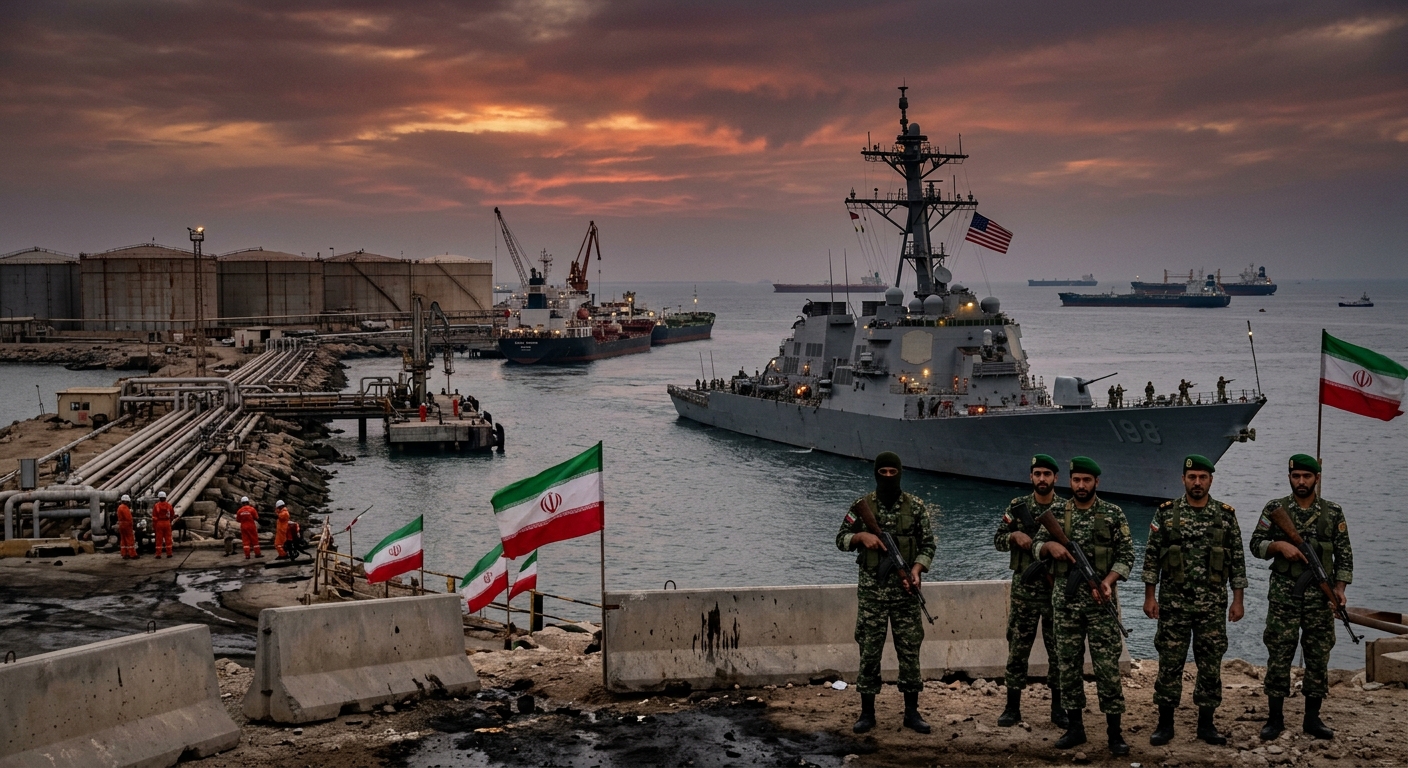
Summary of U.S.-Iran Tensions Over Oil
Former President Donald Trump’s approach toward Iran’s oil industry represents a strategic shift, focusing on military intimidation of Iran’s oil export infrastructure, particularly at Kharg Island. Trump’s threats of military action, including strikes on civilian infrastructure if Iran disrupted shipments through the Strait of Hormuz, heightened fears of regional destabilization and potential global energy supply interruptions. With Kharg Island handling a significant portion of Iran’s crude exports, its security directly impacts global oil markets and international relations.
Strategic Importance of Kharg Island
Kharg Island is Iran’s primary oil export terminal, vital for its economy and energy industry. Handling over 80 percent of Iran’s oil exports, its strategic placement allows it to serve supertankers which other Iranian ports cannot support. Despite sanctions, Iran has managed to maintain oil sales through Black Market channels, illustrating both its resilience and the complexities of U.S. sanctions targeting its oil industry.
Trump’s Aggressive Posture
Trump’s explicit threats included the possibility of obliterating Iran’s energy infrastructure as a response to any infractions regarding the Strait of Hormuz. This marked a departure from previous U.S. strategies of sanctions toward a more direct military threat. His administration signaled a readiness to use force, significantly heightening military tensions in the region.
U.S. Strategy and Economic Sanctions
The U.S. has combined military actions with stringent economic sanctions targeting Iran’s oil exports. The aim has been to cut off what is essentially Tehran’s primary revenue source by denying it access to international markets. Sanctions are not limited to Iranian entities but extend to foreign actors facilitating Iranian trade, reflecting a broader effort to isolate Iran economically and politically.
Military Readiness
U.S. military preparations have indicated a willingness to intervene directly in Iran’s oil export operations should necessary conditions arise. Strategically, control of Kharg Island could allow the U.S. significant leverage over Iran’s oil flow, impacting global energy markets. This military readiness coincides with the use of airstrikes against Iranian targets, reinforcing an aggressive stance aimed at deterring Iranian actions.
Iran’s Resilience and Counteractions
Iran has rejected U.S. threats while simultaneously reinforcing its military capabilities and strategic responses to maintain control over its oil exports. The Iranian government has issued warnings of retaliation should its critical infrastructure be targeted, emphasizing its resolve to navigate through U.S. sanctions and maintain its export routes, particularly through channels like Kharg Island. Despite efforts to circumvent sanctions, Iran’s long-term economic and military strategy remains focused on regime survival and export resilience.
Global Reactions and Economic Consequences
International concerns surrounding the U.S.-Iran tensions have grown due to the potential threats posed to global oil supplies, particularly through the Straits of Hormuz. Disruptions in this area could have significant ramifications for oil prices worldwide, with European economies being notably vulnerable. The geopolitical landscape continues to evolve, as nations seek to manage their dependencies on energy exports while contemplating the broader implications of U.S.-Iran relations.
Long-term Impacts and Challenges
In the aftermath of Trump’s bold threats against Iran, the global response has focused on both diplomatic and economic avenues to mitigate escalating hostilities. European nations are closely monitoring the situation, particularly relating to their energy security tied to Iranian oil exports. The ongoing tensions illustrate the challenges of enforcing sanctions while attempting to stabilize a region critical to global energy, suggesting that achieving a balance between coercive tactics and peaceful diplomacy will require careful navigation of complex geopolitical dynamics.
The content is provided by Blake Sterling, Front Signals