
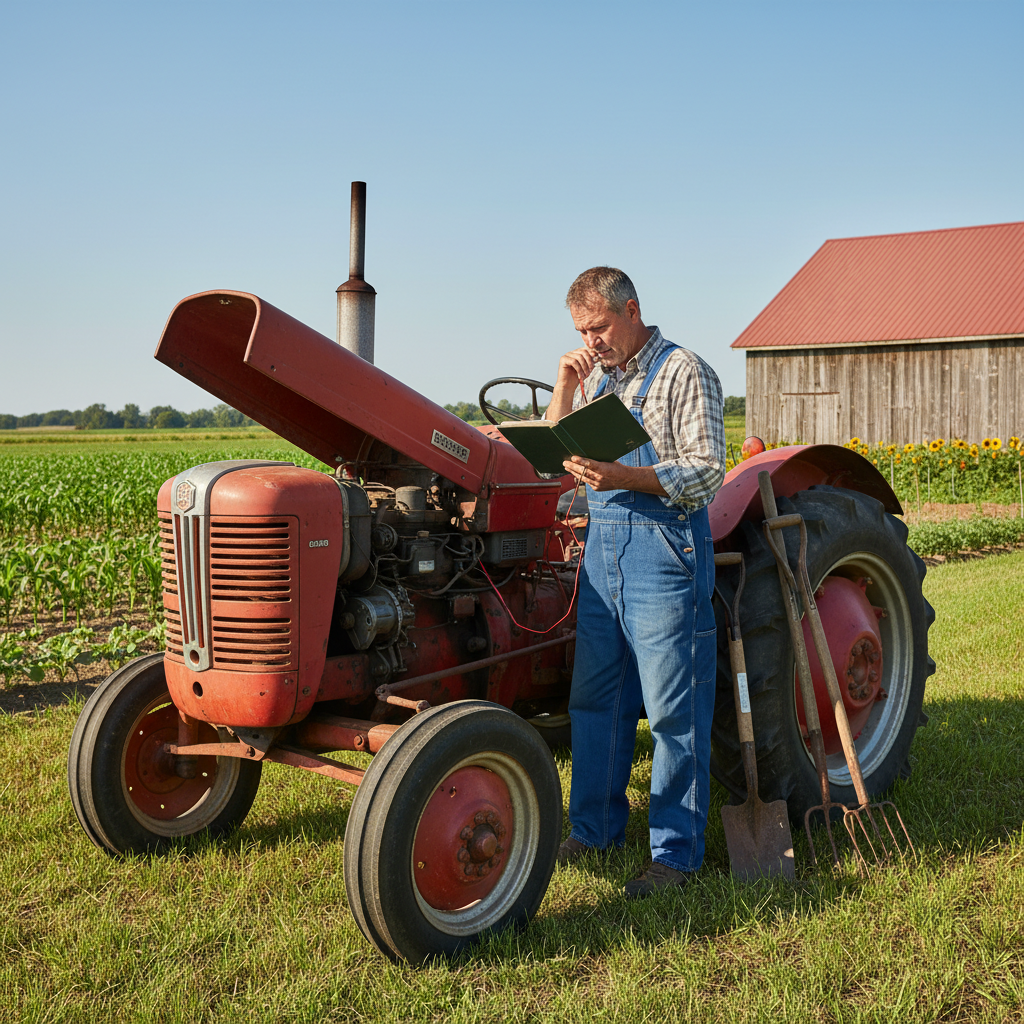
Summary
Buying a used tractor is a practical and cost-effective choice for farmers, landscapers, and property owners seeking reliable machinery without the premium price of new equipment. Used tractors provide a range of functionalities—such as plowing, hauling, and mowing—that support diverse agricultural and land management tasks, making them an essential asset for small to medium-sized operations and those scaling up production. By purchasing pre-owned equipment, buyers can access a wider selection of brands and models known for durability, while benefiting from significant savings compared to new tractors.
Making a smart used tractor purchase requires careful assessment of operational needs, thorough market research, and detailed inspection to avoid costly repairs and ensure long-term value. Buyers should evaluate factors such as intended tasks, terrain, storage conditions, and ergonomic considerations, alongside staying informed on pricing trends influenced by seasonal demand and agricultural economic conditions. Comprehensive mechanical checks—including engine performance, hydraulic systems, transmission, and safety features—are critical to identify potential issues before purchase.
The process of negotiating and buying a used tractor involves weighing options between dealerships, which may offer warranties and certified inspections, and private sellers, where prices might be lower but risks higher. Financing incentives like low-interest rates or deferred payments increasingly facilitate ownership, but buyers must remain vigilant about verifying equipment history and condition, especially when purchasing remotely or online. Post-purchase, establishing a consistent maintenance routine and proper storage are vital to preserving tractor performance and resale value over time.
Despite the advantages, buying used tractors can pose challenges, including the risk of hidden mechanical defects, complex transmission issues, or inadequate maintenance history that may lead to unexpected repair costs. To mitigate these risks, prospective buyers are encouraged to leverage diagnostic tools, consult professionals, and demand transparency from sellers. This guide presents seven essential tips to help buyers make informed decisions and secure a reliable used tractor tailored to their unique needs.
Importance of Buying a Used Tractor
Purchasing a used tractor can be a smart investment for farmers and property owners looking to expand their operations without incurring the high costs of new equipment. Used tractors offer the advantage of affordability while still providing the necessary functionality to perform a wide range of tasks such as hauling, mowing, or plowing. This makes them an attractive option for those seeking to optimize their farming or land management activities without compromising on capability.
Moreover, buying a used tractor allows buyers to access a variety of models and brands, often with proven durability and reliability, which can be especially beneficial for smaller farms or those just starting to scale up operations. By carefully evaluating key factors, buyers can ensure they select a tractor that aligns with their specific needs, making the purchase both economical and practical.
Assessing Your Needs
Before purchasing a used tractor, it is crucial to thoroughly assess your specific needs to ensure the machine will effectively support your farming operations. Begin by identifying the primary tasks you intend the tractor to perform, such as plowing, hauling, towing, cultivating, or mowing. Understanding these requirements helps narrow down the features and capabilities necessary in a tractor.
Consider the nature of your property and the conditions in which the tractor will operate. For example, if your work involves slopes, features like wide-set wheel spacing, four-wheel drive, or front wheel assist become important to maintain stability and traction. Ergonomic factors should also be evaluated, especially if you expect frequent mounting and dismounting, as is common in market farming. Pay attention to seat height, step placement, handholds, visibility, and overall comfort, as these aspects impact operator efficiency and safety during year-round use.
Storage conditions can affect the tractor’s longevity and resale value. Machines kept indoors or under cover tend to maintain their condition better than those stored outdoors, reducing maintenance costs and preserving value over time. Additionally, think about the timing and scale of your operations, existing relationships with neighbors or family members who might share equipment, and whether you possess skills or equipment that could be bartered to meet your needs.
Finally, equip yourself with knowledge of tractor market trends and pricing fluctuations. Understanding seasonal price variations and the impact of new model releases can help you time your purchase optimally and avoid overpaying. Overall, taking a comprehensive approach to assessing your operational needs and environmental factors is key to selecting the right used tractor for your farm.
Researching the Market
When researching the used tractor market, understanding current trends and pricing dynamics is essential for making informed purchasing decisions. Market reports, such as those provided by Sandhills Global, offer valuable insights into inventory levels, asking prices, and auction value trends for used farm equipment, trucks, and trailers. These reports highlight that retail assets, particularly tractors with over 300 horsepower, tend to drive higher price points on platforms like TractorHouse.com, with asking values increasing significantly compared to previous years.
Seasonal factors and broader agricultural economic conditions also influence market activity. For instance, tractor prices at auctions have seen upward movement as farmers grow optimistic about commodity prices and as challenging weather conditions, such as long winters, begin to ease in key farming regions. This optimism often translates into a greater willingness to invest in equipment upgrades or replacements.
It is important to recognize that market fluctuations may be affected by factors such as weather, global supply and demand, and economic volatility inherent to agriculture. Additionally, favorable financing options—often subsidized by equipment dealers—can encourage farmers to explore purchasing used machinery. Terms such as 12- to 24-month payment waivers or low interest rates around 2.9% for extended periods can make acquiring a used tractor more accessible and financially manageable.
Comparing current prices with historical data provides perspective on the market’s trajectory. For example, asking prices that reached approximately $1.1 billion in late 2021 have continued to rise, influenced by the demand for higher-powered tractors. Staying informed through monthly market reports and auction updates can help buyers gauge when to act and identify fair pricing.
Inspection and Evaluation
When buying a used tractor, a thorough inspection and evaluation are essential to ensure you make a smart investment. Begin by examining the overall condition of the tractor, checking for visible signs of wear such as rust, corrosion, dents, or oil leaks, which may indicate neglect or underlying mechanical issues. Inspect the frame and axles carefully for any repair welds and check for caked dirt around fittings or joints that could signal leaks.
Engine and Fluids
Start the engine and listen closely for any unusual noises like rattling, knocking, or grinding, which often signal serious problems requiring immediate attention. Observe the engine oil pressure gauge to confirm adequate oil pressure, and check underneath the tractor for any leaks or fluid puddles. Inspect the radiator for leaks and examine hoses and belts for wear or cracks. It is advisable to change all fluids and filters once you decide to purchase the tractor to ensure reliability. Always be wary of tractors that show signs of irregular or missed oil changes, as these can lead to costly repairs unless you understand the exact issues and costs involved.
Hydraulic System
The hydraulic system is critical to tractor performance and requires careful evaluation. Check hydraulic fluid levels and condition, looking for contamination, discoloration, or cloudiness, which may necessitate fluid replacement. Inspect hoses, connectors, seals, pumps, cylinders, and valves for leaks, cracks, or brittleness—common points of failure due to constant pressure and movement. Listen for unusual whining or rattling noises that indicate cavitation or internal damage. Promptly fix any hydraulic issues to maintain system integrity and avoid further damage.
Transmission and Controls
Assess the transmission type—manual, automatic, or hydrostatic—and ensure it matches your skill level and farming needs. Test the transmission for smooth operation, free of grinding or clunking noises during gear shifts, as these can indicate worn or failing components. Watch for signs of slipping clutch or gear engagement problems, which often manifest as poor acceleration or feeling like the tractor is in neutral at higher gears. Inspect control linkages, the shuttle mechanism (mechanical or electrohydraulic), brakes, and steering systems, especially during low-speed maneuvers, to confirm they are responsive and functioning properly.
Tires, Suspension, and Safety
Evaluate tires based on terrain requirements, checking for cuts, bulges, uneven wear, and maintaining proper pressure. Inspect suspension and steering components for damage caused by rough terrain, as these affect safety and comfort. Test all lighting and wiring systems for functionality, including indicators, and inspect wiring harnesses for wear or damage. Verify that all safety equipment, such as rollover protective structures (ROPS), seatbelts, and emergency shut-off systems, are present and operational.
Diagnostic Tools and Professional Help
Modern tractors often include sensors that can trigger warning lights for engine, transmission, or other system issues. Performing a diagnostic scan before purchase can identify problems early and prevent costly surprises. For advanced troubleshooting, specialized diagnostic tools tailored for agricultural machinery provide dealer-level insights at a fraction of the cost and can be invaluable for assessing engine, hydraulic, and transmission faults.
Maintenance Records and Storage
Review the tractor’s maintenance log for documented services and repairs, particularly before storage periods. Proper storage in a dry, sheltered area helps prevent rust and corrosion, which can significantly impact tractor longevity and resale value. Address any rust spots promptly with treatment and paint touch-ups to prevent further deterioration.
By conducting a detailed inspection across these key areas—engine, hydraulics, transmission, tires, safety, and maintenance history—you can make a more informed decision when purchasing a used tractor, reducing the risk of costly repairs and downtime.
Common Mechanical Issues and Warning Signs
When purchasing a used tractor, it is crucial to be aware of common mechanical issues and their warning signs to avoid costly repairs and ensure reliability. Unusual sounds such as rattling, knocking, or grinding from the engine often indicate underlying problems that require immediate attention. Engine overheating is another serious concern; the engine temperature gauge should never enter the red zone, as this suggests potential damage to critical components.
Transmission issues are prevalent and can be expensive to fix, especially with modern hydrostatic or multi-range transmissions. Symptoms include clunking noises when shifting gears and jerking during slow acceleration, which may result from issues like oil leaking onto clutch discs in dual-clutch systems. Hydrostatic transmission problems can also stem from mechanical failures, broken hoses, clogged filters, or poor-quality oil. Due to their complexity, transmission repairs often require factory-trained mechanics or specialized repair shops.
Hydraulic system problems are common but generally repairable if identified early. Causes include insufficient or degraded hydraulic fluids, blocked filters, and using the tractor beyond its design limits. Regular inspection and maintenance of hydraulic components are essential to prevent these issues.
Thorough inspections should include checking for oil leaks, rust, corrosion, and worn or damaged tires, as these can signal deeper mechanical concerns. The radiator, hoses, and belts must be examined for leaks and wear, while listening for any abnormal engine noises during operation. Regular lubrication of moving parts and articulation points helps reduce wear and may reveal metal shards, which are signs of excessive wear.
Ultimately, recognizing these warning signs early and performing routine maintenance can prevent catastrophic failures and extend the lifespan of a used tractor. If any abnormal symptoms are detected, it is advisable to consult a professional mechanic for a thorough diagnosis and repair estimate before finalizing a purchase.
Negotiation and Purchase Process
When negotiating and purchasing a used tractor, it is essential to be well-prepared and informed to ensure a smart investment. One of the primary considerations is whether to buy from a dealership or a private seller. Dealerships often offer certified pre-owned tractors that have undergone thorough inspections, and they may provide warranties or service guarantees, adding a layer of security to the purchase. However, dealership prices can be higher compared to private sellers, who may offer better deals but require the buyer to carefully inspect the tractor and verify its maintenance history themselves.
If purchasing online, buyers face additional challenges such as the inability to inspect the tractor in person before purchase, potential difficulties obtaining financing, and limited return options if the tractor does not meet expectations. Therefore, it is crucial to buy only from reputable sellers, fully understand the terms of sale, and arrange for proper transportation of the tractor once it arrives. Always prioritize seeing the tractor in person before committing to a purchase, as photos alone may not reveal underlying issues.
Financing plays a significant role in the purchasing process. Attractive dealer-subsidized financing options, such as 12 to 24-month payment waivers or low-interest rates around 2.9% for 60 months, can encourage farmers to explore buying used equipment. These incentives may stimulate demand in the used tractor market by making ownership more affordable and accessible.
Throughout negotiations, buyers should prepare questions regarding the tractor’s condition, service history, and any included guarantees. Doing thorough research and understanding ownership costs—such as repairs, maintenance, fuel, lubrication, and labor—can also support better decision-making and bargaining power during the purchase. Overall, a combination of careful inspection, clear communication, and consideration of financing options forms the foundation of a successful negotiation and purchase process.
Post-Purchase Tips
After purchasing a used tractor, establishing a regular maintenance routine is essential to ensure its longevity and reliable performance. Begin by consulting the operator’s manual to follow recommended service intervals and procedures. Routine maintenance tasks such as changing oil and filters, inspecting belts and hoses, and cleaning air filters help maintain optimal engine function. Using high-quality lubricants and fuels can further reduce wear and prevent contamination.
It is important to be aware of the specific standards for fluids and lubricants as identified in the tractor’s manual or through the parts department of a local dealership. Timely replacement of worn-out parts can prevent more costly repairs in the future, ultimately saving on operational costs. Typically, repair and maintenance expenses for used tractors range from $0.75 to $1.50 per hour of operation, which accounts for approximately 10-15% of total operational costs. For tractors used around 400 hours annually, this translates to roughly $300-$600 per year. Over the course of about 6,000 hours of operation, accumulated repair costs may reach up to 25% of the tractor’s original list price, with some models experiencing even higher percentages depending on the drive type and workload.
Keeping detailed maintenance records is vital to monitor the tractor’s condition and identify any emerging issues early. Tracking routine services and repairs can provide valuable insight into the tractor’s upkeep and help guide future maintenance decisions. Additionally, storage considerations play a significant role in preserving a tractor’s value and ease of maintenance. Storing the tractor indoors or under a protective roof reduces exposure to the elements, helping to maintain its condition over time.
Finally, consider the operator’s needs and abilities to ensure safe and ergonomic use of the tractor. Features such as four-wheel drive, front wheel assist, and wide-set wheel spacing may be beneficial depending on the terrain and tasks. Matching the tractor’s capabilities with the operator’s experience and physical capacity can improve efficiency and safety during operation.
The content is provided by Jordan Fields, Front Signals