
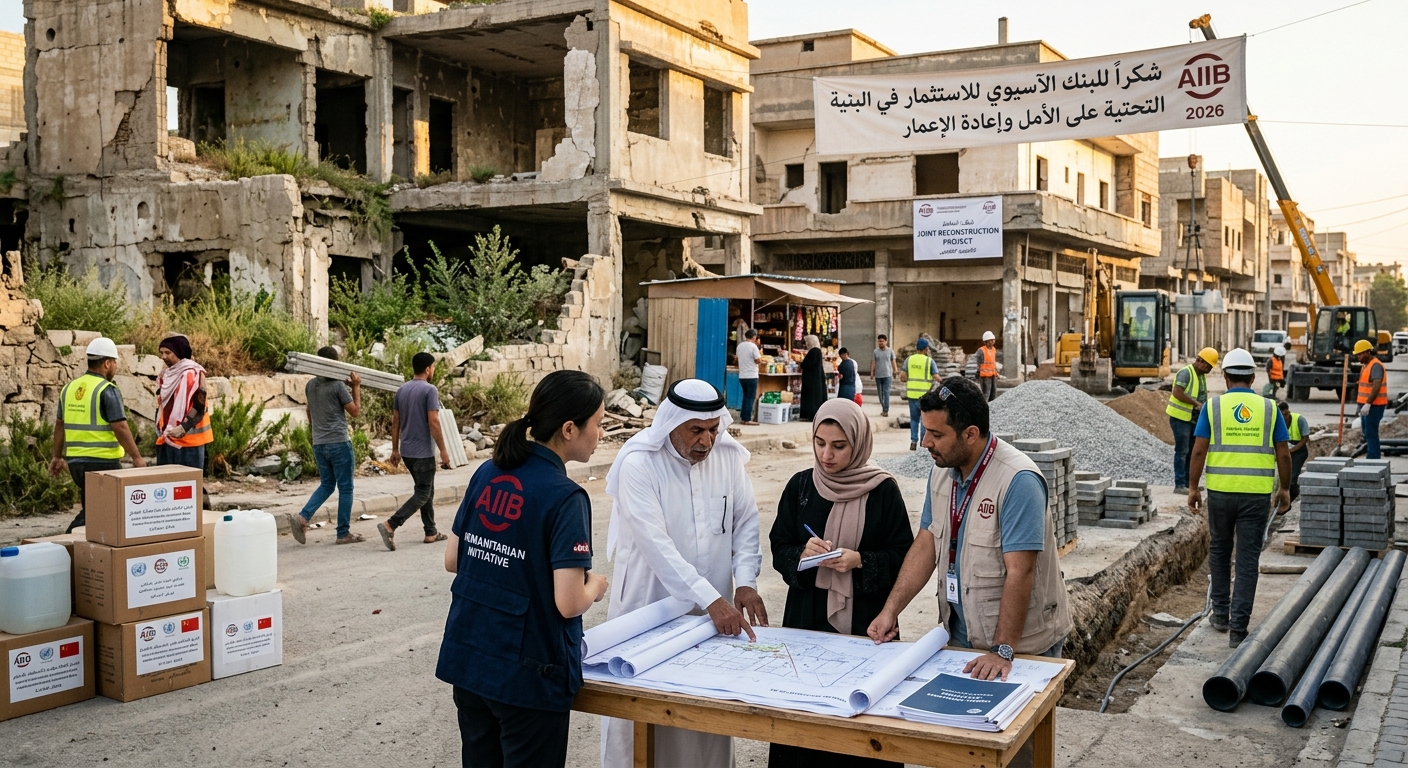
Overview of AIIB’s Aid Initiative
The Asian Infrastructure Investment Bank (AIIB) has initiated a $10 billion aid program in response to the Middle East conflict, specifically targeting countries severely impacted by the related humanitarian and economic crises. Known as the Energy, Food Security and Economic Resilience Facility, this initiative aims to provide timely financial assistance over two years, focusing on restoring energy supplies, addressing food insecurity, and stabilizing economies affected by war and regional disruptions. Although established primarily for infrastructure financing, this program underscores AIIB’s adaptability to current geopolitical challenges.
Implementation Framework
AIIB’s implementation strategy for the aid initiative is characterized by a collaborative framework that engages various stakeholders, including multilateral development banks and international institutions. The goal is to mobilize resources effectively and ensure that the financial support aligns with urgent regional recovery needs while promoting sustainable development practices. Fast-disbursing financial instruments are prioritized to tackle immediate issues while laying the groundwork for longer-term growth and stability.
Engagement with Regional Members and Partners
Middle Eastern countries play a crucial role in the AIIB framework, holding substantial decision-making powers due to their majority share within the bank. This engagement emphasizes fostering strong partnerships with diverse international entities, enhancing infrastructure investments and support systems across the region. Collaborations are aimed at sharing expertise, mobilizing resources, and ensuring that development efforts respond to the unique challenges faced by member nations.
Geopolitical Considerations
AIIB operates within a nuanced geopolitical landscape where its initiatives can be viewed through the lens of China’s broader strategic goals. While the bank aims to foster sustainable development, its involvement can also be interpreted as a mechanism for enhancing China’s influence in the Middle East. This dual role raises questions about the alignment of the AIIB’s actions with the interests of member countries and the balance required in delivering effective aid without exacerbating political tensions.
Responses and Considerations
The AIIB’s aid initiative has drawn mixed reactions, with supporters highlighting its commitment to addressing urgent developmental needs, while critics point to potential issues arising from a lack of stringent lending conditions. The bank’s focus on efficiency and collaboration offers an appealing alternative for some nations; however, concerns persist about the implications of its funding practices on governance and environmental standards. Close scrutiny of these factors is necessary as the AIIB navigates the complex landscape of international development and regional stability.
Long-term Impact
The outcomes of AIIB’s aid initiative extend beyond immediate relief, aiming to enhance institutional capacity and foster long-term sustainable growth. Efforts to restore essential services and infrastructure are pivotal in mitigating the humanitarian fallout of the conflict. Moreover, the initiative aligns with broader developmental goals, integrating environmental, social, and governance considerations into funding strategies, a departure from more traditional aid approaches. Continuous assessment of these impacts will be essential in determining the future effectiveness of AIIB’s involvement in the region.
The content is provided by Harper Eastwood, Front Signals