
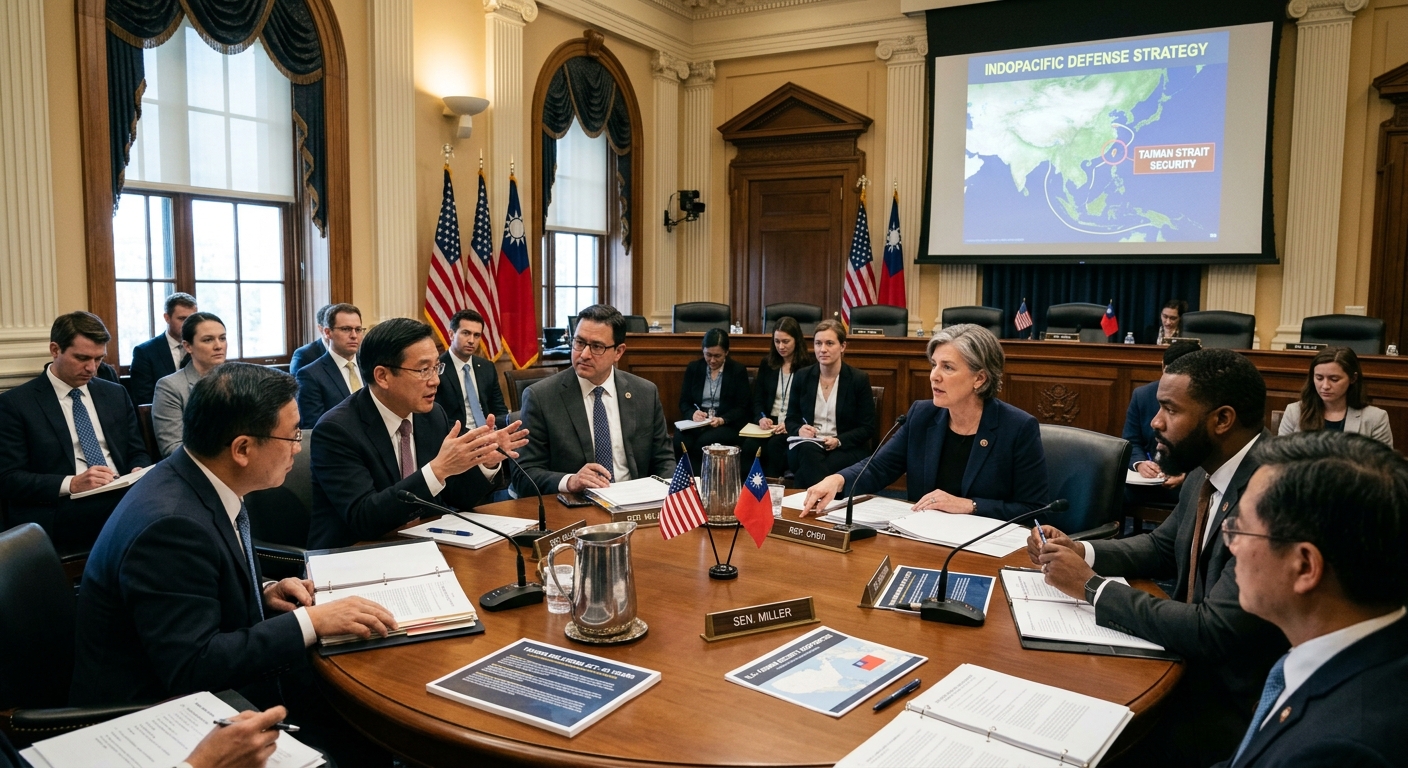
Reaffirming U.S.-Taiwan Relations
Despite fluctuations in executive rhetoric, Congress has consistently demonstrated strong bipartisan support for Taiwan’s defense and diplomatic status. Legislative actions like the Taiwan Relations Act and recent initiatives such as the TAIPEI Act reflect a steadfast commitment to enhance Taiwan’s military capabilities amidst rising pressures from China. Congressional measures have expanded military cooperation and expedited arms sales, emphasizing Taiwan’s strategic importance in U.S. foreign policy. This underscores a collective recognition that robust support for Taiwan is integral to deterring Chinese aggression, ensuring the island’s self-defense, and reinforcing its position in international relations.
Congressional Actions Beyond Executive Influence
Legislative measures continue to shape U.S. policy toward Taiwan, independent of executive decisions, especially during the Trump administration. Notable arms sales packages, including a $14 billion deal, affirm Congress’s role in maintaining Taiwan’s security priorities. Lawmakers persist in advocating for legislative transparency, ensuring arms sale notifications and consultations are upheld to solidify military cooperation. This unified bipartisan stance reinforces the long-held commitment to counter China’s growing influence and support Taiwan’s resilience in a tumultuous geopolitical climate, despite occasional executive ambiguities.
Legislation Driving U.S.-Taiwan Relations
Since 2016, various legislative measures have strengthened U.S.-Taiwan ties, emphasizing security and diplomatic engagement. Key frameworks like the Taiwan Relations Act and initiatives such as the Asia Reassurance Initiative Act guide these efforts, mandating the enhancement of Taiwan’s military capabilities and defense strategies. Recent National Defense Authorization Acts have authorized substantial security assistance and flexible arms sales, reflecting a legislative commitment to reinforcing Taiwan’s defense against potential threats from China. Legislative developments have also spurred international advocacy for Taiwan’s recognition and partnerships, reinforcing its sovereignty and standing on the global stage.
Committee Oversight and Leadership Role
Congressional committees play a crucial role in overseeing and shaping U.S.-Taiwan relations, ensuring sustained focus on Taiwan’s security needs. Bipartisan support from the House Committee on Foreign Affairs has led to unopposed legislation promoting increased exchanges with Taiwan, signaling a commitment to strengthen bilateral ties. Active engagement from committees facilitates continuous updates on military cooperation, helping Congress maintain informed oversight on defense agreements and relationships. This consistent attention signifies Congress’s proactive role in solidifying Taiwan as a key player within U.S. Indo-Pacific strategy.
Bipartisan Commitment Amidst Political Dynamics
U.S. support for Taiwan enjoys a rare bipartisan consensus, effectively transcending broader political divisions. Legislative efforts to enhance Taiwan’s security frameworks have emerged uncontested, highlighting a collective apprehension regarding Chinese aggression. Despite challenges, including mixed signals from the executive branch, congressional members have unified behind a clear call for continual commitment to Taiwan’s defense. This bipartisan momentum indicates an ongoing determination to bolster Taiwan’s presence in international affairs while mitigating the risks posed by the PRC’s assertiveness.
Military and Intelligence Cooperation Expanding
Military and intelligence collaboration between the U.S. and Taiwan has intensified, reflecting heightened concerns over regional stability and threats from China. Recent legislative actions, such as the Taiwan Security Cooperation Initiative, have authorized enhanced defense support, including training and strategic dialogues. Taiwan’s ongoing military exercises and development of new operational capabilities further demonstrate a commitment to shared security objectives. This expanded cooperation is vital in addressing the shifting balance of power in the region and maintaining peace in the Taiwan Strait.
Implications for U.S. Foreign Policy and Security
The bolstered U.S. support for Taiwan has significant ramifications for foreign policy and regional security in the Indo-Pacific. Legislative backing ensures a steadfast commitment to providing Taiwan with necessary defense resources while facilitating strengthened military partnerships. Congressional support has evolved into a strategic framework designed to deter potential aggression from the PLA and ensure stability in the region. Ongoing military assistance and collaborative strategies reflect a comprehensive approach that integrates diplomatic, economic, and military tools to counter Chinese influence and reaffirm U.S. commitments in the region.
Public and Political Response to Taiwan Policy
The Trump administration’s approach toward Taiwan prompted varied responses from political leaders and the public. Enhanced congressional action, driven by perceived shortcomings in the executive branch’s stance, led to stronger legislative support for Taiwan. Bipartisan statements underscoring the need for clear commitments to Taiwan’s defense solidified broader consensus on U.S. policy in the Indo-Pacific. This dynamic highlights a commitment within Congress to not only sustain Taiwan’s defense posture but also to alleviate any uncertainty stemming from executive decision-making.
Current State and Future Prospects
The legislative landscape emphasizing Taiwan’s defense and international standing remains robust, highlighting a commitment that has only strengthened in recent years. With continued congressional support, Taiwan is positioned to enhance its military cooperation with the U.S. and build resilience against potential threats. The evolving strategic dialogues between the U.S. and Taiwan signal a future-oriented partnership aimed at ensuring both entities navigate the complexities of contemporary geopolitical tensions effectively. Legislative advocacy reinforces Taiwan’s critical role in broader U.S. strategy, ensuring its significance within the Indo-Pacific remains a top priority.
The content is provided by Sierra Knightley, Front Signals