Summary
Discover 7 Must-Try Spa Treatments to Refresh and Revitalize You in 2025 presents a curated overview of the most innovative and effective spa therapies shaping the wellness industry in the year 2025. Rooted in a rich history that spans ancient healing rituals to cutting-edge technology, these treatments reflect a growing consumer demand for non-invasive, personalized, and holistic approaches to health and beauty. This article explores seven standout spa treatments that combine advanced scientific techniques with traditional ingredients and cultural practices to offer rejuvenation with minimal downtime and maximum benefits.
The featured treatments include radiofrequency microneedling, ultrasound therapy, regenerative platelet-rich plasma and exosome therapies, enhanced HydraFacial boosters, red light therapy, advanced hydrodermabrasion and waxing innovations, and AI-driven personalized care. Each therapy addresses various skin and wellness concerns, emphasizing safety, efficacy, and the integration of mental, emotional, and physical well-being. These selections exemplify the spa industry’s trend toward blending technology with nature-based ingredients and holistic philosophies, catering to diverse client needs and lifestyles.
This evolving landscape also reflects a resurgence of ancient and cultural spa traditions—from Ayurvedic massages and Roman-inspired baths to Indigenous cleansing ceremonies—that are being thoughtfully revived and integrated into contemporary wellness experiences. The fusion of heritage with innovation highlights the importance of cultural respect and sustainability in modern spa treatments, underscoring their role not only in physical renewal but also in spiritual and emotional balance.
Despite their growing popularity and promising results, some advanced treatments carry potential risks and require professional guidance and cautious adoption, especially emerging therapies still under clinical evaluation. By addressing these safety considerations alongside the transformative potential of these spa modalities, this article offers a comprehensive guide for individuals seeking to refresh and revitalize their bodies and minds in 2025.
Historical and Cultural Origins of Spa Treatments
Spa treatments have a rich history that spans thousands of years and numerous cultures, evolving from ancient healing practices to modern wellness rituals. The earliest known spa-like practices trace back to prehistoric civilizations such as those in the Indus Valley and Aegean regions, where bathing rituals were an integral part of daily life and social customs. Ancient Egyptians also developed complex bathing rituals, emphasizing cleanliness and relaxation.
In Western history, the Greeks established foundational bathing regimens that greatly influenced later spa practices. The Romans further elevated these traditions by creating grand thermae complexes—large public baths featuring hot, cold, and tepid pools, as well as gymnasiums, libraries, and gardens. Bathing was not only a means of physical cleansing but also a communal and social activity deeply embedded in Roman culture, underpinned by the motto salus per aquam (“health through water”). The architectural grandeur of Roman baths, such as the Baths of Caracalla, showcased their importance in society and inspired the development of subsequent spa traditions, including the Turkish hammam.
The Turkish hammam itself evolved from Roman baths around AD 600, adapting to the spiritual and cleansing needs of Islamic culture. These lavish bathhouses featured steam rooms, exfoliation, and massage areas, serving as centers for social interaction and spiritual rejuvenation. Today, hammams remain integral to Turkish culture and continue to influence global spa designs.
Asia has contributed profoundly to spa culture, particularly through India’s ancient Ayurvedic system, which dates back over 5,000 years. Ayurvedic treatments such as abhyanga involve the use of warm herbal oils and specific massage techniques aimed at balancing the body’s doshas (constitutions). In Japan, onsen—natural hot springs enriched with volcanic minerals—are focal points for relaxation and healing, with strict cultural protocols emphasizing mindfulness and respect for nature. Similarly, Finland’s sauna tradition, with origins over 2,000 years ago, utilizes cycles of heat and cold to detoxify the body and promote well-being, and remains a cornerstone of both Finnish culture and modern spa practices worldwide.
Beyond these regions, diverse indigenous and ancestral practices continue to influence contemporary spa offerings. For example, West Coast Indigenous communities in North America incorporate traditional cleansing ceremonies such as Hishuk Ish Tsawalk, which symbolically unites fire, water, earth, and air, reflecting a holistic view of interconnectedness in wellness. Meanwhile, European spa culture, especially from the Elizabethan era onward, has embraced both historical elegance and modern innovation while maintaining a focus on restorative health.
Criteria for Selection of Must-Try Spa Treatments in 2025
The selection of must-try spa treatments for 2025 is guided by several key criteria that reflect the evolving demands and preferences of modern consumers. Central to these criteria is the emphasis on non-invasive procedures that deliver significant results while minimizing downtime, aligning with the industry’s shift toward innovative, efficient, and client-friendly solutions.
Another important factor is the integration of advanced technologies with holistic wellness approaches. Treatments that combine physical, emotional, and mental well-being are increasingly favored, mirroring broader cultural trends toward self-care and sustainability. This includes the use of nature-based, sustainable ingredients such as superfoods, which are gaining popularity especially through social media influence and eco-conscious consumerism.
Personalization also plays a crucial role in treatment selection, with options tailored to individual skin health, wellness goals, and lifestyle needs. The trend toward simplified routines that address both external beauty and internal health supports this personalized approach. Moreover, treatments that incorporate mental health benefits, such as stress reduction and resilience-building, are prioritized to provide a comprehensive wellness experience.
Finally, the potential for rapid and visible results, balanced against safety and cost considerations, is taken into account. Emerging therapies like weight-loss medications or advanced microneedling with radiofrequency are evaluated for their effectiveness, side effects, and client suitability despite some being in clinical trial phases or requiring close monitoring. This careful assessment ensures the recommended treatments are both cutting-edge and reliable for consumers seeking to refresh and revitalize in 2025.
Overview of Seven Must-Try Spa Treatments for 2025
The medical spa industry in 2025 is marked by a surge in non-invasive, technologically advanced treatments that emphasize skin rejuvenation, overall wellness, and natural regenerative approaches. These seven spa treatments have emerged as must-try options for those seeking effective and minimally disruptive self-care solutions.
Radiofrequency Microneedling
Radiofrequency (RF) microneedling combines tiny needles with radiofrequency waves to induce controlled skin injury, stimulating collagen production and dermal remodeling. This treatment is effective for improving acne scars, wrinkles, and uneven skin texture by promoting the body’s natural wound healing response and thermal collagen remodeling. It offers significant skin rejuvenation benefits with minimal downtime, making it a popular choice in 2025.
Sofwave Ultrasound Therapy
Sofwave™ is an FDA-cleared ultrasound treatment that targets collagen and elastin fibers deep within the skin to produce a natural lifting effect without surgery. It delivers visible improvements in skin firmness and elasticity with no downtime, addressing sagging skin, fine lines, and wrinkles. This non-invasive option is gaining traction for those who want a youthful appearance without invasive procedures.
Platelet-Rich Plasma (PRP) and Exosome Therapies
Reflecting the industry’s shift toward regenerative medicine, PRP and exosome therapies utilize natural biological materials to stimulate skin healing and rejuvenation. These treatments enhance skin health by promoting cellular repair and collagen synthesis, contributing to a more youthful and radiant complexion. Adoption of exosome-based treatments is projected to increase significantly in med spas in 2025.
HydraFacial Boosters and BioRePeel
HydraFacial treatments enhanced with booster serums and innovative peel formulations like BioRePeel offer gentle yet effective exfoliation and hydration. These therapies improve skin texture, tone, and brightness while supporting skin health. Their popularity is driven by immediate results, minimal irritation, and compatibility with other treatments.
Red Light Therapy
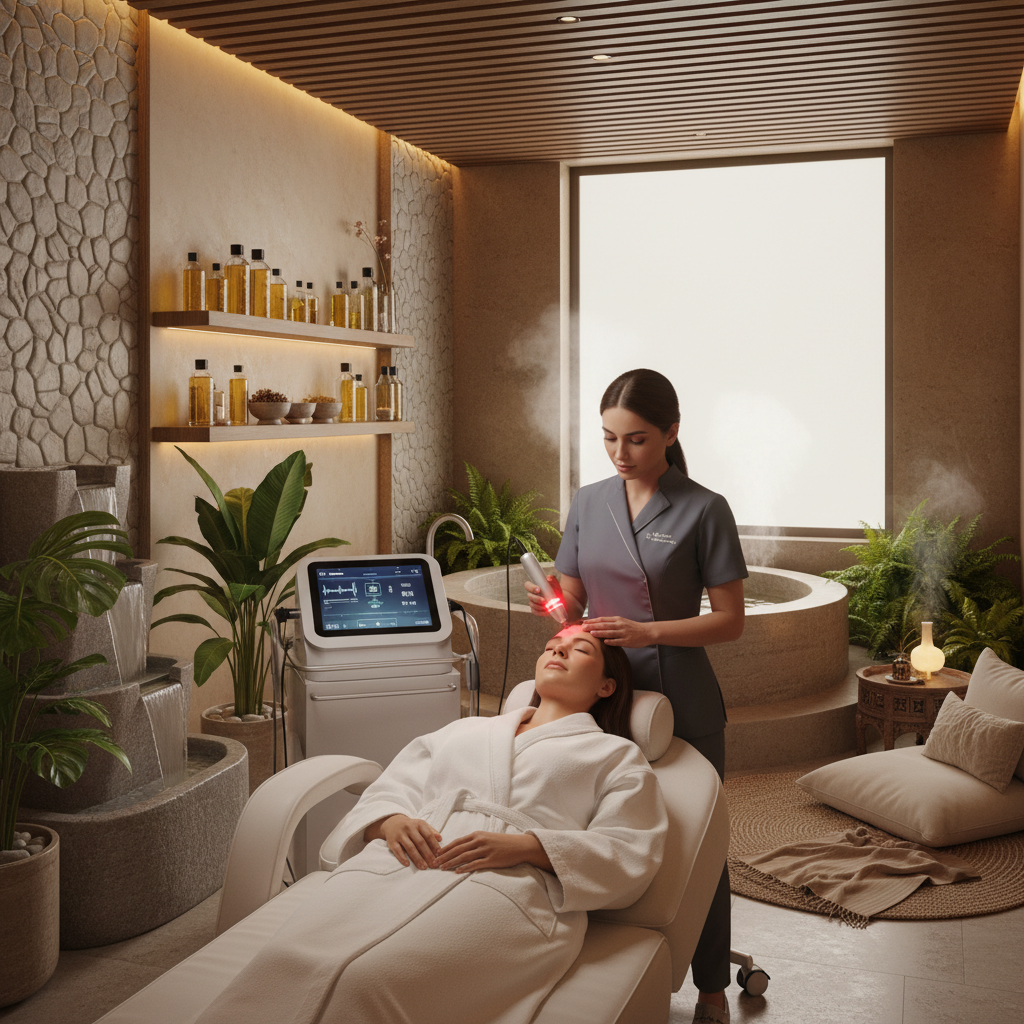
Red light therapy uses specific wavelengths to penetrate the skin, promoting collagen production, reducing inflammation, and accelerating wound healing. This treatment supports skin rejuvenation and overall wellness, complementing other facial and body therapies. Its non-invasive nature and holistic benefits continue to attract spa clients in 2025.
Advanced Hydrodermabrasion and ItalWax
High-tech hydrodermabrasion devices provide deep pore cleansing and exfoliation, resulting in smoother, clearer skin. ItalWax introduces a more relaxing waxing experience, blending effective hair removal with calming and indulgent techniques. Both treatments combine innovation with client comfort, reflecting trends toward spa experiences that merge efficacy and indulgence.
AI-Driven Personalized Treatments
The integration of artificial intelligence into spa services enables highly customized care through facial scanning, biometric tracking, and data analysis. AI-driven recommendations for massages, skincare routines, and wellness plans optimize treatment effectiveness by tailoring protocols to individual client needs. This data-driven personalization is revolutionizing spa experiences and is expected to dominate the industry by 2026.
These seven treatments embody the 2025 spa landscape’s emphasis on non-invasive, results-oriented procedures that blend cutting-edge technology with holistic wellness, sustainability, and client-centric approaches. They offer a range of options for individuals seeking to refresh and revitalize their skin and overall well-being with minimal downtime and enhanced safety.
Traditional Ingredients, Materials, and Techniques Revived in 2025 Spa Treatments
In 2025, the spa industry has seen a significant revival of traditional ingredients, materials, and techniques rooted in ancient cultural practices across the globe. These time-honored approaches are increasingly integrated into modern spa treatments, reflecting a holistic emphasis on body, mind, and soul wellness.
Many spa rituals draw heavily from Asian traditions, which incorporate elements such as meditation, herbal medicine, and specialized massage techniques refined over centuries. Natural ingredients like bamboo, tea, and rice-based exfoliants are widely used, showcasing a deep respect for nature and ancestral wisdom. Traditional Chinese medicine principles, focusing on balancing yin and yang, and Ayurveda from India—with its use of herbs and oils aimed at dosha balancing—continue to influence contemporary spa therapies.
In India, luxury spas and wellness resorts offer treatments based on Ayurveda, a 5,000-year-old healing science. One prominent example is abhyanga, involving warm herbal oil massages performed with precise movements to harmonize an individual’s constitution or dosha. These ancient healing rituals have been adapted into modern wellness offerings while preserving their authenticity and spiritual significance.
Historical bathing cultures also inform today’s spa experiences. Roman thermae, known for their communal hot, cold, and tepid baths along with saunas and massage areas, established the concept of “health through water” (salus per aquam). The architectural grandeur of baths like the Baths of Caracalla inspired subsequent traditions, including the Turkish hammam, which emphasizes both physical cleansing and spiritual rejuvenation. Japan’s onsen culture, centered around mineral-rich natural hot springs, further exemplifies the enduring global influence of traditional bathing practices.
Beyond Asia and Europe, Indigenous and ancestral healing practices have found renewed expression in spa treatments. For instance, West Coast Indigenous ceremonies such as Hishuk Ish Tsawalk incorporate natural elements—fire, water, earth, and air—symbolizing interconnectedness and balance. These traditions are honored through collaborations with Indigenous communities to ensure respectful integration into contemporary wellness offerings.
Ancient natural ingredients continue to gain popularity due to their reputed regenerative and restorative properties. Mesoamerican mimosa tenuiflora bark, known as Tepezcohuite, is prized for skin regeneration and features prominently in some celebrity-endorsed skincare lines. Similarly, the fat of the cocoa bean, traditionally used by ancient Peruvians as a moisturizer and antioxidant, and South Africa’s fynbos shrub, long valued for its health benefits, are increasingly incorporated into modern spa products and treatments.
Cultural and Regional Spa Treatments Gaining Popularity
Spa culture is a vibrant mosaic of traditions rooted in diverse cultural philosophies and regional practices around the world. Increasingly, wellness seekers are drawn to treatments that offer not only physical rejuvenation but also a profound connection to ancient wisdom and cultural heritage. From Asia’s emphasis on harmony and balance to Africa’s ancestral healing methods, and from Europe’s historical bath rituals to indigenous ceremonies of the Americas, these cultural spa treatments are gaining renewed popularity as they blend tradition with modern wellness trends.
In Asia, traditional Chinese medicine plays a central role in spa therapies by utilizing natural elements to restore the balance of yin and yang, promoting holistic health. Similarly, Indian Ayurveda—one of the oldest healing systems dating back over 5,000 years—employs herbal oils, precise massage techniques like abhyanga, and spiritual rituals such as mantra chanting and lighting of ghee lamps to create immersive healing experiences. Many luxury wellness resorts in India continue to preserve these practices, offering guests authentic journeys that connect body, mind, and spirit.
Europe’s spa heritage traces back to ancient Roman bathhouses, famed for their architectural grandeur and communal bathing culture under the philosophy of salus per aquam (health through water). These baths influenced later European traditions such as the Finnish sauna and Turkish hammam, both of which remain popular worldwide today. In Russia, the banya—a steam bath with a strong social component—offers a unique communal wellness experience that continues to thrive.
Africa’s spa offerings highlight natural and ancestral healing practices using indigenous ingredients like argan oil, black soap, and rose water. Spa destinations in Morocco, such as Marrakech and Fez, are celebrated for their hammams that combine exfoliation, steam, and massage rooted in centuries-old rituals. Meanwhile, countries like Gambia and Zimbabwe are emerging as top wellness destinations, offering treatments deeply connected to nature and tradition.
In the Americas, indigenous wellness traditions are being revitalized and integrated into contemporary spa experiences. For example, West Coast Indigenous cleansing ceremonies, such as Hishuk Ish Tsawalk—which embodies the principle that all things are interconnected—are now incorporated into spa offerings in collaboration with local Indigenous women, emphasizing cultural respect and spiritual healing. Additionally, eco-conscious wellness retreats in regions like Costa Rica are embracing native healing practices that utilize the rich biodiversity of tropical forests alongside mindfulness and nature-based therapies.
Health and Wellness Benefits of 2025 Spa Treatments
The spa treatments trending in 2025 offer a broad spectrum of health and wellness benefits, combining advanced technology with holistic approaches to promote physical, mental, and emotional well-being. Among these, digital detox spas have surged in popularity, encouraging visitors to disconnect from their devices and reduce constant digital engagement. This disconnection has been shown to significantly reduce anxiety and depression symptoms, improve sleep quality, enhance mindfulness, and boost productivity and attention span. Behavioral changes following digital detoxes, such as increased physical activity and improved emotional control, further support the psychological benefits of unplugging in an always-connected world.
Non-invasive med spa treatments are also emphasized for their ability to deliver rapid and impressive aesthetic results with minimal downtime, positively impacting clients’ self-confidence and overall wellness. For instance, advanced hair restoration therapies provide effective solutions for hair thinning, revitalizing the scalp and restoring confidence without invasive procedures. Chemical peels continue to be a timeless option, improving skin texture and brightness by exfoliating dead cells and promoting collagen production, which contributes to long-term skin rejuvenation and the reduction of wrinkles and scars.
Innovative therapies such as intravenous (IV) nutrient therapy offer fast and direct delivery of essential vitamins and minerals, promoting hydration, energy, and recovery, and contributing to clients’ vitality and resilience. Emerging treatments like infrared therapy combined with sound baths create deeply relaxing experiences that reduce inflammation, enhance muscle recovery, and recalibrate the nervous system, producing a sense of total transcendence and well-being. Additionally, futuristic spa innovations including zero-gravity massage chairs and cryotherapy chambers support muscle recovery and stress relief by reducing spinal pressure and accelerating healing processes.
While some advanced treatments targeting rapid weight loss show promise, they remain under clinical evaluation due to potential
Safety, Risks, and Precautions
Before undergoing any medical spa treatment, a thorough assessment by a qualified provider is essential to determine suitability and to recommend the most effective procedures tailored to individual needs. This consultation is an important opportunity for clients to ask questions, express concerns, and establish realistic expectations about potential outcomes. Despite being generally safe when performed by experienced professionals, all medical procedures carry inherent risks, and clients should be well informed about possible side effects and complications.
Common side effects associated with medical spa treatments include temporary redness, swelling, bruising, and discomfort. Although serious complications are rare, they can occur, especially if treatments are administered improperly. For example, radiofrequency (RF) treatments, while popular for their skin-tightening benefits, carry a small risk of burns caused by extreme heat. It is therefore crucial to choose providers with experience in RF treatments who use devices approved by regulatory authorities for safe skin application.
RF microneedling, which combines microneedling with radiofrequency energy to stimulate collagen production and improve skin texture, also involves controlled skin injury to promote rejuvenation. While effective, this procedure shares the general risks of skin irritation and requires a skilled practitioner to minimize adverse effects.
Certain non-invasive treatments aimed at weight loss may induce gastrointestinal discomfort such as nausea and vomiting, particularly during initial treatment phases. Some of these emerging therapies are still undergoing clinical trials, with limited long-term data available. Clients should be aware that these treatments might necessitate multiple sessions and careful monitoring due to potential side effects like fatigue and digestive issues.
Digital detox interventions, often offered in holistic spa settings, are generally safe but their effectiveness varies widely depending on individual circumstances and implementation methods. Although these strategies have shown benefits like improved sleep and reduced stress, they require further study to optimize clinical recommendations and policy development.
Trends and Future Directions in Spa Treatments
The spa industry in 2025 is characterized by a dynamic integration of advanced technology, holistic wellness, and a return to traditional healing practices. One of the most prominent trends is the adoption of AI-powered personalization, which enables spas to tailor treatments to individual skin, body, and health data, thereby enhancing client outcomes and satisfaction. By 2026, it is anticipated that 70% of spas will incorporate biometric tracking to further refine these personalized experiences.
Non-invasive procedures remain highly favored, delivering noticeable results with minimal downtime. This focus on gentle yet effective treatments aligns with the broader wellness movement emphasizing gradual improvements and the body’s natural healing processes. Additionally, ingredient innovation is shaping treatment options, with a notable rise in exosome-based therapies projected to increase by 25%, reflecting the industry’s commitment to cutting-edge bioactive components.
Alongside technological advancements, there is a resurgence of ancient and traditional healing modalities across global spa offerings. Ingredients and practices rooted in cultures such as Mesoamerican, South African, Chinese, and Indian traditions are increasingly incorporated into modern treatments. For instance, mimosa tenuiflora bark (Tepezcohuite), cocoa bean fat, and principles from Traditional Chinese Medicine and Ayurveda are celebrated for their restorative and balancing effects on skin and overall health.
The holistic wellness approach is expanding beyond physical treatments to encompass emotional and spiritual well-being. Wellness destinations are creating immersive experiences that blend nature, mindfulness, and ancient healing techniques such as sound healing and energy-based therapies. These multi-dimensional therapies cater to a growing consumer demand for self-care that addresses mental health and stress reduction, with digital detox programs gaining attention for their potential to improve sleep and reduce technology-related stress.
Sustainability and natural beauty trends are also influencing spa treatment offerings. With increasing consumer interest in organic, eco-friendly products, spas are emphasizing plant-based ingredients and biodegradable packaging, aligning minimalist beauty with environmental responsibility.
Finally, social wellness is becoming a significant factor, particularly among younger generations. Group wellness sessions, including sound baths and communal self-care experiences, are expected to grow by 40%, reflecting a shift towards community-driven wellness practices.
Together, these trends indicate a spa industry evolving toward personalized, technology-enhanced, holistic, and sustainable treatments designed to refresh and revitalize clients in body, mind, and spirit.
The content is provided by Blake Sterling, Front Signals