Summary
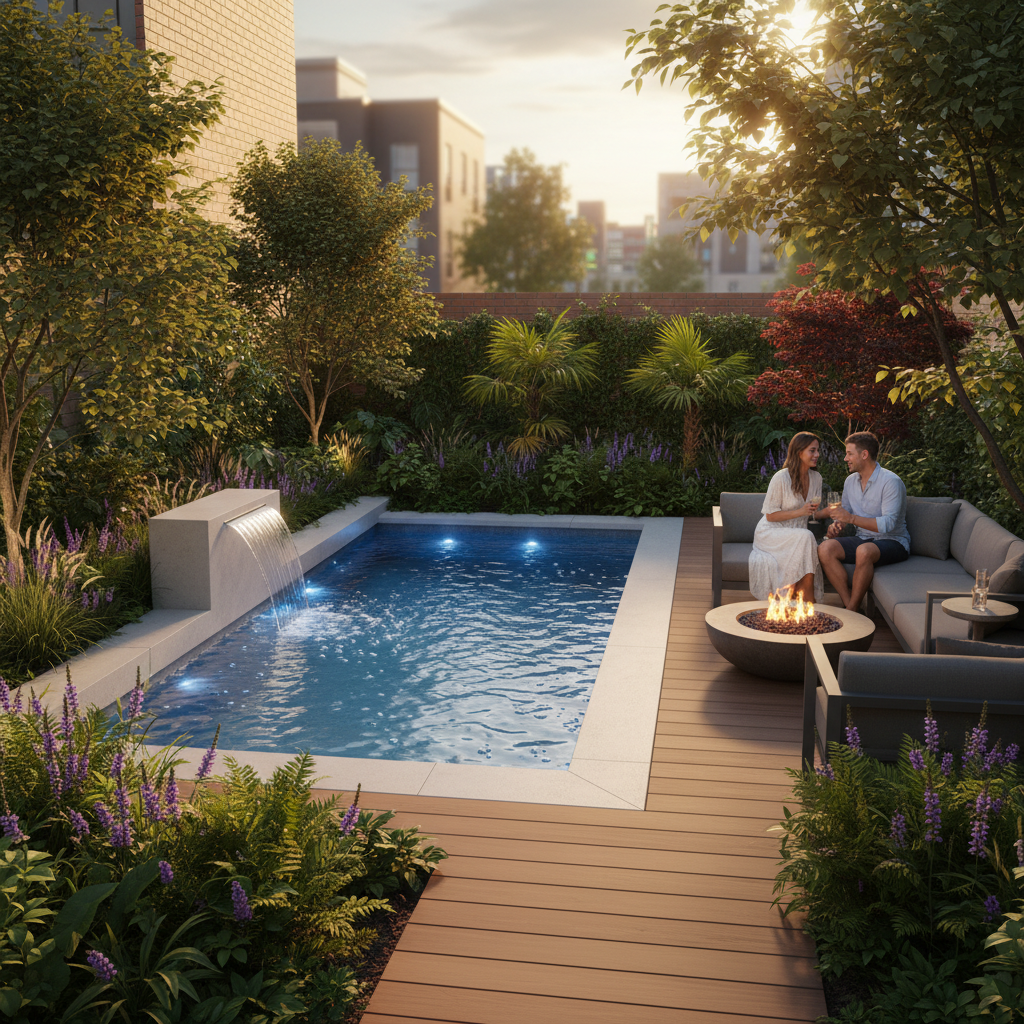
Space-saving backyard pools are specialized swimming pools designed to fit within compact or irregularly shaped outdoor areas, enabling homeowners to enjoy the benefits of a pool without requiring extensive yard space. These pools, which include plunge pools, cocktail pools, lap pools, circular pools, and above-ground models, cater particularly to urban residences and neighborhoods where land availability is limited. By optimizing pool dimensions and integrating multifunctional design elements, space-saving pools provide a practical and stylish solution for enhancing small outdoor spaces.
The rising popularity of these compact pools is driven by their flexibility, health benefits, and potential to increase property value. Besides offering opportunities for exercise and relaxation, space-saving pools often incorporate energy-efficient technologies and sustainable materials that minimize environmental impact and reduce long-term maintenance costs. Their adaptability—ranging from semi-permanent above-ground options to custom-designed in-ground installations—allows homeowners to tailor pools to their lifestyle needs and budget constraints.
Design principles emphasize maximizing utility and aesthetics through features such as spa jets, waterfalls, integrated seating, and smart automation systems, all while blending seamlessly with surrounding landscaping. Despite these advantages, challenges including local regulatory compliance, spatial limitations, and installation complexities require careful planning and professional expertise to ensure successful pool integration.
Overall, space-saving backyard pools represent an innovative approach to outdoor living that balances luxury, sustainability, and practicality within limited spaces. As environmental awareness and smart home technologies advance, these pools continue to evolve, offering homeowners customizable and eco-conscious aquatic retreats that enhance both lifestyle quality and property appeal.
Overview of Space-Saving Backyard Pools
Space-saving backyard pools are designed to maximize the utility and aesthetic appeal of compact outdoor areas, offering homeowners the luxury of a pool without requiring extensive yard space. These pools come in various styles and dimensions, often tailored to fit small or irregularly shaped backyards, making them ideal for urban homes or neighborhoods where space is limited. Common types of space-saving pools include plunge pools, cocktail pools, lap pools, circular pools, and above-ground pools. Plunge and cocktail pools typically measure around 10 by 16 feet with depths of about 4 feet, focusing on relaxation and quick cool-offs rather than extensive swimming. Lap pools, on the other hand, are narrow and rectangular, generally providing at least 40 feet in length to accommodate swimming laps within a confined width, sometimes as narrow as 8 feet. Circular pools are popular for small backyards due to their smooth curves and space-efficient design, serving as stylish focal points that blend well with outdoor living areas.
Above-ground pools present a flexible solution for limited spaces, offering ease of installation and adaptability. They can be integrated into raised decks or patios to achieve the look of an in-ground pool while maintaining practical space efficiency. These pools also tend to be semi-permanent, allowing homeowners to modify their outdoor spaces as needed. In addition to shape and size, the integration of features such as spa jets, waterfalls, heating systems, and water features can enhance the functionality and luxury of these compact pools. Design strategies often focus on seamless blending of the pool with surrounding hardscape materials like natural stone or sleek metal finishes, which not only complement the pool’s aesthetics but also visually expand the backyard area. Advances in energy-efficient heating and lighting technologies further contribute to making space-saving pools both environmentally friendly and cost-effective.
Benefits of Space-Saving Backyard Pools
Space-saving backyard pools offer a range of advantages that extend beyond mere aesthetics, making them an increasingly popular choice for homeowners with limited outdoor areas. One of the primary benefits is their flexibility. Above-ground and smaller pools can be taken down or modified seasonally, allowing homeowners to reclaim backyard space for other activities or reduce maintenance during off-seasons. This adaptability makes them particularly appealing for those who want a pool without permanently sacrificing yard space.
In addition to providing a convenient exercise option, space-saving pools contribute significantly to physical and mental wellbeing. Swimming laps and engaging in water aerobic exercises enhance cardiovascular health, flexibility, balance, and sleep quality, while also reducing stress and anxiety. For homeowners aged 45 and older, prioritizing practical and affordable designs ensures that these pools complement their lifestyle and budget without overwhelming their yard.
From a design perspective, compact pools can serve as beautiful focal points that enhance property appeal. Whether opting for plunge pools, narrow lap pools, or corner placements, smart design choices maximize limited backyard areas without compromising style or functionality. Such designs not only optimize space but also increase the overall value of the home, with some real estate agents noting that well-designed pools can significantly boost a property’s marketability and selling price.
Furthermore, modern trends emphasize eco-conscious and sustainable pool designs. Utilizing energy-efficient systems, sustainable materials, and drought-tolerant landscaping helps reduce environmental impact and lowers long-term operational costs, aligning with the growing desire to enjoy outdoor spaces responsibly. These features, combined with automated systems for lighting, temperature control, and maintenance, create a resort-like retreat that is both comfortable and environmentally friendly.
Lastly, space-saving pools often require less complex winterization than traditional large pools. Swim spas and smaller heated pools offer year-round usability and lower maintenance demands, making them an efficient and practical alternative for homeowners in colder climates. Overall, space-saving backyard pools provide a multifaceted solution that enhances outdoor living, supports health and wellness, and increases property value, all while fitting comfortably into smaller yards.
Design Principles and Features
Designing a space-saving backyard pool requires balancing functionality, aesthetics, and safety within limited outdoor areas. One key principle is maximizing the use of available space without overwhelming the yard, which often involves selecting compact pool dimensions—typically under 10′ x 20′—that complement the existing landscape. Thoughtful integration with features such as patios, gardens, or outdoor kitchens enhances the overall outdoor living experience, transforming small backyards into inviting retreats.
The layout of small pools should prioritize versatility and multifunctionality. Custom designs can include built-in seating, steps, shallow wading areas, and integrated decks crafted from composite materials or natural wood, all of which optimize usability while enhancing visual appeal. Multi-level pool designs that incorporate varying depths, seating, and built-in features allow for efficient use of vertical space, adding both function and aesthetic depth without expanding the pool’s footprint.
Material choice plays a critical role in both durability and design quality. Fiberglass, textured stone, and light-colored tiles are favored for their longevity, safety, and ability to create a sophisticated appearance in compact pools. Additionally, the sleek use of dark mosaic tiles for pool interiors paired with light grey stone edges can impart elegance and a modern geometric aesthetic, elevating the backyard’s visual appeal.
Smart technology integration is another important feature in modern small pool design. Automated systems for lighting, temperature control, and maintenance enhance comfort and convenience, transforming the backyard into a resort-like retreat while adding value to the home. Above-ground pools remain a popular choice for small yards due to their affordability, ease of installation, and customization options. These pools often use vinyl or fiberglass liners, which provide a balance of practicality and style.
Safety and entertainment needs must be balanced carefully in confined spaces. Incorporating space-saving outdoor furniture, built-in benches with cushioned seating, and sunshade structures like pergolas can create cozy and functional areas for relaxation and socializing without cluttering the yard. Designers also focus on creating dynamic sightlines by positioning pools in corners or other underutilized areas, ensuring the pool feels integrated naturally within the existing landscape flow.
Finally, a well-organized construction process is vital for achieving a successful small pool installation. Clear timelines, regular communication with custom pool specialists, and flexible planning help optimize every inch of the space, address challenges unique to small backyards, and ensure the project remains on track from design through completion. Overall, these principles and features demonstrate how small pools can be both practical and visually stunning additions that enhance outdoor living even in limited spaces.
Materials and Construction Methods
When selecting materials and construction methods for space-saving backyard pools, it is essential to balance aesthetics, durability, maintenance, and cost. The three primary types of inground pool construction are concrete, vinyl, and fiberglass, each with distinct advantages suited to various backyard layouts and budgets.
Concrete pools are the most popular and versatile option, allowing for customization in size, shape, and depth, which makes them ideal for both small and large backyards. Concrete can also be used as a paving and cladding material around the pool, offering various colors, textures, and patterns to enhance the outdoor landscape. It is the most common hardscape material due to its durability and compatibility with different design styles. However, concrete pools typically require a longer construction period—often several months—and involve higher material costs averaging around $50,000 or between $70 to $310 per square foot, depending on the method and foundation.
Vinyl liner pools represent a more affordable alternative with lower upfront costs and faster installation times than concrete, although they may require liner replacements over time and generally do not retain their value as well. Installation involves excavation, pouring the pool basin, applying the vinyl liner, and sealing before filling. Despite their cost advantage, adding custom features such as tanning ledges or steps can increase expenses, potentially reducing the economic benefits.
Fiberglass pools offer a rapid installation process, often completed within days after excavation, as they are pre-manufactured and delivered in one piece. This method minimizes backyard disruption and enables incorporation of diverse shapes, sizes, and design elements such as waterfalls, tanning ledges, and spillways that can double as attractive water features. Fiberglass pools combine elegance with practical design flexibility, making them a strong candidate for compact or irregularly shaped backyards.
Above-ground pools provide a practical solution for small yards due to their ease of installation and flexibility. They can be integrated into raised decks or patios to mimic the appearance of inground pools while saving space. These pools are semi-permanent and can be dismantled if necessary, offering homeowners adaptability in limited spaces.
Eco-friendly construction options are increasingly popular for sustainable backyard pool designs. Natural materials like bamboo, known for its durability and rapid renewability, are utilized in structural elements, decking, and fencing to blend the pool area with the natural environment. Additionally, sustainable practices such as minimal excavation using helical piers and permeable paving reduce environmental impact and maintain the backyard’s natural landscape.
Ultimately, choosing the right materials and construction methods depends on the specific site conditions, design preferences, and budget considerations, all of which contribute to creating a space-saving pool that transforms outdoor spaces into inviting and functional retreats.
Installation Requirements and Challenges
Installing a space-saving backyard pool involves several critical requirements and challenges that homeowners must consider to ensure a successful project. One of the primary steps is to check local zoning laws and pool regulations, including setbacks—the minimum distance required between the pool and property lines—as well as any requirements set by homeowner associations (HOAs) or town authorities. Understanding these regulations early on helps minimize delays and unexpected complications during construction.
Excavation is a significant part of the installation process for in-ground pools, which can be complicated by factors such as bedrock, groundwater, or other subterranean obstructions. Access for large construction equipment is essential, especially in smaller backyards where maneuvering heavy machinery may be restricted. The excavation and installation timeline varies depending on the pool type; for instance, vinyl liner pools typically take several weeks to install due to the excavation, pouring, liner application, and sealing processes, whereas fiberglass pools can often be installed in as little as three days after excavation.
Material choice also presents aesthetic and practical challenges. Vinyl liner pools, while often more affordable, may be perceived as less refined or visually appealing compared to other options, potentially affecting homeowner satisfaction with the final design. Additionally, homeowners who choose a DIY approach to installation should budget carefully, as material costs alone can amount to two-thirds of the total expense, excluding equipment rental and the potential risk of costly repairs from installation errors. For those without construction experience, acting as a general contractor and managing professional teams may be a safer alternative to fully DIY installation.
In small backyard settings, maximizing limited space introduces unique challenges such as integrating necessary features like filtration systems, lighting, and landscaping without overcrowding the area. Achieving a balance between entertainment, relaxation, storage, safety, and style requires smart design strategies and careful planning to utilize every inch effectively. Working with reputable custom pool specialists who provide clear timelines and regular communication can greatly enhance the installation experience by ensuring that progress is steady and any obstacles are promptly addressed.
Landscaping and Outdoor Integration
Integrating a pool into a small backyard requires thoughtful landscaping and design choices to maximize space while maintaining aesthetic appeal and functionality. One effective approach is to blend the pool seamlessly with natural elements such as stone, plants, and hardscape materials, creating a serene and organic atmosphere that enhances the overall outdoor experience.
Hardscape materials play a crucial role in defining the pool area and harmonizing it with the surroundings. Concrete remains the most common and durable choice for pool decks, offering construction ease and longevity. Tiles are also widely favored for their elegance, versatility, and weather resistance, available in various colors, textures, and materials such as ceramic, terracotta, quarry, and mosaic. These materials not only elevate the poolside’s visual appeal but also ensure easy maintenance and durability in outdoor conditions.
Decorative stone elements can further enrich the landscape by serving as pathways, borders, or retaining walls around the pool area. Using natural-edge pavers and strategically placed rocks can soften the hard lines of the pool and create a more natural, inviting environment that integrates well with surrounding garden beds and plants. Matching the scale of stones to garden features is important to maintain visual balance and avoid disproportionate contrasts.
Plant selection is another key factor in successful poolside landscaping, particularly for small spaces. Opting for low-maintenance, drought-tolerant, and heat-resistant plants ensures longevity and reduces upkeep while providing privacy, shade, and vibrant greenery. Suitable options include evergreen trees like palm varieties (Majesty, Areca, Windmill, Jelly Palms), olive trees, and crape myrtle for multi-season interest. Additionally, xeric perennials and ornamental grasses such as daylilies, sedum, yuccas, and muhly grass thrive in pool microclimates characterized by intense light and heat.
Beyond aesthetics, landscaping elements such as garden arches with benches can create comfortable outdoor seating areas that complement the pool, enhancing the functionality and enjoyment of limited backyard space. Thoughtful design allows every square foot to be maximized, transforming compact yards into inviting aquatic retreats without sacrificing style or comfort.
Maintenance and Upkeep
Proper maintenance is a crucial consideration when investing in space-saving backyard pools, as it directly impacts both long-term costs and environmental footprint. Natural pools, for example, are designed to last for decades with minimal upkeep due to their reliance on plants and natural filtration systems instead of chemicals. Although these systems may require more attention than traditional pools, their environmental benefits and aesthetic appeal make the extra effort worthwhile.
Saltwater pools offer another maintenance advantage by reducing the amount of chemicals needed compared to conventional chlorine pools. Since both systems use similar pool chemicals, the main difference lies in the cost and frequency of salt or chlorine replacement, with saltwater pools generally demanding less frequent chemical input and lower ongoing expenses. Moreover, energy-efficient pumps tailored for saltwater environments help keep energy consumption low while maintaining water quality.
In contrast, traditional in-ground pools often involve more complex maintenance demands. Excavation and construction can be hindered by site conditions
Environmental Impact and Sustainability
The integration of space-saving backyard pools with eco-friendly design principles presents a compelling opportunity to reduce the environmental footprint of residential outdoor spaces. Sustainable pool designs emphasize energy efficiency, water conservation, and the use of environmentally responsible materials to create leisure areas that harmonize with natural ecosystems.
Water conservation is a critical aspect of sustainable pool management. Compact pools inherently use significantly less water, making them ideal for regions where water resources are scarce. Additionally, maintaining a slightly lower water level helps minimize water loss from splashing, while the regular use of pool covers can reduce evaporation by 90 to 95%, saving thousands of gallons annually. Innovative water-saving techniques such as rainwater harvesting and recycling filtration systems further reduce freshwater consumption and support sustainable water management practices. By using alternative pool sanitation systems—such as saltwater, ozone, or mineral-based treatments—owners minimize chemical use and mitigate pollution risks to surrounding soil and water sources.
Energy efficiency in pool heating and maintenance is another focal point of sustainable pool designs. Heat pumps are recognized by the Environmental Protection Agency (EPA) as a highly energy-efficient alternative to traditional gas heaters, utilizing ambient air to transfer heat at a fraction of the operating cost and environmental impact. Though heat pumps operate more slowly than gas heaters, their consistent, low-energy consumption makes them preferable for reducing carbon emissions and utility expenses over time. Moreover, covered pools conserve 30 to 50 percent of water otherwise lost to evaporation and 50 to 70 percent of heating energy, significantly lowering the overall environmental burden of pool upkeep.
Material selection plays a vital role in enhancing the sustainability of backyard pools. Using permeable paving materials for pool decks helps reduce stormwater runoff and soil erosion, allowing water to naturally infiltrate the ground. Incorporating recycled and repurposed materials—such as recycled steel, aluminum, glass tiles, and reclaimed wood—lowers embodied energy in construction and reduces waste without compromising aesthetics or durability. Plant-based materials like bamboo offer renewable, visually appealing alternatives for decking and structural elements, contributing to a greener footprint. Furthermore, designing pools with minimal excavation, including above-ground or helical pier-supported structures, helps preserve existing landscapes and local wildlife habitats.
Beyond the practical environmental benefits, sustainable pools foster biodiversity by creating natural habitats for local fauna, enriching the backyard ecosystem. This ecological synergy, combined with the efficient use of resources, positions eco-friendly, space-saving pools as smart, responsible choices for homeowners seeking to transform their outdoor spaces into beautiful, sustainable retreats.
Impact on Outdoor Living and Property Value
Incorporating a space-saving backyard pool can significantly enhance outdoor living by creating a versatile and inviting environment without overwhelming limited yard space. Compact pools, especially when strategically positioned—such as in corner installations—optimize underutilized areas and contribute to a natural flow within the backyard, serving as a dynamic focal point that complements existing landscape features. Multi-level designs that include varying depths and integrated seating further maximize functionality, enabling homeowners to enjoy both relaxation and entertainment within a confined footprint.
Adding amenities like poolside loungers, automated lighting, temperature control systems, and even a cabana can transform the space into a resort-like retreat, enhancing both comfort and visual appeal. These smart features elevate the usability of the pool area, making it an ideal setting for social gatherings or peaceful solitude, which is especially valuable in smaller yards where every square foot counts.
From an ecological perspective, using sustainable materials such as bamboo for decking or fencing and incorporating permeable paving reduces environmental impact by supporting local wildlife habitats and improving water absorption, thus minimizing runoff and erosion. These eco-friendly choices not only benefit the environment but also contribute to the long-term economic efficiency of the pool installation.
Regarding property value, well-designed pools can provide a substantial return on investment. Homes equipped with resort-style pools have been known to sell for $50,000 or more above the asking price, sometimes attracting buyers even before the interior of the home is viewed. While larger pools require higher maintenance costs, small backyard pools balance upkeep with aesthetic and functional benefits, making them a wise addition for many homeowners seeking to enhance their outdoor space without excessive ongoing expenses.
Ultimately, integrating a space-saving pool into a backyard is a thoughtful exercise in design and practicality that enriches outdoor living experiences while boosting property desirability and market value.
Challenges and Limitations
Small backyard pools offer numerous benefits, but they also come with distinct challenges and limitations that homeowners must consider. One of the primary difficulties involves managing limited space, which necessitates creative solutions to integrate essential features such as filtration systems, lighting, and landscaping without overcrowding the area. Balancing functionality with aesthetic appeal is crucial, as small pool areas must serve multiple purposes—entertainment, relaxation, storage, safety, and style—within tight spatial constraints.
Compliance with local regulations presents another layer of complexity. Homeowners need to ensure that their pool installation meets requirements related to setbacks, fencing, and safety measures, which can be more restrictive in smaller yards. Additionally, selecting the appropriate pool design requires prioritizing practicality and affordability, especially for homeowners aged 45 and above, who are advised to choose space-saving options that complement their yard’s size without excessive cost.
Budgetary considerations extend beyond initial construction to include ongoing maintenance. While some materials like vinyl pools may reduce upfront expenses and upkeep, concrete pools offer greater customization but often at higher costs. DIY installation might appear cost-effective but carries risks such as potential repair expenses from errors, suggesting that experienced individuals consider managing professional contractors instead.
Despite these challenges, small pools typically demand less maintenance time and fewer chemicals, making routine care simpler than for larger pools. Winterizing is also less intensive, aided by compact pool covers designed for easy use. Nevertheless, homeowners must carefully assess available space, local codes, and budget constraints before committing to a small pool project to ensure a successful and enjoyable outdoor retreat.
Future Trends and Innovations
In 2024, the future of backyard pools is moving towards smart, eco-conscious designs that prioritize both environmental sustainability and user convenience. These innovative pools incorporate energy-efficient systems such as variable speed pumps, high-efficiency heaters, and advanced lighting options to reduce energy consumption and lower utility bills significantly. The integration of automated smart features allows for seamless control over temperature, lighting, and maintenance, transforming outdoor spaces into resort-like retreats while minimizing environmental impact.
Material selection is also evolving, with a growing emphasis on sustainable and recycled materials. Recycled steel or aluminum frames, recycled glass tiles, and reclaimed wood for decking are becoming popular choices, as they reduce energy consumption and operational costs without sacrificing quality or aesthetics. Plant-based and bio-based materials, like bamboo composites, add both sustainability and visual appeal to pool designs. Additionally, sustainable pool liners made from recycled plastics and the use of local stone for decking help decrease the overall environmental footprint and support healthier ecosystems.
Alternative pool systems are another key innovation. Saltwater, ozone, and mineral-based filtration systems minimize the reliance on harmful chemicals traditionally used in pool maintenance. These alternatives reduce chemical runoff during heavy rains, thus preventing soil and water pollution, and contribute to significant water conservation efforts. This shift towards chemical-minimizing technologies helps pool owners create healthier and more eco-friendly backyard environments.
Design-wise, space-saving innovations are gaining traction, especially for compact backyards. Creative geometric shapes, multi-functional features, and above-ground pools integrated with raised decks or patios optimize limited space while maintaining aesthetic and functional appeal. The thoughtful layout of pools continues to focus on maximizing natural energy efficiencies and water conservation, aligning with broader sustainability goals.
Case Studies and Examples
One notable example of effective space-saving backyard pool design is the compact Jamaica pool, which occupies less than 200 square feet. Despite its small footprint, this pool offers ample fun and functionality, demonstrating that limited space does not necessarily mean sacrificing enjoyment. Such compact pools are often chosen for their efficiency in installation time and ease of maintenance, making them appealing options for homeowners with smaller yards.
Another successful approach involves corner installations, which make use of otherwise underutilized areas of a yard. These placements not only optimize spatial efficiency but also create dynamic sightlines, allowing the pool to serve as a striking focal point that integrates naturally with the existing landscape. Multi-level pool designs further enhance small backyard functionality by incorporating varying depths, integrated seating, and built-in features that maximize usability without expanding the overall footprint.
Above-ground pools provide a flexible alternative for homeowners seeking semi-permanent solutions. These pools can be set up and taken down with relative ease and are often complemented by custom-built pool decks to facilitate access and provide a cohesive, built-in appearance. This adaptability is especially beneficial in tight spaces where permanent installations may be impractical.
In addition to spatial considerations, careful selection of surrounding hardscape materials plays a crucial role in harmonizing the pool area with the rest of the outdoor environment. Concrete, being one of the most common and durable materials, is frequently utilized around pools due to its ease of construction and maintenance, contributing to a seamless and inviting backyard aesthetic.
Collectively, these case studies illustrate a variety of creative and practical solutions for maximizing limited backyard spaces. By combining thoughtful placement, versatile pool types, and complementary landscaping elements, homeowners can transform even the smallest outdoor areas into stylish, functional retreats that align with their lifestyle and design preferences.
The content is provided by Harper Eastwood, Front Signals