Summary
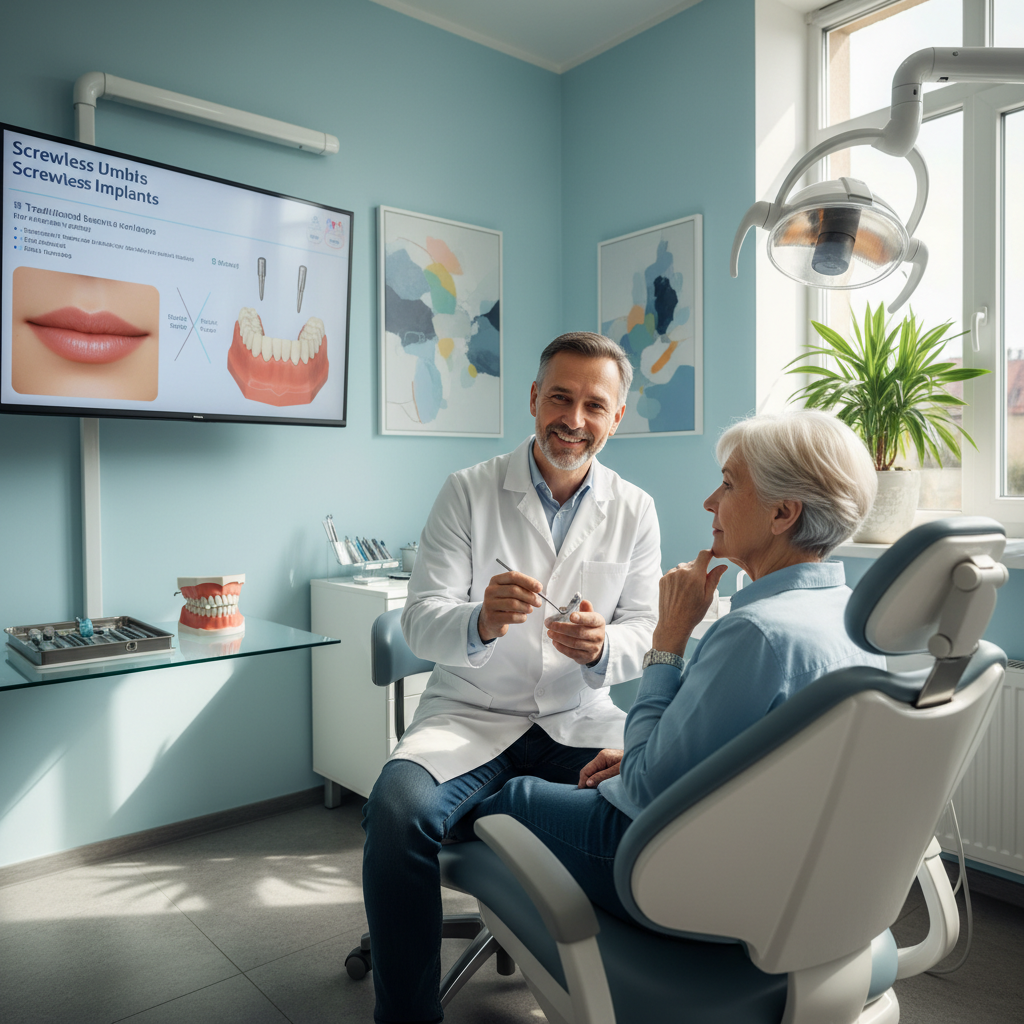
Screwless dental implants represent an innovative advancement in oral rehabilitation, particularly benefiting senior patients seeking effective and aesthetically pleasing tooth replacement solutions. Unlike traditional screw-retained implants, screwless systems secure prosthetic crowns using friction-fit, locking taper, or adhesive mechanisms, eliminating the need for visible screw access holes and reducing mechanical complications such as screw loosening or fracture. This design offers a more natural appearance and improved comfort, which are especially valued in the anterior dental regions where esthetics are paramount.
For seniors, screwless dental implants provide several notable advantages, including enhanced ease of maintenance, fewer required dental visits, and potentially better long-term osseointegration and stability due to reduced mechanical stresses on the implant. These benefits contribute to improved oral function, patient confidence, and overall quality of life, making screwless implants an increasingly popular choice among older adults facing challenges related to mobility, healing capacity, and bone health.
Despite their promising clinical success—demonstrated by survival rates comparable to conventional screw-retained implants—screwless implants carry specific considerations and potential risks. The use of cement retention introduces the risk of residual cement-induced peri-implantitis, a serious inflammatory condition that can compromise implant longevity if not carefully managed. Furthermore, seniors often present with systemic health issues and diminished bone quality that require thorough evaluation and individualized treatment planning to optimize outcomes and minimize complications.
Ongoing advancements in screwless implant technology, including improved bonding agents, refined locking taper mechanisms, and integration with digital design techniques, continue to enhance the predictability and patient-centered benefits of this approach. While screwless implants are not universally suitable for all patients, their unique combination of esthetic, functional, and maintenance advantages marks them as a significant option in modern implant dentistry for the elderly population.
Overview of Dental Implants
Dental implants are widely recognized as a reliable and effective solution for replacing missing teeth. Among various types, endosteal dental implants are the most commonly used, offering several clinical advantages over alternative treatments such as partial dentures. These advantages include the preservation of bone, the conservation of adjacent tooth structure, and resistance to dental caries. Traditional dental implants typically utilize a screw-retained system, wherein a titanium post anchored in the jawbone supports an artificial tooth (crown) via a screw connection. This method has long been favored for its mechanical stability and ease of maintenance, particularly in posterior teeth.
However, advancements in dental implant technology have introduced screwless, or cement-retained, dental implants as a modern alternative. These systems eliminate the need for visible screw access holes by using friction-fit, locking taper, or adhesive mechanisms to secure the prosthetic crown to the implant abutment. Such designs aim to simplify the restorative process, enhance aesthetic outcomes, and reduce mechanical complications associated with screw loosening or fracture. Screwless dental implants are especially advantageous in anterior regions where esthetics are paramount, providing a seamless appearance that closely mimics natural dentition.
The choice between screw-retained and screwless implant systems should be carefully considered based on individual clinical circumstances, patient preferences, and long-term maintenance requirements. Both types have demonstrated high survival rates and favorable clinical outcomes when appropriately selected and managed. Ultimately, dental implants—whether screw-retained or screwless—have revolutionized oral rehabilitation by offering durable, natural-looking, and stable solutions for tooth replacement, significantly improving patients’ oral function and quality of life.
Advantages of Screwless Dental Implants for Seniors
Screwless dental implants offer numerous benefits for seniors seeking dental restoration, making them an increasingly popular alternative to traditional screw-retained implants. One significant advantage is the enhanced aesthetic appeal. Since screwless implants use dental cement to bond the crown directly to the abutment, there is no need for a visible screw hole on the crown, resulting in a more natural-looking smile, especially in highly visible areas like the front teeth. This seamless appearance improves patient confidence and satisfaction with their dental restoration.
Another key benefit is improved comfort and functionality. By eliminating the screw component, screwless implants avoid issues related to screw loosening or fracture, which can cause discomfort and require additional dental visits for adjustments. Seniors often report easier daily activities such as chewing and speaking due to the smoother fit and absence of hardware-related complications. This also simplifies oral hygiene routines, as there are fewer mechanical parts to clean around, reducing the risk of plaque accumulation and subsequent inflammation.
Screwless implants also streamline the treatment process. The cement-retained crowns generally require fewer dental visits compared to screw-retained restorations, as there is no need for the complex insertion of screws and subsequent adjustments. This efficiency is particularly beneficial for seniors who may have mobility or health-related challenges that make frequent dental appointments difficult.
Additionally, the design of screwless implants promotes better osseointegration with the jawbone, which can contribute to improved long-term success rates and durability. The absence of screws reduces mechanical stresses that could compromise the implant’s stability over time, potentially decreasing failure rates compared to traditional methods.
Finally, while the initial cost of screwless dental implants may be higher due to advanced technology, many seniors find that the benefits of enhanced aesthetics, comfort, and reduced complications justify the investment. The overall improved patient satisfaction and quality of life following implant-supported restoration highlight the value of choosing screwless implants.
Clinical Success Rates and Research Evidence
Screwless dental implants, which utilize friction-fit, locking taper, or adhesive mechanisms instead of traditional screw-retained abutments, have demonstrated excellent clinical success and mechanical reliability. A clinical study involving 170 screwless implants reported a cumulative survival rate of 98.2%, with a low prevalence of both biological and prosthetic complications. This survival rate is comparable to that of conventional screw-retained dental implants, making screwless systems a viable alternative for suitable patients.
Long-term maintenance and consistent care are critical to ensuring the durability of screwless implants. With proper hygiene and regular follow-up, these implants can last over 25 years, supporting sustained oral health and patient satisfaction. Clinicians must carefully consider individual patient factors and clinical circumstances when selecting screwless systems, balancing the advantages of improved retention and aesthetics with potential biological risks.
Beyond implant-specific outcomes, dental implant rehabilitation in general has been shown to significantly improve patient satisfaction, especially in terms of oral function and quality of life. Studies indicate that implant-supported prostheses enhance the stability of conventional dentures, leading to improved chewing ability and overall patient happiness, particularly in fully edentulous patients. Additionally, immediate loading protocols in implant placement have been associated with higher levels of patient satisfaction compared to other surgical approaches.
It is important to note that despite high success rates, thorough patient evaluation remains essential to determine suitability for implant treatment and to mitigate potential risks and complications associated with the procedure. Long-term collection and analysis of clinical data continue to be vital for assessing the outcomes of dental implant systems and refining treatment protocols.
Safety Profile and Potential Risks
Dental implants, including screwless systems, generally have a well-established safety profile due to their use of biocompatible materials such as titanium or zirconium oxide, which are certified and regulated to ensure patient safety and product reliability. In the UK and other regulated regions, dental implants undergo stringent testing and quality assurance to meet high clinical standards, providing reassurance for their use in senior patients. Despite these positive safety attributes, careful patient evaluation remains essential to determine suitability for implant treatment, particularly in seniors who may present with underlying medical conditions or risk factors that could affect outcomes.
While dental implants boast high success rates, several potential risks and complications may arise, some of which are more pronounced in older adults. Infection at the implant site is a common concern, with peri-implantitis—an inflammatory bacterial infection around the implant—being a notable complication. This condition is influenced by factors such as inadequate oral hygiene, implant design and positioning, smoking, systemic health status, and a history of periodontal disease. Symptoms may include redness, swelling, pain, bleeding upon probing, and pus discharge, which if left untreated can lead to implant loosening or failure. Seniors with weakened immune systems or chronic illnesses like diabetes may be particularly susceptible to infections and delayed healing.
Healing delays in older patients can also result from reduced cellular regeneration, concurrent medication use (e.g., blood thinners), and other chronic health conditions, potentially complicating the post-surgical recovery phase. Surgical risks, such as nerve damage, sinus perforation, or excessive bleeding, although uncommon, remain important considerations when planning implant placement.
Specific to the choice between screw-retained and cemented crowns on implants, cemented restorations carry an additional risk related to excess dental cement, which if not thoroughly removed, can irritate the surrounding gums and contribute to peri-implant inflammation or peri-implantitis. This risk underscores the importance of meticulous clinical technique and patient follow-up, especially in seniors who may have compromised tissue health. Screwless implant systems may mitigate some maintenance challenges, although their relatively newer introduction means there is limited long-term data on their success and durability, necessitating thorough discussion between patients and clinicians.
Limitations and Contraindications
While screwless dental implants offer numerous benefits, there are important limitations and contraindications that must be considered, particularly in senior patients. Contraindications refer to underlying symptoms or medical conditions that may disqualify a patient from implant treatment due to safety concerns. A thorough evaluation of the patient’s overall health is essential to determine suitability for implant surgery, as various systemic conditions can increase the risk of complications and implant failure.
Key health issues that can negatively impact implant outcomes include cardiovascular disease, diabetes, osteoporosis, cancer, rheumatic diseases, and nutritional deficiencies. These conditions, along with the medications required to manage them, may affect surgical success, wound healing, and long-term implant stability. For example, poorly controlled diabetes is associated with delayed healing and increased infection risk, which can compromise implant integration and longevity. Additionally, heavy smoking has been identified as a significant risk factor for implant failure, further emphasizing the need for careful patient selection and management.
Bone quality and quantity represent another critical limitation, especially for older adults who often experience bone loss. Adequate bone density is necessary to provide a strong foundation for implant placement. In cases of insufficient bone volume, adjunctive procedures such as bone grafts may be required to restore the necessary support. Marginal bone loss (MBL) remains a concern in implant therapy, as it can affect clinical outcomes and prosthesis longevity. Although screwless implants have demonstrated favorable osseointegration and reduced bone resorption compared to traditional systems, multifactorial reasons for MBL and implant failure still exist and are not fully understood.
Clinicians must also weigh the trade-offs between the retention benefits of screwless implants and potential biological or prosthetic complications. Despite a high cumulative survival rate reported for screwless systems, factors such as esthetic limitations—especially in anterior teeth—and maintenance requirements should guide treatment decisions tailored to individual clinical circumstances. Moreover, while screwless implants reduce the risk of screw loosening and fracture, they are not entirely free from complications that can prolong treatment time and affect patient satisfaction.
Design Features Beneficial to Elderly Patients
Screwless dental implants incorporate unique design elements that offer several advantages particularly relevant to elderly patients. Unlike traditional screw-retained implants, screwless systems use dental cement or a locking taper mechanism to attach the crown to the implant abutment, eliminating the need for visible screw access holes. This results in a more natural-looking restoration, which is especially beneficial for front teeth where esthetics are a primary concern.
One of the key design features of screwless implants is the creation of a frictional seal, as seen in locking taper implant systems like the Bicon Dental Implant™. This tight seal helps prevent microleakage, thereby reducing the risk of bacterial infiltration that can compromise gum and bone health. The elimination of screw loosening and micro-movements also contributes to the implant’s longevity and stability, which is crucial for seniors who may have compromised healing capacities.
The use of strong dental bonding agents to secure the crown ensures that the restoration withstands everyday functional forces such as chewing and brushing, providing durability without the mechanical complications sometimes associated with screws. Furthermore, screwless implants often allow for less invasive surgical procedures, making them a suitable option for elderly patients who might have significant bone loss or other health considerations.
Impact on Bone Health and Healing Processes
Aging significantly affects bone health and the body’s ability to heal, which are critical factors in the success of dental implants. With advancing age, cellular renewal slows, tissues lose elasticity, bones weaken, and the immune system’s response diminishes, all of which contribute to increased susceptibility to oral health issues and complications following implant procedures. Specifically, older adults often experience greater bone loss and gum disease, both of which can impede proper osseointegration and healing around implants.
Bone health plays a pivotal role in implant success, as insufficient healthy bone tissue can prevent proper fusion of the implant, increasing the risk of failure. Studies have shown that, over time, marginal bone loss occurs progressively after implant placement, with notable bone level changes between the second stage of implantation and the first year, and continuing through years 8 to 10 post-surgery. For example, mean bone loss was minimal at early stages (0.09 ± 0.28 mm at stage two) but increased to 0.49 ± 0.74 mm after 8 to 10 years, indicating gradual bone remodeling and potential vulnerability over the long term.
Healing processes are often slower in seniors due to reduced cell regeneration, chronic conditions such as diabetes, and medications like blood thinners, which can prolong recovery and increase infection risk. Peri-implantitis, an infection around the implant site, is a common complication exacerbated in older adults with weakened immune systems or chronic illnesses, potentially leading to implant failure if not managed appropriately.
Screwless dental implants offer benefits in this context by reducing mechanical complications that may otherwise impair healing. Their design promotes better osseointegration, potentially enhancing implant stability and bone integration in seniors. However, adequate bone quality and overall health remain essential for successful outcomes, as compromised bone or uncontrolled systemic conditions can delay healing and elevate complication risks.
Maintenance and Long-Term Care Considerations
Proper maintenance and long-term care are essential to ensure the success and longevity of screwless dental implants, particularly for seniors. Daily oral hygiene practices such as brushing, flossing, and routine dental check-ups play a critical role in preventing infections and preserving both the implant and surrounding gum health. Professional cleanings and periodic evaluations allow for early detection of potential complications and help maintain optimal oral conditions.
While screwless implants offer excellent esthetics and reduced mechanical risks, it is important to note that cement-retained crowns—commonly used in these implants—may present challenges if removal or adjustments are necessary. Unlike screw-retained crowns, cemented crowns require careful removal by a dental professional to avoid damage, which can complicate repairs or modifications. Despite this, with proper daily care and regular dental visits, most patients rarely encounter issues requiring crown removal.
Seniors considering screwless dental implants should also undergo a thorough health evaluation prior to surgery. This assessment helps identify any medical conditions or medications that may affect healing and implant integration, reducing risks such as infection, delayed healing, or implant failure. Maintaining excellent oral hygiene and selecting an experienced cosmetic dentist further minimizes surgical risks and contributes to the long-term success of the restoration.
In addition, while screwless implants generally require less intervention, patients should be aware that heavy chewing forces—especially on posterior teeth—might be better supported by screw-retained options to ensure extra security. Ultimately, a detailed discussion with a dental professional can help
Patient Selection and Treatment Planning
A thorough evaluation of the patient’s overall health is essential to determine their suitability for screwless dental implant treatment, especially in senior patients. Despite the generally high success rates of dental implants, potential risks and complications can arise at any age, making careful patient selection critical. Proper analysis, including cumulative survival analysis, is crucial when reporting long-term outcomes and setting realistic expectations for patients undergoing implant placement. This comprehensive approach helps clinicians provide accurate information regarding survival and success rates, as well as possible complications and morbidity, which is vital for obtaining informed consent.
Treatment planning should also consider the patient’s oral health-related quality of life, which encompasses functional, esthetic, and cost-related factors. Preoperative patient expectations significantly influence postoperative satisfaction, with implant-supported reconstructions markedly improving denture stability, oral function, and overall patient happiness. Seniors, in particular, may benefit from these improvements, as enhanced prosthesis stability can contribute to better nutrition and general health.
When choosing between screwless and traditional implant systems, clinicians must weigh the advantages of screwless implants—such as reduced risk of mechanical complications, improved esthetics, and simpler oral hygiene—against individual patient factors and potential biological considerations. Ultimately, individualized treatment planning that integrates comprehensive health assessment, patient expectations, and long-term maintenance needs will optimize outcomes for senior patients receiving screwless dental implants.
Future Trends and Innovations in Screwless Implant Technology
Screwless dental implant technology continues to evolve, driven by the demand for improved aesthetics, patient comfort, and long-term clinical success. One promising innovation is the refinement of locking taper implant systems, which utilize frictional seals to eliminate microleakage—a common issue in early screw-retained designs—thus enhancing implant longevity and reducing complications. These locking taper mechanisms provide a secure, cementless connection between the crown and implant abutment, promoting a tighter seal that helps prevent bacterial infiltration and supports healthier gum and bone tissue.
Advancements in adhesive materials used to bond crowns directly to implant abutments are also improving the durability and natural appearance of screwless implants. Modern dental bonding agents are designed to withstand everyday stresses such as chewing and brushing, ensuring a strong and stable attachment while avoiding visible screw access holes. This results in a more aesthetically pleasing restoration, particularly beneficial for anterior teeth where appearance is paramount.
Looking forward, integration of digital technologies such as computer-aided design and manufacturing (CAD/CAM) is expected to further enhance the precision and customization of screwless implants. These technologies allow for better fit and adaptation of the implant components, potentially improving clinical outcomes and patient satisfaction. Additionally, research continues into bioactive surfaces and materials that may promote faster osseointegration and better long-term stability, which are crucial for elderly patients who often seek predictable and minimally invasive treatment options.
The content is provided by Harper Eastwood, Front Signals