
Summary of DOJ Request
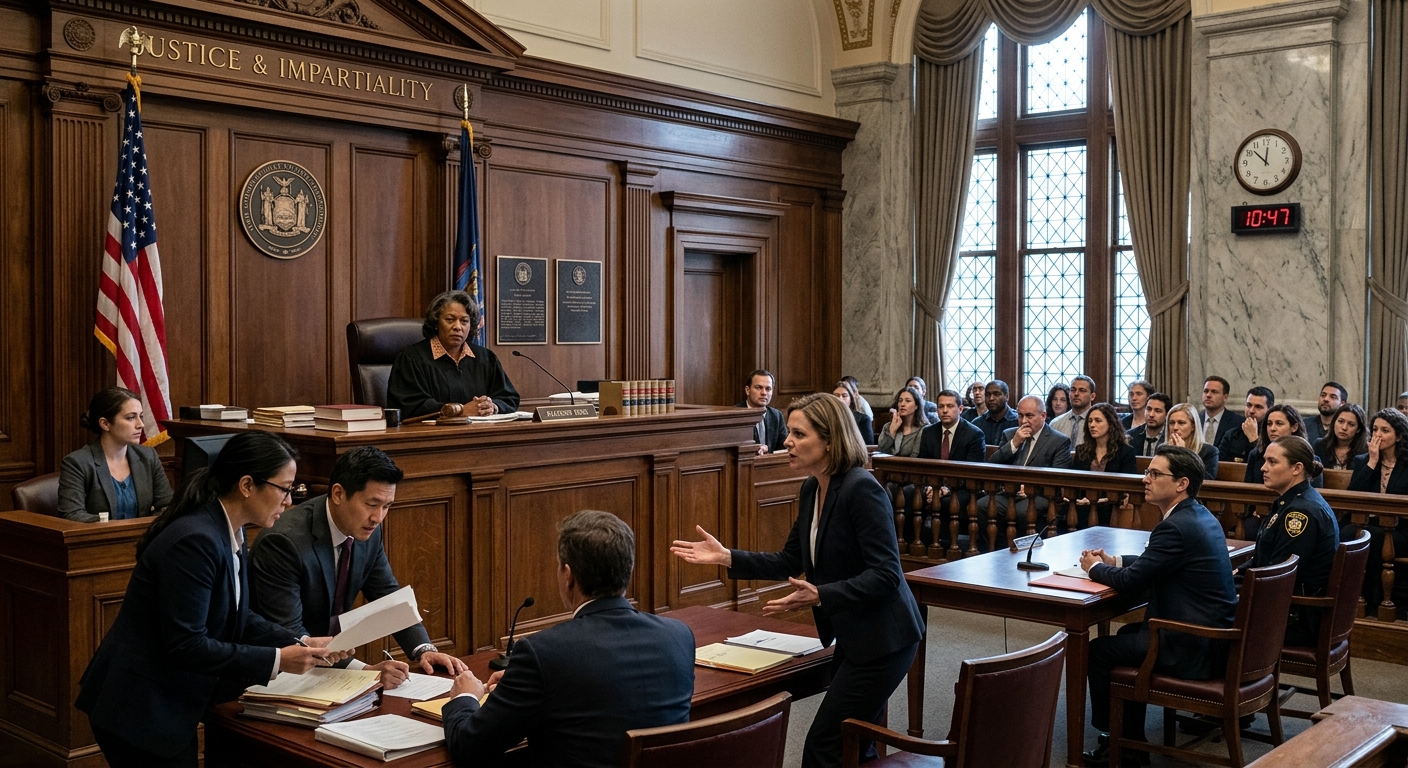
The Department of Justice (DOJ) has asked Judge Eleanor Ross to recuse herself from a federal case involving voter registration records in Georgia. This request stems from an ongoing investigation into allegations of her misconduct, including an inappropriate relationship with an Atlanta police official, which raised concerns about her impartiality. The DOJ emphasized that such issues might undermine public confidence in judicial integrity, especially given her involvement in politically sensitive election matters and previous controversial rulings.
Judge Eleanor Ross’s Background
Eleanor Ross has served as a U.S. district judge in Georgia since 2014, appointed by President Obama. She has a history of making significant rulings on election-related cases, including a notable decision against the delay of voter registrations in Georgia. Recent allegations of misconduct, including an inappropriate relationship, have drawn increased scrutiny, prompting the DOJ’s request for her recusal from the ongoing case regarding the voter registration list.
Implications of the DOJ’s Request
The DOJ’s recusal request arose amid concerns about Judge Ross’s ability to impartially oversee the case against the backdrop of an internal misconduct investigation. Under 28 U.S.C. § 455, judges must step aside if their impartiality is reasonably questioned. This aligns with the fundamental need for a fair legal system where public confidence is paramount. Such scrutiny underscores the challenges the judiciary faces in ensuring accountability, particularly in high-stakes political cases.
Details of Judicial Misconduct Investigation
The judicial misconduct investigation that prompted the DOJ’s request highlighted concerns about Ross’s participation in politically charged events and her alleged inappropriate conduct. While the DOJ mentioned these factors, the focus remains on the potential appearance of bias in election-related cases. The integrity of the judicial process depends on maintaining impartiality, particularly for judges historically involved in political litigation.
Judge Ross’s Response and Next Steps
Despite the DOJ’s request for recusal, Judge Ross has scheduled hearings in the election case, indicating her intent to continue involvement. This raises questions about the adequacy of existing mechanisms to address judicial impartiality when significant ethical concerns arise. Her decision to proceed has garnered attention and sparked debate over the implications for judicial ethics in such contentious matters.
Reactions to the Situation
The DOJ’s motion has prompted considerable dialogue around judicial integrity. Advocates for legal accountability argue that Ross’s alleged misconduct damages public trust in the judicial system. They suggest that her involvement in partisan events creates a perception of bias that could impact the fairness of ongoing proceedings. This incident highlights the broader challenges judicial systems face in maintaining ethical standards, particularly in politically sensitive contexts.
Key Events Timeline
Key events outline the trajectory of Judge Ross’s controversies, beginning with her 2018 ruling against voter registration delays in Georgia. Subsequent scrutiny of her conduct led to investigations that confirmed allegations of misconduct. The DOJ’s request for her recusal from the current case emphasizes the ongoing issues of bias and the standards judges must uphold in politically pressing cases.
Historical Context of Judicial Recusal
Judicial recusal practices are essential to ensuring impartiality in the legal system. Federal laws explicitly define when judges must step aside, particularly in cases where their impartiality could be questioned. Historical precedents show that in politically sensitive cases, the perception of fairness is critical, and judges must weigh both statutory obligations and public confidence in their decisions. The balance between maintaining judicial independence and safeguarding against bias is vital for upholding the rule of law.
The content is provided by Blake Sterling, Front Signals