
Environmental Impact of Data Centers
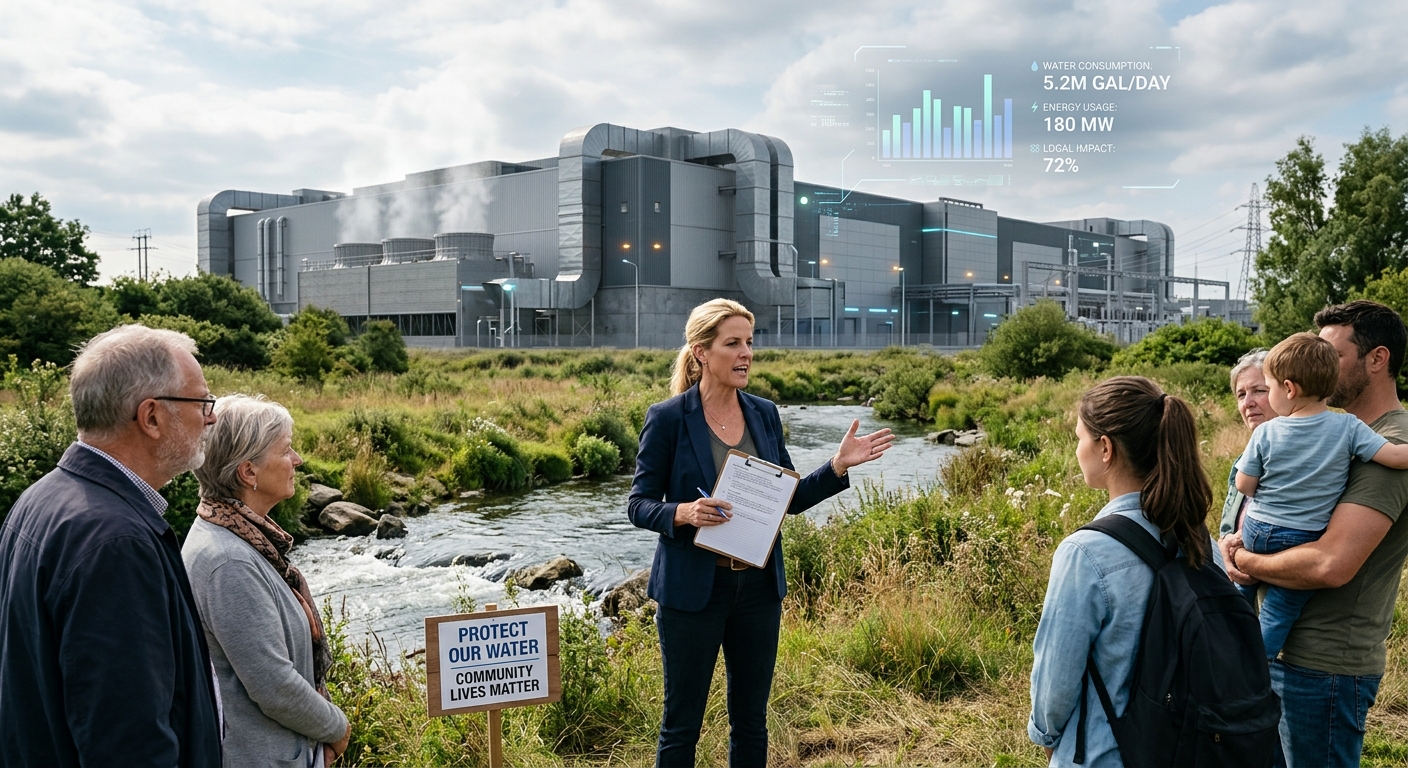
Data centers have rapidly expanded across the U.S., yet their growth raises pressing environmental concerns. Their high energy and water consumption strains local resources, with some facilities drawing enough water to meet the needs of entire small cities. This heavy reliance on cooling water heightens the risk of water depletion in areas already facing scarcity, sparking community protests and regulatory scrutiny.
The electricity used in these data centers largely comes from fossil fuels, resulting in increased greenhouse gas emissions. Communities report rising utility costs, linking these increases to the energy demands of nearby data centers. The rise of electronic waste from frequent hardware updates adds another layer of environmental burden, necessitating responsible disposal practices to mitigate harm.
Community Consequences and Activism
Local communities are feeling the impact of data center expansion, leading to heightened activism and calls for greater transparency and regulation. Grassroots movements are challenging data center projects, emphasizing the need for community health protection and environmental justice. The NAACP and local activists have focused on the adverse effects of data centers, advocating for policies that prioritize public wellbeing, particularly in marginalized neighborhoods.
Residents have mobilized through protests and town hall meetings to express their concerns over escalating electricity bills and health risks, demonstrating a united front across diverse political and social backgrounds. Successful resistance efforts in regions like Pennsylvania showcase the power of community activism in influencing local governance and shaping development debates.
Regulatory Responses and Legislative Actions
In response to the challenges posed by data centers, several states are enacting regulatory measures aimed at ensuring environmental accountability. For instance, legislation in Virginia ties tax credits for data center development to commitments in energy efficiency. Similarly, some states—like New York—are considering moratoriums on new permits, allowing time for regulators to understand the implications of data center growth on local communities.
Comprehensive reporting requirements are also being proposed to enhance transparency. These legislative efforts underscore the growing recognition of the need to balance technological advancement with environmental stewardship and community rights.
Transparency and Corporate Accountability
Erin Brockovich’s advocacy has highlighted the lack of transparency in data center operations, revealing significant gaps in public knowledge regarding their environmental impacts. Critics point out that non-disclosure agreements between developers and local governments restrict access to essential information about water and energy usage. Citizens have expressed concern about these practices, calling for an end to secrecy and demanding more accountability from data center operators.
To combat this opacity, some states are pushing for laws requiring developers to publicly disclose environmental impact data. These efforts are instrumental in fostering trust between communities and developers, facilitating informed public discussions on the implications of new data center projects.
Future Considerations and Challenges
The ongoing challenges presented by data centers necessitate continued engagement from communities, activists, and policymakers. Advocates like Brockovich are calling for industry best practices in sustainability, encouraging the adoption of advanced cooling technologies that reduce water use and energy consumption. The complexity of integrating new technologies must align with environmental protection goals to avoid exacerbating existing disparities and health risks.
As communities grapple with the dual demands of technological progress and resource conservation, the need for transparency, accountability, and effective regulation remains paramount. The experience of grassroots activism demonstrates that informed citizens can drive significant change in how data centers operate and impact their surroundings.
The content is provided by Avery Redwood, Front Signals