Summary
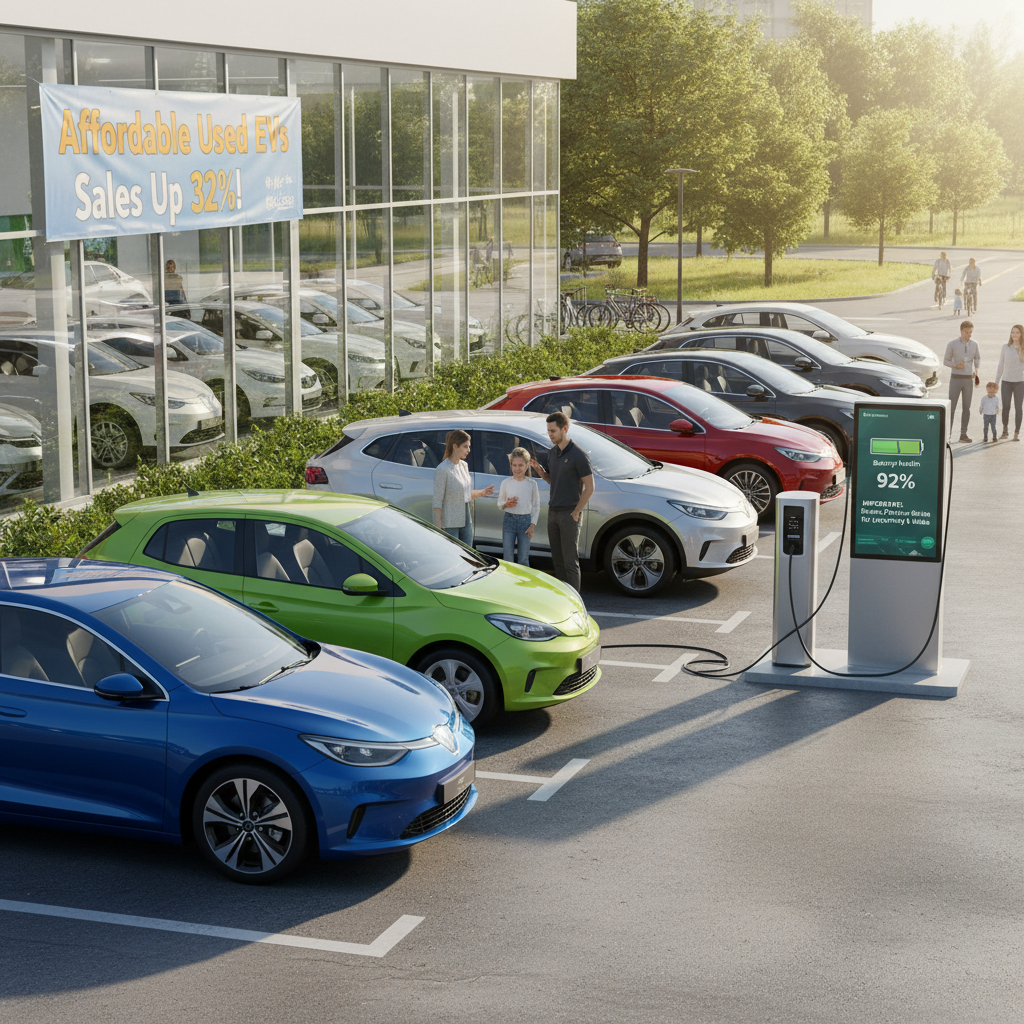
Used electric vehicles (EVs) have emerged as increasingly popular options in the used car market, primarily due to their affordability stemming from relatively high depreciation rates and growing consumer interest. In the United States, used EV sales rose by 32% in the first quarter of 2023, reflecting a shift toward more budget-conscious electric mobility choices. These vehicles offer significant advantages over traditional internal combustion engine (ICE) cars, including lower maintenance costs and fewer mechanical complexities, as EVs have roughly 20 moving parts compared to over 2,000 in ICE vehicles. Additionally, used EVs often benefit from software updates and remaining warranty coverage, which can reduce repair expenses and improve ownership experience.
Despite these benefits, purchasing a used EV entails important considerations, most notably the health and longevity of the battery. Battery degradation, typically around 1–2% range loss per year, can significantly impact vehicle range and performance, with factors such as charging habits and environmental conditions influencing battery life. Evaluating battery state of health through diagnostic tests is essential for prospective buyers to avoid unexpected costs or reduced usability. Moreover, variability in electricity rates and the availability of charging infrastructure can affect operating expenses and convenience, making local conditions a critical factor in ownership satisfaction.
The used EV market also faces challenges related to depreciation, warranty coverage, and the evolving landscape of automotive repair services. While EVs generally have lower maintenance needs, battery replacement costs and the requirement for specialized servicing pose potential drawbacks. Depreciation patterns for used EVs have fluctuated with shifting market demand and technological advancements, sometimes resulting in faster value loss compared to ICE vehicles. Additionally, expanding public charging infrastructure and government support remain vital to sustaining market growth and consumer confidence.
Looking ahead, the used EV market is expected to grow substantially as more models become available and technology improves, offering greater reliability and affordability. Continued innovation in battery chemistry, enhanced battery management practices, and expanded charging networks will be crucial to addressing concerns about battery life and infrastructure limitations. These developments position used electric vehicles as a compelling alternative for environmentally conscious buyers seeking cost-effective and sustainable transportation options.
Overview of Used Electric Vehicles (EVs)
Used electric vehicles (EVs) have become some of the most budget-friendly options in the used car market today. This affordability is primarily due to slowing demand and relatively high depreciation rates, making them an attractive choice for cost-conscious buyers. Sales of used EVs have notably increased, with a 32% rise reported in the United States during the first quarter of 2023, reflecting growing consumer interest.
One of the key advantages of used EVs lies in their lower maintenance costs compared to traditional internal combustion engine (ICE) vehicles. EVs have significantly fewer moving parts—approximately 20 versus more than 2,000 in ICE vehicles—which translates to reduced needs for routine services such as oil changes, spark plug replacements, and muffler repairs. This mechanical simplicity often results in lifetime maintenance savings estimated to be over $4,000 less than comparable ICE vehicles.
Despite these benefits, potential buyers must exercise caution when purchasing used EVs, particularly concerning battery health. The battery’s condition is critical since it affects the vehicle’s range and overall performance. Various methods, including third-party state of health (SoH) or capacity tests, are recommended to assess used battery quality, especially in markets like Europe where such tests are more common.
The cost to operate a used EV also varies depending on local electricity tariffs and providers, which impacts the overall running costs compared to petrol or diesel vehicles. Additionally, the expanding EV market is driven by the need to reduce emissions and promote cleaner transportation, contributing to a reshaped automotive landscape that demands new expertise, particularly in EV battery chemistry for service personnel.
Infrastructure development remains a vital factor for EV adoption. For example, the United States had approximately 2.6 million charging ports in 2022, but projections estimate the need for up to 28 million ports by 2030 to keep pace with growing EV numbers. Insufficient charging infrastructure could hinder consumer willingness to transition from ICE vehicles to EVs.
Advantages of Buying a Used Electric Vehicle
Purchasing a used electric vehicle (EV) offers several notable benefits that make it an increasingly attractive option for consumers. One of the primary advantages is the significantly lower upfront cost compared to new EVs. This price reduction is largely due to depreciation, which tends to be higher for electric vehicles than for internal combustion engine (ICE) cars, making used EVs some of the most budget-friendly options on the market. Additionally, depreciation reduces the capital cost of ownership, contributing to overall savings for buyers of used EVs.
Beyond the initial purchase price, used electric vehicles generally have lower operating costs. EVs benefit from higher energy efficiency and lower fuel expenses compared to traditional gasoline vehicles. Maintenance costs are also reduced because electric motors have fewer moving parts—approximately 20 compared to over 2,000 in ICE vehicles—eliminating the need for routine services such as oil changes, spark plug replacements, and exhaust system repairs. These factors collectively contribute to long-term savings in vehicle operation.
Technological advancements further enhance the appeal of used EVs. Many models support over-the-air updates, allowing owners to access the latest software improvements and features without needing to purchase a new vehicle. Furthermore, buyers can often find used EVs that still retain remaining warranty coverage, which can reduce potential repair costs by up to 30%, underscoring the importance of after-sales support in the EV market.
The expanding selection of used EV models has also made it easier for consumers to find vehicles that align with their driving needs and preferences. However, prospective buyers should consider factors such as battery health, charging compatibility, and available infrastructure to ensure the vehicle meets their requirements. Investment by policymakers and automakers in public charging infrastructure continues to improve charging accessibility, further supporting the practicality of owning a used electric vehicle.
Potential Drawbacks and Challenges
One of the primary concerns when considering a used electric vehicle (EV) is battery degradation. Over time, EV batteries naturally experience capacity fade and power fade, which reduce the vehicle’s driving range and overall performance. This degradation is influenced by factors such as age, usage patterns, environmental conditions, and charging habits. Typically, EV batteries lose about 1–2% of their range per year, though this rate can vary depending on how the vehicle is used and maintained. For instance, frequent use of DC fast charging can accelerate battery wear due to the high currents and resulting elevated temperatures, which strain battery components. In contrast, Level 2 charging is gentler and can help prolong battery life.
Battery chemistry also plays a critical role in determining the lifespan and maintenance needs of the EV’s power source. Despite early concerns about catastrophic battery failures, large-scale studies have found such extreme degradation to be uncommon. However, electrode degradation, solid electrolyte interphase (SEI) growth, and increased internal resistance still contribute to the gradual decline in battery capacity and power output. This decline can become noticeable after several years of use, particularly in demanding driving conditions such as sustained high speeds or when battery state of charge (SoC) is frequently low. Vehicles with larger battery capacities tend to maintain better performance over time, whereas smaller capacity batteries may exhibit underperformance sooner.
Another challenge with used EVs is understanding and navigating warranty coverage, especially related to the battery. Most manufacturers offer battery warranties lasting 8 to 10 years or around 100,000 miles, whichever comes first, reflecting the critical importance of this component to vehicle reliability. However, confusion can arise if the overall vehicle warranty expires before the battery warranty, potentially leaving owners uncertain about repair options. Robust warranty programs have been shown to reduce repair costs significantly and improve consumer confidence in used EV ownership.
Maintenance of EVs also involves specific considerations related to their advanced battery systems. Some batteries use liquid cooling to maintain safe operating temperatures, necessitating periodic checks and servicing according to manufacturer guidelines. Additionally, while modern EVs are equipped with battery thermal management systems to minimize degradation in cold climates, these systems can themselves consume battery power, potentially accelerating aging when the vehicle is not plugged in.
Finally, resale value and depreciation of used EVs can be affected by battery health and perceived reliability. Battery degradation, warranty status, and advancements in newer EV technologies may influence how desirable a used EV is in the market. Furthermore, supply chain challenges related to the production and scalability of batteries remain ongoing issues, impacting costs and availability in the EV industry as a whole.
Key Factors to Consider Before Purchasing
When considering the purchase of a used electric vehicle (EV), several important factors come into play that can significantly influence the overall ownership experience and long-term satisfaction.
Charging Infrastructure and Compatibility
Access to convenient and affordable charging options is vital for EV ownership. The type of charger installed in the vehicle and the availability of home or public charging infrastructure should be carefully considered. While home charging is typically less expensive, installation can be costly or infeasible for some. Public charging networks are expanding globally, with standards such as the Open Charge Point Interface (OCPI) facilitating interoperability. However, reliance on public chargers can increase costs and require adaptation to different charging speeds and connectors.
Maintenance and Repair Costs
One of the primary concerns for consumers making a long-term purchase is the anticipated maintenance and repair costs. For big-ticket items like EVs, which may be less familiar to many buyers compared to traditional vehicles, understanding these potential expenses is crucial. While EVs generally have fewer moving parts and can require less routine maintenance than internal combustion engine (ICE) vehicles, assessing the condition of the battery and other components remains essential.
Depreciation and Resale Value
Depreciation is a key consideration when buying any used vehicle, and EVs have shown unique patterns in this regard. The resale value of an EV depends on factors such as mileage, age, technical and cosmetic condition, and service history. Until 2022, EVs maintained strong resale values due to high demand and limited supply, but these dynamics can shift over time. Higher resale value benefits new car buyers but may reduce the availability of affordable used EVs in the market.
Battery Health and Range Degradation
Battery health is arguably the most critical factor in evaluating a used EV. Battery degradation typically occurs at a rate of about 1–2% per year, affecting the vehicle’s range and performance. The state of health (SoH) of a battery refers to its ability to perform relative to when it was new and is influenced by age, usage patterns, and environmental conditions. Prospective buyers should assess battery health by reviewing diagnostic data and performing test drives to compare actual range to advertised figures. This hands-on evaluation helps gauge battery condition and charging efficiency, although real-world range can vary due to factors like weather and driving speed.
Battery Chemistry and Charging Practices
The specific battery chemistry affects not only the vehicle’s range and performance but also its longevity and maintenance needs. Rapid or ultrafast charging, particularly above certain thresholds (such as 1C), can accelerate capacity degradation. Battery management systems (BMS) optimize charging rates to balance speed and battery health. Buyers should understand the implications of charging habits and how they relate to battery wear, especially when evaluating used EVs that may have experienced varied charging conditions.
Personal Usage and Ownership Intent
Finally, buyers should align their choice with personal usage patterns and long-term ownership plans. For example, someone intending to keep an EV for many years might prioritize battery health and charging convenience over concerns about resale value. Understanding daily commute requirements and whether a Level 2 charger can be installed at home will influence satisfaction and practicality. For many, despite initial challenges with public charging, a well-maintained used EV can offer a highly positive ownership experience.
Comparison Between Used Electric Vehicles, New Electric Vehicles, and Used ICE Vehicles
When evaluating used electric vehicles (EVs), new EVs, and used internal combustion engine (ICE) vehicles, several key factors such as maintenance costs, reliability, depreciation, and repair considerations come into play.
Maintenance and Repair Costs
Compared to ICE vehicles, EVs have significantly fewer moving parts, which generally translates to lower maintenance and repair expenses. For instance, EV owners do not need to replace components commonly required in ICE vehicles, such as coil packs, transmissions, or the internal combustion engine itself. Surveys estimate that over the lifetime of the vehicle, EV owners may save approximately $4,000 in maintenance and repair costs compared to ICE vehicle owners. However, it is important to consider that some EV maintenance aspects, like specialized servicing and the need for trained technicians and equipment, can add unexpected costs. Additionally, while electricity expenses replace fuel costs, government fees such as registration and insurance may differ and influence total ownership costs.
Depreciation and Resale Value
Depreciation patterns differ between EVs and ICE vehicles. Typically, more expensive vehicles lose value faster, and EVs have appeared to depreciate more rapidly than their ICE counterparts in recent years. This is influenced by factors including vehicle demand, mileage, age, condition, and service history. Prior to 2022, EVs held their value well due to strong demand and limited supply, but shifting market conditions have altered this trend. Buyers should be aware that resale values ultimately reflect how desirable a vehicle is in the used market.
Warranty and Battery Considerations
Warranty coverage plays a critical role in ownership costs for both new and used EVs. Manufacturers generally cover major repairs like battery pack replacements under warranty. However, once the warranty expires, EV owners may face significant expenses if the battery fails, a scenario somewhat analogous to engine or transmission failures in ICE vehicles. Extended warranties for used EVs can provide additional peace of mind but often vary in coverage, especially regarding battery components.
Technological and Market Factors
New EVs benefit from ongoing technological innovations such as predictive maintenance, over-the-air updates, and remote diagnostics, which enhance vehicle reliability and reduce unexpected maintenance needs. These advancements are less likely to be present in used EVs depending on model and year. Meanwhile, used ICE vehicles, while often more affordable upfront, tend to incur higher maintenance costs over time due to their complex mechanical systems and greater number of moving parts. Additionally, the emergence of EVs is gradually impacting repair shop business models since EVs require less frequent servicing, altering the landscape of automotive aftersales services.
Popular and Reliable Used Electric Vehicle Models
Used electric vehicles (EVs) have become some of the most budget-friendly options in the used car market, largely due to high depreciation rates and slowing demand. Despite this, there are reliable and cost-conscious used EVs available that provide good value for buyers. When selecting a used EV, it is important to consider models that balance reliability, maintenance costs, and resale value.
Several organizations, including J.D. Power, Kelley Blue Book, Edmunds, RepairPal, CarEdge, and Consumer Reports, have evaluated various electric models to identify the most reliable options. These ratings take into account factors such as manufacturer reputation, vehicle model, engine performance, and overall durability. Toyota’s 2024 electric lineup, for example, offers competitive models like the hydrogen fuel cell Mirai and the electric bZ4X, which have been noted for their reliability in recent evaluations.
Among notable used EVs, Ford’s Focus Electric stands out as an early model that combined the familiarity of a popular hatchback with electric powertrain benefits, offering a reliable and economical choice for buyers entering the used EV market. Tesla’s Model X, while more expensive, is recognized for its excellent resale value, maintaining a significant portion of its original price even after five years. However, the general trend shows that electric vehicles tend to depreciate faster than their internal combustion engine (ICE) counterparts due to factors like evolving technology, mileage, and market demand fluctuations.
Ranking systems such as those developed by iSeeCars analyze extensive data sets to identify EVs that hold their value best and have longevity on the road. These rankings highlight models in categories like small electric cars, electric hatchbacks, and subcompact electric cars, providing prospective buyers with data-driven guidance on which used EVs are most reliable and retain value over time.
In addition to vehicle selection, consumer trust in used EVs is
Ownership Experience and Common Maintenance Challenges
Owning a used electric vehicle (EV) presents a distinct ownership experience compared to traditional internal combustion engine (ICE) vehicles, particularly in terms of maintenance and repair needs. One of the primary advantages of EVs is their lower annual maintenance requirements. Unlike ICE cars, which require frequent oil changes, spark plug replacements, air filter changes, and emissions testing, EVs have fewer moving parts and do not rely on combustion processes, leading to reduced mechanical wear and tear and potentially lower repair costs over time.
However, EV ownership is not entirely free from maintenance challenges. Regular upkeep is still necessary, including periodic checks and occasional repairs, to ensure optimal performance and longevity of the vehicle. Furthermore, the repair process for EVs can be complicated by the need for specialized equipment and training, which may contribute to higher service expenses or limit the availability of qualified repair shops. This shift has also raised concerns among traditional repair shop owners, as the reduced maintenance demand for EVs could impact their business models. Nevertheless, with appropriate investment in training and tools, repair shops can adapt to the evolving market and capitalize on the growing need for EV-specific services.
Technological innovations such as predictive maintenance, over-the-air (OTA) software updates, and remote diagnostics are transforming aftersales service for EVs. These advancements enable proactive and efficient maintenance, reducing downtime and improving vehicle reliability. Despite these benefits, some EV owners have reported unexpected repair costs, emphasizing the importance of understanding the unique aspects of EV maintenance before purchase.
Additionally, EVs pose unique challenges in emergency situations, such as battery fires, which require different firefighting techniques and specialized training for first responders. Overall, while EVs offer significant advantages in reduced routine maintenance and environmental impact, prospective buyers should be aware of the specific ownership considerations and evolving maintenance landscape associated with these vehicles.
Future Outlook for the Used Electric Vehicle Market
The used electric vehicle (EV) market is poised for significant growth in the coming years, driven by increasing consumer demand and evolving market dynamics. A recent study by Kelley Blue Book highlights a 32% surge in used EV sales during the first quarter of 2023 in the United States, reflecting rising interest in more affordable electric mobility options. This growth is largely attributed to the high costs and rapid depreciation of new EVs, which make used EVs an attractive alternative for many buyers seeking lower upfront expenses and reduced long-term depreciation.
As the market expands, the availability and variety of used EV models are expected to increase, providing consumers with a broader selection tailored to diverse needs and preferences. Moreover, the integration of advanced technologies such as over-the-air updates enhances the appeal of used EVs by allowing owners to benefit from continuous improvements even after purchase.
However, the future success of the used EV market is closely tied to the development of charging infrastructure. The United States, for instance, had approximately 2.6 million charging ports in 2022 but will require an estimated 9.5 million by 2025 and 28 million by 2030 to support the growing EV fleet. Insufficient expansion of public charging networks may slow consumer adoption rates and limit the market potential for used EVs.
Government initiatives and investments play a crucial role in addressing these infrastructure challenges. Programs like California’s $71 million charging expansion project, with potential funding up to $200 million, and India’s $130 million commitment to charging networks exemplify the policy-driven support that can facilitate market growth. Additionally, the adoption of common standards such as the Open Charge Point Interface (OCPI) protocol helps streamline charging infrastructure development and improve user experience.
Battery technology and management will also continue to impact the used EV market outlook. Battery aging affects vehicle range and performance, which are key considerations for used EV buyers. Advances in battery chemistry and best practices for battery care, such as maintaining optimal state of charge and temperature, can mitigate capacity fade and extend battery lifespan, thereby enhancing the value proposition of used EVs.
The content is provided by Avery Redwood, Front Signals