Summary
Rebuilding Your Smile: What to Do After Losing a Tooth is a comprehensive guide addressing the causes, immediate care, diagnostic evaluation, treatment options, and psychological impact following tooth loss. Tooth loss, primarily caused by preventable conditions such as dental caries and periodontal disease, as well as trauma and lifestyle factors like smoking, can significantly affect oral function, aesthetics, and overall quality of life. Prompt and appropriate management is essential to minimize complications including bone loss, shifting of adjacent teeth, and difficulties with chewing and speech.
Immediate steps after tooth loss are critical, with the first 30 to 60 minutes offering the best chance for successful reimplantation of the lost tooth. If reinsertion is not possible, proper storage and urgent professional evaluation are necessary to preserve oral health and facilitate future restoration. Diagnostic assessment involves thorough clinical and radiographic examinations to inform treatment planning and ensure that periodontal health and bone integrity are optimized before tooth replacement.
A variety of restorative options exist for rebuilding the smile, including dental implants, bridges, and dentures, each with distinct advantages and considerations related to durability, aesthetics, cost, and patient-specific factors. Advances in implant technology and prosthodontics have greatly improved outcomes, providing stable and natural-looking replacements that help maintain bone health and oral function. Temporary prosthetic solutions also play a vital role in protecting extraction sites and restoring aesthetics during healing phases.
Beyond the physical consequences, tooth loss can have profound psychological effects, leading to diminished self-esteem and social anxiety. Comprehensive care encompasses not only the technical aspects of tooth replacement but also patient education, emotional support, and preventive strategies to maintain oral health and prevent further tooth loss. This holistic approach underscores the importance of timely intervention and individualized treatment planning to restore both smile function and patient confidence.
Causes of Tooth Loss
Tooth loss primarily results from a combination of oral diseases, lifestyle factors, and physical injuries. The two leading oral diseases responsible for tooth loss are cavities (tooth decay) and periodontitis (gum disease with associated bone loss). Both conditions are largely preventable and can be treated before causing permanent tooth loss.
Cavities occur due to the demineralization of tooth enamel caused by acids produced when harmful oral bacteria feed on sugars in the diet. Poor eating habits, particularly frequent consumption of foods high in sugar, significantly contribute to tooth decay and subsequent tooth loss if untreated. Periodontal disease begins as gingivitis, an inflammation of the gums caused by plaque buildup, and can progress to damage the supporting bone around teeth, leading to their loss. It is considered the most common cause of tooth loss among adults.
In addition to disease, other factors contribute to tooth loss. Smoking is a notable risk factor that exacerbates periodontal disease and impairs healing, increasing the likelihood of tooth loss. Physical trauma from accidents, sports, or outdoor activities also frequently causes tooth loss, underscoring the importance of protective measures like mouthguards. Furthermore, bruxism (teeth grinding) and structural fractures adjacent to dental restorations can weaken teeth and necessitate extraction if not properly managed.
Immediate Steps After Losing a Tooth
The first 30 to 60 minutes following the loss of a tooth are crucial for increasing the likelihood of successful reimplantation by a dental professional. Prompt action during this period not only affects aesthetics but also helps prevent complications such as shifting of surrounding teeth, difficulty chewing, and bone loss in the jaw.
If possible, gently retrieve the tooth by handling only the crown (the chewing surface) to avoid damaging the root. Rinse the tooth carefully with water, milk, or sterile saline solution to remove dirt, but do not scrub or wipe it, as this can cause further damage. The best course of action is to attempt reinserting the tooth back into its socket, pressing it in gently with fingers or by lightly biting down on a clean cloth or gauze to hold it in place. This helps protect the root and improves the chances of successful reattachment.
If reinsertion is not feasible, the tooth should be stored properly to keep it moist, which is essential for preserving its viability. Suitable storage options include placing the tooth in a container with milk, saline solution, or even inside the cheek (being careful not to swallow it). Saliva can also serve as a temporary storage medium if other options are unavailable.
Regardless of whether the tooth can be reinserted immediately, it is critical to seek professional dental care as soon as possible. A dentist will evaluate the injury, clean the area, and determine the appropriate treatment plan. After the initial day, gentle rinsing with warm salt water can promote healing and maintain cleanliness of the socket. It is also important to avoid actions that might dislodge the healing blood clot, such as smoking or using straws, to reduce the risk of dry socket, a painful complication.
Taking these immediate steps after tooth loss can significantly improve outcomes and help maintain both oral health and function.
Diagnostic Assessment Before Tooth Replacement
A comprehensive diagnostic assessment is a critical initial step before proceeding with tooth replacement. Retaining the lost tooth, when possible, can be advantageous as some replacement options may include reattachment of the original tooth. The diagnostic process typically begins with a detailed dental examination, which includes assessing existing teeth, bone structure, and gum health. Imaging techniques such as panoramic or three-dimensional X-rays are often employed to obtain precise information about the oral anatomy and to aid in treatment planning. Additionally, impressions or molds of the mouth are taken to facilitate the design of a prosthesis that fits accurately within the patient’s dental structure.
Patient-level risk factors and prognosis of the remaining teeth are also evaluated to determine whether maintaining or extracting a compromised tooth is advisable. The primary goal of periodontal therapy is to preserve natural teeth and the supporting periodontium whenever feasible, given that natural dentition offers superior biomechanical and sensory benefits compared to prosthetic alternatives. Periodontal disease, a leading cause of tooth loss, must be addressed to optimize treatment outcomes and prevent further deterioration.
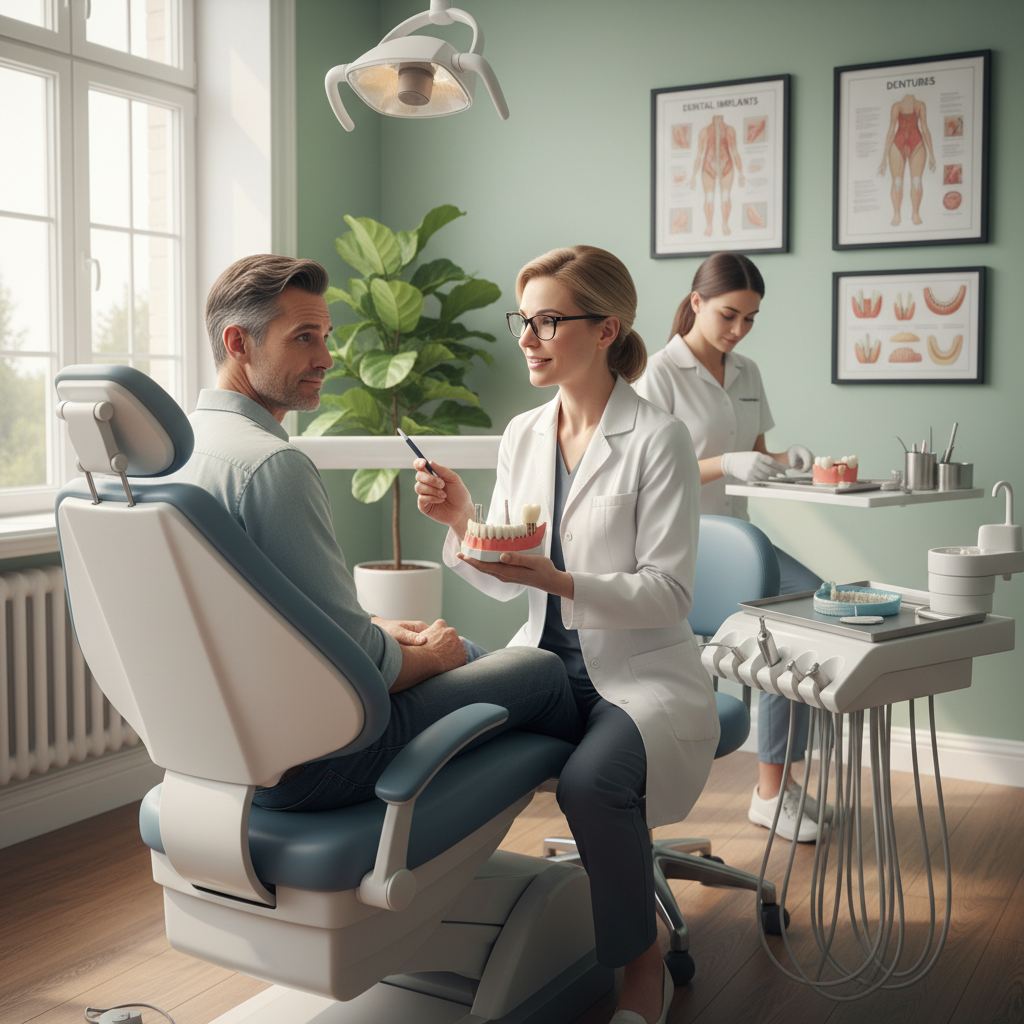
Clinical decisions are influenced by multiple factors including existing prosthetic space, bone quality and quantity, implant positioning, and the patient’s esthetic and functional expectations. Understanding these criteria ensures that the selected treatment modality aligns with both clinical indications and patient preferences. Effective communication during the diagnostic phase facilitates shared decision-making and helps establish a clear plan, timeline, and cost estimate tailored to the patient’s needs.
Options for Rebuilding the Smile
After losing a tooth, restoring both the appearance and function of the smile is crucial to prevent complications such as bone loss in the jaw, shifting of surrounding teeth, and difficulty chewing. Several treatment options are available to rebuild the smile, each with distinct benefits and considerations.
Dental Implants
Dental implants are among the most popular and durable solutions for tooth replacement. They involve surgically inserting a titanium post into the jawbone, which acts as an artificial tooth root. Over time, this post undergoes osseointegration, fusing securely with the bone to provide a stable foundation for a crown that closely mimics a natural tooth in both appearance and function. Unlike dentures or bridges, implants offer permanent strength and stability, often lasting much longer without the need for replacement. The final restoration after complete fusion typically involves placing a permanent crown or prosthesis designed to restore proper occlusion and function. Implants also improve comfort and oral function by preventing shifting and bone loss.
Dental Bridges
For patients who may not be candidates for implants or desire a faster treatment, dental bridges present a practical alternative. Traditional bridges consist of a prosthetic tooth anchored by crowns placed on the adjacent natural teeth, restoring the smile’s appearance and chewing ability. Fixed bridges, which do not require removal for cleaning, offer a cost-effective and natural-looking solution that blends well with existing teeth. There are different types of bridges including implant-supported bridges, Maryland bridges, and traditional fixed bridges, each suited to varying clinical scenarios.
Dentures and Partial Dentures
Removable partial dentures are custom-made prostheses designed to replace one or several missing teeth. These dentures attach to remaining natural teeth via clasps and can be temporary or permanent depending on patient needs. Complete dentures are typically recommended when all teeth in an arch are missing or unsalvageable, improving chewing and speech despite requiring adaptation. Immediate dentures, placed right after tooth extraction, provide an aesthetic solution during healing periods and help maintain facial contours. Implant-supported dentures offer enhanced stability compared to traditional removable dentures by anchoring the prosthesis to implants, reducing movement and improving comfort.
Temporary and Cosmetic Considerations
During the restoration process, temporary crowns or prostheses are often used to protect the tooth or implant site and maintain function until the permanent restoration is ready. After the primary restorative work, cosmetic procedures may be pursued to enhance the smile’s appearance further. Personalized care and guidance throughout these stages are essential to achieving optimal outcomes and maintaining oral health.
Immediate Prosthetic Solutions After Tooth Loss
Tooth loss can significantly affect chewing function, speech, and aesthetics, making immediate prosthetic solutions essential to restore oral health and confidence. One common approach is the use of immediate dentures, which are prosthetic teeth placed immediately following tooth extraction, eliminating the period of edentulism and providing an aesthetic solution without delay.
Immediate dentures can be full or partial and serve as temporary prostheses while the gums and bone heal before a more permanent solution is considered. These dentures are custom-made to fit comfortably in the patient’s mouth and mimic the appearance of natural teeth using synthetic materials. They help maintain facial structure, enable proper speech and chewing, and support emotional well-being by restoring the smile promptly after tooth loss.
In addition to immediate dentures, other temporary options may be utilized during the healing phase. Removable partial dentures, for example, can replace one or several missing teeth and are secured in place by clasps attached to remaining natural teeth. These temporary solutions provide functional and aesthetic benefits until definitive prosthetic treatment is planned and executed.
Pre-prosthetic surgery, such as alveoloplasty, is often performed before fabricating immediate dentures to reshape and smooth the jawbone ridge, ensuring a comfortable fit for the prosthesis and preventing pressure points. After preparation, a temporary prosthesis is provided, and patients undergo training to adapt to its use.
Transition from Temporary to Permanent Restorations
The transition from temporary to permanent restorations is a critical phase in dental rehabilitation following tooth loss. Temporary restorations often serve as provisional solutions that protect the site, maintain esthetics, and allow functional use until the final prosthesis is ready. Although newly graduated dentists may sometimes regard temporary restorations as mere stopgaps—particularly in single-tooth dentistry where requirements tend to be simpler—their role is pivotal in ensuring the success of subsequent permanent restorations.
The timeline for moving from temporary to permanent restorations can vary significantly based on individual patient factors, including healing rates and whether adjunctive procedures such as bone grafting are necessary. For dental implants, for instance, some patients may undergo a single procedure where the failing tooth is removed and the implant placed immediately, allowing for a relatively swift transition to permanent prosthetics. More commonly, the process involves multiple visits, starting with implant placement and temporary prosthesis fitting, followed by impressions for the fabrication of permanent crowns or bridges.
Temporary prostheses can be fixed, removable, or implant-supported, depending on the patient’s oral structure and the extent of tooth loss. Their fabrication involves precise clinical and laboratory procedures, such as securing temporary cylinders to acrylic prostheses and ensuring proper fit and stability during the healing period. The fit is clinically verified at delivery to prevent issues related to polymerization shrinkage of materials used in luting temporary abutments.
In cases of full-arch restorations like All-on-4 or All-on-6 implants, patients typically wear two types of prostheses during treatment: provisional teeth supported by implants and final permanent teeth. This staged approach allows for functional and esthetic evaluation before the definitive prosthesis is fitted.
The final permanent restorations are usually cemented or screw-retained onto implants. Screw-retained prostheses are often preferred because they can be easily removed for maintenance or cleaning, with the screw access holes concealed using tooth-colored composite resin for esthetic reasons. For implant-supported bridges or mixed prostheses, clinicians often use specific cementation techniques that accommodate the materials and abutments involved, coordinating the preparation and placement to maximize restoration longevity.
Oral Hygiene and Preventive Care
Maintaining good oral hygiene and engaging in preventive care are essential steps following tooth loss to support healing, prevent further complications, and preserve overall oral health. Brushing twice daily and flossing regularly help remove plaque and food particles, reducing the risk of infection and promoting gum health. Limiting the intake of foods and beverages high in added sugars also helps prevent tooth decay and gum disease, which are common causes of tooth loss.
After a tooth extraction or loss, it is important to protect the extraction site to promote healing and prevent infection. Initial care includes gently rinsing the mouth with warm water to remove debris and applying gentle pressure with clean gauze to control bleeding and facilitate clot formation, which is critical for healing. Avoiding hot foods or drinks and consuming soft, tooth-friendly foods such as yogurt, mashed potatoes, and scrambled eggs during the first few days helps reduce irritation and supports recovery.
Patients may be advised to use gentle saltwater rinses after 24 hours to kill bacteria and prevent infection; however, this should be done only after consulting with a dental professional. While continuing normal brushing and flossing routines, care should be taken to avoid disturbing the extraction site. Staying well-hydrated also aids the healing process by maintaining fluid balance, which supports nutrient transport and waste removal in the body.
Preventive dental care plays a crucial role, particularly for low-income adults with chronic conditions, in maintaining oral health and reducing further tooth loss. Regular dental check-ups and professional cleanings, at least once a year or as recommended, are vital for early detection and management of oral health issues. Discussing any chronic health conditions with your healthcare provider can help identify additional risks for tooth loss and guide preventive strategies.
In cases of tooth loss, replacing missing teeth promptly with appropriate prosthetic options, such as dental implants or dentures, not only restores function and aesthetics but also prevents complications like shifting teeth and bone loss in the jaw. Maintaining these replacements with proper hygiene practices, including specialized cleaning tools like water flossers for implant-supported dentures, helps prolong their lifespan and prevent peri-implant diseases.
Potential Complications and Management
Temporary restorations following tooth loss are often underestimated by newly graduated dentists, who may view them merely as short-term solutions between final impressions and the placement of permanent restorations. This perception largely stems from education focused on single-tooth dentistry, where the functional and aesthetic demands on temporaries are relatively limited. However, in complex cases, inadequate temporary restorations can lead to increased treatment difficulty, patient discomfort, and even premature failure of the final prostheses.
Mechanical complications are common in implant-supported prostheses due to the interaction between different materials, such as plastic prosthetics combined with metal screws. The slight mechanical movement or flexing during mastication can gradually loosen prosthetic screws, leading to instability and loosening of the prosthetic teeth over time. This issue is exacerbated in patients who exert strong chewing forces and highlights the need for careful design and regular maintenance of implant restorations.
The most frequent prosthetic complications encompass both fixed and removable implant prostheses and include technical and mechanical problems that may compromise implant survival if not properly managed. Prevention and management strategies for these complications are critical for ensuring long
Factors Influencing Treatment Choice
Choosing the appropriate treatment after tooth loss involves careful consideration of multiple clinical, biological, and patient-centered factors to ensure optimal care and long-term success. A key decision often lies between attempting to retain a compromised tooth or opting for extraction followed by implant placement, each with distinct implications.
Clinically, the condition of the remaining tooth and surrounding bone structure plays a crucial role. The bone supporting a tooth may deteriorate after tooth loss or extraction, potentially leading to shifting of adjacent teeth and complicating oral hygiene. Preservation of bone and preventing further oral health issues often favors implant placement, as implants stimulate bone maintenance through osseointegration—a process where a titanium post fuses with the jawbone to provide a stable foundation for a prosthetic crown.
Biological factors such as systemic health conditions also impact treatment choice. Patients with poorly managed diabetes, dry mouth-inducing medications, or genetic predispositions to tooth loss may face different prognoses and risks, influencing whether a tooth can be preserved or should be replaced. Additionally, smoking and tobacco use are known to affect healing and implant success rates, necessitating thorough evaluation.
Patient-centered considerations are equally important. Individual expectations regarding aesthetics, function, and treatment outcomes often guide clinicians toward personalized solutions. Satisfaction is closely tied to achieving a natural appearance and restoring proper form and function, which can significantly enhance self-confidence and perceived treatment success. Cost considerations also influence decisions, with studies highlighting the need to evaluate both initial and maintenance expenses over the lifetime of the treatment to determine economic viability.
Moreover, advancements in prosthetic rehabilitation, including various attachment systems for implants, are selected based on factors like implant position, inter-implant distance, and the patient’s specific anatomical and functional needs. Patient education and preventive care remain fundamental to minimize risks of future tooth loss and to maintain oral health, especially in vulnerable populations such as low-income adults with chronic conditions.
Ultimately, treatment planning after tooth loss is a multifaceted process requiring a balance between clinical indications, biological status, patient preferences, and economic factors to restore a healthy, functional, and aesthetically pleasing smile.
Psychological Impact and Support
Losing a tooth can have profound psychological effects, significantly impacting an individual’s self-esteem, confidence, and overall quality of life. Beyond the physical consequences, tooth loss often leads to feelings of embarrassment and social anxiety, as it alters one’s appearance and can affect speech and eating habits. This emotional distress underscores the importance of addressing both the physical and psychological aspects of tooth loss in dental care.
Many individuals report a decline in their self-image and social interactions following tooth loss, which can contribute to lowered overall well-being. The disruption to daily activities, such as eating and speaking, often compounds these feelings, making recovery a multifaceted challenge. The psychological burden can sometimes be as impactful as the functional impairments, leading patients to seek prompt and effective restorative solutions not only for health reasons but also for emotional relief.
Support mechanisms play a crucial role in helping patients cope with the aftermath of tooth loss. Counseling and patient education about treatment options can empower individuals, helping to alleviate anxiety and set realistic expectations for recovery and rehabilitation. Dental practitioners are encouraged to provide empathetic communication and psychological support alongside clinical care to enhance patient outcomes.
Furthermore, timely intervention and clear guidance on the steps to take after losing a tooth can mitigate feelings of helplessness. By informing patients about follow-up care, possible treatments, and maintenance, dental professionals help restore a sense of control and hope, which are essential components of psychological recovery. This holistic approach fosters improved mental well-being and contributes to a smoother transition through the rebuilding process.
Advances in Tooth Replacement Technologies
Modern dentistry has made significant progress in tooth replacement technologies, offering effective solutions to restore both the function and aesthetics of a natural smile after tooth loss. Among the most notable advancements are dental implants, which have become increasingly popular due to their ability to closely mimic natural teeth in appearance, feel, and function.
Dental implants serve as a preferred option, especially for replacing a single missing tooth, providing a durable and stable foundation for prosthetic teeth. The implant procedure typically involves securing small prosthetic screws that attach the artificial tooth to the implant, ensuring a secure fit and long-term stability. This process may include the use of temporary prostheses immediately after implant placement to maintain function and aesthetics during healing, with precise clinical fitting performed to ensure optimal results.
Prosthodontics plays a critical role in customizing tooth replacements based on the individual’s oral anatomy and extent of tooth loss. Detailed examinations involving evaluation of existing teeth, bone structure, and gums—often supplemented by panoramic or three-dimensional imaging—allow for the creation of accurate molds and prostheses tailored to the patient’s needs. These prostheses can be fixed, removable, or implant-supported, and are commonly fabricated from materials such as porcelain or acrylic to blend seamlessly with the surrounding dentition.
Together, these technological advances have revolutionized tooth replacement, providing patients with durable, aesthetically pleasing options that enhance oral health and quality of life after tooth loss.
The content is provided by Jordan Fields, Front Signals