
Summary
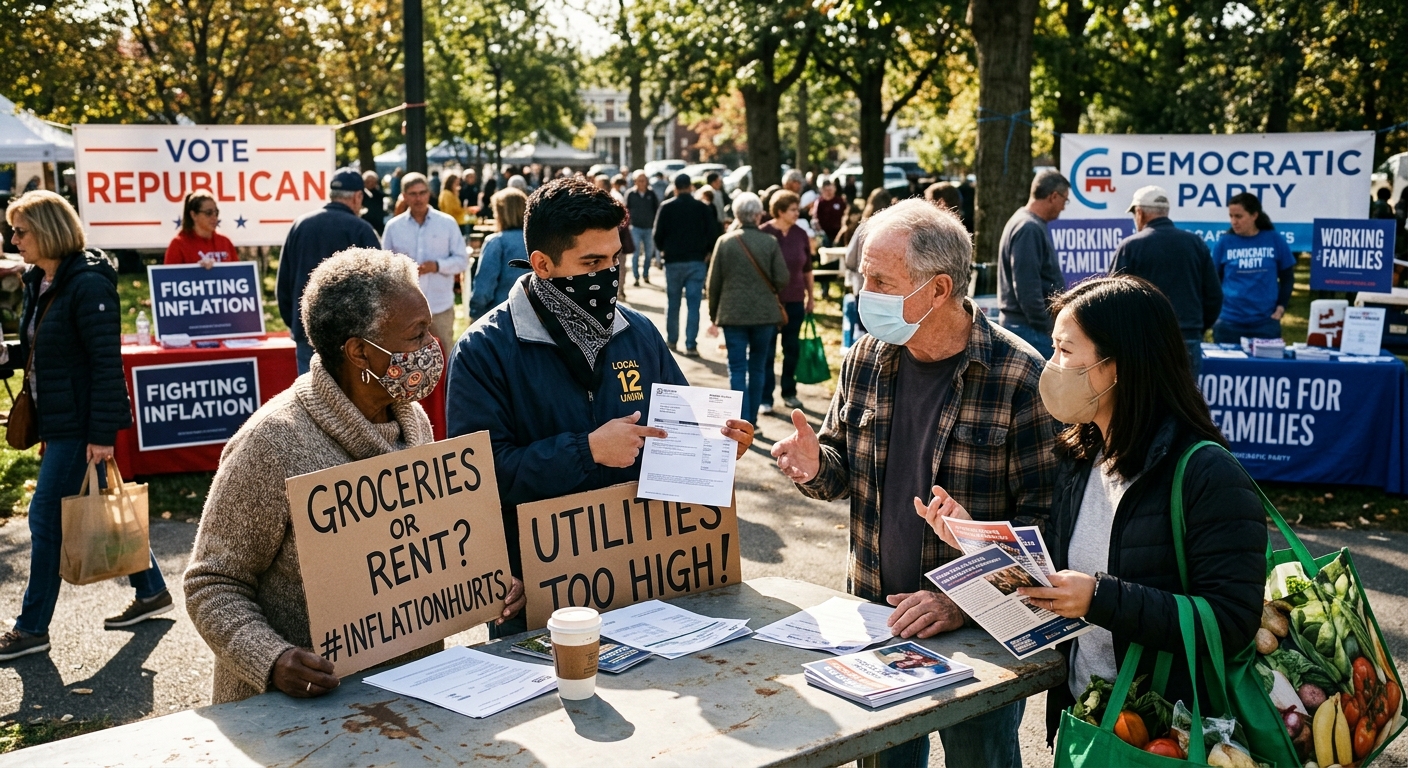
Inflation has become a crucial issue in the United States as the 2024 midterm elections approach, with concerns amplified by factors such as the COVID-19 pandemic, fiscal stimulus, and the Russo-Ukraine conflict. Inflation peaked near 9% in mid-2022 but has since moderated to approximately 2.7% by mid-2025. The impact has varied across demographics, creating “inflation inequality” that affects voter perception and party strategies, particularly for Republicans, who see inflation as a liability that influences electoral outcomes.
Background
As voters express heightened concerns over affordability, inflation stands out as a central issue in the upcoming elections. The Republican Party faces pressure, with polls suggesting that around 25% of voters prioritize inflation over other issues like government corruption. Internal polling highlights a growing perception that the party has inadequately addressed rising costs for essentials, affecting their strategy moving forward. The inflationary period began in early 2020 due to pandemic-related disruptions, with fiscal policies exacerbating the situation, thereby raising the stakes politically as voters attribute blame across party lines.
Inflation Crisis
The inflation spike seen in the early 2020s is attributed to a mix of supply and demand pressures exacerbated by the pandemic and government responses. Early assessments underestimated the inflation risks, which were later driven by energy price shocks and supply chain issues. Corporate behavior has also played a significant role, where firms maintained or raised prices despite reductions in input costs. Analysts argue that fiscal stimulus, largely financed by debt rather than increased taxes, has contributed persistently to inflation. This presents a complex political challenge as parties wrestle with public trust regarding economic management and the perceived burden of rising costs on American families.
Republican Party Response
With inflation dominating voter concerns, Republican leaders are re-evaluating their messaging and policy proposals. Despite internal skepticism surrounding their effectiveness in alleviating inflation, GOP leaders emphasize prior tax cuts and advocate for addressing inflation directly to regain voter confidence. The challenge lies in framing these issues without overly relying on former President Trump’s influence, which could deter potential voters focused on economic relief. As expectations grow for more robust responses to rising costs, internal divides within the party complicate their messaging strategy.
Midterm Elections
Heading into the midterms, inflation continues to shape voter attitudes significantly, with a notable disconnect between economic anxiety and GOP electoral performance in past elections. While inflation is pressing, differing attribution of its causes may limit the Republican Party’s ability to capitalize on this issue effectively. Many voters demand robust action against rising costs, which varies across income groups, complicating the GOP’s messaging. As economic pressures dominate the landscape, the urgency to prioritize inflation in campaign narratives is growing to prevent enabling Democratic advantages.
Analysis and Opinions
Public concerns surrounding inflation are closely linked with political perceptions, with evidence suggesting that assessments of the Biden administration worsen as inflation becomes more prominent in discussions. This dynamic raises challenges for Democrats as they face criticism regarding their fiscal policies while Republicans navigate trust issues linked to corporate influence and economic management. The upcoming election cycles highlight the necessity for both parties to construct compelling narratives around inflation, as it is likely a decisive factor influencing voter preferences and electoral outcomes.
Aftermath and Developments
Following the inflation surge in 2021-2022, subsequent declines in rates have not fully alleviated economic pressures, primarily due to tight labor markets and persistent wage pressures. These ongoing challenges indicate that inflation remains a critical concern, influencing both economic discussions and electoral strategies as parties seek to address voter anxieties in the face of rising costs.
The content is provided by Harper Eastwood, Front Signals