
Summary of the Export Ban
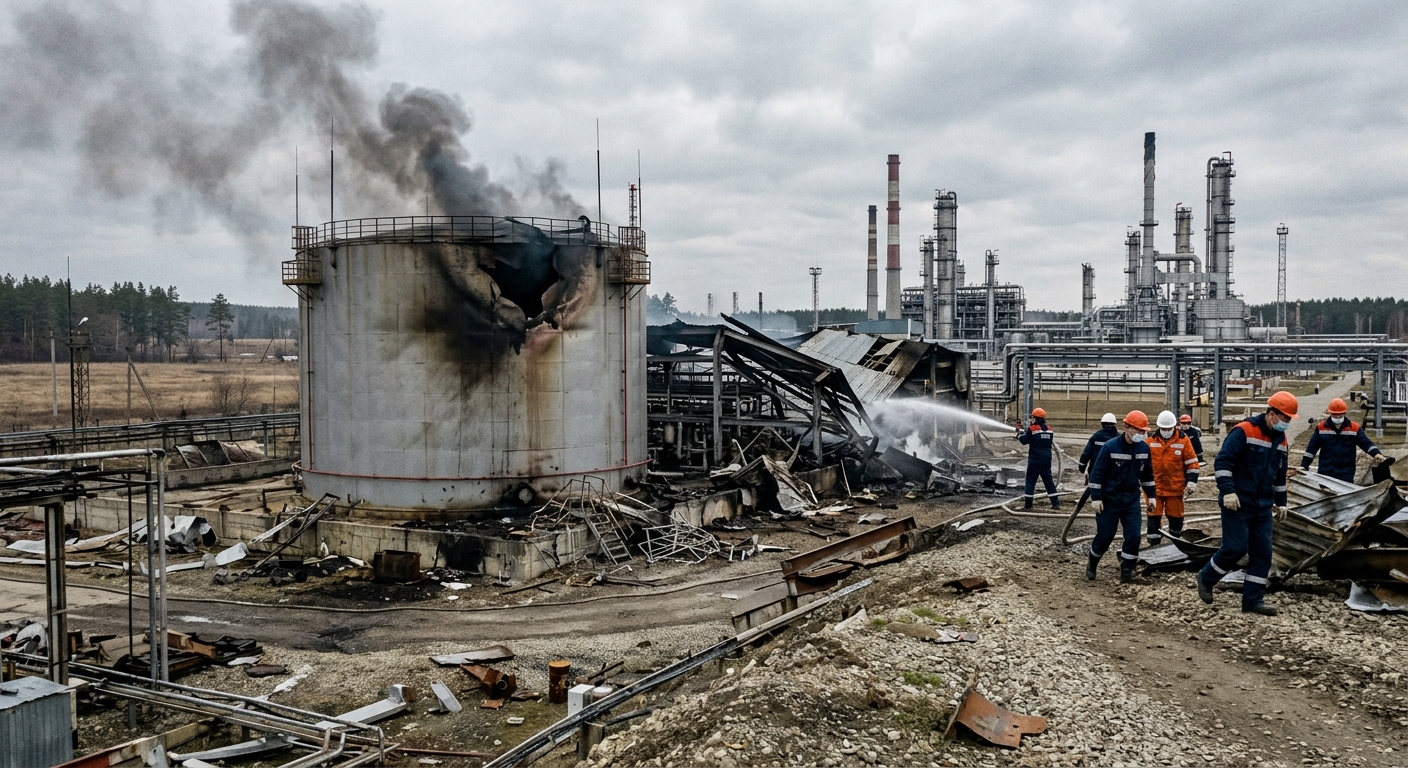
Russia has implemented an export ban on aviation fuel until November 30, worsening existing domestic fuel shortages amid significant infrastructure damage. This measure follows Ukrainian drone strikes that have severely impacted key oil refineries, lowering refining capacity to historical lows and affecting diesel and gasoline production. Aimed at stabilizing domestic supply and prices, this ban also tightens global fuel supply chains, particularly affecting European and Asian markets dependent on Russian products, thereby increasing operational costs for airlines.
Context of Export Restrictions
The aviation fuel export ban is part of Russia’s broader regulatory approach due to longstanding challenges from drone strikes on its refining infrastructure. This escalation marks the first restriction on aviation fuel exports amid previous bans on gasoline and diesel, initiated to manage domestic demand and stabilize prices. The Kremlin’s actions are driven by urgent needs to secure fuel supplies for its population while navigating the dual pressures of infrastructure damage and reliance on export revenues for military financing.
Details of the Ban and Enforcement
The current export ban reflects Russia’s efforts to ensure fuel supply stability while maintaining domestic prices during heightened demand. Ongoing disruptions from drone strikes have already significantly lowered refining capacity. The Russian government is coordinating with oil companies to enforce these bans, focusing on curtailing foreign sales to prioritize domestic consumers. This export control has implications for international fuel markets, especially for airlines facing rising costs and logistical challenges, given Russia’s critical role as a global diesel supplier.
Impacts on Supply and Price Volatility
The aviation fuel export ban not only affects Russian domestic fuel security but also disrupts global fuel markets, particularly in Europe. Airlines face heightened costs and logistical difficulties due to restrictions on traditional supply routes and airspace closures. The ongoing ban is likely to exacerbate fuel security risks in international markets and compel affected regions to seek alternative suppliers, despite geopolitical obstacles. As a result, the global fuel price volatility is anticipated to increase, making efficient and flexible supply chain management essential for the aviation sector.
Domestic and International Reactions
The enforcement of the ban has drawn mixed responses. Domestically, it aims to address rising fuel prices and supply shortages, but it also highlights persistent inadequacies within the Russian refining industry. Internationally, the ban disrupts aviation supply chains and raises operational costs for airlines, as they adapt to new logistical hurdles and longer flight paths. As the market adjusts, regions heavily reliant on Russian products are forced to reconsider their energy security strategies, seeking alternative sources amid ongoing sanctions and geopolitical complexities.
Looking Ahead
Future developments regarding the export ban are uncertain, shaped by ongoing conflict and infrastructure recovery challenges. The ban represents a response to urgent circumstances rather than a sustainable policy direction. Continuous monitoring of refining capabilities and foreign market dynamics will be crucial for understanding the timeline and effectiveness of these export restrictions, as both domestic needs and international demands evolve.
The content is provided by Jordan Fields, Front Signals