
Summary
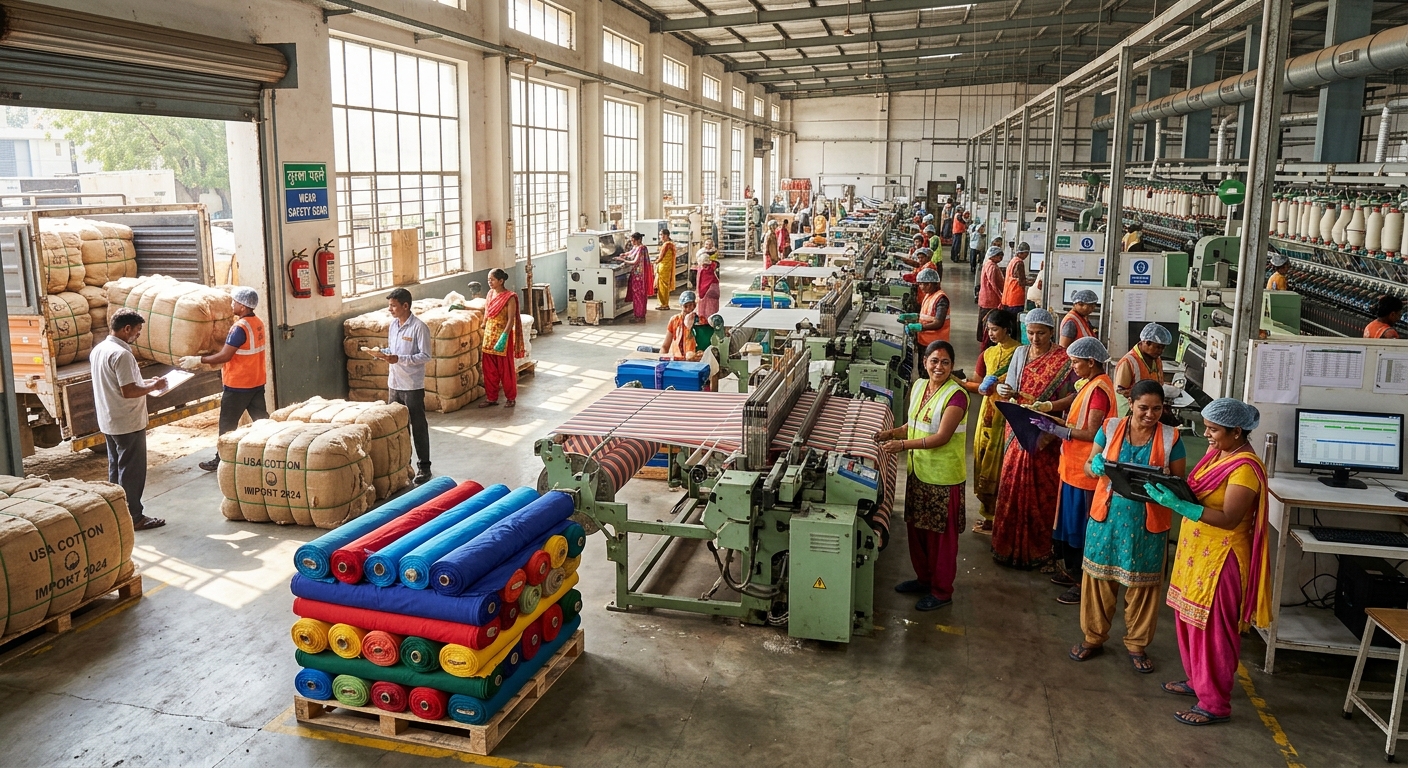
The Indian government’s recent decision to relieve import duties on cotton is set to significantly impact the textile industry by enhancing export competitiveness and addressing raw material supply issues. This temporary exemption from June to October 2026 removes an 11 percent customs duty, which aims to decrease input costs for manufacturers, especially benefiting micro, small, and medium enterprises (MSMEs). While the policy responds to high domestic cotton prices, it additionally increases access to quality imports, notably from the U.S., which saw a significant rise in shipments.
This duty relief is part of a broader strategy to aid the textile sector in regaining export momentum amid global trade tensions, while considering the welfare of local cotton farmers by timing the exemption to avoid negative impacts on their cultivation. Organizations like the Apparel Export Promotion Council support this initiative, recognizing its potential to improve cost structures and India’s position as a global sourcing hub.
Despite the approval, the cotton industry still faces challenges such as market distortions from international subsidies, contamination risks, and sustainability issues. The ongoing global cotton market uncertainties necessitate a careful approach to ensure long-term viability under changing environmental conditions. The recent measures illustrate a commitment to adaptively navigate these complexities while promoting domestic growth.
Cotton Duty Relief Policy
In response to rising cotton prices and supply challenges, the Indian government has temporarily exempted cotton imports from customs duties and the Agriculture Infrastructure Development Cess (AIDC) from June 1 to October 30. This policy eliminates multiple layers of duties, aimed at boosting cotton supply for the domestic textile sector. By lowering input costs, the relief is particularly beneficial for small and medium enterprises that have suffered from escalating raw material expenses.
The decision is not only economically significant but also cultivates better trade relations with the United States, fostering access to its cotton exports amidst ongoing trade negotiations. This proactive stance supports the broader strategy of mitigating geopolitical trade tensions while enhancing domestic production capabilities.
Impact on the Textile and Apparel Industry
The removal of cotton import duties has positively influenced the textile and apparel sector in India, fostering a competitive landscape particularly for MSMEs and garment exporters. The previous imposition of duties had adversely impacted production costs, increasing expenses for yarn and fabric manufacturers. Now, with the duty removal, lower raw cotton prices facilitate smoother procurement for spinning mills, enhancing production growth and competitiveness against regional rivals.
The industry is also innovating supply chain practices to improve transparency and sustainability, focusing on minimizing environmental impacts while adapting to economic conditions. Efforts to rationalize costs across the value chain aim to stabilize the market, thereby improving export opportunities even in the face of fluctuating global demand.
Market and Industry Responses
The cotton duty relief has garnered widespread approval, especially from SMEs that are essential to the textile industry. Stakeholders recognize that lower import duties will ease raw material costs, thus enhancing profit margins amid global supply chain uncertainties. This sentiment echoes the benefits seen during the government’s earlier temporary duty suspension, which helped alleviate some adverse effects of tariffs on manufacturing sentiments.
While industry representatives celebrate this relief as a necessary boost to competitiveness, the market dynamics remain influenced by external factors, including trade policies and continued demand for textiles internationally. Experts encourage spinning mills to absorb benefits from reduced cotton costs, which could stabilize the value chain and support garment exporters in seizing global opportunities.
Challenges and Criticisms
The cotton sector faces ongoing challenges that impact both global trade and sustainability. One major issue involves subsidies from wealthier countries creating disparities in the global cotton market and adversely affecting farmers in developing nations. Quality concerns, such as contamination during processing, pose problems for manufacturers, necessitating stringent quality control measures to ensure product integrity.
Furthermore, market volatility due to geopolitical tensions and trade tariffs continues to inject uncertainty into sourcing and supply chains. Sustainability remains a pressing concern, with a need to enhance organic farming practices and improve traceability to promote ethical production processes. Collaborative efforts across stakeholders are crucial in addressing these multifaceted challenges while pursuing equitable trade practices.
Future Outlook
The projections for global cotton production show a potential slight decline, influenced by geopolitical tensions and ongoing trade policies. A proactive approach in managing reserve stocks in key producing countries, particularly China, will play a crucial role in stabilizing the market. As the industry looks ahead, policies fostering adaptability and sustainability within the cotton supply chain are essential to navigate future uncertainties effectively and maintain a competitive edge in the global market.
The content is provided by Harper Eastwood, Front Signals