Summary
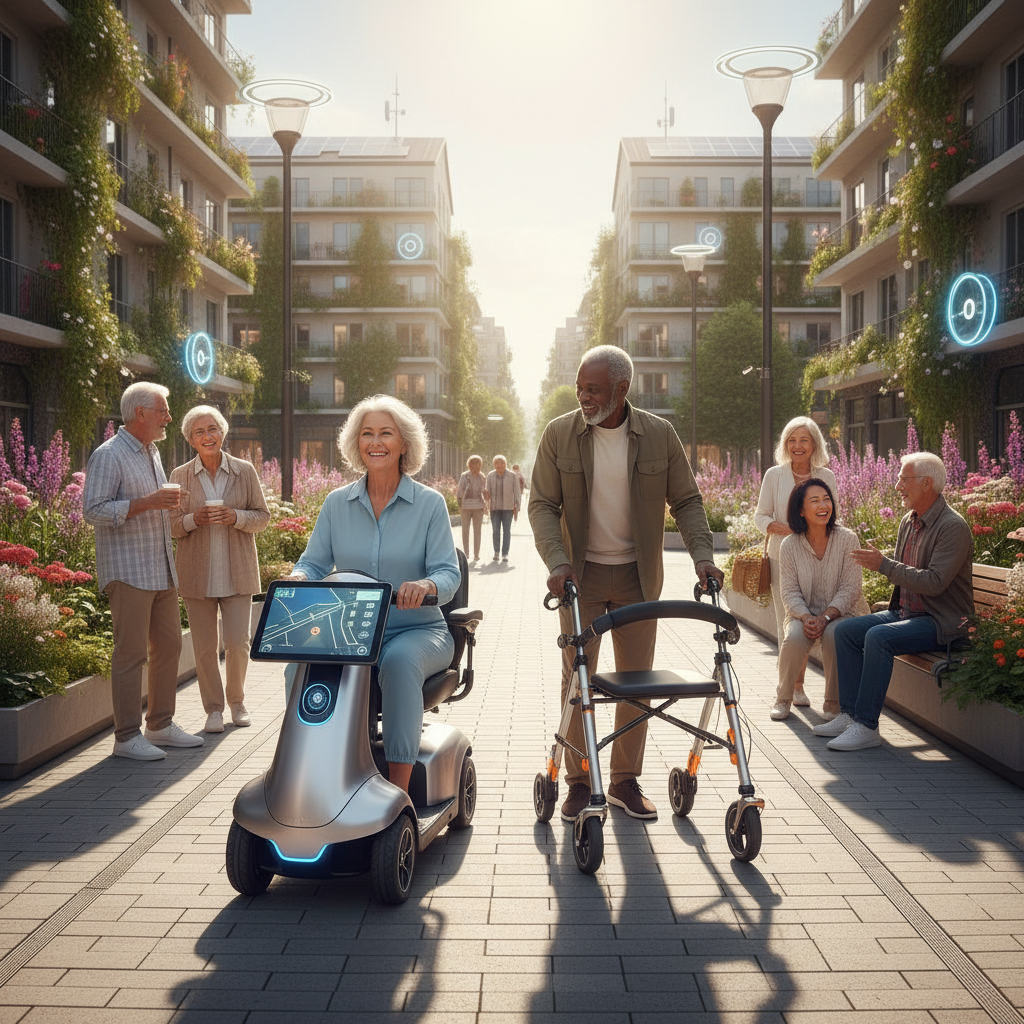
The rise of smart mobility solutions marks a significant shift in how seniors maintain independence and navigate daily life, with high-tech devices increasingly preferred over traditional walkers and mobility aids as of 2025. These advanced technologies integrate artificial intelligence (AI), the Internet of Things (IoT), and ergonomic design to offer features such as obstacle detection, automatic braking, GPS tracking, and personalized settings, which collectively enhance safety, usability, and comfort for older adults. The adoption of smart mobility devices responds to the growing global aging population and the escalating demand for assistive technologies that support autonomy and improve quality of life.
This transformation is notable for addressing the limitations of conventional mobility aids, which often lack adaptability and can be stigmatizing or insufficiently supportive for seniors facing complex health challenges. Smart devices not only facilitate safer movement but also integrate with smart home systems and health monitoring tools, fostering holistic care environments that promote physical and cognitive well-being. Furthermore, AI-powered mobility aids learn and adapt to user behaviors, enabling dynamic assistance that can reduce reliance on caregivers and help prevent accidents such as falls.
Despite the clear benefits, adoption of smart mobility solutions among seniors is influenced by multifaceted factors including digital literacy, affordability, privacy concerns, and social attitudes toward technology and dependency. Psychological barriers such as technophobia and fear of stigma persist, and physiological challenges related to aging necessitate user-friendly, customizable designs. Manufacturers and policymakers are responding with innovations in lightweight, foldable devices, subsidized programs, and age-friendly infrastructure initiatives to facilitate broader access and acceptance.
Looking ahead, the convergence of AI, smart mobility aids, and supportive urban planning is poised to further revolutionize senior mobility by enabling personalized, adaptive assistance within inclusive environments. Continued investment in research, development, and policy will be critical to overcoming remaining barriers and ensuring that these technologies can meet the evolving needs of an aging population, ultimately enhancing seniors’ autonomy, safety, and overall quality of life.
Background
Attention to the health and physical fitness of older adults has increased due to the natural effects of aging. Maintaining physical abilities, such as safe walking and mobility, plays a critical role in how health is perceived during old age. One of the earliest indicators of declining fitness in seniors is limited mobility, which can significantly impact their quality of life. Mobility aids have traditionally been used to assist older adults, but these devices often come with functional limitations that can reduce their effectiveness and user satisfaction.
In recent years, the integration of digital technologies, including artificial intelligence (AI) and the Internet of Things (IoT), has led to the development of smart mobility devices that go beyond conventional walkers. These advanced aids offer features such as automatic braking, obstacle detection, GPS tracking, and customizable settings tailored to individual needs. Such innovations not only enhance safety and independence but also improve comfort and usability for seniors.
The increasing adoption of smart mobility solutions is part of a broader trend aimed at improving the daily lives of older adults by addressing their mobility challenges with more intuitive and responsive technology. This trend aligns with ongoing research focused on co-designing assistive devices with older users to better meet their preferences and promote sustained use, counteracting historically high abandonment rates of mobility aids. Moreover, smart home technologies like automated shades and blinds contribute to energy savings and convenience, further supporting mobility-challenged individuals in their living environments.
As of 2025, the rapid pace of innovation in mobility aids is revolutionizing the way seniors maintain their independence, offering smarter, more adaptable solutions that enhance confidence and overall well-being in everyday activities.
Emergence of Smart Mobility Solutions
The landscape of mobility aids for seniors is undergoing a profound transformation with the advent of smart mobility solutions that integrate advanced technologies such as artificial intelligence (AI), machine learning, and the Internet of Things (IoT). Traditional devices like canes, walkers, and wheelchairs have long served to restore mobility and reduce social isolation among older adults; however, they often offer limited functionality and adaptability. In contrast, smart mobility devices are designed to respond dynamically to user needs and environmental conditions, significantly enhancing safety, independence, and overall quality of life.
Smart walkers and wheelchairs now incorporate features such as GPS tracking, obstacle detection, automatic braking, and health monitoring through wearable sensors. These capabilities enable real-time feedback, route mapping, emergency alerts, and even autonomous navigation, allowing seniors to move freely and safely both indoors and outdoors. Moreover, the integration of AI enables these devices to learn from user behavior and surrounding environments, improving their responsiveness and personalization over time.
By 2025, the convergence of AI, robotics, and IoT is expected to revolutionize assistive mobility technologies further, fostering greater autonomy while reducing reliance on caregivers. This evolving ecosystem supports a holistic biopsychosocial approach to disability, recognizing the importance of external factors such as assistive technology and social networks alongside individual health conditions and personal motivation.
Ongoing research and development efforts focus on improving device accessibility, sensory feedback, and communication through standardized protocols and design thinking methodologies. These innovations aim to address challenges related to technology customization, digital literacy among seniors, and privacy concerns, which are critical for widespread adoption of smart mobility aids.
Industry leaders, such as Drive DeVilbiss Healthcare, continue to innovate by offering affordable, high-quality, and ergonomically advanced mobility solutions that cater to diverse needs, including travel-friendly scooters and bariatric devices. The trend toward smart, connected mobility devices reflects a broader commitment to enhancing seniors’ autonomy and social participation in an increasingly digital world.
Technological Advancements in Smart Mobility Devices
The rapid evolution of smart mobility devices for seniors reflects significant technological advancements that enhance independence, safety, and user experience. Emerging trends focus on integrating artificial intelligence (AI), the Internet of Things (IoT), and ergonomic design improvements to address the diverse needs of elderly users.
Integration of Artificial Intelligence and Machine Learning
AI has become central to modern mobility aids, transforming traditional devices into adaptive, responsive systems. Smart wheelchairs, robotic walkers, and exoskeletons now incorporate AI to personalize assistance by learning from user behavior and environmental factors, thereby improving navigation and safety. For instance, AI-driven walkers utilize gait posture detection and predictive algorithms to automatically position themselves in front of the user, promoting forward-leaning posture to prevent falls while supporting propulsion through real-time adjustments. These devices also employ reinforcement learning techniques for sound source localization, enabling them to track users via voice commands and enhance human-robot interaction beyond conventional methods like buttons or gestures.
Moreover, AI extends its benefits beyond mobility, offering cognitive support and healthcare diagnostics. Tools such as AI-powered exoskeletons and smart navigation systems enhance physical mobility, while AI-based communication aids facilitate social interaction for individuals with cognitive and linguistic disabilities. This broad application underlines AI’s role not only as a component of assistive devices but also as an emerging assistive technology in its own right.
Internet of Things (IoT) and Smart Home Integration
IoT technologies complement AI by enabling real-time monitoring and data exchange within smart mobility solutions and home environments. Wearable sensors and environmental monitoring devices collect health metrics such as gait patterns, vital signs, and medication adherence, feeding this data into AI systems for personalized care and risk prediction. For example, smart home systems equipped with radar-based sleep monitors and automated lighting adjustments create adaptive living spaces that support seniors’ cognitive and physical well-being while maintaining autonomy through customizable settings.
The integration of generative adversarial networks (GANs) within IoT frameworks further enhances elderly care by enabling scalable, adaptive solutions that learn continuously from individual-specific health data. This facilitates proactive interventions and improves user experience in smart home environments by anticipating future health risks and providing timely assistance.
Enhanced Ergonomics and Multifunctional Interaction
In addition to advanced technologies, improvements in device ergonomics and usability play a vital role. Lightweight materials and designs, such as wheelchairs weighing as little as 9.3 kg, increase portability and ease of use, making high-tech devices more accessible for daily activities. Robotic walkers equipped with soft-robotic interfaces detect force pressure to predict emergencies like falls, while multi-modal human-robot interaction systems incorporate voice, gesture, and other inputs to enhance convenience and safety for older users.
The convergence of AI, IoT, and ergonomic innovation ensures that smart mobility devices not only provide physical support but also adapt dynamically to user needs, promoting autonomy and reducing caregiver dependence. As these technologies continue to advance, they are poised to revolutionize mobility aids by 2025, offering seniors unprecedented freedom and security in their daily lives.
Factors Driving the Shift Towards High-Tech Mobility Solutions
The growing adoption of high-tech mobility solutions among seniors is influenced by a complex interplay of demographic, technological, social, and psychological factors. A key driver is the rapid aging of the global population, with approximately two billion people expected to be aged 60 years and above by 2050, creating an expanding market demand for effective mobility aids that support autonomy and quality of life. Alongside this demographic shift, rising incidences of mobility-related health conditions and multiple chronic ailments, such as insomnia and memory decline, contribute to increased reliance on advanced mobility devices designed to address diverse health needs.
Technological advancements play a crucial role in this shift. The integration of artificial intelligence (AI) and Internet of Things (IoT) technologies into mobility aids has transformed traditional devices into smart, multifunctional solutions that enhance usability and personalization. Features such as ergonomic and customizable designs, smart sensors, and connectivity capabilities meet evolving user preferences and foster greater independence. The senior mobility aid devices market, valued at USD 10.4 billion in 2024, is projected to nearly double by 2034, growing at a compound annual growth rate (CAGR) of 7.1%, reflecting the accelerating adoption of these technologies.
Social and psychological factors also significantly influence seniors’ willingness to adopt high-tech mobility solutions. Positive attitudes towards technology are shaped by individual characteristics including age, income, education, and life satisfaction, as well as social influences such as support networks and cultural contexts. Conversely, barriers such as technophobia, feelings of stigmatization related to dependency, and concerns over privacy and surveillance can hinder adoption. Physiological challenges like declining vision and motor skills further complicate the use of complex devices, underscoring the need for user-friendly designs tailored to the elderly population.
Market trends toward independent living and home-based elderly care have increased demand for mobility aids that enable greater autonomy and self-sufficiency. The growth of online and direct-to-consumer sales channels has also facilitated broader accessibility to high-tech solutions, allowing seniors to obtain devices more conveniently and personalized to their needs.
Finally, while most research on mobility device use has been cross-sectional and limited in duration, longer-term studies highlight the dynamic nature of seniors’ mobility needs and preferences over time, emphasizing the importance of continual innovation and adaptation in high-tech mobility aids to better serve this population. Collectively, these factors are propelling a significant shift from traditional walkers to smart, technology-mediated mobility solutions among older adults in 2025 and beyond.
Adoption Trends Among Seniors in 2025
The year 2025 marks a significant shift in the adoption of high-tech mobility solutions among seniors, driven by a combination of technological advancements, changing social attitudes, and evolving individual needs. As the global population ages, with projections estimating around two billion people aged 60 and above by 2050, there is an increasing urgency to develop innovative products that enhance independence and quality of life for older adults.
Several factors influence seniors’ adoption of smart mobility devices. Personal characteristics such as age, gender, education, and income play a crucial role, alongside technology-related considerations including accessibility, cost, perceived usefulness, and ease of use. Moreover, social influences—comprising attitudes, beliefs, and behaviors shaped by family, peers, and cultural contexts—impact acceptance and utilization of these technologies. However, feelings of stigma associated with dependency and frailty may hinder adoption, as some seniors feel monitored or coerced when using technology-based mobility aids.
The COVID-19 pandemic accelerated the acceptance of assistive devices, highlighting their importance in home healthcare and reducing caregiver burden. This increased demand has especially benefited mobility aids, which currently hold the largest share in the elderly and disabled assistive devices market. Furthermore, the growing trend toward independent living among older adults fuels market expansion, with ergonomic and technologically advanced mobility aids becoming preferred choices over traditional walkers.
Industry data forecasts a robust growth trajectory for senior mobility aid devices, with the global market expected to reach USD 20.3 billion by 2034, expanding at a compound annual growth rate (CAGR) of approximately 7.1% from 2025 onwards. In the United States alone, the market size increased from USD 2.9 billion in 2021 to an estimated USD 3.4 billion in 2024, continuing to grow steadily.
AgeTech innovations have become increasingly prominent across multiple sectors, including health and mobility. Surveys such as the AARP 2025 Tech Trends report indicate that a majority of adults aged 50 and older (66%) anticipate that technology will enrich their lives by simplifying daily tasks and easing the aging process. This positive outlook suggests that seniors are increasingly embracing smart mobility solutions that offer greater autonomy and improved quality of life compared to traditional aids.
Benefits of Smart Mobility Solutions
Smart mobility solutions offer numerous advantages that significantly enhance the quality of life for seniors by promoting independence, safety, and social engagement. These advanced technologies not only restore physical mobility but also help reduce social isolation, which is a major challenge among aging populations. By integrating artificial intelligence (AI), robotics, and the Internet of Things (IoT), modern mobility aids such as walkers, canes, and wheelchairs are becoming smarter and more intuitive, enabling seniors to move freely and safely within their environments.
One of the primary benefits of these devices is the maintenance of autonomy. Assistive technologies designed with improved ergonomics, lightweight materials, and customizable features empower seniors to live independently with dignity and confidence. For example, smart wheelchairs offer programmable seating positions that assist with transfers and therapy, reducing physical strain for users and simplifying caregiving tasks. Furthermore, mobility devices equipped with GPS tracking and obstacle detection increase safety by preventing accidents and facilitating rapid responses during emergencies.
In addition to physical support, smart mobility solutions contribute to emotional well-being. Devices such as robotic assistants provide gentle, nonjudgmental support, helping to alleviate anxiety related to mobility challenges and fostering a sense of security and comfort. Smart home integrations, including automated blinds, lighting, and emergency response systems, further enhance convenience and peace of mind for both seniors and their families by allowing remote health monitoring and immediate assistance when needed.
Moreover, the incorporation of digital health technologies in fall prevention programs has demonstrated effectiveness in reducing fall-related injuries among older adults. These technologies provide timely alerts and enable early risk detection, leading to faster emergency response and better health outcomes. The ability to combine objective mobility data with patient-reported outcomes allows for superior assessment and personalized intervention strategies.
Beyond individual benefits, smart mobility solutions alleviate the day-to-day demands on caregivers by supporting self-management and reducing dependency. They also promote social connectivity by enabling seniors to engage more easily with others, counteracting the social stigma and reluctance sometimes associated with the use of assistive devices. However, adoption can be influenced by factors such as age, health status, income, and social context, emphasizing the importance of accessible, user-friendly designs and supportive social networks to maximize engagement with these technologies.
As the aging population continues to grow, the demand for smart mobility solutions is expected to rise, driven by their ability to enhance autonomy, safety, and overall well-being for seniors. These innovations mark a transformative shift in how mobility challenges are addressed,
Challenges and Barriers to Adoption
The adoption of smart mobility technologies by seniors faces multiple challenges stemming from physiological, psychological, social, and environmental factors. Age-related cognitive and physical changes, such as declining vision, hearing loss, and reduced motor skills, significantly impede the ability of older adults to learn and use new technologies effectively. These physiological impairments create hurdles not only in initial adoption but also in consistent and confident use.
Psychological barriers, including technophobia and limited digital literacy, further contribute to reluctance or difficulty in embracing smart mobility aids. Feelings of anxiety or fear about using unfamiliar devices can limit seniors’ willingness to engage with advanced technology, exacerbating the digital divide between generations. Moreover, social obstacles such as lack of adequate support or training in technology use can discourage adoption and sustained engagement.
Environmental and contextual factors also play a critical role. The complexity of living spaces and the need for customizable device settings highlight the necessity for smart mobility solutions that are adaptable to individual needs and environments. However, over-reliance on automation can result in seniors feeling a loss of control, which negatively impacts acceptance and satisfaction with the technology. Thus, a balance between AI-driven assistance and user autonomy is essential to enhance usability and trust.
Additionally, socioeconomic determinants—including financial constraints and uneven insurance coverage—pose significant barriers. For instance, while Medicare may cover a portion of costs for qualifying individuals, many seniors must navigate deductibles, prescriptions, and varying private insurance plans, which can complicate access to these technologies. This financial complexity, coupled with other social determinants such as gender and cultural factors, underscores the need for innovative financing models and policy interventions to promote equitable access.
Lastly, the integration of assistive mobility technologies must carefully consider the lived experiences and specific challenges faced by older adults to realize their full potential. Without addressing the multifaceted determinants influencing mobility and technology adoption, including physiological, psychological, social, and environmental factors, the benefits of smart mobility devices may remain limited among seniors. Therefore, ongoing research and user-centered design are crucial for developing solutions that truly support independence and quality of life for the elderly population.
Manufacturer and Policy Responses to Challenges
Manufacturers are increasingly focusing on developing CE-certified, featherlight, and foldable mobility devices tailored to meet the evolving needs of seniors, emphasizing both portability and ease of use. Companies like Invacare Corporation stand out by leveraging strong research and development capabilities and clinical partnerships to produce ergonomically designed manual and powered wheelchairs that prioritize durability and comfort for both institutional and homecare markets globally. Similarly, Sunrise Medical’s launch of the Empulse F35 power assist scooter in April 2025 highlights ongoing innovation aimed at expanding the power assist portfolio, catering to seniors seeking enhanced mobility solutions.
The competitive landscape also benefits from a vast collaborative network, comprising over 500 companies across various industries, which fosters innovation by connecting stakeholders involved in shaping the future of aging and mobility. This collaborative approach enables manufacturers to respond effectively to the complex determinants of senior mobility by integrating environmental, technological, and accessibility considerations into product development.
From a policy perspective, governments are promoting home-grounded senior care and encouraging mobility independence through subsidies and incentives designed to support the adoption of advanced assistive technologies. These funding initiatives are crucial in enabling companies to invest in cutting-edge technologies such as artificial intelligence and robotics, which drive the creation of smarter mobility aids. Additionally, targeted public health budgets support pilot programs that test and refine these innovations to ensure they effectively meet seniors’ needs prior to widespread implementation.
Policy frameworks and urban planning efforts are also evolving to complement individual mobility solutions with age-friendly infrastructure and smart public transportation systems that prioritize accessibility and walkability for seniors. These integrated approaches reflect a growing recognition of the biopsychosocial model of disability, emphasizing the interaction between health conditions, environmental factors, and personal elements to create more holistic support systems for aging populations.
Evidence and User Experiences
Empirical studies have demonstrated that a combination of socioeconomic, psychological, and physiological factors significantly influences older adults’ adoption of smart mobility solutions. Factors such as age, life satisfaction, income, and health conditions—including chronic issues like insomnia, memory decline, and mobility impairments—play critical roles in determining willingness to use smart home services and assistive technologies. Declining vision and motor skills, alongside psychological barriers such as technophobia and limited digital literacy, further complicate adoption for many seniors, underscoring the need for user-friendly and accessible designs to bridge the digital divide.
User experiences highlight both the benefits and challenges associated with the transition from traditional mobility aids to AI-enhanced smart devices. While mobility aids such as wheelchairs, scooters, and walkers remain essential for many, users often face difficulties related to cost, maintenance, and device wear and tear. However, the integration of AI into assistive technology is transforming these challenges by providing adaptive, personalized solutions that improve autonomy and quality of life. AI-powered devices—ranging from smart wheelchairs to wearable exoskeletons—offer enhanced safety, comfort, and independence by learning from user behavior and adjusting to individual needs over time.
The emergence of AI as a core component of assistive technology also introduces new considerations. Privacy concerns, digital literacy barriers, and the necessity for customization remain significant obstacles to widespread adoption among the elderly population. Despite these challenges, AI-driven tools like OrCam’s MyEye and dot Lumen glasses have proven effective in delivering real-time assistance to users with visual impairments, while conversational agents and accessibility platforms aid individuals with cognitive and linguistic disabilities, improving communication and educational opportunities.
Additionally, objective monitoring technologies combined with patient-reported outcomes are reshaping clinical approaches to mobility-related health risks, such as fall prevention. These innovations enhance the precision of risk assessments and support proactive interventions, which traditional self-report methods often miss. The integration of wearable sensors, AI modules, and secure data handling within smart home environments exemplifies a scalable, adaptable framework designed to continuously improve user experience and care for the elderly.
Together, the evidence and lived experiences of older adults underscore a clear trend: seniors are increasingly favoring high-tech mobility solutions that not only address traditional limitations but also leverage intelligent technologies to promote independence and well-being in 2025 and beyond.
Future Outlook
The future of senior mobility is poised for transformative advancements driven by the integration of cutting-edge technologies and innovative urban design. By 2025 and beyond, the convergence of artificial intelligence (AI), smart mobility aids, and age-friendly infrastructure is expected to significantly enhance the independence and quality of life for older adults.
AI plays a central role in this evolution, enabling personalized and adaptive solutions that go beyond traditional assistive devices. Smart wheelchairs, exoskeletons, and AI-powered mobility aids such as electric scooters and stair-climbing wheelchairs are becoming more intuitive and responsive to individual needs. Additionally, AI-driven systems can analyze health data to predict trends and recommend tailored interventions, ensuring seniors receive optimized care and support. Technologies like OrCam’s MyEye and dot Lumen glasses demonstrate how AI can provide real-time assistance to visually impaired seniors, while AI tools such as ChatGPT 4 and Verbit enhance communication and cognitive support for those with linguistic or cognitive challenges.
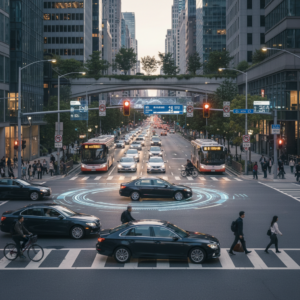
Beyond personal devices, future mobility solutions emphasize the importance of environment and urban planning. Smart public transportation systems designed with senior accessibility in mind, along with walkable and age-friendly urban spaces, are expected to complement individual mobility aids. These developments aim to create a holistic ecosystem where seniors can navigate their communities with greater ease and safety.
Funding and policy initiatives will be critical in driving these innovations forward. Increased public health budgets and targeted investments are anticipated to support research, pilot programs, and the refinement of mobility technologies. These efforts will help ensure that emerging solutions are practical, effective, and tailored to the diverse needs of the aging population.
Finally, comprehensive approaches that address multiple determinants of mobility—ranging from personal health and technology to environmental design and social support—are essential. Effective integration of assistive technologies within smart homes, accessible public spaces, and supportive policy frameworks will shape a future where seniors can maintain mobility and independence with unprecedented ease.
The content is provided by Harper Eastwood, Front Signals