
Summary
Transform Your Space: Discover the Perfect Living Room Set explores the essential elements and considerations involved in selecting and designing living room furniture sets that combine style, comfort, and functionality. Living room sets typically consist of coordinated pieces—such as sofas, loveseats, chairs, ottomans, and tables—arranged to create a cohesive and inviting environment central to social interaction and relaxation in the home. The article provides an overview of the historical development, influential design movements, material innovations, and contemporary styles that shape living room aesthetics and utility today.
This topic is notable due to the living room’s role as a focal point of domestic life, reflecting cultural trends, technological advancements, and personal taste. From handcrafted wood furniture of the Arts and Crafts movement to sleek, minimalist modern designs inspired by Bauhaus and Scandinavian principles, living room sets illustrate a dynamic interplay between tradition and innovation. The article also addresses practical concerns such as layout, color coordination, and maintenance, highlighting how these factors impact both the visual appeal and daily usability of living spaces.
Sustainability and material technology feature prominently as contemporary priorities, with increasing emphasis on eco-friendly fabrics, recycled materials, and durable construction methods that reduce environmental footprints without compromising style or comfort. Additionally, the guide underscores the importance of personalized choices, balancing aesthetics with lifestyle needs to create living rooms that feel lived-in and welcoming rather than merely decorative.
While generally focused on enhancing living environments, the topic engages with occasional controversies regarding mass production versus handcrafted quality, environmental impact of materials like plastics and hardwoods, and evolving consumer preferences in a fast-changing design market. These discussions underscore the complexity of furnishing living rooms that are simultaneously beautiful, functional, and responsible in a modern context.
Overview of Living Room Sets
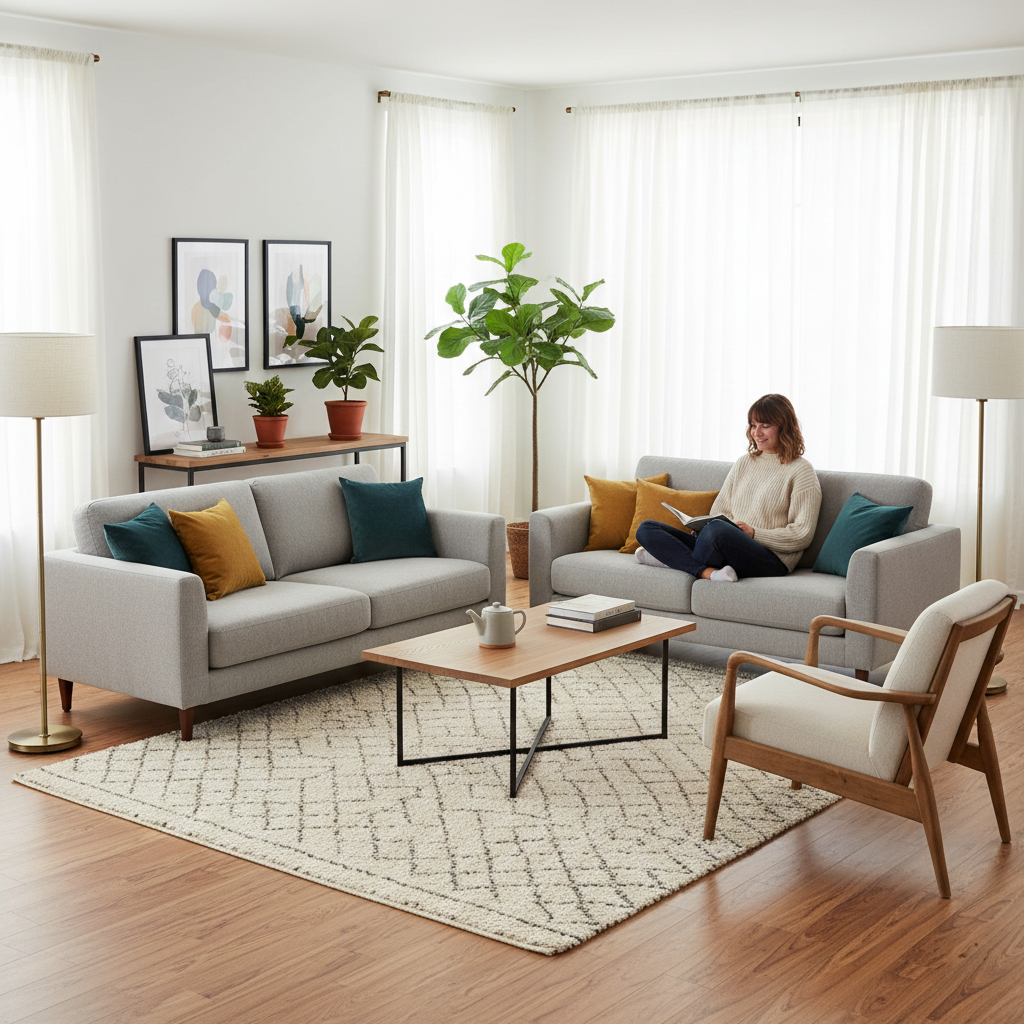
Living room furniture sets are collections of coordinated pieces designed to furnish the central social and relaxation area of a home. These sets typically include essential seating options such as sofas and loveseats, often accompanied by additional elements like accent chairs, ottomans, coffee tables, and side tables to create a cohesive and functional space. The number of pieces in a set can vary widely, ranging from as few as two items to comprehensive groupings of up to nine or more pieces, depending on room size and user needs.
Modern living room sets tend to emphasize clean lines, minimalistic design, and functionality, often employing neutral color palettes and materials such as metal, glass, and leather to achieve a sleek, contemporary aesthetic. Transitional sets blend traditional and modern styles, offering versatility that suits a variety of tastes and interiors. Seating configurations also vary; for instance, sectionals are ideal for larger rooms or home theater environments due to their expansive, reclining seating options, while loveseats and two-seaters better fit smaller spaces.
Functionality is a key consideration when selecting a living room set. The inclusion of practical pieces such as storage ottomans or cocktail ottomans that double as coffee tables can enhance utility without sacrificing style. Matching upholstery, color, and style across the pieces ensure visual harmony, though mixing complementary items can provide character and balance without strict symmetry. Overall, living room furniture sets offer a combination of comfort, style, and practicality tailored to the specific needs and space constraints of the household.
Historical Development
The evolution of living room sets is deeply intertwined with the broader historical shifts in furniture design, driven largely by technological advancements and cultural movements. The Industrial Revolution, beginning in late 18th-century Britain, was a pivotal moment that transformed furniture production from artisan, handmade processes to machine manufacturing on a large scale. This shift enabled the mass production of items such as chairs, tables, and other household essentials at affordable prices, making furniture more accessible to the general public.
In the 19th century, the ‘New Style’ emerged, characterized by a fusion of earlier styles, shapes, and decorative elements. This period witnessed the rise of industrialization, which facilitated unprecedented quantities of mass-produced furniture and decorative objects. In reaction to this, the Arts and Crafts movement arose, led by designer William Morris, emphasizing a return to craftsmanship and delicate, handcrafted designs that sought to transcend the impersonal nature of machine-made products.
The early 20th century introduced transformative design movements such as Art Nouveau and Art Deco. Art Nouveau, emerging in the late 19th century, celebrated organic forms, flowing lines, and nature-inspired motifs, leaving a lasting mark on furniture history. Art Deco followed with its distinctive aesthetic that combined elegance and modernity. During this time, the world experienced rapid technological advancements and social changes, which influenced architecture and interior design. Movements like Bauhaus embraced functional, durable materials and a minimalist aesthetic, responding to the evolving needs and tastes of society.
Today, the legacy of these movements endures, inspiring a continued appreciation for handcrafted furniture that harmonizes form, function, and artistic expression, standing as a counterpoint to the era dominated by mass production.
Design Movements and Influential Designers
The evolution of living room design is deeply intertwined with several pivotal design movements and the influential designers who shaped them throughout history. These movements reflect broader societal changes, technological advancements, and shifts in aesthetic preferences that continue to inspire modern interiors.
Early Influences: Neoclassicism and the Arts & Crafts Movement
In the late 18th century, Neoclassicism emerged as a reaction against the excesses of previous styles, emphasizing classical clarity with simple lines, Greco-Roman motifs, and balanced proportions. Prominent designers such as Thomas Chippendale, Robert Adam, and George Hepplewhite championed this style, creating timeless furniture pieces that remain influential today.
The 19th century saw the democratization of furniture through mechanized production, which in turn sparked the Arts & Crafts movement as a form of resistance. Led by figures like William Morris, this movement emphasized handcrafted quality, honest materials, and human-centered design, promoting a return to the meticulous craftsmanship of earlier periods to counter the rise of mass production.
Late 19th and Early 20th Century: Art Nouveau and Art Deco
Art Nouveau emerged in the late 19th century as an artistic response to the industrial age’s sterility, favoring organic forms, flowing lines, and nature-inspired motifs. This movement incorporated curved lines, floral designs, and elements such as stained glass to create furniture that was both functional and artistically expressive.
Following Art Nouveau, Art Deco became the defining style of the Roaring Twenties, combining geometric shapes, bold colors, and luxurious materials like chrome and lacquered wood. Originating from the French expression ‘Les Arts Décoratifs’, Art Deco reflected technological advancements and sought to blend functionality with artistic design, leaving a lasting mark on living room aesthetics.
Modernism and Beyond: Bauhaus and Scandinavian Design
The 20th century brought revolutionary changes with the rise of Modernism, particularly through the Bauhaus movement, which emphasized simplicity, clarity, and function over ornamentation. Designers began exploring new materials such as tubular steel, bent plywood, and plastics, challenging traditional forms and manufacturing methods. Scandinavian design also emerged during this period, characterized by minimalism, natural materials, and practicality.
Influential Designers Across Eras
Spanning these movements, numerous designers left a significant impact on living room design. From Otto Wagner at the end of the 19th century to contemporary figures like Jasper Morrison, the evolution of modern design is marked by creative minds such as Frank Lloyd Wright, Walter Gropius, and Eero Saarinen. Their work encapsulates the transition from handcrafted artistry to industrial innovation while maintaining a focus on aesthetics and functionality.
Together, these movements and designers have shaped the living room sets we know today, blending tradition with innovation and inspiring timeless interiors that balance form, function, and artistic expression.
Materials and Construction
The materials used in living room furniture play a crucial role in determining durability, aesthetic appeal, environmental impact, and overall functionality. Throughout the 20th century, innovations in manufacturing and material technology revolutionized furniture design and production, enabling the creation of new forms and making stylish pieces more accessible to a wider audience.
Wood
Solid hardwoods such as oak, maple, walnut, cherry, and mahogany have long been favored for their strength, longevity, and timeless beauty. These woods are highly durable, scratch-resistant, and tend to age gracefully, making them ideal for long-lasting furniture. Maintenance of solid wood pieces involves careful cleaning practices—using soft, slightly damp cloths and avoiding harsh chemicals that can strip protective finishes and natural oils. However, it is important to consider the environmental impact associated with wood furniture, as the processes of harvesting, transporting, and manufacturing hardwood can be energy-intensive and contribute to greenhouse gas emissions. Sustainability efforts include assessing the carbon footprint of different wood types and sourcing materials locally or from responsibly managed forests.
Engineered Wood and Plywood
The mid-20th century saw the emergence of engineered woods such as plywood, which allowed designers like Charles and Ray Eames to mold furniture into innovative shapes previously impossible with solid wood alone. Plywood remains valued for its versatility and affordability, often used in combination with veneers or laminates to create modern and functional furniture pieces.
Metals
Metal furniture has grown in popularity due to its strength, lightweight nature, and sleek aesthetic. Common metals used include steel, aluminum, and brass, which are frequently incorporated into frames, legs, and accents. Metal furniture is noted for its easy maintenance and modern appeal, often complementing contemporary interior designs.
Plastics and Laminates
Materials like plastic and Formica became symbolic of mid-century furniture design, especially for dining sets and accent pieces. These materials enabled mass production of affordable, colorful, and easy-to-clean furniture, characteristic of retro styles seen in diners and casual settings. Despite their convenience, plastics typically involve significant embodied carbon and environmental costs throughout their production and disposal lifecycle, prompting increased interest in more sustainable alternatives.
Upholstery Fabrics
Upholstery choices impact both comfort and durability. Performance fabrics such as those developed by Crypton have become industry leaders, offering stain resistance, odor control, and easy maintenance, ideal for families and pet owners. These fabrics come in a wide array of textures and materials—including velvets, linens, chenille, and genuine leather—and are often manufactured with sustainability in mind. Many performance textiles employ closed-loop recycling technologies, use cotton yarns derived from recycled apparel waste, and are PFAS-free and GREENGUARD Gold certified, reflecting a commitment to reducing environmental impact while maintaining high standards of quality.
Sustainability and Innovation
Sustainability continues to shape material choices and construction methods in living room furniture. Designers increasingly incorporate recycled and repurposed materials—such as reclaimed wood, recycled metals, and upcycled fabrics—to reduce environmental footprints and create unique, eco-friendly pieces. Additionally, technological advances are transforming furniture into smarter, more sustainable products that align with contemporary environmental concerns and consumer preferences.
Color Coordination and Aesthetic Impact
Color coordination plays a crucial role in achieving a unified and visually appealing living room space. Selecting hues from the same color family can create a harmonious and cohesive theme, while choosing colors on opposite sides of the color wheel introduces contrast and vibrancy. Understanding the science behind color coordination not only enhances aesthetic appeal but also saves time, money, and effort in design decisions.
Research has demonstrated that interior color affects occupants’ mood, preferences, and satisfaction with their environment. A study involving 443 students living in buildings painted in different interior colors found a general preference for blue interiors, followed by green, violet, orange, yellow, and red. Importantly, residents showed a bias towards the specific color of their living space, indicating that prolonged exposure influences color preference. Additionally, the color of a room significantly impacted the perceived lightness level, which in turn affected occupants’ mood and functioning. Gender differences were also observed, particularly in preferences for blue and violet hues. These findings suggest that selecting interior colors is not only an aesthetic choice but also one that can impact emotional well-being and comfort over time.
Color trends continue to shape living room design, reflecting broader cultural values and moods. For 2024, soft and soothing palettes such as neutral tints and delicate shades are predicted to dominate, encouraging calm and relaxation in home environments. Colors like Drift of Mist, a soft neutral, paired with subtle contrasts like white trim, are favored for creating ultra-soothing spaces without overwhelming the senses. Meanwhile, bold and lively colors, such as Krylon’s Bluebird, reflect the trend of “dopamine decor,” where spaces are designed with colors that promote happiness and energy. Integrating these trends thoughtfully can help transform a living room into a balanced space that supports both aesthetic enjoyment and emotional well-being.
Layout and Arrangement
Effective furniture layout and arrangement are fundamental to creating a living room that is both functional and aesthetically pleasing. One of the most important considerations is ensuring smooth traffic flow, so occupants can move freely without tripping over furniture or crowding pathways. Maintaining at least a couple of feet between key pieces such as coffee tables, sofas, and chairs helps achieve this ease of movement.
Maximizing space involves carefully selecting furniture that fits the room’s scale and proportions to avoid overcrowding while maintaining a spacious feel. Arranging furniture around a central focal point, such as a fireplace or artwork, creates visual balance, especially when larger and smaller items are thoughtfully positioned in relation to one another. Creating distinct functional zones—like conversation areas, dining spaces, or reading nooks—can also optimize the room’s use and flow, providing clear purpose to each segment of the space.
When dealing with multiple entrances, it is crucial to ensure that each entry remains accessible without blocking pathways. Furniture should be arranged to facilitate a seamless flow through the room, with consideration for the purpose of each entrance. Smaller-scale or multi-functional furniture pieces, such as ottomans with storage, are practical choices that prevent the room from feeling cramped. Angling furniture slightly can add visual interest and improve circulation while maintaining a welcoming atmosphere.
Regarding overall layout style, the traditional rigid, mirror-image symmetry is giving way to more relaxed and characterful designs. Contemporary approaches favor “structured asymmetry,” where a balance is achieved without predictability by anchoring one side with visual weight and allowing the other side to breathe. This harmony in tension results in a layout that feels balanced and elegant, especially in multifunctional spaces that naturally resist strict symmetry. For small living rooms, layouts that emphasize flow and proportion are especially important to make the most of limited space and maintain comfort.
By thoughtfully combining principles of flow, balance, scale, and function, living room layouts can be transformed into inviting, practical environments that reflect both style and ease of use.
Popular Styles and Design Themes
Living room sets today encompass a wide range of styles and design themes that cater to diverse tastes and preferences. These styles often draw inspiration from historical movements, cultural influences, and evolving societal trends, blending functionality with aesthetic appeal.
Rustic and Country
Rustic living room sets evoke a cozy, country-inspired atmosphere by using natural materials such as wood and leather, along with warm, earthy color palettes. The country style, influenced by American folklore and French rural traditions, incorporates handmade textiles, indigenous materials, and simple accents like picture frames and animal or human figurines. Walls typically feature light tones such as cream or white, often decorated with patterned wallpapers and artwork that enhance the rural motif.
Scandinavian Minimalism
Scandinavian design emphasizes clean lines, simplicity, and functionality, often utilizing light colors and natural materials. This minimalist approach creates serene and uncluttered spaces that feel both modern and inviting. Antique-style Scandinavian furniture, combined with artistic interiors, is a common feature of this style, which blends well with other design elements to create harmonious living rooms.
Mid-Century Modern
Mid-Cent
Factors to Consider When Choosing a Living Room Set
Selecting the right living room set is essential to create a space that is both functional and visually appealing. One of the primary considerations is identifying the essential pieces, which typically include a sofa or sectional, a loveseat, and a matching chair. To further enhance the room’s functionality and style, adding items such as a coffee table, end tables, and an entertainment center can be beneficial.
Proper measurement of the available space is crucial before purchasing furniture. Without accurate dimensions of both the room and the furniture, there is a risk of overcrowding or selecting pieces that do not fit through doorways. Overcrowding can make a room feel cramped and restrict movement, so it is advisable to stick to essential items while allowing enough negative space to maintain openness and comfort. Arranging furniture around a central focal point, like a fireplace or artwork, helps to achieve balance and cohesion in the room’s layout.
Material choice is another vital factor. Durability, maintenance, and suitability to lifestyle and climate should guide the selection process. Solid wood, such as oak or maple, is favored for its strength and longevity, while metal frames are durable options for certain furniture types. For budget-conscious yet durable choices, plywood is a practical alternative due to its resistance to warping compared to particle board. Additionally, cushioning materials like high-density foam offer comfort and resilience in seating furniture.
Aesthetic elements also play a significant role. Choosing a color scheme and style that reflects personal taste can influence the overall ambiance of the living room. For instance, area rugs should be appropriately sized to anchor the seating arrangement, with at least the front legs of major furniture pieces resting on the rug to create visual unity. Larger coffee tables not only serve as functional surfaces but also act as focal points within the seating area.
Finally, the living room is more than just a decorated space; it is the heart of the home where people gather daily. As such, it should feel “lived in” and inviting rather than merely an expensively furnished room that sees little use. This approach emphasizes comfort and usability, aligning with the idea that the living room should cater to everyday family life and social interaction.
Maintenance and Care
Proper maintenance is essential to preserve the durability, appearance, and value of living room furniture. Different materials require specific care routines to ensure longevity and performance.
Wood Furniture
Solid wood, such as oak, maple, cherry, and mahogany, is prized for its strength and craftsmanship. To maintain its beauty, regular cleaning with a soft, slightly damp cloth followed by immediate drying is recommended. Harsh cleaners or chemicals should be avoided as they can strip the wood’s natural oils and protective finish, leaving it vulnerable to damage. Additionally, applying quality wood wax or oil every few months helps replenish these oils and maintains the wood’s luster. Keeping wood furniture clean and well-maintained not only preserves its functional use but also its craftsmanship and personal style.
Upholstery Fabrics
Performance fabrics used in upholstery are designed to withstand everyday wear, including spills, stains, and odors. These fabrics often feature stain-repellent and odor-resistant technologies, such as Crypton’s patented treatments, making clean-up easy and effective. Many performance fabrics are also sustainable, being made from recycled cotton yarns and certified for environmental safety, including GREENGUARD Gold certification. Regular cleaning according to manufacturer guidelines ensures that these textiles maintain their durability and appearance over time.
Metal Furniture
Metal furniture, crafted from materials like steel, aluminum, and brass, is gaining popularity for its modern aesthetic and versatility. It is strong, lightweight, and easy to clean, often requiring just a soft cloth and appropriate cleaners for maintenance. Metal’s resistance to damage and ease of upkeep make it a practical choice for both indoor and outdoor living room sets.
By implementing these targeted care routines tailored to the furniture’s material, homeowners can ensure their living room sets remain attractive and functional for many years.
Tips for Transforming Your Living Space
When reimagining your living room, it is essential to think beyond the floor plan and consider how the space functions in daily life. Evaluating areas of high activity, entry points, and existing furniture arrangements can help determine what changes will improve usability and comfort. For instance, removing a doorway may reduce flexibility but can create a full wall for seating, enhancing balance and reducing visual clutter, ultimately transforming the flow and feel of the room.
A well-planned furniture selection is critical to achieving both style and functionality. Start by measuring your space and considering how many people will regularly use the area. Choose fabrics and materials that suit your lifestyle, and use rugs to anchor seating zones, uniting the design cohesively. Decide whether you want intimate seating for relaxation or a more open arrangement for hosting conversations.
Color and personalization also play a vital role in curating your dream interior. Coordinating furniture with your chosen living room color scheme can make the space more inviting and reflective of your taste. Don’t hesitate to incorporate bold colors or patterns through accent pieces that add vibrancy without clashing with existing decor.
Focusing on furniture essentials is important—seating should be the primary consideration, followed by storage, media placement, and occasional tables. Arranging furniture around a central focal point such as a fireplace or artwork promotes balance and harmony in the space. Pay attention to scale and proportions to avoid overcrowding and maintain an open, spacious feel.
Prioritizing comfort and flow ensures that movement within the room is effortless and the environment encourages relaxation and socializing. Thoughtful planning, including accurate measurements, helps select pieces that complement the room’s dimensions and enhance its functionality.
Lastly, incorporating sustainable materials, such as eco-friendly upholstery fabrics made through closed-loop recycling, can contribute to a more environmentally responsible design without compromising style or durability. Adding small accent pieces like candles, vases, and sculptures can also enhance the ambiance and warmth of your living room without significant expense.
Buying Guide
When selecting the perfect living room set, it is essential to consider various factors such as materials, style, durability, and functionality to ensure your investment suits both your space and lifestyle. Understanding the different types of furniture materials can help you make an informed choice that balances aesthetics with practicality. A comprehensive guide to furniture materials highlights the pros, cons, and characteristics of ten common options, enabling buyers to select the best fit for their home environment.
Living room furniture today comes in a diverse range of styles and configurations. Many stores offer combinations including sofas, loveseats, reclining options, and leather finishes. Additional pieces such as ottomans, settees, chaises, benches, and stools can complement your set and provide greater flexibility and comfort. Modular furniture, popularized in the 1960s and 70s, remains a favored choice for those seeking adaptable layouts, allowing users to rearrange pieces according to their space and preferences.
Durability is a crucial consideration since living room furniture undergoes daily use, from sitting to lounging and napping. Upholstery fabrics with enhanced durability, such as those using Crypton technology, offer stain resistance and are often GREENGUARD Gold Certified, contributing to healthier indoor environments. Many brands now back their performance fabrics with warranties—commonly two years for upholstery and up to five years for contract-grade materials—demonstrating their commitment to quality and innovation.
Additionally, customer reviews and expert recommendations can guide you toward sets that excel in comfort, function, and overall satisfaction. Products that score highly in these areas often provide versatile arrangements and exceptional ease of use, making it easier to create a cozy and well-organized living space. Whether you are upgrading a single sofa or furnishing an entire room from scratch, considering these factors will help you transform your space with a living room set that meets your needs and style.
The content is provided by Harper Eastwood, Front Signals