
Summary
The proposed $1.776 billion “Anti-Weaponization Fund” by the Trump Administration aimed to compensate individuals who claim to be victims of politically motivated actions by the government. It was established as part of a settlement for a lawsuit concerning leaked tax returns, providing a claims process overseen by the Department of Justice (DOJ). Controversy arose regarding its vague eligibility criteria and funding source from the federal Judgment Fund, leading to debates over legality, transparency, and potential partisan misuse.
Supporters argue that the fund addresses injustices from government actions, while critics, including legal experts and some lawmakers, express concerns about its constitutionality and the risks of biased payouts. Legal challenges arose, culminating in a federal judge’s injunction against the fund, leading to discussions about its potential elimination amid growing legal and political pressures.
Background
The fund was linked to a $10 billion lawsuit from President Trump and his family against the IRS, alleging negligence in managing a contractor who leaked tax returns. Initially proposed by Acting Attorney General Todd Blanche in May 2023, it is intended to provide compensation for victims of “lawfare” and “weaponization,” yet the commission to process claims has not been appointed. Unlike typical settlements, this fund aims toward a broader group of claimants alleging prosecutorial overreach, raising concerns about congressional authority and possible violation of constitutional norms.
While some compare it to prior administrations’ actions, the fund’s unclear eligibility criteria could lead to arbitrary applications, complicating potential legal disputes. Observers among independent legal organizations have stepped in to help prospective claimants navigate the process as discussions continue regarding its legality and definition of terms like “lawfare.”
Trump Administration’s Position
The Trump Administration staunchly defends the fund, claiming it rectifies government overreach against victims of “lawfare.” Acting Attorney General Blanche stresses that this initiative offers a lawful means for individuals to seek justice, arguing against criticisms as politically motivated. Despite ongoing legal challenges, including an injunction halting its implementation, the administration believes the fund fills a significant gap concerning accountability for previous governmental actions.
Reports of Elimination
Recent reports indicate that the Trump administration may eliminate the Anti-Weaponization Fund in light of legal challenges and criticisms regarding its vague criteria. A federal judge’s order prevents the fund from operating until further legal arguments are resolved. Critics emphasize that the fund’s lack of clear definitions allows for arbitrary payouts, raising questions about accountability and the appropriate use of taxpayer money.
While advocates argue that the fund addresses vital grievances, its future remains uncertain as potential legal and political repercussions loom. Observers suggest that subsequent administrations could dismantle the fund, reflecting a common trend of reversing non-legislative actions taken by predecessors.
Reactions
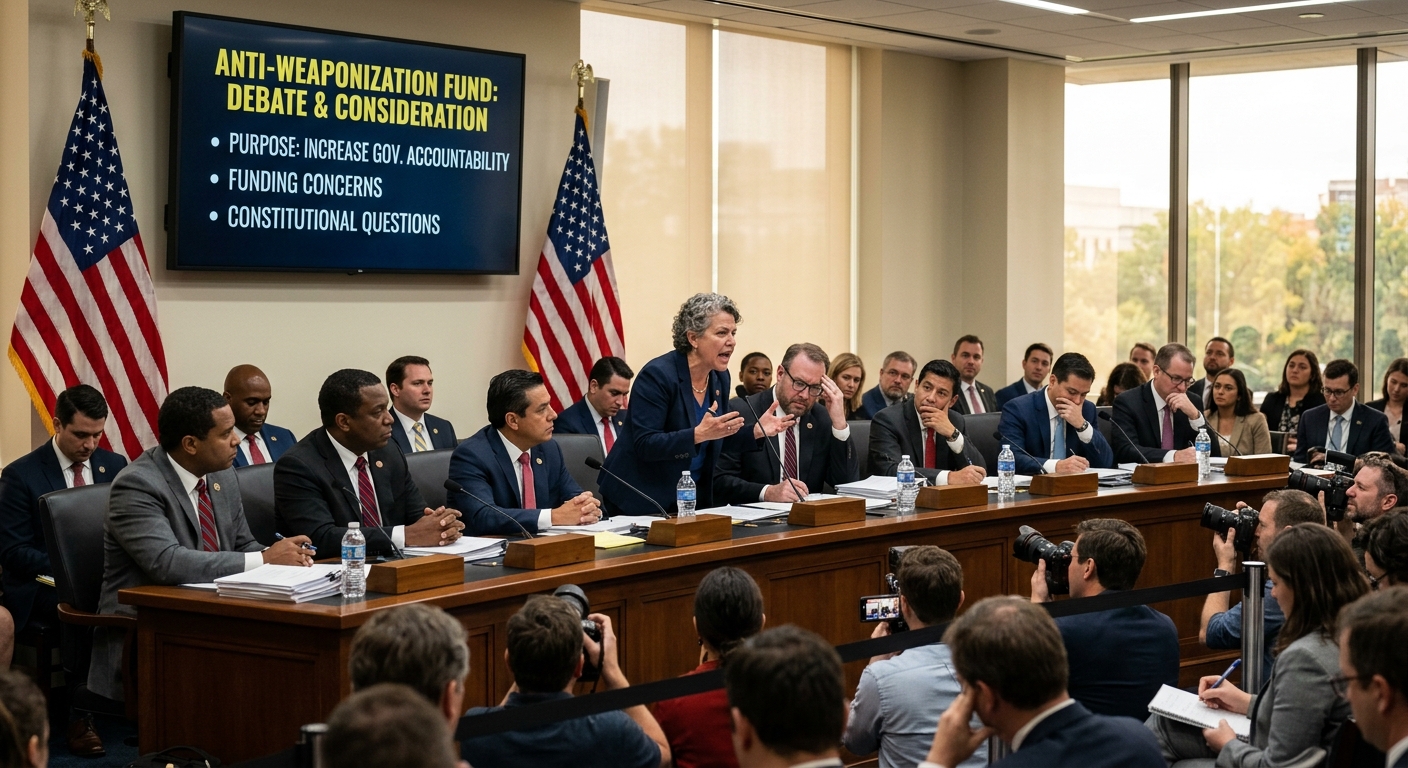
The fund’s announcement provoked strong reactions across the political landscape, with Democrats and public-interest organizations portraying it as a partisan tool benefiting Trump’s allies. They argue that it undermines congressional authority and could enable political favoritism with taxpayer funds. Even some Republicans expressed concerns about compensating individuals involved in attacks on the government, highlighting divisions even within Trump’s support base.
In contrast, the Justice Department insists the fund serves as a necessary remedy against previous administrations’ misuse of power. Legal analysts maintain skepticism about its lasting impact, suggesting that future legal challenges may arise from the fund’s ambiguities and lack of statutory grounding. Public discourse surrounding the fund highlights ongoing concerns about fairness, accountability, and trust in governmental processes.
Implications
The establishment of the Anti-Weaponization Fund by the DOJ underscores significant implications for federal power dynamics and broader political discourse. Although aimed at providing a structured process for those claiming government misconduct, critics highlight the subjective nature of its eligibility criteria and question the transparency of its administration. Legal experts warn of potential difficulties in challenging the fund’s legality and administrative actions due to the lack of clearly defined criteria.
This initiative reflects ongoing tensions regarding separation of powers, with critics suggesting it contributes to a broader context of executive overreach. The fund’s structure may disproportionately favor specific political allies, further complicating its legitimacy in addressing grievances across the political spectrum. Despite its intended purpose, the fund faces hurdles as legal challenges threaten its operations and the future of similar initiatives amid debates over executive power and accountability.
The content is provided by Jordan Fields, Front Signals