
Summary
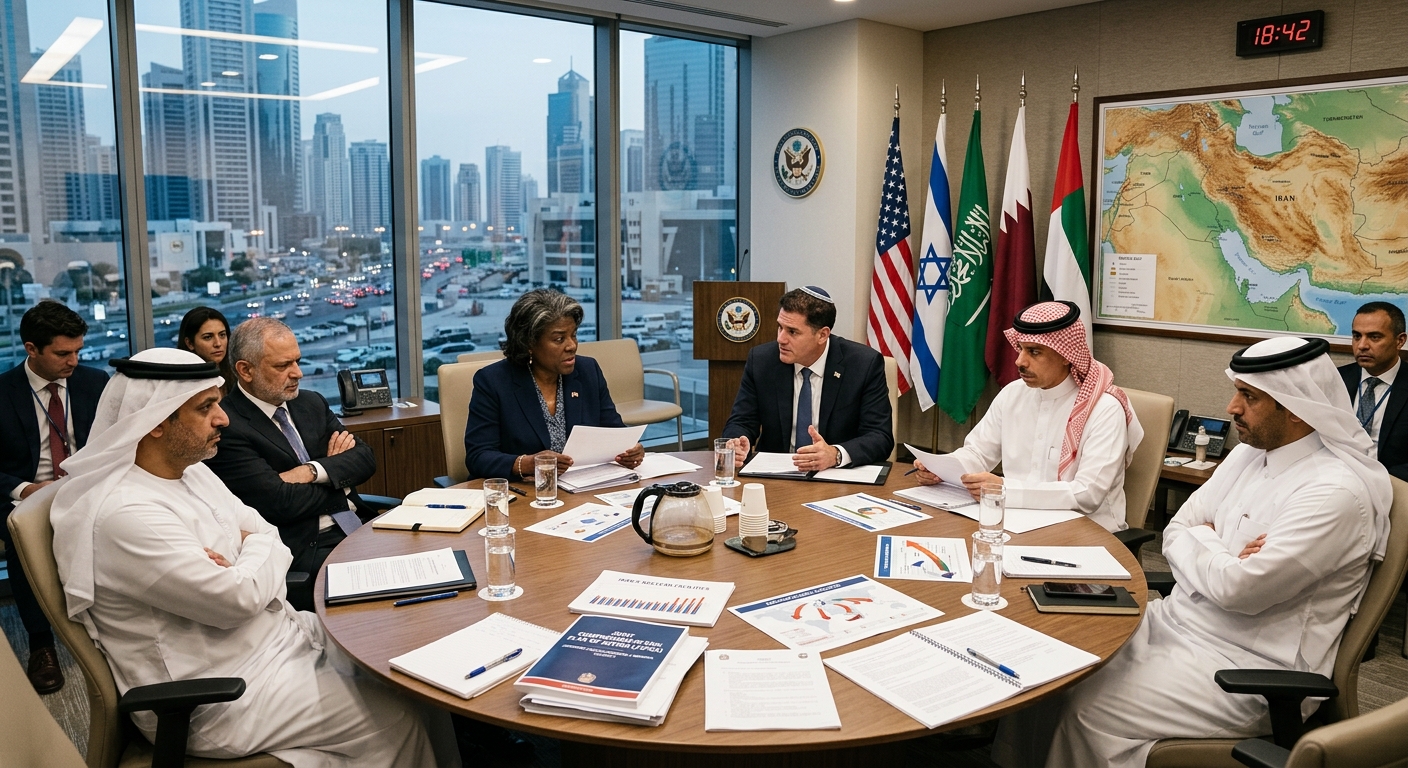
The connection between the Abraham Accords and the Iran nuclear deal, proposed by Donald Trump, introduces a complex layer into Middle Eastern diplomacy. Initiated in 2020, the Abraham Accords normalized relations between Israel and several Arab nations, fundamentally altering regional alliances. Trump’s suggestion to include Iran in this framework aims to create a unified front to stabilize the region and manage Iran’s nuclear ambitions, but it faces significant skepticism from both regional states and Israeli officials concerned about Iran’s military capabilities. Diverging priorities among Gulf states and ongoing regional conflicts complicate any attempts to broaden the accords, raising doubts about their effectiveness and implications for security in the area.
Context and Concerns
The geopolitical landscape surrounding the Abraham Accords and Iran’s nuclear ambitions is marked by longstanding tensions among Israel, Iran, and neighboring Muslim-majority countries. Israel’s leadership, particularly Prime Minister Netanyahu, echoes concerns regarding Iran’s nuclear threat while expressing reservations about engaging in any deal that does not robustly mitigate these risks. Trump’s push for wider participation in the Accords, framing it as a crucial diplomatic alignment, must contend with this cautious mindset from Israel and other states that view any rapprochement with Iran as problematic given its historical provocations.
Trump’s Proposed Linkage
In his social media posts, Trump emphasized integrating the Iran negotiations into the Abraham Accords to foster a strong Middle Eastern coalition, claiming that such an inclusion would yield significant benefits. While he framed this endeavor as a groundbreaking opportunity for regional peace, many experts caution against blending these distinct diplomatic efforts, citing potential pitfalls in security and exacerbating existing tensions. The ambiguity in how Iran’s nuclear negotiations fit within the accords has prompted criticism and reluctance among various stakeholders in the region, including Israel, which remains vigilant about its security red lines.
Responses to Trump’s Initiative
The response from regional actors regarding the linkage of the Accords and the Iran deal has been mixed, with significant pushback indicating that many view the two issues as separate. Countries such as Pakistan explicitly rejected Trump’s framing, stressing their independence in handling Iran-related diplomacy. Israeli officials echoed similar sentiments, noting that any deal with Iran must prioritize security concerns and should not be loosely tied to the ongoing normalization efforts initiated by the Accords, which remain focused on economic and security cooperation among signatory states without direct links to Iranian involvement.
Shifts in Diplomacy and Alliances
Diplomatic maneuvers following Trump’s initiative to expand the Abraham Accords have exposed a complex web of interests and hesitations among Middle Eastern countries. While nations like Saudi Arabia and Qatar are weighing their ties with Israel, the unresolved Palestinian issue continues to represent a barrier to full normalization. Despite this, talks have occurred, illustrating that some states may contemplate alterations in their positions, though progress remains slow amid intrinsic mistrust and competing security priorities. The evolving dynamics also suggest that the Abraham Accords, while beneficial for initial members, may face hurdles as other states deliberate their security calculations in the broader regional context.
Impact on Military Considerations
Ongoing discussions regarding the Accords and Iran’s nuclear ambitions have prompted a reassessment of Israeli military strategies. Israel perceives Iran as a significant threat, leading to rigorous scrutiny of any agreements that could enable Iran to enhance its military capabilities. The disparity between Israel’s assertive military posture and the diplomatic normalization efforts with Gulf states reflects a growing tension that could shape Israeli defense decisions and, ultimately, impact the security calculus across the region.
Future Implications for Middle East Diplomacy
The intersection of the Abraham Accords with the Iran nuclear negotiations signifies a crucial juncture for Middle Eastern diplomacy. If additional Arab states, particularly Saudi Arabia, were to engage or normalize relations contingent on Iran’s nuclear deal progress, it could reshape the regional power landscape. However, the continued mistrust and varying security concerns among these nations could hinder such developments and maintain existing regional tensions, underscoring the complexities inherent in achieving lasting peace and stability in the Middle East.
Critiques and Controversies
The discussions linking the Abraham Accords to the Iran deal have engendered considerable controversy. Critics argue that excluding Israel from these negotiations compromises its security and undermines its strategic interests, emphasizing the need to address Iran’s military capabilities more comprehensively. The broader implications of these dialogues highlight the risk of oversimplifying complex regional dynamics, as attempts to align divergent diplomatic efforts may inadvertently exacerbate tensions rather than promoting collective security in the region.
The content is provided by Avery Redwood, Front Signals