Summary
Dental clips are removable dental devices designed to improve the appearance, function, and stability of smiles affected by missing teeth or minor dental imperfections. Often referred to as clip-on or snap-on veneers, these devices provide a non-invasive and temporary alternative to traditional dental restorations such as implants or bridges, appealing to patients seeking quick, affordable cosmetic and functional solutions without surgery. By securely attaching artificial teeth to natural teeth or dental implants, dental clips help restore essential oral functions like chewing and speaking while enhancing aesthetic appeal and boosting patient confidence.
There are various types of dental clips tailored to different needs, including removable partial denture clips with metal or clear clasps, implant-supported clips that attach to surgically placed implants, orthodontic retainers designed to maintain tooth alignment, and flexible snap-in clips made from thermoplastic materials such as polyether ether ketone (PEEK). Recent innovations leverage digital dentistry and CAD-CAM technologies to improve the precision, comfort, and durability of these devices, with materials like PEEK offering superior mechanical properties and biocompatibility compared to traditional metals.
While dental clips offer numerous benefits—including enhanced stability over conventional dentures, ease of maintenance, and cost-effectiveness—they are not without drawbacks. Initial discomfort, gum irritation, and risks associated with unsupervised use of over-the-counter or DIY products have raised concerns among dental professionals. Proper patient assessment, customization, and professional guidance are essential to maximize benefits and minimize complications, especially in cases involving implant-supported prostheses or orthodontic applications.
As a versatile solution bridging gaps between removable dentures, orthodontic appliances, and implant-supported restorations, dental clips continue to evolve with advancements in materials science and digital fabrication. Their growing popularity reflects an increasing demand for functional, aesthetic, and accessible dental options, making them a notable component of modern dental care for managing missing teeth and improving oral health.
Overview of Dental Clips for Missing Teeth
Dental clips, also known as clip-on or snap-on veneers, are removable dental devices designed to clip onto natural teeth to improve the appearance and functionality of a smile. They serve as a non-invasive, temporary solution for individuals with missing teeth or minor dental imperfections such as discoloration, small gaps, and slight misalignments. Unlike traditional dental restorations, dental clips do not require surgery or extensive dental procedures, making them accessible for those seeking a quick and affordable cosmetic enhancement.
Primarily, dental clips help secure artificial teeth, restoring essential functions such as chewing and speaking, which can be compromised by missing teeth. This functionality can significantly boost a person’s confidence in social situations, addressing both practical and psychological aspects of tooth loss. The devices are custom-fitted to correct misalignments and improve overall dental function while providing aesthetic benefits.
The construction of dental clips generally involves artificial teeth made from materials such as acrylic resin or porcelain, attached to a base that mimics natural gum tissue. Some prosthetics incorporate metal cores composed of precious, semi-precious, or non-precious metals to balance aesthetics and durability, while recent innovations include the use of thermoplastic polymers like polyether ether ketone (PEEK) for enhanced performance. As removable dental prostheses, dental clips offer patients convenience and ease of maintenance, allowing them to be taken in and out of the mouth as needed.
Types of Dental Clips for Missing Teeth
Dental clips for missing teeth encompass a variety of designs and materials tailored to different dental needs and aesthetic preferences. These clips primarily serve to secure artificial teeth, improve oral function, and restore the appearance of a natural smile without invasive procedures.
Removable Partial Denture Clips
One common type is the removable partial denture (RPD) clip, often made with metal clasps that provide durable retention by nearly encircling the abutment teeth. These metal clasps are highly resistant to wear and tear, offering long-lasting functionality especially in posterior regions where strength is prioritized over aesthetics. For patients concerned about appearance, clear partial denture clasp types are available; these utilize translucent materials to blend with natural teeth and gums, making them ideal for front teeth replacements or those with a high smile line.
Implant-Supported Clips
Implant-supported clips attach dentures to implants surgically embedded in the jawbone. A notable example is the bar-retained snap-on denture, where a thin metal bar connects two to five implants along the jawline. The prosthesis snaps into place using clips or attachments on the bar, providing superior stability and retention compared to traditional dentures. Materials such as titanium and medical-grade plastics are commonly used for these components to ensure comfort and durability. Advances in digital dentistry and CAD-CAM technology have enhanced the precision and patient comfort in fabricating these clips, including the use of PEEK (polyether ether ketone) clips designed for mechanical interlocking and easier fitting processes.
Orthodontic Clips and Retainers
Orthodontic dental clips, also referred to as retainers, are designed to maintain tooth alignment after braces or minor orthodontic corrections. These devices are typically made from flexible yet durable materials that fit comfortably around teeth, often worn during sleep or for limited periods daily. Some orthodontic clips apply gentle pressure to facilitate gradual tooth movement or retention, supporting long-term dental health and aesthetics. Different types of orthodontic braces incorporate clip mechanisms, including self-ligating braces that use specialized clips instead of elastics to guide teeth into place with fewer appointments and reduced friction.
Flexible and Snap-In Clips
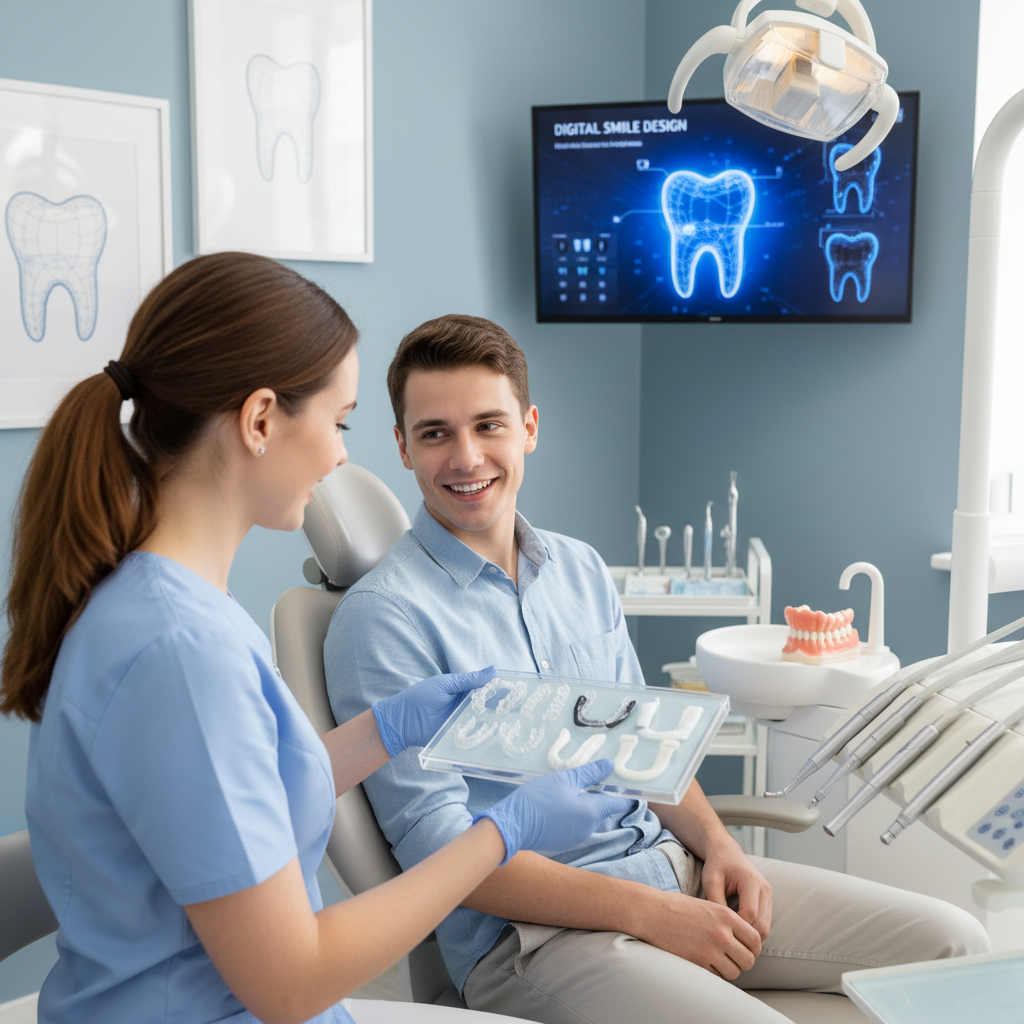
Flexible or snap-in dental clips are made from thermoplastic materials that allow slight adjustments to accommodate individual mouth shapes, enhancing comfort and ease of use. These clips are commonly used in clip-on veneers, a non-invasive solution to mask imperfections such as discoloration, small gaps, and minor misalignments without surgery. Invisible aligners like Invisalign also fall into this category, offering a discreet teeth-straightening option suitable for mild dental issues, favored by adults and teens due to their minimal visibility and reduced dental visits.
Precision Attachments
Precision attachments involve intra-coronal retention mechanisms where the clasp, rest, and stabilizing components are integrated into a locking system hidden from view. Traditionally, these required crowning abutment teeth with special slots or grooves, but modern dentistry increasingly uses implant housings for securing partial dentures with high precision and aesthetics. These attachments combine functionality with a natural appearance, offering an advanced solution for patients seeking both durability and discreet dental restoration.
Materials Used in Dental Clips
Dental clips, commonly used as retainers or partial denture attachments, are fabricated from a variety of materials selected for their durability, comfort, and aesthetic qualities. Traditionally, metal clasps made from precious, semi-precious, or non-precious alloys have been widely employed due to their strength and ability to securely hold dentures in place. Precious metal alloys may include combinations such as 40% gold mixed with palladium, platinum, and silver, while semi-precious and non-precious alloys can consist of metals like cobalt, chromium, tungsten, tin, and zinc.
In addition to metals, thermoplastic materials have gained prominence for producing flexible or snap-in clips. These materials, often utilized for their ability to slightly adjust to individual mouth shapes, provide enhanced comfort and a more secure fit compared to rigid clasps. One such innovative thermoplastic polymer is polyether ether ketone (PEEK), a semi-crystalline polymer first developed in 1978. PEEK exhibits superior mechanical properties including resistance to hydrolysis, chemical wear, high temperatures, and corrosion. It is biologically inert, showing no cytotoxicity or immunogenicity, and demonstrates low plaque affinity and minimal creep, making it highly suitable for dental applications.
The use of PEEK in dental clips benefits from advancements in digital dentistry, particularly computer-aided design and computer-aided manufacturing (CAD-CAM) technology. This allows precise fabrication based on optical scanning of bar attachments, improving patient comfort during the impression process and enhancing the fit and mechanical interlocking of the clip with the denture.
For prosthetic teeth and gum aesthetics, rose-tinted acrylic is often employed to replicate the natural appearance of the gums and palate, including their irregularities, which adds to the realistic look of dental prostheses. These acrylic materials are compatible with various denture types, including removable partial dentures and implant-supported prostheses.
Mechanisms of Retention and Stabilization
Retention and stabilization of dental clips and prostheses for missing teeth rely on a combination of mechanical design, material properties, and adjunctive aids that work together to ensure a secure and comfortable fit. These mechanisms are essential to prevent slipping or shifting during daily activities such as eating, speaking, and laughing, thereby enhancing both function and patient confidence.
One primary method of retention involves the use of dental adhesives. These adhesives create a bond between removable partial dentures and the gums, significantly reducing movement and improving stability. While adhesives offer temporary fixation, the structural components of the prosthesis provide the foundational retention.
Clasp and clip designs are pivotal in mechanical retention. Metal clasps remain among the most durable and wear-resistant options, delivering cost-effective and reliable retention for removable partial dentures. Flexible or snap-in clips, often fabricated from thermoplastic materials, offer a more adaptable fit by conforming slightly to individual oral anatomies. This adaptability improves comfort and ease of wear while maintaining adequate retention.
Advances in digital dentistry and computer-aided design and manufacturing (CAD-CAM) have revolutionized the fabrication of these components. For instance, the design of polyether ether ketone (PEEK) clips incorporates precisely created undercuts on the buccal and lingual aspects to ensure mechanical interlocking with the denture’s fitting surface during the pickup procedure. The optical scanning of bar attachments enhances patient comfort by reducing the need for conventional impressions and enables highly accurate clip designs with predictable retention outcomes.
Implant-supported dentures provide another robust retention mechanism. Bar-retained snap-on dentures utilize a thin metal bar connecting two to five implants placed in the jawbone, allowing the prosthesis to snap securely into place using clips or other connectors attached to the bar. This system combines the stability of implants with the convenience of removable prosthetics, offering improved retention and patient satisfaction.
Additionally, dental clips and retainers serve to accommodate natural tooth movement over time. Retainers designed for post-orthodontic care maintain teeth alignment by adapting to subtle shifts that occur as patients age, thus preserving dental aesthetics and function in the long term.
Benefits of Dental Clips
Dental clips for teeth provide numerous advantages that extend beyond simple aesthetics, playing a vital role in both oral health and comfort. One of the primary benefits is their ability to maintain the alignment of teeth following orthodontic treatment, which is crucial for preventing misalignment-related complications such as difficulties in cleaning, cavities, and gum disease. By helping to preserve proper tooth placement, dental clips contribute significantly to long-term oral hygiene.
Comfort is another important benefit associated with dental clips. They often alleviate discomfort during the adjustment period after braces or dental prosthesis placement, offering a more pleasant experience for patients. Customization through accurate impressions ensures that these clips fit securely and comfortably to the unique contours of an individual’s teeth, enhancing usability and wearability.
In addition to orthodontic applications, dental clips serve as an essential component in prosthetic dentistry. When used with implant-supported dentures, clips help to firmly anchor removable partial dentures, preventing slipping or shifting during everyday activities such as eating, speaking, and laughing. This increased stability boosts confidence and comfort, especially for active individuals seeking reliable dental solutions.
Moreover, dental implants paired with clips stimulate jawbone health by preventing bone loss commonly associated with traditional dentures, thereby supporting facial structure maintenance over time. This benefit is a significant factor in improving overall oral health and function.
Dental clips also offer adaptability; retainers designed with clip mechanisms can accommodate natural teeth movement over the years, helping maintain alignment as patients age. This adaptability makes dental clips an effective, long-term solution for various dental needs.
Lastly, dental clips present a cost-effective alternative for patients requiring temporary or transitional dental solutions. They are generally less expensive than full dental implants or partial dentures, making them appealing options for those awaiting permanent restorations or seeking non-invasive cosmetic fixes. When combined with professional care and advances in materials and design, dental clips represent an innovative and practical tool in modern dental care.
Clinical Considerations for Selection
When selecting dental clips for missing teeth, several clinical factors must be evaluated to ensure optimal outcomes in terms of comfort, stability, and oral health preservation. A thorough consultation with a dental professional is essential to assess patient suitability and address individual needs.
Patient Suitability and Bone Density
Ideal candidates for dental clips are those with adequate bone density to support dental implants, which often serve as the foundation for more secure and stable clip systems. Patients with sufficient bone structure can benefit from improved retention and functionality compared to traditional dentures that rely solely on suction or adhesives. A dentist’s evaluation will determine whether a patient’s bone health is adequate or if alternative options should be considered.
Oral Health and Hygiene Requirements
Maintaining oral hygiene is critical for patients using dental clips. Since clips engage with natural teeth or implants, establishing a rigorous care routine—including brushing after meals and using interdental brushes—is vital to prevent complications and ensure the longevity of the prosthetic solution. Proper care also aids in preserving the facial structure and overall oral health over time.
Design and Customization
Dental labs play a significant role in creating custom clasp and clip designs tailored to the patient’s clinical situation. The choice of clasp or clip depends on factors such as the number and position of missing teeth, the health of remaining teeth, and the patient’s lifestyle. Customized dental clips are crafted to match the exact contours of the patient’s teeth, providing personalized fit and enhanced comfort. The ability to take precise impressions, sometimes through at-home kits, facilitates this customization process.
Functional and Lifestyle Considerations
For active individuals or those seeking a more dynamic lifestyle, dental clips offer superior stability during daily activities compared to traditional dentures. The adaptability of clips also supports patients who experience natural tooth shifting, helping maintain proper alignment post-orthodontic treatment. Additionally, dental clips provide a non-invasive, temporary option to mask imperfections and restore aesthetics without surgery or lengthy waiting periods.
Cost and Material Factors
Cost considerations vary widely based on the type of dental clip, materials used, and the involvement of dental professionals. Prices can range from affordable over-the-counter models around $50 to custom-made solutions exceeding $500. Patients must weigh budget, age, oral health, and personal preferences when choosing the most suitable option, often with guidance from their dentist.
Transitional and Temporary Use
In cases where immediate tooth replacement is necessary—such as following extractions—temporary solutions like immediate dentures or dental flippers that use clips can provide seamless functional and aesthetic support while patients await permanent restorations. These options are less invasive and cost-effective, serving as practical interim measures during recovery.
Patient Experience and Perceptions
Patients considering dental clips often face a range of emotional and practical factors that influence their experience and overall satisfaction. Missing teeth can significantly impact an individual’s confidence and social interactions, leading many to hide their smile or avoid social situations altogether. Dental clips offer a non-permanent and less expensive alternative to traditional dental procedures, helping patients restore a full smile and regain self-esteem.
Comfort is a central concern for patients using dental clips. While the initial adjustment period may involve soreness, tenderness, or irritation inside the mouth, especially for children and teenagers, these symptoms typically subside as patients adapt to the clips. To enhance comfort, dental clinics often provide at-home impression kits, allowing patients to take accurate impressions of their teeth. These impressions enable technicians to craft clips that fit precisely to the shape and contours of the teeth, ensuring a personalized and secure fit.
The use of dental clips also brings practical benefits that improve patients’ daily lives. Unlike traditional dentures that may shift or move during eating or speaking, clips offer enhanced stability
Potential Drawbacks and Risks
While dental clips offer numerous advantages for managing missing teeth and minor orthodontic corrections, there are several potential drawbacks and risks associated with their use. One of the most common issues reported by users is discomfort during the initial adjustment period. Patients often experience soreness, tenderness, or irritation inside the mouth for several days after receiving dental clips, which can be particularly challenging for children and teenagers. Additionally, gum irritations or cuts may occur, making it difficult for individuals to continue using the clips comfortably.
Another concern involves the pressure dental clips place on adjacent teeth. Because clips tend to tighten the jaws, this pressure can trigger a bodily reaction leading to pain or further dental complications. Moreover, improper use of dental clips, especially those marketed as “DIY smile solutions” bought without professional supervision, poses serious risks. Such one-size-fits-all products fail to account for individual variations in jaw shape, bite alignment, and gum health, potentially causing more harm than benefit.
Maintenance of dental clips also presents challenges. Users are advised to avoid harsh chemicals or soaking solutions unless directed by a dental professional, as improper care can damage the clips. Proper storage in protective cases is essential to prevent loss, damage, or bacterial contamination. Exposure to heat or direct sunlight should be avoided to prevent warping of the clip material.
Care and Maintenance of Dental Clips
Proper care and maintenance of dental clips are essential to ensure their effectiveness, longevity, and to maintain overall oral health. Patients should adhere to specific guidelines to avoid damage and bacterial contamination. It is advised to avoid using harsh chemicals or soaking solutions unless specifically directed by a dental professional, as inappropriate cleaning agents can degrade the material of the clips. When not in use, dental clips should be stored safely in a protective case to prevent damage, loss, or exposure to bacteria. Additionally, clips must be kept away from hot environments or direct sunlight, which can warp or weaken the material.
Maintaining a robust oral hygiene routine is crucial for individuals wearing dental clips. Brushing teeth after every meal, coupled with the use of interdental brushes, helps reach areas that regular toothbrushes may miss and prevents plaque buildup around the clips. Routine dental visits allow professionals to monitor the condition of the clips and make necessary adjustments or replacements.
Comfort and durability are key factors in the care process. Patients are encouraged to consider these aspects when selecting dental clips, as well as aesthetic preferences, to ensure consistent use and ease of maintenance. Mindful eating and staying hydrated also contribute positively to the lifespan and functionality of dental clips.
For denture clips or overdentures, additional care includes securing the clips properly to maintain stability and comfort during daily activities. Regular consultations with dental professionals are recommended to assess bone density and overall suitability, particularly for clips supported by dental implants. Following care guidelines enables patients to enjoy reliable, long-lasting denture solutions that enhance confidence and oral health.
Comparison with Other Dental Solutions
Denture clips and overdentures offer a unique combination of stability, comfort, and confidence for patients dealing with missing teeth. Unlike traditional dentures that primarily rely on suction or adhesives—which can be less stable and sometimes uncomfortable—denture clips provide a secure attachment that significantly reduces movement during daily activities such as eating and speaking. This enhanced stability addresses one of the main drawbacks of conventional dentures, improving the overall patient experience.
When compared to dental implants, denture clips present a less invasive and often more affordable option. Implants are widely regarded as a durable and natural-looking solution, as they mimic the feel and function of real teeth and are permanently fixed into the jawbone. However, not all patients are suitable candidates for implants due to factors like bone density or health conditions, making denture clips and overdentures a viable alternative. Additionally, implants require a surgical procedure and a longer healing period, whereas denture clips can provide quicker improvements in denture stability.
Dental bridges offer another fixed restorative option by anchoring prosthetic teeth to adjacent natural teeth, effectively “bridging” the gap left by missing teeth. Bridges are particularly suitable for patients missing a single tooth with healthy neighboring teeth capable of supporting the restoration. However, bridges require modification of adjacent teeth and may not be ideal for patients with multiple missing teeth or compromised surrounding teeth. In contrast, denture clips used with overdentures can accommodate multiple missing teeth without impacting natural teeth, providing greater versatility in treatment planning.
Partial dentures represent a practical, removable solution that restores both function and aesthetics. They rely heavily on clasps to attach securely to remaining natural teeth, offering retention and stability. While partial dentures are less permanent than implants or bridges, the addition of denture clips to overdentures can significantly improve retention compared to traditional partial dentures, enhancing patient comfort and confidence.
Recent Advances and Innovations
Recent advancements in dental technology have significantly enhanced the effectiveness and comfort of dental clips used for missing teeth. One of the most notable innovations is the integration of digital technologies such as computer-aided design and computer-aided manufacturing (CAD/CAM). This technology allows dental professionals to achieve predictable and consistent results in implant rehabilitation, improving the overall quality of dental care. The use of CAD/CAM facilitates precise design and fabrication of dental attachments and retentive inserts, such as clips, which enhances mechanical interlocking and patient comfort during use.
In terms of materials, there have been substantial improvements in both implant and clip composition. Traditional titanium implants remain highly effective due to their durability and biocompatibility; however, zirconia implants are emerging as a metal-free alternative with promising outcomes. For clips themselves, thermoplastic polymers like polyether ether ketone (PEEK) have gained attention for their superior mechanical properties, including resistance to hydrolysis, chemical wear, and high temperatures. PEEK is biologically inert, shows no cytotoxicity or immunogenicity, and offers corrosion resistance and low plaque affinity, making it an excellent choice for dental attachments.
The fabrication of PEEK clips benefits from digital workflows that use optical scanning instead of conventional impressions, resulting in a more comfortable experience for patients with reduced nausea and anxiety. Moreover, the design of PEEK clips incorporates undercuts on polished surfaces to guarantee mechanical interlocking with the denture, enhancing retention and stability over time.
Flexible and snap-in clips made from thermoplastic materials also represent an innovation by providing adaptability and improved fit, which accommodate individual oral shapes while ensuring durability and aesthetic appeal. These clips are designed to enhance comfort and functionality, aligning with patient needs during orthodontic treatment and daily use. Furthermore, advancements in denture materials, both removable and implant-supported, have led to improved performance and patient satisfaction, allowing denturists to offer real improvements in prosthetic care.
The content is provided by Harper Eastwood, Front Signals