
Summary
Unleashing Your Ride: 2025’s Must-Explore Hidden Car Features for Every Driver
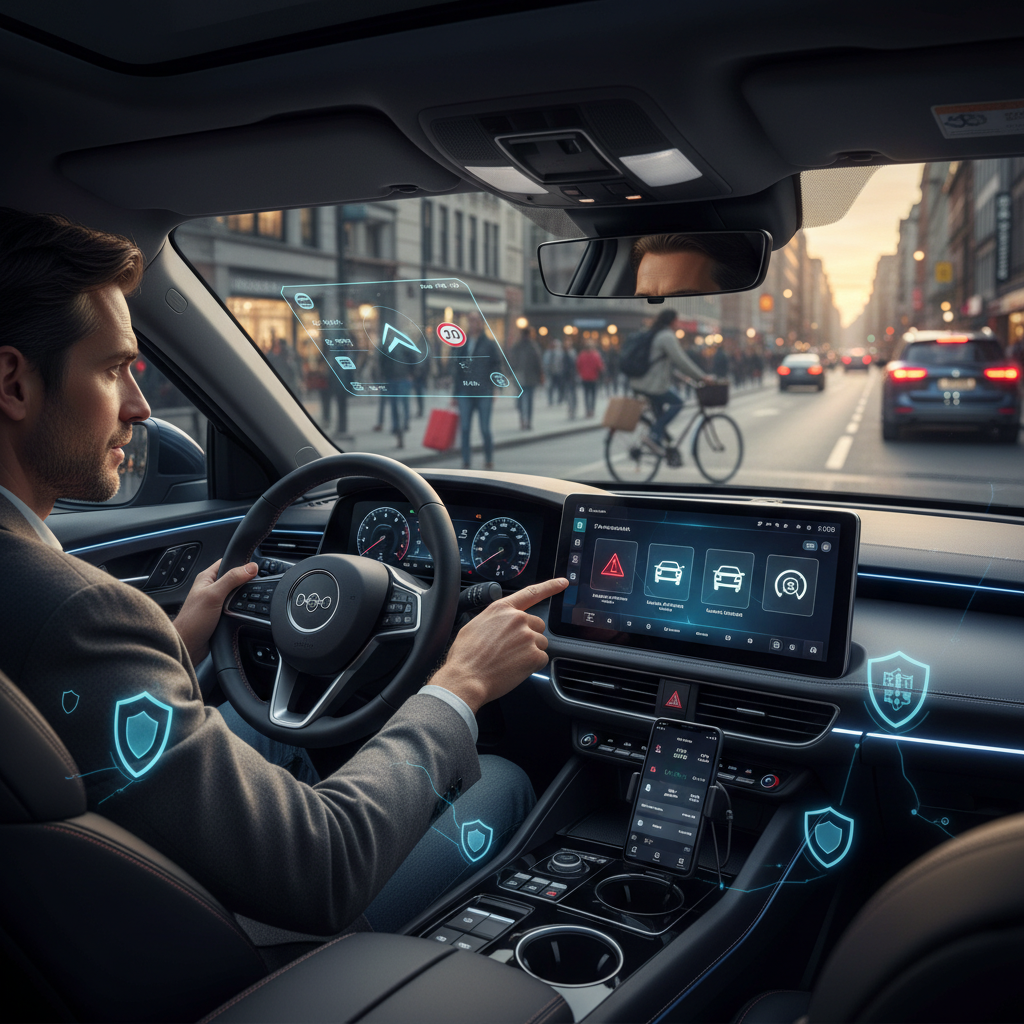
Modern vehicles increasingly incorporate a multitude of hidden features—software-enabled functionalities embedded within existing vehicle systems that remain inaccessible without specific activation methods. These features, which require no mechanical modifications or added hardware, can be unlocked primarily through coding and remote software updates using tools like TeamViewer or Remote Desktop Manager. As automotive technology evolves, these concealed capabilities often enhance safety, convenience, and performance, representing a significant shift toward software-defined vehicles that continuously improve post-purchase.
A major category of these hidden features revolves around advanced driver-assistance systems (ADAS) and safety technologies. Many vehicles come equipped with sensors such as lidar, radar, and cameras that support features like automatic emergency braking, lane keeping, and blind spot monitoring—systems shown to substantially reduce crash risks and injuries. Regulations are increasingly mandating such technologies; for example, automatic emergency braking is required on all new passenger cars by 2029. Unlocking these latent functions can elevate vehicle safety without additional hardware costs, empowering drivers with enhanced situational awareness and automated support.
Beyond safety, connectivity and smart technology play a pivotal role in unlocking hidden features. Connected cars integrate telematics, AI assistants, and over-the-air software updates to deliver real-time vehicle diagnostics, remote controls, and personalized driving experiences. However, this connectivity also introduces challenges related to cybersecurity and data privacy, with industry standards like ISO/SAE 21434 emerging to mitigate risks. The expanding role of artificial intelligence further accelerates feature development and customization, but demands vigilance to ensure secure and reliable deployment.
While the activation of these hidden features offers significant benefits, potential pitfalls exist. Variations in manufacturer implementations, limited interoperability, and the risk of driver over-reliance on automated systems necessitate careful use and awareness. Additionally, consumer concerns about data usage and declining willingness to pay for connected services highlight ongoing market and ethical challenges. Nonetheless, with proper understanding and collaboration with authorized service providers, drivers can unlock a wealth of untapped vehicle capabilities that redefine the 2025 driving experience.
Overview of Hidden Car Features
Hidden car features refer to functionalities embedded within a vehicle’s existing infrastructure that are not immediately accessible to the user without specific activation processes. These features do not require any mechanical modifications or physical alterations to the car, such as adding parts or key interactions. Instead, they are enabled through coding and software updates, often performed remotely via specialized programs like TeamViewer, Alpemix, or Remote Desktop Manager.
The activation process typically involves connecting the vehicle to a computer using a cable, after which authorized technicians can unlock these secret features through remote access. This method ensures that the vehicle remains unharmed and that no physical intervention is necessary beyond the initial cable connection. While only a limited number of example features are often highlighted, many more hidden capabilities exist within modern vehicles, available for activation or purchase depending on the make and model.
These hidden features frequently overlap with advanced driver-assistance systems (ADAS) and safety technologies. As regulations increasingly mandate safety equipment—such as automatic emergency braking becoming standard on all passenger vehicles by the 2029 model year—manufacturers have integrated numerous assistive technologies that may not be immediately visible or enabled at purchase. Activating these hidden features can enhance driver safety, convenience, and overall vehicle performance without additional hardware costs.
Advanced Safety and Driver Assistance Systems
Advanced safety and driver assistance systems have become integral to modern vehicles, significantly enhancing both occupant protection and driving convenience. These technologies encompass a wide array of features designed to minimize accident risks and mitigate collision impacts through the use of sophisticated sensors and real-time data processing.
At the core of these systems are sensors such as Lidar, high-resolution radar, cameras, and ultrasonic devices that continuously monitor the vehicle’s internal and external environments. This sensor fusion enables vehicles to perceive their surroundings, detect obstacles including pedestrians and other vehicles, and provide timely alerts or interventions to the driver. For instance, forward collision alert combined with automatic emergency braking has been shown to reduce serious crash risks by nearly half and lower injury rates by over 50%, leading to regulatory mandates requiring such systems on all new passenger cars by 2029.
One notable example is Toyota’s Safety Sense 2.5+ package, which integrates multiple hidden but effective features. Lane Tracing Assist gently steers the vehicle to maintain lane position even if the driver becomes distracted or drifts, enhancing lane-keeping beyond simple nudging functions. Similarly, Dynamic Radar Cruise Control automatically adjusts vehicle speed to maintain safe following distances, providing a smoother and safer driving experience in both urban and highway environments.
Parking assistance technologies are also evolving, with systems like Toyota’s Automatic Parking Assist that autonomously steer the vehicle into parking spaces while the driver controls braking and acceleration, reducing the stress and potential errors associated with parallel parking.
Blind spot monitoring and rear cross-traffic alerts are increasingly standard, employing radar and ultrasonic sensors to warn drivers of unseen vehicles or pedestrians when changing lanes or reversing. These features improve situational awareness and have been emphasized by the National Highway Traffic Safety Administration (NHTSA) to reduce backover and blind spot collisions.
Emerging sensor technologies enhance in-cabin safety as well. Advanced radar sensors, such as Texas Instruments’ AWRL6844, use millimeter-wave radar and AI-driven edge processing to monitor occupant presence, detect child passengers, and identify unauthorized intrusion, helping meet stricter safety regulations and improving user experience. Complementary interior sensing systems using time-of-flight cameras can map driver posture and detect head and hand positions to ensure driver attentiveness, a critical factor for autonomous and semi-autonomous vehicle operation.
Connectivity and Smart Technology
Connected cars integrate advanced communication technologies that enable real-time access to a wide array of services, making vehicles an integral part of the digital ecosystem. These vehicles rely on a layered communication stack to capture, process, and transmit data efficiently, connecting to the driver’s smartphone or embedded systems to access internet services, applications, and functionalities that enhance the overall driving experience. Telematics, which combines telecommunications and vehicular technology, underpins these capabilities, enabling GPS navigation, real-time traffic updates, and vehicle diagnostics.
The foundation of vehicle connectivity also intersects with increasing trends toward vehicle autonomy and electrification, expanding the scope of smart vehicle functions. Connected vehicles employ various message types for cooperative awareness and safety, such as beacon messages and event-driven messages, which transmit critical, time-sensitive information with low latency to improve safety and reduce network congestion. Beyond communication, dashboards like those from Explore3 analyze network performance, vehicle behavior, and driver engagement in real time, uncovering hidden costs and coverage gaps.
Emerging technologies in this realm include sensors that detect left-behind pets or children, automatic climate control systems responsive to driver comfort, and health monitoring alerts that can respond to medical emergencies while driving. Voice-activated AI assistants, such as Google Assistant integrated in models like the GMC Sierra EV, provide drivers with hands-free control over various functions, improving safety and convenience by reducing distraction.
Advanced telematics platforms offer comprehensive vehicle status monitoring, remote vehicle control, and data visualization tools. These systems enable service teams to track engine health, fuel status, and proactively schedule maintenance, while also supporting over-the-air software updates that allow automakers to roll out new features quickly via wireless networks. Integration with mobile ecosystems through Android Auto and Apple CarPlay enhances multimedia experiences and seamless connectivity in compatible models such as the Renault Megane and Kadjar series.
Safety features are further enhanced by haptic feedback systems, such as vibrating steering wheels or seats, and blind spot monitoring linked with rear cross-traffic alerts that warn drivers of potential hazards when reversing. These technologies comply with regulations aimed at reducing accidents, like those mandated by the National Highway Traffic Safety Administration requiring extended field of vision systems to mitigate backover crashes.
Artificial intelligence (AI) is increasingly embedded within vehicle systems, driving innovation in software-defined experiences and autonomous capabilities. Generative AI assists in automotive software development, improving code quality and accelerating feature deployment. AI models also enable smarter over-the-air updates and personalized settings that adapt to individual driver preferences, from seat position to climate control. Leading automakers and technology partners employ AI for perception, sensor fusion, lane tracking, and decision-making modules critical to autonomous driving systems.
However, the rise of connectivity and AI introduces significant cybersecurity and privacy challenges. Vehicles are vulnerable to cyberattacks and adversarial AI inputs that can compromise safety-critical systems. Additionally, consumer concerns about data collection, storage, and misuse remain high, with transparency in data policies playing a key role in maintaining trust. Industry standards like the ISO/SAE 21434 cybersecurity framework have been developed to address these risks and ensure the secure deployment of connected vehicle technologies.
Interior Features
Modern vehicles increasingly incorporate hidden interior features that enhance convenience, safety, and connectivity without requiring mechanical modifications or added hardware. Many of these capabilities can be unlocked through software coding, leveraging the existing infrastructure of the car, which ensures no physical contact with vehicle components is necessary to activate them.
One notable advancement is the integration of cloud-based infotainment systems that enable over-the-air updates. For example, the 2025 Mercedes-Benz CLA offers a full-width “Superscreen” that provides touchscreen controls for both the driver and front passenger, along with active safety and driver assistance upgrades delivered via software updates. This approach transforms the in-car experience into a dynamic and continuously improving platform.
Safety is further enhanced through interior technology such as haptic feedback systems. Vehicles equipped with haptic steering wheels or driver’s seats can alert drivers via vibrations to potential hazards, complementing features like blind spot monitoring and rear cross-traffic alerts. These systems detect approaching traffic or pedestrians in blind spots or behind the vehicle, helping to prevent collisions during maneuvers such as backing up. Regulatory bodies like Euro NCAP are increasingly incentivizing manufacturers to implement such advanced sensing systems, including those capable of distinguishing between adults and children inside the cabin to improve occupant safety.
Connectivity features also extend to remote vehicle management. The 2025 Toyota Camry, for instance, offers Remote Connect functionality that allows drivers to control various interior and vehicle functions from their smartphones, including engine start, fuel level checks, and locating the car in parking lots. This exemplifies the trend toward seamless integration between mobile devices and vehicle systems, enhancing convenience and user experience.
Behind the scenes, artificial intelligence and generative AI are playing a growing role in developing and refining these interior technologies. Automakers use AI to write and optimize embedded software that powers infotainment and safety features, improving reliability and reducing development time. Collaborations between technology companies and automotive manufacturers, such as NVIDIA and XPENG, are driving advances in intelligent cockpit solutions, delivering premium graphics and AI-assisted functionalities for smarter in-car environments.
Exterior Features
Modern vehicles in 2025 come equipped with a variety of advanced exterior features designed to enhance both safety and aesthetics. One notable innovation is the integration of hidden lighting elements. For instance, certain cars conceal their lights beneath the front and rear sections, creating unique visual effects such as shadow-light patterns upon startup, while functional elements like rear spoilers automatically rise to improve aerodynamics and performance.
Daytime LED lights are another prominent feature, operating at maximum brightness even when the headlights are on to improve visibility and add to the vehicle’s visual appeal. These lights are commonly found on models like the Renault Megane-4, Kadjar, Talisman, and Koleos, providing drivers with increased safety during daylight hours.
Advanced camera systems have also significantly reduced traditional blind spots. With the help of cameras projecting a virtual image of areas previously hidden by the vehicle’s hood, drivers can now enjoy enhanced forward visibility displayed directly on the infotainment screen. This technology is already available in models such as the 2025 Nissan Rogue, Murano, and Armada, eliminating front blind spots entirely.
Blind spot monitoring systems remain a critical safety component, frequently linked with rear cross-traffic alerts that warn drivers of approaching vehicles or pedestrians when backing up. These systems utilize radar and ultrasonic sensors to detect objects in the rear quarter zones, giving drivers extra reaction time to avoid collisions. The importance of such features is underscored by regulations from authorities like the National Highway Traffic Safety Administration, which have mandated extended vision systems to reduce backover crashes.
Collectively, these exterior features demonstrate a trend toward smarter, safer, and more visually engaging vehicles in 2025, blending technology with design to provide drivers with enhanced awareness and confidence on the road.
Performance and Driving Experience Enhancements
Modern vehicles in 2025 increasingly emphasize software-driven performance and driving experience improvements, reflecting a shift from traditional hardware-focused development to connected, intelligent systems. This transformation allows automakers to deliver enhanced capabilities such as advanced driver-assistance systems (ADAS), improved navigation, and real-time software updates, which collectively create a more seamless and controlled driving experience.
Hybrid powertrains are becoming a prevalent choice among manufacturers due to their balance of efficiency, reliability, and reduced emissions. Unlike fully electric vehicles, hybrids do not require external charging infrastructure while still achieving better fuel economy and lower carbon footprints. For example, Mazda’s upcoming 2027 hybrid model integrates a 2.5-liter inline-four engine, targeting EPA-rated fuel economy beyond 30 miles per gallon. This trend reflects a broader industry move toward more adaptable and cost-effective powertrain solutions.
Enhancements in vehicle hardware also contribute to driving enjoyment and off-road capabilities. The Jeep Recon, for instance, combines traditional rugged features such as removable doors and a power-retracting roof with a modern unibody platform and suspension optimized for daily driving. It features 33-inch all-terrain tires, an electronically locking rear differential, and 9.1 inches of ground clearance, blending performance and practicality.
Cutting-edge autonomous and semi-autonomous technologies continue to evolve, improving driving safety and convenience. Systems like Mercedes’ Drive Pilot, certified for Level 3 autonomy in Germany, allow the vehicle to take control under certain conditions while the driver remains attentive. Similarly, Toyota’s 2025 models include updated Dynamic Radar Cruise Control, which provides smoother and more responsive adaptive speed regulation to maintain safe distances from other vehicles. Automatic Parking Assist systems further reduce driver stress by handling complex maneuvers such as parallel parking with minimal driver input.
The growing integration of AI and software-defined vehicle architectures enables ongoing performance upgrades post-purchase. Companies like Intel are advancing AI-enhanced automotive chips, promising more sophisticated vehicle computing power by the end of 2025. Moreover, remote connectivity tools facilitate hidden feature activations and software customizations without physical modifications, enhancing the user experience while preserving vehicle integrity.
Together, these performance and driving experience enhancements represent a comprehensive evolution in automotive technology, combining hybrid efficiency, smart assistance systems, and flexible software solutions to meet the diverse needs of modern drivers.
Sensor Hardware and Software Innovations
The evolution of sensor hardware and software is pivotal to the advancement of modern vehicles, particularly as the industry moves toward more autonomous and software-defined vehicles (SDVs). Cutting-edge sensors, such as Texas Instruments’ AWRL6844 radar sensor, utilize 60-GHz millimeter-wave technology with a 4×4 antenna array and embedded AI models running on on-chip accelerators and DSPs. This sensor supports critical in-vehicle safety functions including seat belt reminders, child presence detection, and intrusion detection, exemplifying the integration of sophisticated sensing capabilities within automotive systems.
Sensor technologies now extend beyond simple object detection to continuous monitoring of both the vehicle’s interior and exterior environments. This holistic approach relies on a fusion of data from various sensor types—such as lidar, high-resolution radar, cameras, and ultrasonic devices—to enhance advanced driver assistance systems (ADAS) and autonomous driving capabilities. These systems enable real-time perception, allowing vehicles to adapt dynamically to complex driving scenarios while ensuring occupant safety and comfort.
Next-generation sensors are increasingly capable of supporting novel applications like detecting pets or children left inside vehicles, adjusting climate control automatically based on occupant comfort, and providing emergency alerts for driver health events. Some off-road vehicles are also beginning to incorporate predictive suspension adjustments that respond to terrain changes using sensor data, demonstrating the
Manufacturer Highlights and Model Examples
Toyota stands out among manufacturers for incorporating a range of hidden tech features in its 2025 models, including the Camry and Corolla. These features, often overlooked, enhance wireless connectivity and advanced safety systems designed to improve driver comfort and security. Toyota of Renton, part of the O’Brien Auto Group, highlights these innovations as integral to making the driving experience smoother and more enjoyable. Furthermore, Toyota collaborates with technology leaders like AWS to develop connected car platforms and voice assistant capabilities, pushing the envelope of automotive digital integration.
Volvo’s 2025 lineup exemplifies cutting-edge safety and sustainability. Their new flagship electric SUV, the EX90, offers advanced driver monitoring capable of autonomously pulling over and calling for help if the driver becomes unresponsive. The vehicle also incorporates lidar sensors to support sophisticated driving assistance systems and features a minimalist, leather-free interior that utilizes recycled materials alongside hidden ambient lighting. Volvo also equips its ES90 and EX90 models with NVIDIA DRIVE AGX and DriveOS, enhancing AI performance and further elevating safety and driver-assistance functions.
Lexus has demonstrated its commitment to high-performance electric vehicles through concept models such as the Electrified Sport from 2021 and the 2025 LFA concept. The LFA employs an aluminum platform shared with the hybrid GR GT but integrates an as-yet-unspecified electric powertrain, signaling Lexus’s future direction toward electrification with a performance focus.
Emerging technologies across various brands include sensor systems capable of detecting pets or children left behind, automatic climate adjustments, and health event alerts for drivers. Some vehicles are adopting predictive technology to adapt suspension settings automatically based on terrain, particularly in off-road-capable models. Additionally, the industry is moving toward software-defined vehicles (SDVs), allowing manufacturers to deliver over-the-air updates that continuously improve vehicle functionality without hardware changes.
Together, these manufacturer efforts and model-specific innovations underscore a transformative period in automotive technology for 2025, where hidden features and advanced integration redefine the driving experience for consumers.
Impact on Road Safety and Driver Behavior
Advancements in automotive safety technologies have significantly influenced road safety and driver behavior in recent years. Modern car safety features encompass a wide range of systems designed to minimize accident risks and reduce the severity of collisions for vehicle occupants. These include traditional elements such as crumple zones and antilock brakes, as well as advanced driver-assistance systems (ADAS) like forward collision alert, automatic emergency braking (AEB), and rear cross-traffic alert.
Studies indicate that advanced safety features considerably lower crash and injury rates. A report from the National Highway Traffic Safety Administration (NHTSA) and a coalition of automakers found that technologies such as forward collision alert and automatic emergency braking reduce the risk of serious crashes by 49% and injury risk by 53%. Reflecting their effectiveness, regulations now mandate AEB as standard equipment on all passenger vehicles by the 2029 model year, highlighting the increasing reliance on these systems to enhance road safety.
The advent of self-driving vehicles marks a profound shift in vehicle safety and driver behavior. Autonomous cars demonstrate a substantially lower accident rate compared to human-driven vehicles, with one accident occurring on average every 1.26 million miles traveled. It is projected that widespread adoption of self-driving technology could reduce vehicle collisions by 81%, potentially preventing approximately 1.25 million traffic fatalities by 2035. For instance, Tesla’s Autopilot system reportedly decreases crash rates by 40% relative to traditional vehicles, while Waymo’s autonomous fleet experiences only 0.59 accidents per million miles compared to the U.S. average of 2.98 accidents per million miles.
Beyond the reduction in accidents, these technologies also influence driver behavior by shifting the driver’s role from active control toward supervisory oversight. Features such as rear cross-traffic alert assist drivers in complex maneuvers like reversing, decreasing the cognitive load and enabling safer driving decisions. As vehicles evolve into software-defined entities equipped with connected services, drivers increasingly interact with vehicles as intelligent partners, which may foster more attentive and proactive driving habits over time.
Moreover, the integration of connected vehicle (CV) technologies and vehicle-to-everything (V2X) communication is opening new avenues for improving road safety. Researchers continue to explore the challenges and opportunities in achieving reliable wireless communication between vehicles and infrastructure, which could further reduce accidents and enhance driver awareness.
Accessing and Activating Hidden Features
Hidden features in modern vehicles can be accessed and activated primarily through remote connection technologies. The process involves connecting to the car using a cable and utilizing remote desktop programs such as TeamViewer, Alpemix, or Remote Desktop Manager to perform the activation. This method leverages the existing infrastructure of the vehicle and involves coding changes via computer, without any mechanical alterations or the addition of physical parts, ensuring that the car remains unharmed during activation.
For customers or dealerships equipped with the necessary remote connection tools, the activation of these secret features can be performed efficiently from any location. Dealerships benefit from prioritized remote connectivity support, as ongoing technical assistance is often provided in collaboration with service providers. The activation process does not require any direct interaction with vehicle keys or internal hardware components, relying solely on software modifications to unlock enhanced functionalities.
Additionally, with the evolution of connected vehicle services, access to remote vehicle actions and vehicle status monitoring is becoming more integrated. For example, platforms offering Connected Vehicle and Automotive Cloud Enterprise or Unlimited Editions enable features such as remote vehicle controls and actionable telematics frameworks. These services allow users to visualize vehicle data in real-time and perform remote actions securely, highlighting a trend towards greater software-defined vehicle experiences.
As automakers continue to enhance vehicle connectivity, the activation and management of hidden features will increasingly rely on cloud-based solutions and advanced telematics. This shift supports a more proactive and personalized approach to vehicle maintenance and feature usage, moving beyond traditional reactive methods. The seamless integration of these capabilities helps transform vehicles into dynamic components of the digital ecosystem, unlocking new possibilities for driver engagement and vehicle performance optimization.
Common Challenges and Potential Pitfalls
Connected vehicle (CV) technologies face several significant challenges that must be addressed to fully realize their potential. One major issue is the lack of universally recognized standards among different brands for integrating sensors and other components, which complicates data collection and interoperability within the connected vehicle ecosystem. Accurate environmental sensing and reliable data gathering are critical for enabling advanced driver-assistance systems (ADAS), automated driving, and mobility services, yet latency, network flooding, and imprecise location information can hinder the effectiveness of cooperative awareness applications that rely on beacon messages.
Security concerns are paramount in connected vehicles, as increased connectivity exposes automotive systems to cyberattacks and adversarial AI threats. Malicious inputs can potentially manipulate sensor data or bypass safety controls, posing risks of catastrophic failures in safety-critical systems. Recognizing these threats, industry standards bodies like SAE International and ISO developed the ISO/SAE 21434 cybersecurity engineering standard to establish guidelines for automotive cybersecurity. Despite these efforts, consumers remain wary of how their driving data—such as location and habits—is collected, stored, and used. Lack of transparency and fears of data breaches or unauthorized access continue to erode consumer trust in connected services. Furthermore, willingness to pay for connected car services has noticeably declined, reflecting growing skepticism toward these technologies.
Another challenge relates to human factors, particularly the potential for driver over-reliance on ADAS features. While these safety technologies assist drivers, they are not intended to replace vigilance. Studies reveal that drivers often exhibit complacency or engage in distracted behaviors when ADAS systems are active, which can undermine safety benefits and introduce new risks.
Additionally, technological incidents like the Xiaomi SU7 case highlight the ongoing responsibilities and complexities involved in advancing automotive technologies, underscoring the importance of rigorous testing and security measures. Finally, the rapid integration of generative AI in automotive software development brings efficiency and innovation but also introduces vulnerabilities and challenges related to ensuring robust and secure embedded systems.
Tips for Discovering and Utilizing Hidden Features
Discovering hidden features in modern vehicles can greatly enhance the driving experience without the need for mechanical modifications or additional parts. These features are typically unlocked through coding by using specialized activation tools and remote desktop programs, leveraging the vehicle’s existing digital infrastructure. Importantly, activating these features does not harm the car or require physical interaction with its components.
To effectively discover and utilize hidden features, it is advisable to collaborate with dealerships or authorized service providers who often offer technical support and prioritize remote connectivity for feature activation. This partnership not only ensures safe and reliable activation but also grants access to a broader range of hidden functionalities beyond the commonly known ones, many of which are available for purchase.
Additionally, understanding the evolving landscape of automotive technology can help drivers identify new capabilities worth exploring. With advancements such as connected vehicle (CV) technologies, environmental sensing, and advanced driver-assistance systems becoming more prevalent, staying informed about state-of-the-art innovations can guide users in maximizing their vehicle’s potential.
For software-defined features, leveraging tools powered by generative AI and machine learning can assist in optimizing embedded systems related to safety and infotainment. Automakers increasingly rely on these technologies to develop and enhance features, which in turn supports competitiveness and addresses rising customer expectations. Engaging with manufacturers’ updates or platforms may provide access to these emerging hidden functions.
Lastly, while connected services may not always be a primary factor for new vehicle buyers, technology-savvy customers who proactively seek these services—either through dealerships or online—can unlock additional functionalities that enrich their driving experience. Awareness of market trends, such as the recent decline in willingness to pay for connected services, can help users make informed decisions about investing in these features.
The content is provided by Harper Eastwood, Front Signals