
Summary
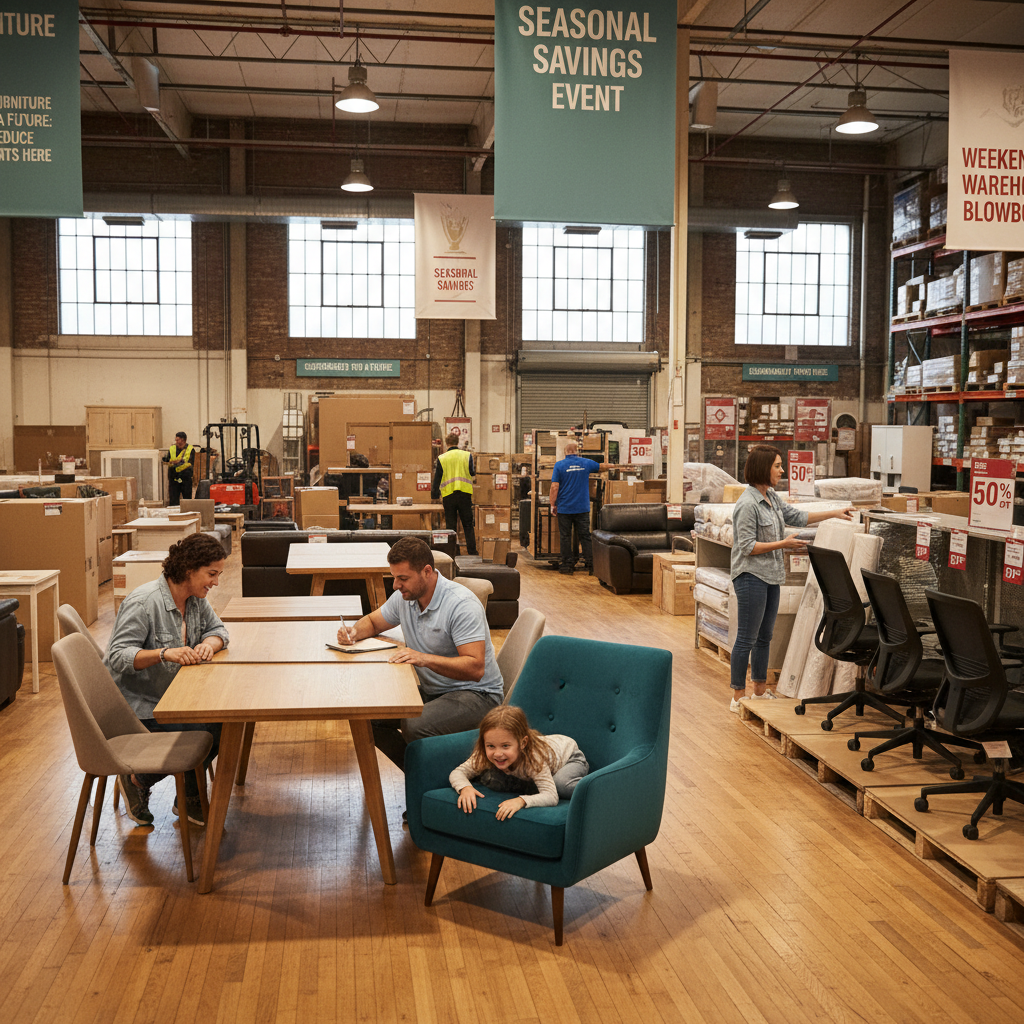
Furniture liquidation warehouses are specialized retail outlets that sell excess, returned, discontinued, or overstock furniture at significantly reduced prices, often offering discounts of 30% to over 50% compared to traditional retail. These warehouses source their inventory from a variety of channels, including order errors, showroom samples, business closures, and last-minute design changes, enabling consumers and businesses to access quality furniture at substantial savings while promoting sustainability by extending product lifecycles.
The wide variety of furniture available ranges from mattresses and bedroom sets to office furniture and leather collections, catering to diverse tastes and needs. Shoppers benefit from flexible purchasing options such as auctions and negotiable pricing but must remain vigilant regarding product quality and warranty limitations, as some liquidation items may include lower-quality imports or have limited coverage. Strategic shopping—such as carefully measuring spaces, understanding return policies, and timing purchases around major sales events—can help buyers maximize value and avoid common pitfalls.
For businesses, furniture liquidation offers an efficient solution for clearing surplus inventory and managing office relocations or closures, often supported by third-party logistics providers to optimize inventory flow and customer satisfaction. Despite its economic and environmental advantages, the liquidation market faces challenges related to consumer protection and transparency, including variable return policies and occasional unethical practices, underscoring the importance of informed purchasing and regulatory oversight.
Overall, furniture liquidation warehouses represent a notable segment of the retail and resale market, providing cost-effective furniture options while supporting sustainability goals. Their evolving practices and the complexities surrounding warranties, pricing, and inventory management make them a significant area of interest for consumers, businesses, and environmental advocates alike.
Understanding Furniture Liquidation Warehouses
Furniture liquidation warehouses serve as specialized outlets where excess, returned, or discontinued furniture inventory is sold at significantly reduced prices. These warehouses often acquire their stock from a variety of sources, including overstocks, order errors, last-minute design changes, and business closures, enabling consumers to access quality pieces at deep discounts. Rather than discarding usable furnishings, liquidation warehouses play a vital role in extending the lifecycle of furniture by reselling items that still hold value, thereby reducing waste and promoting sustainability.
The inventory found in furniture liquidation warehouses can range from lightly used office furniture and showroom samples to brand-new pieces that were returned or never sold due to shifts in market demand or production overstock. However, shoppers should be discerning, as some liquidation companies may also introduce lower-quality, imported goods alongside higher-quality items. It is advisable to verify the origin and craftsmanship of the furniture to avoid purchasing items that do not meet expected standards.
These warehouses typically stock a wide variety of furniture types, including mattresses, bedroom sets, recliners, living room collections, and leather furniture, offering a broad selection for diverse tastes and needs. The pricing model at liquidation warehouses aims to provide customers with substantial savings, often pricing goods at 50% or more below traditional retail prices. Because inventory is constantly changing, buyers are encouraged to act quickly to secure the best deals before items sell out.
For businesses and individuals alike, furniture liquidation warehouses offer an efficient solution for clearing out unwanted or surplus furnishings. In commercial contexts, liquidation services often handle the removal and resale of office furnishings prior to moves, store closures, or renovations, facilitating rapid and responsible property clearance. This process supports the broader objectives of inventory management by helping organizations minimize warehouse overcrowding and capital tied up in slow-moving stock.
Pricing and Discounts at Furniture Liquidation Warehouses
Furniture liquidation warehouses offer significant savings opportunities by providing high-quality furniture at prices substantially lower than traditional retail outlets. Typically, merchandise is sold at discounts of 30% or more below the standard market price, with some warehouses advertising reductions of 50% or greater off the manufacturer’s suggested retail price. These steep discounts reflect the warehouse’s goal to quickly clear out inventory, which often includes floor models, overstock, and returned items.
Pricing structures at these warehouses can vary widely. Some liquidation events feature storewide sales where all items are marked down, while others use auction formats allowing customers to bid on furniture in real time. Negotiation is also a common aspect of the purchasing process; customers willing to make an offer, even if below the listed price, often find that managers or liquidation specialists may accept reasonable bids to close a deal. This flexibility can lead to additional savings beyond the advertised discounts.
It is important to note that liquidation prices are generally set with the intention of delivering clear value to customers while still allowing the seller to recover some costs. Luxury brands, for example, may enforce strict pricing floors to protect their primary market and avoid brand dilution, sometimes preferring to destroy excess inventory rather than sell it at a discount publicly. Consequently, liquidation warehouses aim to strike a balance between attractive pricing and preserving brand integrity.
In addition to upfront discounts, some warehouses offer promotional financing options that enable customers to pay over time without interest if the balance is cleared within a specified period. However, failure to meet these terms may result in interest charges applied retroactively, making it crucial for buyers to understand the financing conditions fully before committing.
Shopping Strategies for Furniture Liquidation Warehouses
When shopping at furniture liquidation warehouses, consumers can take advantage of several strategies to maximize savings and secure high-quality pieces at discounted prices. One of the primary benefits of liquidation sales is the opportunity to purchase furniture at a fraction of the original cost, often because items are overstock, returned merchandise, or showroom models.
A key strategy is to understand the types of sales events that liquidation warehouses hold. These may include storewide clearance sales where all items are discounted or timed auctions where customers bid on furniture in real-time. Participating in auctions can allow shoppers to score deals below typical liquidation prices, especially if they are knowledgeable about the market value of the pieces offered.
Another important consideration is assessing the condition and quality of furniture before purchase. While some items may have minor imperfections such as scratches or chips, these can often be overlooked if the underlying piece is solid and durable. Familiarity with how to spot quality furniture, including the construction and materials used, helps buyers avoid subpar purchases that may not last.
Measuring the intended space carefully before buying is critical, especially for online liquidation sales, as inaccurate measurements are among the leading causes of returns in furniture retail. Taking precise dimensions helps ensure the furniture fits both spatially and stylistically, minimizing the risk of dissatisfaction.
Shoppers should also be aware of the delivery and return policies specific to liquidation warehouses. For example, some warehouses offer delivery services that include assembly and removal of packaging materials, while also having defined procedures for repairing or replacing damaged items within their service areas. Returns are often subject to seller-specific policies, particularly for marketplace or third-party sold items.
Finally, it is advantageous to time purchases around major holiday sales such as Memorial Day, Fourth of July, and Labor Day. These periods tend to feature heightened liquidation activity, with retailers clearing out customer returns and excess inventory, resulting in deeper discounts. Cross-selling opportunities, such as bundling furniture with complementary accessories like pillows or rugs, may also be used by sellers to enhance the shopping experience and increase the perceived value of purchases.
By combining awareness of sale formats, quality assessment, precise measurements, knowledge of return and delivery policies, and timing purchases strategically, shoppers can unlock significant savings and find valuable furniture pieces at liquidation warehouses.
Inventory Management and Customer Experience
Effective inventory management is essential for furniture liquidation warehouses to maintain a positive customer experience while optimizing operational efficiency. Striking the right balance between having sufficient stock to meet customer demand and avoiding excess inventory that ties up capital is a critical challenge. Overstocking can lead to warehouse space constraints and necessitate discounting items, which may affect perceived product value and customer satisfaction. Conversely, understocking risks lost sales and disappointed customers.
Many furniture retailers address these challenges by partnering with third-party logistics (3PL) providers who specialize in warehouse management, order fulfillment, and supply chain forecasting. By outsourcing to 3PLs, retailers benefit from expert handling of transportation, packaging, and shipping logistics, ensuring timely and accurate delivery of products to customers. This collaboration helps prevent delays that could damage business relationships and customer trust.
Return management also plays a pivotal role in maintaining inventory efficiency and customer satisfaction. A significant portion of inventory in liquidation scenarios is often returned to suppliers or sold wholesale before clearance sales begin. Managing these returns effectively through reverse logistics—often supported by 3PL partners—reduces restocking of slow-moving items and streamlines clearance planning. Leveraging technologies such as transportation management systems (TMS) integrated with reverse logistics solutions facilitates tracking returns and reallocating stock efficiently.
Warranties, Return Policies, and Consumer Protection
Warranties play a significant role in establishing trust between buyers and sellers in furniture liquidation warehouses. Typically, furniture manufacturers offer warranties ranging from one to three years that cover defects in materials, workmanship, or construction such as frames, joints, and recliner mechanisms. However, these warranties usually exclude wear and tear, stains, misuse, fading, or improper assembly. Extended warranties, which last between two to five years, often cover structural or mechanical failures occurring after the original warranty expires but do not cover accidental damage or stains. It is important to note that warranties generally do not apply in cases of abuse, neglect, unauthorized repairs, commercial use, or improper maintenance including exposure to harsh chemicals or water damage.
Return policies for furniture purchased through liquidation warehouses or marketplace sellers vary. Furniture shipped within the continental United States can often be returned within 30 days of delivery for a full refund to the original form of payment, but buyers should always verify the seller’s specific return policy before purchase. Consumers are advised to research the reputation of the business, checking with consumer protection agencies such as the Attorney General’s Office and the Better Business Bureau to ensure there are no complaints or unethical practices associated with the seller.
In the context of liquidation sales, consumers should be aware that stores are not legally required to offer refunds or exchanges unless such policies are explicitly disclosed prior to purchase. Moreover, consumers holding gift cards at a store going out of business may become unsecured creditors, which limits their ability to reclaim funds. Disputes regarding warranty terms are typically handled directly with the warranty provider, and in some cases, warranties may be removed with prorated refunds offered.
Regulatory oversight plays a critical role in protecting consumers in the liquidation market by enforcing corporate governance and ethical business practices. Cases of companies taking orders they cannot fulfill before liquidation underscore the need for transparency and accountability in the industry. By understanding warranties, return policies, and consumer protections, shoppers can better navigate the complexities of furniture liquidation warehouses and safeguard their purchases.
Common Pitfalls and How to Avoid Them
Shopping at furniture liquidation warehouses can offer significant savings, but buyers should be aware of common pitfalls to make the most of their purchases. One major issue is the quality of inventory available. Some liquidation companies may bring in low-quality goods, often manufactured overseas, which might not meet customer expectations for durability or craftsmanship. It is essential to ensure that the deal you are getting is genuine and not just a discount on inferior products.
Another frequent challenge is the lack of applicable warranties. Many liquidation items, especially floor models or “as-is” pieces, come with limited or no warranty coverage. For instance, warranties typically exclude damages caused by misuse, previous unauthorized repairs, or commercial use, and often do not apply to clearance stock. Buyers should verify warranty terms before purchase to avoid unexpected costs post-sale.
Measurement errors are also a common reason for returns. Since furniture sizing can be difficult to gauge, especially when furnishing an entire room, inaccurate measurements often lead to items not fitting the intended space. This mistake frequently results in returns, sometimes with full refunds, adding complexity to the shopping experience.
Additionally, clearance and liquidation sales can involve products that have been returned, overstocked, or discontinued. These items often have low inventory turnover and may be marked down aggressively to clear warehouse space. While this creates opportunities for bargains, it also means some items may be older stock or have been previously used for display.
To avoid these pitfalls, customers should thoroughly inspect items for quality, understand warranty limitations, accurately measure their space before shopping, and be cautious of deals that seem too good to be true. Implementing these strategies helps buyers secure genuine savings without sacrificing value or satisfaction.
Environmental and Economic Benefits
Furniture liquidation offers significant environmental and economic advantages for both businesses and consumers. Environmentally, partnering with liquidation services helps reduce waste by keeping valuable materials in use and out of landfills. Many liquidators prioritize eco-friendly disposal methods such as recycling, donating to charities, or responsibly disposing of items as a last resort, which supports the circular economy and contributes to a greener future. This approach not only minimizes the carbon footprint associated with manufacturing new furniture but also promotes sustainability within the industry.
Economically, liquidation allows companies to free up space and generate funds that can be reinvested into acquiring new furnishings at a lower overall cost than purchasing entirely new items outright. Quality pieces from liquidation sales often find new homes through resale or consignment, benefiting buyers by offering significant savings while still accessing high-quality furniture. Additionally, buyers may take advantage of cross-selling opportunities by bundling related items, enhancing the value and appeal of their purchases. Over time, these economic benefits make furniture liquidation a reliable and cost-effective option for businesses of all sizes.
Additional Resources
For those interested in furniture liquidation, professional services can greatly streamline the process of clearing out unwanted commercial and household furnishings, especially for large-scale projects such as foreclosures, store closings, renovations, and estate clearances. These services typically offer rapid response times and the ability to mobilize quickly, which is essential for managing massive inventories efficiently and responsibly.
Liquidation warehouses, such as those found in cities like Dallas, serve as retail outlets selling surplus, overstocked, or discontinued merchandise from various companies at discounted prices. These warehouses often carry returned or damaged goods and inventory from closed businesses, providing shoppers with unique opportunities to find bargains.
For sellers, there is a market for liquidators interested in purchasing closeouts and discontinued inventory across a wide range of product categories beyond furniture, including toys, housewares, giftware, lawn and garden merchandise, and pet products. Sellers can connect with importers, distributors, warehouses, factories, and online fulfillment centers looking to offload surplus stock.
Additionally, those who prefer a more hands-on approach to furniture liquidation might consider acquiring items to refurbish and resell. This strategy allows individuals to supply liquidated furniture for others interested in furniture flipping, although return policies can vary significantly among retailers.
For shoppers seeking local options, cities like Chicago offer multiple furniture liquidation outlets such as The Dump, Darvin Furniture in Orland Park, and the Merchandise Mart, providing convenient access to discounted furniture selections.
These insights and resources can help both buyers and sellers navigate the furniture liquidation landscape effectively, maximizing savings and operational efficiency.
The content is provided by Harper Eastwood, Front Signals