Summary
Cordless blinds have emerged as a leading choice for window treatments in 2025, combining modern design, enhanced safety, and technological innovation. Unlike traditional corded blinds, cordless models eliminate dangling cords by allowing users to adjust the window coverings directly via the bottom rail or through motorized controls. This design significantly reduces strangulation hazards, making cordless blinds especially popular in homes with children and pets, and aligning with updated safety regulations such as the ANSI/WCMA A100.1-2022 standard mandated in the United States.
Beyond safety, cordless blinds appeal to contemporary aesthetics with their sleek, minimalist appearance that complements diverse interior styles. They are available in a wide range of materials, including sustainable options like bamboo, recycled plastics, and responsibly sourced wood, reflecting growing consumer demand for environmentally conscious home products. Advances in smart technology have further expanded the functionality of cordless blinds, enabling integration with home automation systems, voice control, and energy-saving features that optimize natural light and temperature management.
The shift toward cordless blinds has been driven not only by consumer preference but also by regulatory pressures and market trends emphasizing safety and sustainability. While cordless blinds offer numerous advantages, challenges remain in balancing design variety, product durability, and accessibility of smart features. Additionally, some users may find the initial investment higher compared to traditional corded options, though many consider the long-term benefits to outweigh these costs.
As cordless blinds continue to evolve, their impact on living spaces is significant—improving safety, enhancing energy efficiency, and contributing to cleaner, more modern interiors. The market is expected to grow steadily, supported by innovations in materials, automation, and design customization, positioning cordless blinds as a defining element of window treatments in 2025 and beyond.
Overview
Cordless blinds have become increasingly popular in modern home design, especially as the safest and most stylish window covering option for 2025. Their sleek, minimalistic appearance aligns with current trends that favor clean lines, hidden mounting systems, and multifunctional treatments adaptable to different times of day and seasons. Unlike traditional corded blinds, which rely on a pulley and string mechanism to adjust height and angle, cordless blinds offer a streamlined operation that eliminates dangling cords, enhancing safety—particularly in homes with children and pets.
Beyond safety, cordless blinds contribute to an eco-friendly living environment when made from sustainable materials such as bamboo, reeds, jute, and real wood, which are harvested responsibly to reduce environmental impact. The growing integration of smart technology and innovative designs further elevates the convenience and energy efficiency of these window coverings. Whether incorporating solar-powered models or custom patterns, cordless blinds allow homeowners to personalize their space while maintaining functionality and style.
When deciding between corded and cordless blinds, it is essential to weigh the unique advantages and disadvantages of each type. While corded blinds offer precise control and traditional appeal, cordless options prioritize safety, ease of use, and a contemporary aesthetic that complements evolving interior trends. Embracing cordless blinds in 2025 means enjoying a harmonious blend of fashion, function, and environmental consciousness in your living space.
Advantages
Cordless blinds offer several significant advantages that make them an increasingly popular choice for modern homes, especially in 2025. One of the most prominent benefits is enhanced safety. Traditional corded blinds have been linked to numerous injuries and fatalities, particularly involving children and pets. According to the U.S. Consumer Product Safety Commission (CPSC), more than 200 incidents involving children up to 8 years old occurred due to strangulation hazards from window covering cords between 2009 and 2021, with nearly half resulting in fatalities. Cordless blinds eliminate these risks by removing pull cords entirely, utilizing a lifting mechanism that allows direct manipulation of the bottom rail, thus creating a safer environment for vulnerable household members.
In addition to safety, cordless blinds provide a sleek, minimalist aesthetic that enhances the visual appeal of any living space. Without dangling cords cluttering the windowsill, they offer a clean, unobtrusive look that aligns with contemporary interior design trends emphasizing simplicity and elegance. This modern design approach has been widely adopted, with major retailers phasing out corded options in favor of cordless models to meet both consumer demand and regulatory requirements.
Another advantage is the wide selection of materials, styles, and colors available in cordless designs, ensuring that homeowners can find options to suit diverse décor preferences and functional needs. Although cordless blinds may come at a higher initial price point compared to traditional corded models, the investment is justified by the combination of safety, aesthetics, and improved user experience. Furthermore, the cordless design simplifies operation and reduces the risk of tangling or damage to cords, potentially increasing the product’s longevity.
Cordless blinds also contribute to compliance with stringent safety standards and regulations. Since December 2022, all window blinds sold in the United States must adhere to the ANSI/WCMA A100.1-2022 standard, which mandates cordless designs or cords that are inaccessible to children. Non-compliance carries significant penalties, underscoring the importance of choosing cordless blinds for both legal compliance and consumer protection. Industry programs such as the “Best for Kids” certification, introduced by the Window Covering Manufacturers Association (WCMA), further assist consumers in identifying safe, cordless products.
Lastly, cordless blinds offer versatility and integration with smart home technologies. Advances in design now include options that enhance energy efficiency, incorporate sustainable materials, and offer customization with patterns and motorized controls. These features provide homeowners with greater convenience and personalization, elevating both the functionality and style of their living spaces.
Types and Designs
Cordless blinds come in a variety of types and designs, offering both functionality and style to suit diverse home and commercial environments. They are typically available as ready-made or made-to-measure options, with the former produced in standard sizes and the latter tailored to specific window dimensions.
One popular cordless blind style is the Wood Blind, featuring tiltable slats and controlled by lifting or lowering the bottom bar without cords. Faux Wood Blinds provide similar functionality with a single standard cordless control, while offering added moisture resistance, durability, and affordability. These qualities make Faux Wood Blinds a practical choice for both residential and commercial settings, combining classic design with easy maintenance and safety benefits.
Cellular shades, especially cordless blackout cellular options, are another modern alternative. These shades often incorporate eco-friendly materials and are designed to improve energy efficiency by trapping air in honeycomb pockets, reducing heat gain and loss. Their cordless design enhances safety for households with children and pets, while also offering excellent privacy and light control. Some cellular shades are motorized and can integrate with smart home systems, allowing remote operation and automation for added convenience.
Roller blinds are recognized for their neatness and simplicity, commonly used in bedrooms and commercial spaces due to their high privacy and light control capabilities. They can be found in corded, cordless, or motorized forms and are easy to clean. Modern cordless roller blinds often include features like no-drill installation, blackout fabric for UV protection, and compatibility with smart home hubs for remote control and scheduling.
Sheer blinds, favored for their minimalist and elegant look, offer an airy aesthetic that suits contemporary interiors. These blinds are increasingly replacing traditional corded versions with cordless or motorized models, responding to safety concerns and the demand for seamless design. Pairing blackout roller blinds with sheer drapes is also a popular design choice that balances style with functionality.
Materials and Manufacturing
Cordless blinds in 2025 are crafted from a variety of materials that emphasize sustainability, durability, and aesthetic appeal. Popular choices include bamboo, organic cotton, and recycled plastics, all of which contribute to environmentally friendly production processes. Bamboo and organic cotton, trending materials for cordless blinds, are sustainably harvested and complement the natural aesthetic favored in modern interior design. Blinds made from recycled plastics help reduce the demand for virgin materials, such as wood, thereby lessening environmental impact during manufacturing.
Faux wood blinds are a notable example of combining style with practicality and sustainability. When produced using recycled materials, faux wood blinds reduce the strain on natural resources while offering moisture resistance, easy maintenance, and durability. These blinds are designed for easy operation and provide effective light control and privacy, making them suitable for both residential and commercial spaces.
Aluminum and fabric remain common materials in the window covering industry. Aluminum is prized for its lightweight nature, affordability, and ease of cleaning, especially in Venetian blinds. Fabric, the most frequently used material for blinds, offers versatility and cost-effectiveness.
Leading manufacturers like Graber employ sustainable manufacturing practices to further minimize environmental impact. For instance, Graber uses a closed-loop water cooling system during plastics manufacturing to reduce water waste, sources renewable North American hardwoods through sustained-yield forest management, and packages products with a significant portion of post-consumer recycled materials. These efforts ensure resource conservation and promote a greener future from production to delivery.
The health and safety aspects of materials are also carefully considered. High-quality cordless blinds and cellular shades often carry certifications such as GREENGUARD Gold and OEKO-TEX® Standard 100, which certify low or zero volatile organic compound (VOC) emissions. This ensures that the blinds do not release harmful chemicals into the indoor environment, making them safer for homes, especially those with children and pets.
Safety Design Features and Mechanisms
Cordless blinds are designed to enhance safety by eliminating the hazardous cords found in traditional window coverings, which pose significant strangulation risks, especially to children and pets. Unlike conventional corded blinds that rely on a pulley and string system to adjust height and angle, cordless blinds operate through mechanisms that allow users to raise or lower the blind by directly manipulating the bottom rail, removing the need for dangling cords altogether.
The U.S. Consumer Product Safety Commission (CPSC) categorizes window covering operating systems into two primary types: corded and cordless. Cordless systems represent the only effective way to eliminate strangulation hazards, as even blinds marketed as “cordless” may contain internal cords that still present risks. To maximize safety, the CPSC recommends replacing all corded window treatments with cordless alternatives whenever possible.
Additional safety measures include placing cribs, beds, and other furniture away from windows to prevent children from reaching cords by climbing or using step stools. Each window treatment product typically includes a “Child Safety” section detailing its suitability for homes with young children, with cordless products such as shutters, cellular shades, or roller shades identified as the safest choices.
Beyond safety, cordless blinds contribute to a cleaner and more modern aesthetic by eliminating visible cords, offering a sleek and symmetrical appearance. This combination of enhanced safety and improved design makes cordless blinds the preferred option for new installations and renovations, aligning with current legal standards and professional recommendations in the United States.
Installation
Installing cordless blinds is a straightforward process that enhances both the safety and aesthetic appeal of your living space. These blinds are designed to be fitted into windows, doors, or other interior areas for which they are intended, ensuring a precise and secure installation. One of the primary benefits of cordless blinds is the elimination of cords and strings, which can pose hazards, especially in homes with children and pets. This safety feature simplifies the installation by removing the need for cord management systems.
To install cordless blinds, it is essential to follow the manufacturer’s instructions carefully and maintain the blinds according to their recommendations to ensure longevity and proper function. The absence of dangling cords also means there is less clutter around windowsills, providing a clean and modern look that complements various home decor styles. Moreover, choosing high-quality cordless systems addresses concerns related to durability and performance, as the market now offers a wide range of reliable options.
Professional designers and contractors increasingly specify cordless blinds not only for their safety benefits but also as a reflection of modern design principles and industry best practices. This trend is supported by large retailers phasing out corded options in favor of cordless models, indicating a broad shift towards safer, more stylish window treatments in 2025.
Technological Innovations in 2025
The year 2025 marks significant advancements in window blind technology, particularly focusing on smart automation, cordless design, and seamless integration with smart home ecosystems. Motorized blinds have become increasingly popular due to their convenience, energy efficiency, and enhanced safety features, making them an ideal choice for modern households, especially those with children and pets.
One of the key innovations is the widespread adoption of smart motors that offer multiple integration options with major smart home platforms such as Amazon Alexa, Apple HomeKit, Google Assistant, Samsung SmartThings, and Lutron’s Caséta system. These motorized blinds can be controlled via voice commands, smartphone apps, or remote controls that manage individual blinds or groups of up to 15 units simultaneously. Furthermore, motor options support connectivity through Zigbee, Z-Wave, or Matter protocols, facilitating unified home automation experiences.
Power solutions have also advanced, with solar panels becoming a compact and practical accessory for recharging blind batteries, enabling a fully cordless and sustainable operation. Rechargeable batteries typically last between four to eight months on a single charge, and can be recharged via USB cables, power banks, or solar panels, enhancing convenience and energy efficiency.
In addition to automation, new sensor technologies allow blinds to adjust automatically based on environmental factors such as light levels, temperature, and time of day. These sensors optimize indoor comfort and energy savings by regulating natural light and heat, integrating seamlessly into smart home energy management systems. For example, AutoView® light-sensing roller shades automatically filter light and block up to 99% of harmful UV rays while maintaining cordless child safety certification.
Manufacturers also offer retrofit solutions like upgrade kits that can convert existing roller shades into smart, motorized blinds, expanding accessibility to smart technology without the need for full replacement. This flexibility aligns with consumer demands for practical, stylish, and future-proof window treatments that complement various home decors while delivering advanced functionality.
Environmental Impact
The environmental impact of cordless blinds is increasingly important as consumers seek eco-friendly window treatment options in 2025. A significant trend is the use of sustainable and recyclable materials, particularly wood and fabric, which are sourced from renewable resources that minimize harm to the planet. Woods used in blinds often come from sustainably harvested hardwoods, and manufacturers like Graber emphasize responsible sourcing and production practices to reduce environmental footprint, such as using renewable hardwoods domestically and employing closed-loop water cooling systems to limit water waste during plastics manufacturing.
Materials such as bamboo, reeds, and jute are also popular for their natural sustainability and low environmental impact, contributing to the green credentials of modern window treatments. Additionally, many cellular shades are made from 100% recyclable materials and are highly regarded for their energy-saving properties. The honeycomb design traps air, providing insulation that reduces heat gain in summer and heat loss in winter, which helps lower overall energy consumption in homes. Using recycled plastics for faux wood blinds further lessens the demand for virgin wood, reducing strain on forest resources.
Low volatile organic compound (VOC) emissions are another critical factor in the environmental evaluation of blinds. Certifications such as GREENGUARD and OEKO-TEX® ensure that products meet strict standards for indoor air quality, promoting healthier living environments alongside environmental benefits. Furthermore, motorized and smart cordless blinds offer energy efficiency advantages by enabling precise control over light and heat entering a space, thereby supporting energy conservation efforts.
Finally, companies committed to sustainable manufacturing emphasize minimizing packaging waste, often using materials with high percentages of post-consumer recycled content. These combined efforts reflect a growing industry focus on reducing the carbon footprint of window treatments through thoughtful design, material selection, and production methods.
Challenges and Limitations
Despite the growing popularity and numerous benefits of cordless blinds, several challenges and limitations persist in their adoption and use. One of the primary concerns relates to safety regulations aimed at preventing strangulation risks to young children. Regulatory bodies have mandated that window covering cords be made inaccessible or eliminated entirely when feasible, prompting a shift towards cordless designs or the use of passive guarding devices. These safety-driven regulations have resulted in strict requirements such as those in ANSI/WCMA A100.1-2022, which require stock blinds to have no accessible cords longer than eight inches and mandate third-party testing and safety labels for custom blinds. While these measures enhance safety, they have also introduced complexity and compliance burdens for manufacturers and retailers.
Another limitation lies in the quality and design options available in the cordless blind market. The enforced transition to cordless solutions has exposed a significant quality gap, as some products fail to meet consumer expectations for durability and reliable operation. Additionally, cordless blinds often offer fewer design variations compared to traditional corded models, which may limit aesthetic choices for certain customers. Users must also understand the proper operation and maintenance of cordless blinds to ensure longevity, adding a layer of user education not typically required with conventional blinds.
From a technological perspective, integrating cordless blinds into smart home systems presents both opportunities and challenges. Although smart window coverings enhance convenience, energy efficiency, and security, the ecosystem of compatible devices and protocols such as Matter, SmartThings, Alexa, and Google varies widely. This diversity can complicate installation and interoperability for some users, especially when certain brands do not support all platforms equally. Furthermore, the initial investment in smart cordless blinds remains higher than traditional options, which may deter some potential buyers despite the long-term value offered.
Lastly, while cordless blinds contribute to a sleek, minimalist interior design favored in modern homes, this aesthetic sometimes comes at the expense of traditional features and tactile control options that some consumers prefer. Balancing safety, style, functionality, and affordability continues to be a challenge as manufacturers innovate to meet evolving market demands.
Impact on Living Spaces
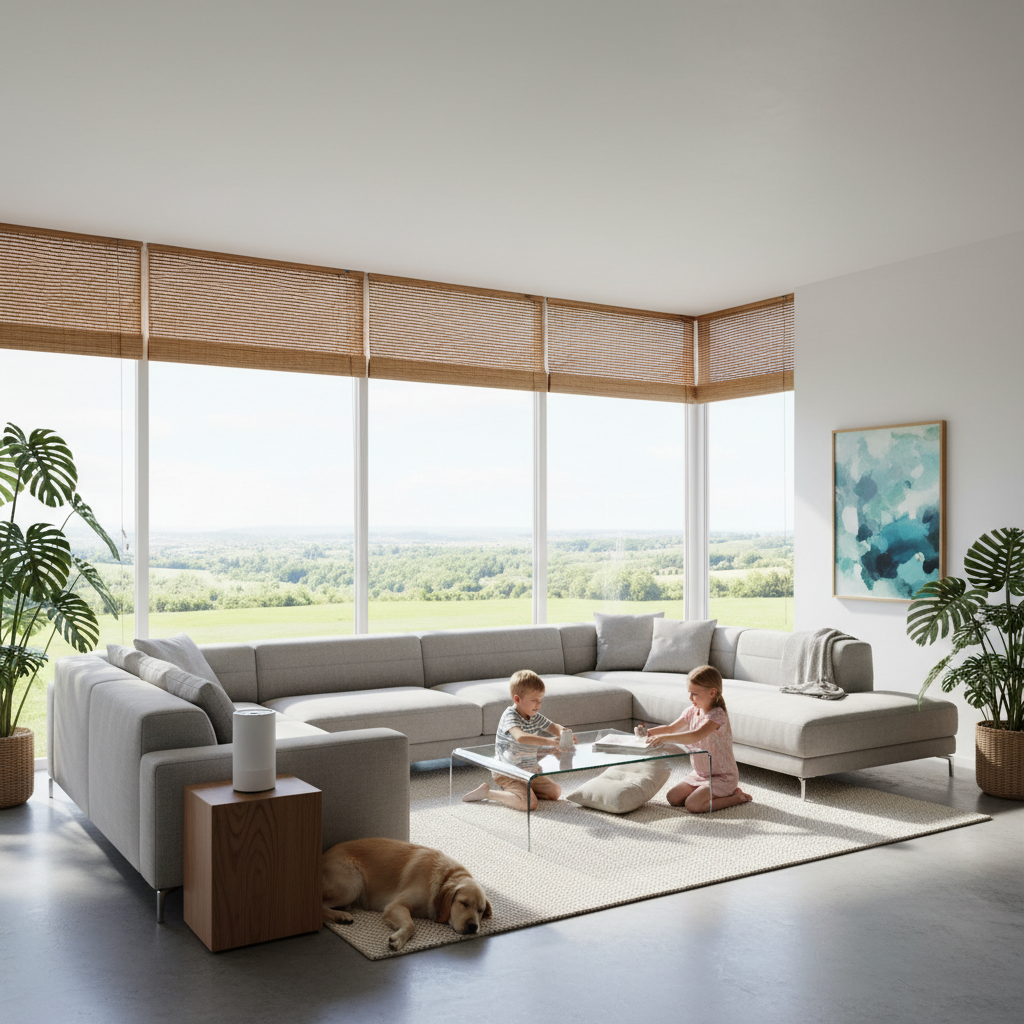
Cordless blinds have significantly transformed living spaces by combining safety, functionality, and aesthetic appeal. One of the primary advantages of cordless blinds is their enhanced safety, particularly for homes with children and pets. By eliminating dangling cords, these blinds reduce the risk of accidental injuries, creating a safer environment for vulnerable family members and pets while maintaining stylish window treatments.
In addition to safety, cordless blinds contribute to a more energy-efficient home. Advanced motorized systems integrated with cordless designs allow for automated management of natural light and temperature. During summer, blinds can be programmed to close and block solar heat, while in winter, they retract to maximize passive solar heating. This proactive control reduces the demand on HVAC systems, leading to annual energy savings of 15–25% over the lifespan of the system. Such efficiency not only lowers energy bills but also offsets the carbon footprint associated with manufacturing, underscoring cordless blinds as a sustainable home improvement choice.
Beyond practicality, cordless blinds enhance interior design by offering clean lines and a clutter-free look. The absence of cords allows for seamless integration with other window treatments, such as layering with curtains or textured fabrics, which adds depth and visual interest to rooms. This versatility supports personalized, modern interiors that reflect both style and functionality, aligning with the 2025 trend toward textured and layered window coverings.
Moreover, cordless blinds contribute to the extension of living spaces into outdoor environments. As outdoor areas gain importance in home design, especially in climates like California, cordless and motorized blinds provide convenient, stylish shading solutions that transform patios and verandas into comfortable, energy-efficient living zones.
Future Prospects
The future of window blinds in 2025 is poised to be shaped by significant advancements in innovation, sustainability, and smart home integration. A key trend is the increasing adoption of cordless blinds, driven by enhanced safety standards and consumer preference for streamlined aesthetics and ease of use. The revised ANSI/WCMA Window Covering Safety Standard, effective from June 1, 2024, mandates that the vast majority of custom window coverings sold in the U.S. market will be cordless, promoting child and pet safety while elevating design elegance.
Sustainability will continue to play a central role in the evolution of window treatments. Consumers are increasingly favoring eco-friendly materials such as sustainably sourced wood and recyclable fabrics that reduce environmental impact without compromising style or function. This shift aligns with broader global efforts toward energy efficiency and resource conservation.
Technological integration is another critical driver shaping the blinds market. Smart window coverings, which constitute one of the fastest-growing segments in home automation, enable automated adjustments based on factors like time of day, temperature, and sunlight intensity. New sensor technologies optimize natural light and energy usage, enhancing home comfort and efficiency. Furthermore, seamless connectivity with popular smart home ecosystems—such as Amazon Alexa, Google Assistant, IFTTT, and Samsung SmartThings—allows users to control motorized cordless blinds alongside lighting, heating, and audio systems through a single interface.
Market projections underscore the growth potential of these innovations. The U.S. window blinds market is expected to reach $11.67 billion in 2025, growing at a compound annual growth rate (CAGR) of 7.38% through 2029, while the global blinds and shades market anticipates a 5.8% CAGR fueled by smart home adoption and energy efficiency regulations. Search interest data also reflect a peak in consumer focus on window blinds during mid-2025, highlighting strong demand and engagement with the latest products and technologies.
The content is provided by Blake Sterling, Front Signals