Summary
Unlocking the Best Smart Mobility Solutions for Seniors: Your Guide for 2025 addresses the critical and growing need for innovative mobility solutions tailored to the aging global population. By 2025, one in six individuals worldwide is projected to be over 65 years old, making accessible, safe, and user-friendly mobility technologies essential for supporting seniors’ independence, health, and social engagement. Mobility is a cornerstone of healthy aging, enabling older adults to maintain physical activity, access resources, and participate actively in their communities, which in turn reduces risks of disability, isolation, and institutionalization.
This guide explores a wide array of smart mobility solutions designed to address the multifaceted physical and cognitive challenges faced by seniors, including smart walkers, powered wheelchairs, personalized transportation services, and IoT-enabled monitoring systems. These technologies leverage advances in artificial intelligence, sensor integration, and connected health platforms to improve safety, autonomy, and quality of life for older adults. Despite these advancements, significant barriers persist, such as usability challenges linked to age-related cognitive and sensory declines, digital literacy gaps, financial constraints, and environmental limitations like inadequate urban infrastructure.
Recognizing these complexities, the article emphasizes the importance of user-centered design principles and inclusive accessibility standards that incorporate seniors’ diverse preferences, experiences, and needs. Approaches such as design thinking and iterative development are highlighted as effective strategies for enhancing adoption and reducing abandonment rates of smart mobility aids among older users. The guide also underscores the role of community programs and policy initiatives that complement technological innovations by providing support services, improving transportation access, and fostering age-friendly environments.
Looking ahead, the integration of AI, autonomous technologies, and smart urban planning promises to transform senior mobility by enabling personalized, adaptive solutions that empower older adults to navigate their environments confidently and safely. However, addressing ongoing challenges—ranging from privacy concerns to socioeconomic disparities—remains vital to unlocking the full potential of smart mobility technologies for seniors in 2025 and beyond.
Importance of Smart Mobility for Seniors
The global population is aging rapidly, with projections estimating that by 2025, one in six individuals will be over the age of 65. This demographic shift underscores the critical need for accessible and innovative mobility solutions tailored to older adults. Maintaining independence and mobility is essential not only for the physical health of seniors but also for their mental and emotional well-being, as it empowers them to engage actively in their communities and maintain social connections.
Mobility enables older adults to participate in physical activities, access necessary resources, and avoid isolation, all of which contribute to improved quality of life and reduced risks of disability and institutionalization. As such, preserving and enhancing mobility is a crucial component of healthy and active aging, requiring multidisciplinary efforts involving healthcare providers, policymakers, urban planners, and families.
Smart mobility solutions for seniors encompass a variety of technological and environmental innovations designed to meet their unique needs. These include the integration of smart home technologies to improve accessibility and safety within the home environment, assistive mobility devices such as exoskeletons and robotic aids to support physical movement, and the design of age-friendly public spaces including sidewalks and transportation systems to facilitate community mobility. Despite the availability of mobile applications aimed at aiding senior mobility, surveys have shown that many seniors either do not use these applications or prefer those that are simple and intuitive, highlighting the importance of user-centered design in technology development.
Ultimately, advancing smart mobility solutions is vital to helping seniors maintain autonomy and navigate their environments safely and confidently, thereby enhancing their overall well-being as the aging population continues to grow.
Common Physical and Cognitive Mobility Challenges Among Seniors
As individuals age, they often experience a range of physical and cognitive changes that can significantly impact their mobility. These challenges not only affect their ability to move freely and independently but also influence their overall health and quality of life. Mobility, defined as the ability to move or walk easily, is essential for seniors to maintain autonomy and engage in social activities, making it a critical aspect of healthy aging.
Physical Mobility Challenges
Physical factors such as gait, balance, and muscle strength are fundamental components of mobility that tend to decline with age. Changes in gait may include reduced walking speed and shorter stride length, while balance impairments increase the risk of falls and related injuries. Muscle weakness and decreased neuromuscular function further contribute to limitations in performing everyday tasks and maintaining independence. Approximately 35% of individuals aged 70 and above report mobility limitations, with prevalence increasing markedly among those over 85 years old.
Sedentary behavior and physical inactivity exacerbate these physical declines. A lack of regular exercise can accelerate the loss of mobility, leading to increased risks of mortality and dependence. Efforts to counteract inactivity through structured physical activity programs have shown promise in reducing major mobility disabilities in older adults who lead sedentary lifestyles. However, many seniors still face barriers to accessing appropriate exercise opportunities tailored to their capabilities.
Cognitive Mobility Challenges
Cognitive decline also plays a significant role in mobility difficulties among older adults. Aspects such as attention, executive function, and spatial awareness are integral to safe and effective movement. Impairments in these cognitive domains can result in difficulties with navigation, increased risk of falls, and challenges in adapting to changing environments or using complex mobility aids. The multifactorial nature of mobility encompasses these cognitive components alongside physical and neuromuscular factors, emphasizing the need for comprehensive approaches to identifying and managing mobility limitations.
Transportation and Mobility Support
Beyond the physiological and cognitive challenges, many seniors encounter difficulties transitioning from personal driving to alternative transportation options. Limited mobility can restrict access to responsive transportation services necessary for attending social and medical activities. Unfortunately, there is a scarcity of tools designed to help older adults find suitable transportation options that accommodate their specific mobility needs, such as reduced walking distance or reliance on assistive devices like canes.
Addressing both physical and cognitive mobility challenges is crucial for developing innovative smart mobility solutions that can empower seniors to maintain independence and improve their quality of life in the coming years.
Overview of Current Mobility Challenges for Seniors
The global demographic shift towards an aging population has placed increasing emphasis on the issue of mobility among older adults. By 2050, the proportion of individuals over 60 years of age is projected to rise from 12% to 22% worldwide, intensifying the need to address mobility limitations prevalent in this group. Approximately 35% of persons aged 70 and the majority over 85 experience mobility restrictions, which significantly affect their ability to maintain independence and quality of life.
Older adults face multiple challenges in transportation, often transitioning from driving to relying on alternative modes such as carpooling, taxis, or fixed-route public transit. However, many existing transportation services do not adequately respond to seniors’ specific needs, particularly for those with physical impairments, such as limited walking ability or use of mobility aids. Moreover, “first-mile/last-mile” barriers—including poorly maintained sidewalks, long distances to transit stops, safety concerns like inadequate lighting, and lack of seating—further restrict accessible travel for older adults and people with disabilities. An accessible transportation system must provide a complete, reliable, punctual, flexible, affordable, and safe journey from origin to destination to support seniors’ engagement in community life.
The complexity of senior mobility challenges stems from an interplay of physical, cognitive, psychosocial, and technological determinants. Many older adults face compounded barriers due to disabilities, financial constraints, rural residence, or limited technological literacy and access. The reliance on emerging mobility technologies often assumes familiarity with smartphones, internet access, and online payment methods—capabilities that many seniors lack, thereby excluding them from the benefits of new mobility options. Consequently, solutions must address these multifaceted determinants holistically rather than in isolation to effectively improve mobility outcomes.
Technological advancements in mobility assistive devices, such as smart walkers, have shown promise but remain hindered by issues related to aesthetics, usability, and user experience, resulting in high abandonment rates among seniors. Similarly, mobile transportation technologies require precise calibration and stable hardware integration to be effective for older drivers and persons with disabilities, posing additional design and implementation challenges. Overall, despite progress, current mobility solutions often fall short in meeting the diverse and evolving needs of the senior population, highlighting the urgent need for inclusive, accessible, and user-friendly mobility innovations tailored for older adults.
Types of Smart Mobility Solutions
Smart mobility solutions for seniors in 2025 encompass a broad spectrum of devices and technologies designed to enhance independence, safety, and quality of life. These solutions integrate advances in Internet of Things (IoT), artificial intelligence (AI), and sensor technology to address the diverse mobility challenges faced by older adults.
Smart Walkers and Mobility Aids
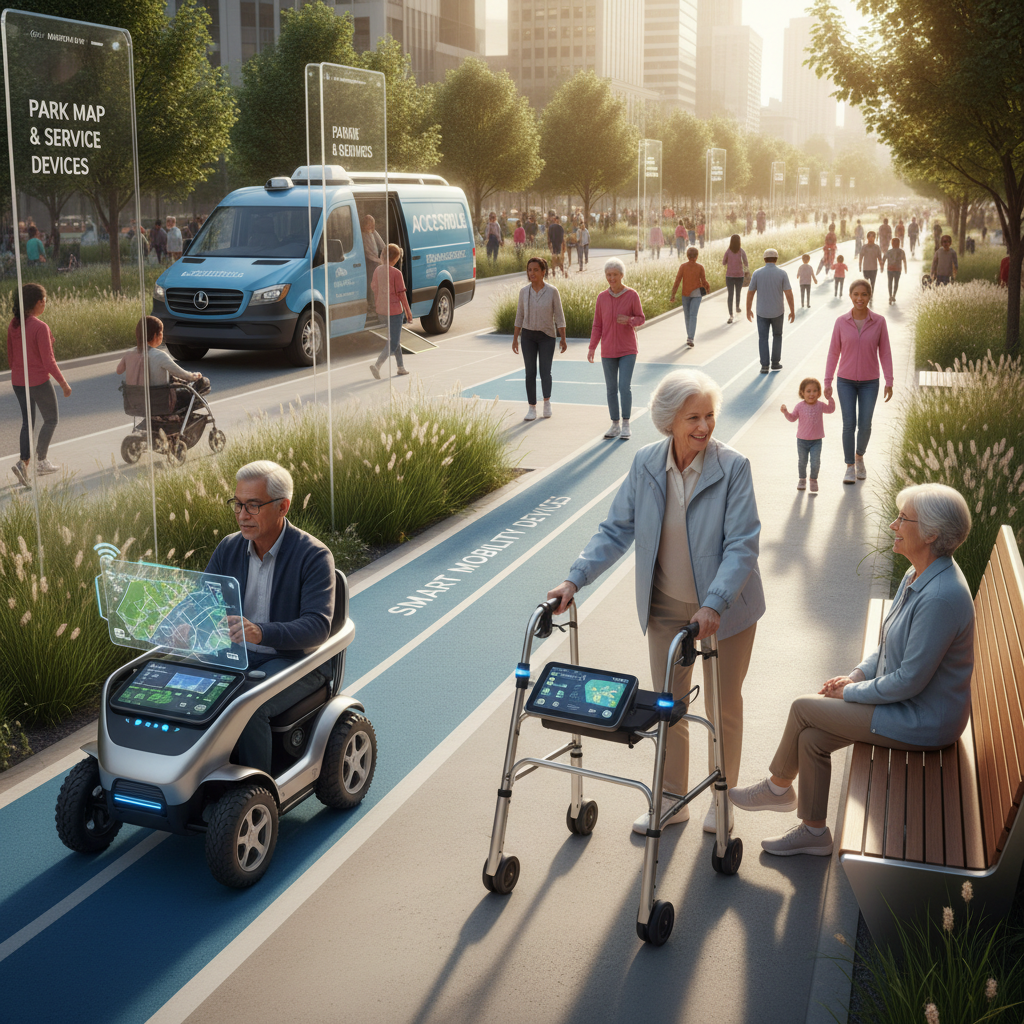
Walkers remain a fundamental mobility aid for seniors, especially those recovering from surgery or managing chronic conditions such as arthritis and Parkinson’s disease. The evolution of walkers into smart devices has incorporated sensors, actuators, GPS, and obstacle detection systems to improve usability and safety. For instance, intelligent walkers equipped with IoT connectivity enable real-time monitoring and environmental sensing, allowing users greater control and enhanced mobility. Research emphasizes balancing functionality with aesthetics and user experience to reduce abandonment rates commonly seen in traditional mobility aids. These advances also include ergonomic designs and customizable features to cater to individual needs.
Powered Wheelchairs and Mobility Scooters
Powered wheelchairs and mobility scooters provide crucial assistance for seniors who require help with longer distances or experience fatigue during travel. Recent developments have introduced lightweight exoskeletons combined with AI-driven stabilization, offering improved responsiveness and safety. These technologies enable users to navigate complex environments autonomously, extending their range of mobility while maintaining confidence and comfort. Advanced models incorporate autonomous navigation features that further empower seniors by reducing the need for continuous manual control.
Personalized Transportation Services
Beyond physical devices, personalized transportation services have gained prominence as essential components of smart mobility solutions for seniors. These services address mobility challenges stemming from health conditions and physical limitations by offering tailored transportation options that consider individual preferences and needs. Community-based programs, including volunteer driver networks and partnerships with transit authorities, aim to foster social connectivity and ensure access to essential services. The integration of mobile technologies, such as smartphone applications providing real-time travel information and behavioral safety cues, supports older adults in maintaining autonomy and navigating urban environments effectively.
IoT-Enabled Monitoring and Assistance Systems
IoT platforms play a critical role in enhancing senior mobility by continuously collecting and analyzing data related to users’ physiological parameters and activity levels. These systems facilitate remote health monitoring, allowing healthcare providers to track vital signs such as heart rate and respiration in real time and respond promptly to changes in health status. The combination of AI, machine learning, and natural language processing contributes to intelligent assistance applications, including fall detection and activity recognition, which support seniors in remaining safely independent within their homes and communities.
Future Directions: Integration of AI and Autonomous Technologies
Emerging mobility solutions increasingly leverage AI to provide adaptive and personalized assistance tailored to seniors’ evolving needs. The integration of lightweight exoskeletons with AI-driven stabilization and autonomous navigation technologies marks a significant step forward in enabling seniors with movement challenges to maintain independence and safety. These innovations are complemented by environmental designs that create smart, connected communities conducive to age-friendly mobility. Together, these technologies promise to transform how seniors engage with their environments, promoting active and fulfilling lifestyles well into advanced age.
Key Technological Features and Innovations
Advancements in technology have been pivotal in transforming smart mobility solutions for seniors, focusing on enhancing independence, safety, and overall quality of life. Key technological features and innovations encompass a range of interconnected systems and devices designed to support the unique mobility needs of older adults.
One significant innovation is the integration of remote health monitoring systems that enable seniors to remain in their home environments while healthcare professionals continuously monitor vital physiological signs in real time. Technologies such as machine learning (ML), natural language processing (NLP), and sensor-based assistive devices facilitate activity recognition, fall detection, and health management, contributing to disease prevention and timely intervention. These systems typically involve wearable sensors capable of tracking parameters like heart rate, blood pressure, respiration rate, body temperature, and activity levels, with data transmitted securely to healthcare providers via mobile health (mHealth) platforms.
Smart home technologies also play a critical role by enhancing accessibility and safety within the living environment. Their seamless integration with existing devices ensures seniors can navigate and control their surroundings effectively, thereby supporting mobility and reducing risks of accidents or isolation. Such technologies are often supported by interoperable communication protocols like Extensible Messaging and Presence Protocol (XMPP), which provides secure authentication, access control, and encrypted data exchange between clients, servers, and gateways, ensuring privacy and system reliability.
The use of electronic health records (EHRs) and digital healthcare infrastructures further bolster smart mobility solutions by enabling remote access to comprehensive medical histories and facilitating coordinated care. Platforms such as the SmartWalk server infrastructure exemplify these advancements by storing data in standards-compliant databases (e.g., Fast Healthcare Interoperability Resources – FHIR), while adhering to security frameworks like HIPAA and Federal Information Processing Standards (FIPS). Data transfer employs Transport Layer Security (TLS) to maintain confidentiality and integrity during communication.
Additionally, innovative design approaches such as Design Thinking (DT) have emerged to address the diverse and often complex needs of mobility aid users. DT emphasizes empathy and user-centered, iterative development to create smarter, more accessible mobility aids. It helps overcome barriers related to age, gender, cognitive load, social influences, and aesthetic preferences, leading to solutions that better align with user requirements. Techniques like Evaluation Grid Method (EGM) combined with fuzzy modeling have improved product development efficiency and the translation of user preferences into practical design guidelines.
Moreover, the continuous monitoring of sleep and other physiological parameters through wearable devices enhances seniors’ health management by detecting potential health problems early, adding another layer of support to smart mobility systems. Research into standardization, sensory enhancement, and improved communication methods remains ongoing to further optimize the effectiveness and user experience of smart walkers and other mobility aids.
Collectively, these technological innovations exemplify a holistic approach to smart mobility, integrating healthcare, communication, and design strategies to foster greater autonomy and well-being for seniors. Future research and development are poised to expand these capabilities, particularly through enhanced smart home integration and the creation of connected, age-friendly communities.
Health and Social Benefits of Smart Mobility Solutions
Smart mobility solutions for seniors offer numerous health and social benefits that contribute to maintaining independence, enhancing quality of life, and promoting overall well-being. These technologies address both physical and psychosocial determinants of mobility, which are critical for aging populations.
From a health perspective, smart mobility aids and connected technologies help prevent declines in physical function by encouraging activity and reducing risks associated with mobility loss. For instance, exercise programs designed to improve balance, strength, and fitness can significantly reduce the risk of falls—a major cause of injury among seniors—by combating deconditioning caused by inactivity. Additionally, integrated smart home technologies, such as automated lighting systems, have been shown to reduce fall risks by up to 30% in properly equipped homes, thereby creating safer living environments for older adults. Continuous health monitoring through smart sensors enables early detection of health issues, allowing timely intervention and reducing the likelihood of serious mobility impairments.
On the social front, smart mobility solutions promote engagement and reduce isolation, which are essential for mental health and cognitive function. Robotic companions and interactive mobile applications designed specifically for seniors foster social interaction and community participation, helping to combat loneliness and enhance social relationships. The design and implementation of assistive technologies using user-centered methodologies, such as the Mobility Aid Design for the Elderly (MADE), ensure that these devices meet the diverse cognitive and physical needs of seniors, thereby increasing adoption rates and social inclusion.
Moreover, the integration of smart mobility aids with autonomous navigation capabilities offers unprecedented freedom to seniors facing movement challenges, allowing them to navigate their environments more effectively and maintain autonomy. This empowerment supports not only physical independence but also psychological well-being by reducing stressors related to mobility limitations.
Usability Challenges Faced by Seniors
Seniors face a variety of usability challenges when adopting smart mobility solutions, largely due to age-related cognitive, physical, and sensory declines. Cognitive deficits, alongside impairments such as vision and hearing loss and reduced mobility, create significant barriers to learning and effectively using new technologies. These biophysical factors are often overlooked in traditional technology acceptance models, which inadequately address the specific needs of aging populations. Consequently, the combined effect of digital inexperience and age-related functional decline severely impedes the adoption of smart home and mobility technologies among older adults.
In addition to physical and cognitive limitations, many seniors prefer mobile applications that are easy and intuitive to use, yet survey data shows that a majority of senior mobile device owners do not fully utilize available functions designed to meet their mobility needs. This gap points to a mismatch between the complexity of some smart mobility solutions and seniors’ expectations for straightforward interfaces that enhance functionality without increasing cognitive load. Designers may have underestimated seniors’ willingness to engage with smart technologies, sometimes sacrificing advanced features in favor of perceived ease of use; however, older adults often expect digital technology to meaningfully improve the functionality and mobility of their assistive devices.
Non-use of smart mobility aids among seniors can also stem from diverse factors such as age, gender, social influences, experience, and even aesthetic preferences. Addressing these challenges effectively requires an empathetic, user-centered design approach that incorporates iterative feedback from older users to better align products with their needs. Furthermore, concerns over privacy and data security pose additional barriers, as many older adults worry about unauthorized access to their personal information and prefer solutions that respect their confidentiality and autonomy. These privacy concerns must be addressed to encourage wider acceptance and trust in technology-mediated mobility solutions among seniors.
Environmental and contextual factors also influence usability, including the design of accessible public spaces and first-mile/last-mile transportation barriers, which can complicate seniors’ mobility and interaction with smart solutions. To unlock the full potential of smart mobility technologies for seniors, comprehensive strategies must consider these multifaceted usability challenges by integrating physical, cognitive, social, and environmental determinants into the design and deployment of such technologies.
Design Features and Accessibility Principles to Improve Usability
Designing smart mobility solutions for seniors in 2025 requires a comprehensive understanding of diverse user needs and the application of universal accessibility principles to enhance usability. Central to this effort is the incorporation of the seven principles of universal design, which provide a foundation for creating products and environments that are equitable, flexible, and intuitive for all users, including older adults with varying levels of mobility and cognitive ability.
A key focus in developing mobility aids—such as wheelchairs, walkers, and canes—is the use of design thinking methods tailored specifically for these devices rather than general assistive products. This approach emphasizes empathy, user-centered design, and iterative development to address unique challenges faced by seniors, such as limited upper-body dexterity or cognitive load from interacting with smart technologies. By deeply understanding user requirements—including factors like age, gender, experience, and aesthetic preferences—designers can reduce device abandonment and promote greater social inclusion and independence for older adults.
Innovations in smart mobility devices extend beyond basic movement assistance. Advanced features now include the ability to execute complex commands, such as setting navigation destinations, adjusting speed dynamically, and syncing with smart home systems to provide seamless environmental control. These enhancements significantly improve the confidence and functionality for seniors relying on mobility aids, supporting their autonomy and day-to-day convenience.
To effectively translate diverse user preferences into practical design solutions, methodologies like the Evaluation Grid Method (EGM) combined with fuzzy modeling have been applied in new product development. These techniques enable designers to quantitatively capture user needs and expectations, ensuring that the resulting mobility aids are both efficient and widely acceptable among senior populations.
Moreover, ensuring an accessible complete trip—from origin to destination—remains paramount. Accessibility encompasses reliability, punctuality, flexibility, affordability, and safety, enabling seniors to live, work, and engage socially within their communities regardless of physical limitations. Personalized transportation services that integrate these accessibility principles further enhance mobility support, adapting to individual health conditions, mobility levels, and preferences to improve overall well-being.
Adoption Barriers and Strategies to Overcome Them
The adoption of smart mobility solutions among seniors faces multiple barriers rooted in physical, cognitive, psychosocial, and technological determinants. Despite advances in digital technologies such as smart walkers, high abandonment rates persist, largely due to a lack of understanding of the diverse needs and preferences of elderly users. Factors including age, gender, identity, prior experience, social influences, and even aesthetic preferences significantly impact acceptance and sustained use of these devices.
One major barrier is the complexity and cognitive load imposed by technology-based mobility aids, which can overwhelm users and lead to non-use. Additionally, many older adults experience feelings of stigma related to dependency and frailty when using assistive technologies, which may cause resistance to adoption due to fears of being monitored or perceived as vulnerable. Physical limitations such as impaired gait, balance, and strength further complicate the interaction with mobility devices.
Technological barriers also arise from the requirements of emerging transportation and mobility services, which often necessitate smartphone and internet access, digital literacy, and online payment capabilities. Many seniors lack these prerequisites, especially those with multiple disabilities, financial constraints, or those living in rural areas, effectively excluding them from the benefits of the new mobility revolution.
Financial constraints pose another significant obstacle, as many smart mobility technologies remain expensive and not widely available, limiting access for low-income seniors. Furthermore, environmental determinants, including transportation infrastructure accommodating mobility aids, must be addressed in conjunction with personal and technological factors to create effective solutions.
To overcome these challenges, systematic, user-centered design methodologies such as Mobility Aid Design for the Elderly (MADE) have been developed. MADE employs design thinking principles emphasizing empathy and iterative processes to tailor solutions that address cognitive differences and diverse user needs, thereby improving acceptance and reducing abandonment rates. Enhancing sensory experiences and communication capabilities within devices also contributes to better user engagement and satisfaction.
Addressing psychosocial barriers requires minimizing stigma by designing discreet and empowering technologies that respect users’ dignity and privacy. Increasing accessibility through education and support to improve digital literacy can enable more seniors to navigate emerging mobility options successfully. Collaboration with community-based agencies has also proven beneficial in coordinating adaptive equipment and care, demonstrating the importance of integrated support systems for individuals with complex needs.
Ultimately, a comprehensive approach that simultaneously tackles physical, cognitive, psychosocial, technological, financial, and environmental determinants is essential for unlocking the full potential of smart mobility solutions for seniors. Continuous research and inclusive design practices remain critical to fostering greater social equity and inclusion in senior mobility.
Community Support Programs and Initiatives
Community support programs play a crucial role in enhancing mobility and safety for senior populations, particularly those who are vulnerable or have limited resources. For example, Maricopa County Human Services piloted a Mobility Assistance Program aimed at supporting low-income senior adults to age safely at home by providing mobility devices and small home modifications. This program focused on improving safety, independent mobility, and reducing fall-related risks among seniors. Similarly, the Partners’ Care Transitions Choices program demonstrates the importance of dedicated volunteers and donors who align social care with healthcare to address the needs of high-risk populations, highlighting the positive impact of community engagement and support.
In addition to localized initiatives, broader frameworks and government-supported programs also contribute to enhancing senior mobility. The Federal Transit Administration’s Section 5310 program provides formula funding to states to meet the transportation needs of older adults and people with disabilities when existing services are unavailable or insufficient. This program supports both “traditional” capital projects and “nontraditional” projects that extend beyond Americans with Disabilities Act (ADA) complementary paratransit services, emphasizing a comprehensive approach to accessibility and transportation for seniors. Programs like these often involve partnerships with local transit authorities, volunteer driver networks, and community-organized events that foster social connections and help older adults navigate their communities.
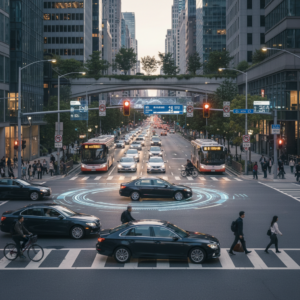
Moreover, as populations age, there is growing recognition of the need to integrate technological advancements with community efforts. Age-friendly cities and smart connected communities focus on environmental design that promotes independence and reduces barriers for seniors. Urban infrastructure innovations, such as smart public transportation systems and walkable, accessible urban designs, complement individual mobility solutions and contribute to a supportive environment for aging populations. These initiatives underscore the importance of coordinated efforts that combine technology, urban planning, and community resources to create scalable, sustainable mobility support for seniors.
Future Trends and Innovations in Senior Mobility
As the senior population grows, innovative trends and technological advancements are rapidly transforming mobility solutions to better support older adults’ independence and well-being in 2025. Personalized transportation services have become a cornerstone in enhancing seniors’ autonomy by addressing their specific health conditions, mobility levels, and preferences. These tailored services integrate technology with community-driven approaches, such as volunteer driver networks and partnerships with local transit authorities, to create more accessible and flexible mobility options beyond traditional public transportation.
Artificial intelligence (AI) plays a pivotal role in shaping the future of senior mobility. AI-based technologies, including machine learning, natural language processing, and Internet of Things (IoT) devices, are increasingly embedded in elderly care systems. Smart home solutions utilize AI algorithms to promptly detect emergencies and behavioral changes, thereby ensuring increased safety. Additionally, AI-powered wearable devices monitor vital signs in real-time, promote healthier lifestyles, and support individualized treatment plans via telemedicine platforms. Telehealth is also evolving with AI integration, enabling diagnostic support, remote monitoring, and virtual health assistants that guide seniors through daily care routines. The fusion of virtual reality (VR) with telehealth is anticipated to introduce hybrid rehabilitation and physical therapy experiences conducted in virtual environments under professional supervision.
Urban infrastructure developments complement these individualized innovations by fostering age-friendly environments that prioritize accessibility and walkability. The global age-friendly cities framework seeks to enhance transportation systems and public spaces to better accommodate seniors’ mobility needs. Smart public transportation systems equipped with technologies designed for ease of use by older adults are emerging as integral components of these urban initiatives.
Moreover, advancements in mobility aids are revolutionizing the capabilities of those with limited mobility, focusing on improving functionality, comfort, and user confidence. These aids, combined with feedback-adaptive technologies such as VR exergaming and serious games for fall prevention, are contributing to more effective rehabilitation and maintenance of independence among seniors.
Guide for Selecting the Best Smart Mobility Solution in 2025
Selecting the most suitable smart mobility solution for seniors in 2025 involves a multifaceted approach that considers the diverse physical, cognitive, and psychological needs of older adults. Mobility encompasses various domains, including gait, balance, strength, and cognitive function, all of which impact a senior’s ability to perform activities of daily living (ADLs) such as eating, dressing, and bathing independently.
When choosing a device or technology, it is essential to evaluate how well it addresses these domains while also integrating with the user’s lifestyle and environment. Innovative products range from smart walkers and powered wheelchairs to advanced mobility scooters and portable ramps, all designed to enhance safety, independence, and ease of use. However, technological capability alone is insufficient; solutions must be user-centered, incorporating design thinking principles that emphasize empathy and adaptability to individual preferences, experiences, and social contexts.
Furthermore, future mobility solutions are increasingly being integrated with smart home technologies and healthcare monitoring platforms. These integrations can provide real-time surveillance of symptoms, medication adherence, and mobility patterns, thereby enabling timely interventions and improved post-surgical outcomes. Seniors and caregivers should consider devices that offer connectivity with electronic health records (EHR) and support human-centered data management to optimize overall care.
In addition to individual device features, the broader environment plays a critical role. Age-friendly urban designs and smart public transportation systems complement personal mobility aids by improving walkability and accessibility in the community. Thus, selecting a solution that aligns with both personal needs and the surrounding infrastructure can significantly enhance mobility and quality of life.
Finally, ongoing research and clinical trials emphasize maintaining mobility independence through interventions that improve strength, balance, nutrition, and home safety while reducing isolation and fall risk. Prospective users are encouraged to consult healthcare providers and mobility specialists to tailor solutions based on clinical assessments and personal goals, ensuring the chosen technology not only meets current needs but adapts to evolving conditions.
By considering these factors—physical and cognitive needs, user-centered design, integration with health technologies, environmental compatibility, and professional guidance—seniors and their families can make informed decisions to unlock the best smart mobility solutions in 2025.
Case Studies and Success Stories
Partners, an organization dedicated to aligning social care with health care for high-need populations, has demonstrated notable success through its network of compassionate donors, community-based organizations (CBOs), and dedicated volunteers. One such story involves Yasmin, a senior who, with Partners’ support, was able to face health challenges with renewed resilience and independence. Similarly, Grace, a twenty-eight-year-old woman experiencing intense stomach pains and frequent nausea, benefited significantly from Partners’ Enhanced Care Management (ECM) program. The assistance provided by Delia, a care coordinator in the Care Transitions Choices program, was deeply appreciated by both Grace and her mother, illustrating the effectiveness of coordinated social and medical care interventions.
In terms of technology-assisted mobility solutions, studies have highlighted the positive impact of personalized smart home technologies (SHT) designed to meet individual goals such as enhancing independence, improving home safety, and compensating for decreased mobility. For example, participants concerned about safety were equipped with security cameras, while those with limited mobility used voice-activated devices to operate household appliances like fans, lights, or televisions. These tailored interventions not only support daily functioning but also foster a greater sense of autonomy among older adults.
Research into the design and acceptance of smart mobility aids such as smart walkers (SWs) further underscores the potential benefits of integrating advanced technology with usability considerations. A systematic design thinking methodology known as MADE has been introduced to optimize these devices by reconciling diverse user preferences and promoting social equity. Findings suggest that older adults not only desire enhanced functionality from digital technologies but are also willing to embrace innovative smart features that improve mobility, challenging previous assumptions that ease of use must come at the cost of advanced capabilities.
Moreover, the adoption of technology-mediated mobility solutions has been linked to improved quality of life among older adults. While antecedent factors influencing adoption are complex and multifaceted, the ultimate outcome consistently reflects enhanced well-being and greater independence. These insights reinforce the value of tailored technological interventions in supporting seniors’ mobility and overall health.
Together, these case studies and research findings illustrate the transformative potential of combining compassionate care programs with smart mobility technologies to empower older adults, improve health outcomes, and enhance quality of life.
The content is provided by Sierra Knightley, Front Signals