Summary
Unlocking the Connection: How Jaw Issues Can Trigger Headaches delves into the interplay between jaw dysfunction, specifically temporomandibular disorders (TMD), and headaches. Jaw issues can lead to pain symptoms due to misalignment, muscle tension, or nerve irritation, resulting in headache discomfort that is often overlooked. Understanding this connection emphasizes the importance of targeted management strategies to alleviate suffering and enhance quality of life.
Anatomy and Physiology of the Jaw
The temporomandibular joint (TMJ) and the trigeminal nerve system are crucial in jaw function and pain perception. The TMJ connects the mandible to the skull, enabling essential movements like chewing and speaking, while the trigeminal nerve transmits sensory information from the jaw to the brain. Dysfunction in these areas can disrupt normal function and contribute to headache symptoms, underscoring the importance of understanding their anatomy and neural pathways for effective diagnosis and treatment.
Common Jaw Disorders and Headaches
Temporomandibular disorders (TMD) are significant contributors to headache pain. These conditions are characterized by pain and dysfunction of the TMJ and surrounding muscles, often leading to referred pain in the head and neck areas. Symptoms like jaw clicking, limited mobility, and muscle tension can exacerbate headaches, emphasizing the need for proper management of TMD to alleviate associated discomfort.
Pathophysiological Mechanisms
The relationship between jaw disorders and headaches involves complex muscular, neural, and central nervous system interactions. Muscle tension from TMD can lead to headaches that worsen with jaw movement, while the trigeminal nerve transmits pain from the jaw to the brain, contributing to heightened sensitivity and persistent pain states. Central sensitization further complicates this relationship, making pain management more challenging.
Clinical Features of Jaw-Related Headaches
Headaches stemming from jaw disorders often present with unique symptoms. Typical pain is dull or throbbing, located at the temples or widespread depending on the severity of the jaw dysfunction. Patients may experience jaw clicking or tightness, which can help differentiate these headaches from migraines and other types. Recognizing these clinical features is crucial for effective diagnosis and personalized treatment approaches.
Diagnostic Criteria and Evaluation
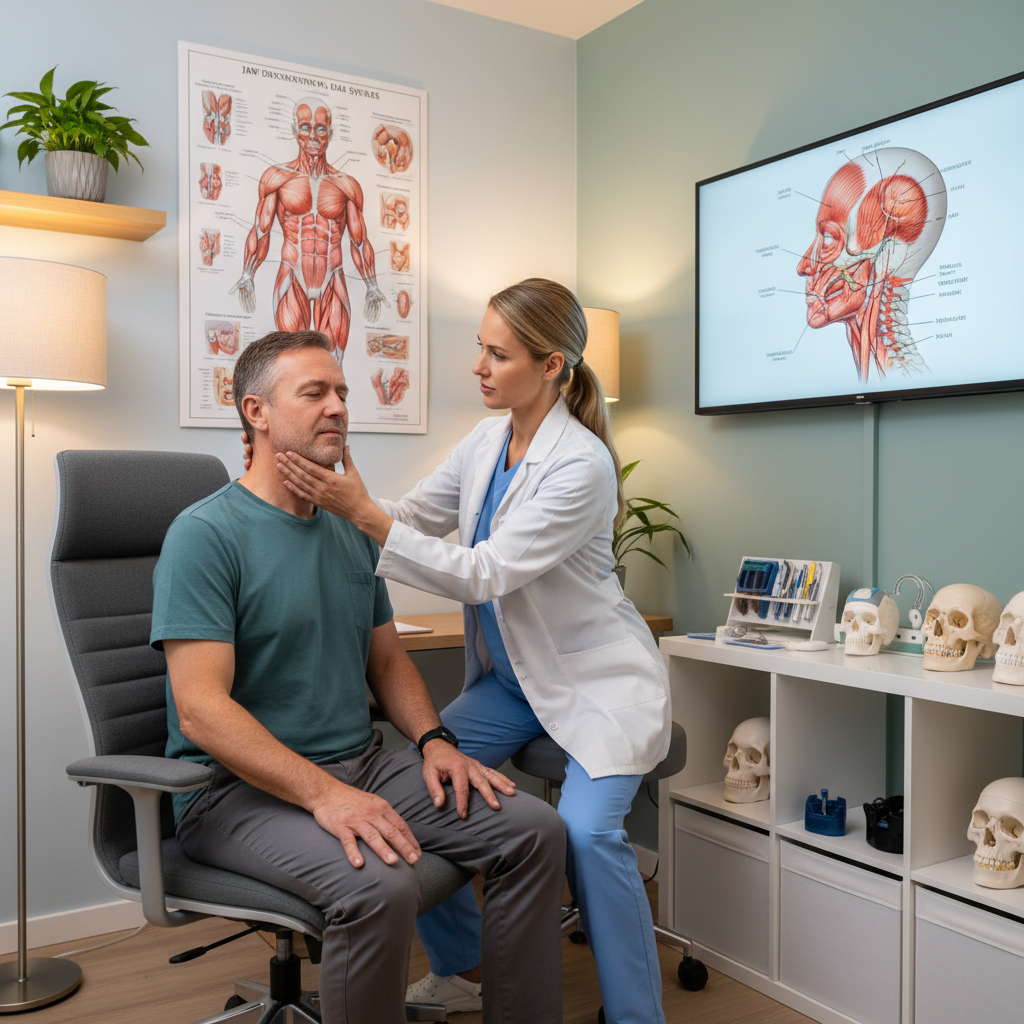
Diagnosis of TMD-related headaches relies on criteria that link jaw dysfunction to headache symptoms. Clinical history and physical examination emphasizing jaw movement and palpation of related muscles are key to identifying TMD as a headache source. This multifaceted evaluation is essential to guide appropriate treatment strategies and confirm the relationship between TMD and headache occurrence.
Types of Headaches Linked to Jaw Disorders
Tension-type headaches and TMJ-related headaches are commonly associated with jaw disorders. Tension-type headaches arise from muscle strain in the jaw and present with a dull, squeezing pain, while TMJ-related headaches may share symptoms but can include additional muscle tension and clicking sounds. Recognizing the specific type of headache linked to jaw issues aids in selecting effective treatments.
Treatment and Management Strategies
Managing headaches related to TMJ disorders requires a comprehensive approach that may include occlusal appliances, medications, and physical therapy. Non-invasive treatments focus on reducing muscle tension and inflammation while improving jaw function. Lifestyle modifications that minimize strain and stress play a crucial role in managing symptoms, offering a holistic approach to care tailored to individual needs.
Research and Emerging Perspectives
Recent studies highlight the role of central sensitization in the link between TMD and headaches, revealing overlapping mechanisms that require further exploration. Increased sensitivity in the trigeminal system can perpetuate pain, making non-invasive treatments essential for managing symptoms effectively. Emerging insights into these connections underscore the importance of multidisciplinary care for those affected.
Impact on Quality of Life
Jaw disorders significantly affect individuals’ quality of life, leading to chronic pain that interferes with daily activities and emotional wellbeing. The dual impact of physical symptoms and psychosocial factors necessitates a comprehensive approach that addresses both aspects for more effective management. Early diagnosis and a tailored treatment plan are essential to enhance the quality of life for individuals suffering from TMD and related headaches.
The content is provided by Harper Eastwood, Front Signals