Summary
Unlocking the Future: 5 Game-Changing Advantages of Screwless Dental Implants in 2025 explores the emerging paradigm shift in dental implantology characterized by the adoption of screwless implant systems. Unlike conventional screw-retained implants that use metal screws to secure prosthetic crowns, screwless dental implants employ alternative retention mechanisms such as friction-fit, locking taper, or adhesive bonding to attach the restoration. This innovative approach aims to enhance aesthetic outcomes, simplify surgical and restorative procedures, and reduce mechanical complications commonly associated with screw-retained implants, such as screw loosening and microleakage.
The article details how advancements in materials science, including bioactive ceramic coatings and the use of zirconia, alongside digital technologies like 3D printing and CAD/CAM fabrication, have significantly improved the precision, biocompatibility, and integration of screwless implants. These innovations contribute to superior osseointegration—the biological bonding of bone to implant surfaces—which is critical for implant stability and longevity. Clinically, screwless implants offer notable advantages such as enhanced aesthetics, reduced surgical invasiveness, and high survival rates comparable to traditional implants, with reported success rates exceeding 98% in some studies.
Despite these benefits, the adoption of screwless dental implants is not without challenges. The cementation or friction-fit retention complicates retrieval for maintenance or repairs, potentially increasing the invasiveness and cost of such interventions. Additionally, improper cementation can elevate the risk of peri-implantitis, a serious inflammatory condition affecting implant survival. These limitations underscore the importance of careful case selection, meticulous surgical technique, and rigorous maintenance protocols to optimize patient outcomes.
This comprehensive overview balances the transformative potential of screwless dental implants with an honest appraisal of their limitations and controversies. As implant dentistry advances toward more aesthetic, efficient, and patient-friendly solutions, screwless implant systems represent a promising yet cautiously embraced innovation shaping the future of dental rehabilitation in 2025 and beyond.
Overview of Screwless Dental Implants
Screwless dental implants represent an innovative advancement in implant-supported restorations that eliminate the traditional use of screws to secure the prosthetic crown to the implant fixture embedded in the jawbone. Unlike conventional screw-retained implants, which use metal screws to attach the prosthetic tooth to the abutment and subsequently to the bone, screwless implants rely on alternative mechanisms such as friction-fit, locking taper, or adhesive systems to hold the components firmly in place.
This design approach simplifies the restorative process by removing the need for screw-access holes, thereby improving the overall aesthetic outcome and reducing potential mechanical complications like screw loosening or fracture, which are occasionally observed with traditional screw-retained systems. Screwless implants function by employing precise engineering and manufacturing specifications to achieve a snug fit between the implant and abutment, often referred to as press-fit or friction-fit, allowing the implant components to lock securely without screws.
While screw-retained implants are well-established and offer the advantage of easy retrievability for maintenance or repairs, screwless implants provide an alternative that may better suit patients seeking improved aesthetics and streamlined procedures. However, screwless systems can present challenges, such as difficulties in retrieval if cemented improperly or potential wear of magnetic components, which could complicate maintenance over time. Ultimately, the choice between screwless and traditional screw-retained implants depends on multiple factors including oral health status, aesthetic preferences, budget, and lifestyle considerations.
Surgical Techniques and Procedural Differences
Screwless dental implants follow a surgical process similar to that of traditional screw-retained implants, involving the placement of a titanium or zirconia post into the jawbone, followed by osseointegration over a period of three to six months to establish a stable foundation for the prosthesis. However, unlike screw-retained implants that secure the crown with a mechanical screw, screwless implants rely on cement or friction-fit retention methods to attach the restoration to the implant abutment.
The procedural approach for screwless implants involves the use of an intermediate connection element, or abutment, onto which crowns or bridges are bonded with strong dental adhesives. This cementation or friction-fit technique simplifies placement by eliminating the need for screw components, which can reduce surgical complexity and potentially improve aesthetic outcomes due to the absence of screw access holes on the prosthesis.
Minimally invasive surgical methods, such as flapless surgery, are often employed to reduce postoperative discomfort and accelerate healing times in implant procedures, and these techniques are applicable to both screw-retained and screwless systems. Achieving primary stability is critical during implant placement, and advances in implant surface treatments and macrodesigns contribute to this goal, enhancing the likelihood of successful osseointegration and long-term function.
While the fundamental stages of implant insertion and healing remain consistent, the key procedural difference lies in the final restoration phase. Screw-retained implants allow for direct attachment via screws, offering easy retrievability and maintenance, whereas screwless implants rely on adhesive bonding, which may simplify initial placement but can complicate retrieval and repair if debonding occurs. This difference necessitates careful patient selection and surgical planning to optimize outcomes and reduce risks associated with each technique.
Technological and Materials Science Advancements
Recent advancements in technology and materials science have significantly transformed the development and application of screwless dental implants, making them more effective, reliable, and patient-friendly. One of the pivotal technological breakthroughs is the integration of 3D printing in dental implant manufacturing. This technology enables the production of highly precise implants tailored to each patient’s unique anatomy, improving the fit and function of the implant while reducing production time and costs. The precision and efficiency afforded by 3D printing help accelerate treatment timelines and enhance overall patient outcomes.
In parallel, computer-aided design (CAD) and computer-aided manufacturing (CAM) techniques provide dentists and dental laboratories with cost-effective and efficient alternatives for implant creation and prosthesis fabrication. These digital technologies facilitate better design customization and streamlined workflows, improving the predictability and success of implant procedures.
Material innovations have also played a crucial role in advancing screwless dental implants. The use of bioactive ceramic coatings on implant fixtures has been shown to increase surface microroughness, promoting improved osseointegration—the biological bonding process between the implant and surrounding bone tissue. Enhanced osseointegration is vital for the durability and stability of dental implants, directly impacting long-term treatment success. Additionally, zirconia implants have emerged as a viable alternative to titanium, offering superior aesthetics along with excellent biocompatibility, which is particularly advantageous in visible areas of the mouth.
The development of polymer-based biomaterials further expands the possibilities for implant coatings and prosthetic components, offering improved bonding and surface properties that contribute to better implant integration and function. Moreover, smart coatings responsive to environmental triggers such as pH changes have been introduced to control drug release and promote healing around implants, representing an innovative approach to enhancing implant performance and patient outcomes.
Together, these technological and materials science advancements underpin the next generation of screwless dental implants, providing stronger, more biocompatible, and aesthetically pleasing solutions while optimizing clinical efficiency and patient comfort.
Biological Mechanisms and Osseointegration
Osseointegration is the fundamental biological process underlying the success of dental implants, defined as a structural and functional connection between newly formed bone and the implant surface. This process mirrors the complex cascade of physiological mechanisms involved in direct fracture healing, ultimately resulting in secondary stability of the implant within the jawbone. Modern dental implants vary widely in design, including differences in shape, size, surface topography, chemistry, and wettability—all of which influence the biological interactions with host osteoblasts during bone formation and integration.
Screwless dental implants utilize osseointegration to establish a stable, screw-free base by promoting direct bone assimilation to the implant surface. The elimination of the screw component reduces potential sites for infection and mechanical complications such as screw loosening or microleakage, which can compromise long-term implant success. The initial step involves precise placement of the implant into a pre-drilled socket, followed by gradual bone growth and bonding to the implant’s rough surface over several months. This biological bonding enhances the durability, aesthetic outcomes, and functionality of the dental restoration compared to traditional screw-retained implants.
The surface characteristics of implants, including coatings with bioactive agents—such as anti-osteoporosis drugs, bioactive molecules, and inorganic elements—have been shown to improve osseointegration, particularly in individuals with compromised bone quality such as osteoporosis. These coatings aim to provide controlled drug release that supports antibacterial, anti-inflammatory, and bone regenerative effects, creating a favorable microenvironment for osteoblast activity and long-term implant integration.
Despite these advances, peri-implantitis—an inflammatory condition causing bone loss around the implant—remains a significant challenge, with prevalence rates estimated between 4% and 15% among surviving implants. Screwless implant designs, by reducing microgaps and mechanical failures associated with screws, may mitigate some risk factors for peri-implantitis, thereby contributing to better long-term outcomes. However, maintaining peri-implant health continues to require careful clinical monitoring and management.
Clinical Advantages
Screwless dental implants present several notable clinical advantages that distinguish them from traditional screw-retained systems. One of the primary benefits is their enhanced aesthetic appeal, especially in the anterior region, as the absence of screw access holes on the crown surface allows for a more natural and seamless appearance. This makes screwless implants particularly suitable for patients seeking improved smile aesthetics without compromising functionality.
In terms of patient comfort, screwless implants reduce the likelihood of irritation or discomfort commonly associated with screw-retained implants, due to the elimination of screw components. Additionally, the streamlined design simplifies maintenance and oral hygiene, facilitating better long-term oral health management. The minimally invasive nature of the procedure, often involving less drilling and flapless surgery, contributes to a shorter healing period and reduced postoperative discomfort.
From a mechanical perspective, screwless implants such as locking taper systems provide a friction-fit connection that enhances stability and durability. Clinical studies have demonstrated high survival rates comparable to traditional implants, with one study reporting a cumulative survival rate of 98.2% and a low incidence of biological and prosthetic complications. This locking taper design also mitigates common complications associated with screws, including screw loosening and microleakage.
Furthermore, screwless implants offer particular advantages for patients with medical conditions that may impair healing, such as diabetes, due to their less invasive surgical approach and reduced risk of inflammation or infection related to screw components. Clinicians emphasize that careful patient selection and surgical control remain critical for achieving successful outcomes, but the practical benefits of screwless implants—including easier maintenance, improved patient satisfaction, and long-term stability—are increasingly recognized in contemporary implantology.
Potential Complications and Limitations
Despite the growing popularity of screwless dental implants due to their aesthetic and functional benefits, several potential complications and limitations must be considered. One major concern involves the risk of peri-implantitis, an infection of the gums that can lead to bone loss and eventual implant failure. Excess cement used in cement-retained restorations may contribute significantly to this condition, making careful cementation techniques critical to prevent such biological complications.
Another limitation relates to the retrievability of screwless restorations. Unlike screw-retained implants, which allow straightforward removal for maintenance or repairs, screwless implants present challenges in crown removal. Cement-retained crowns require professional intervention for any adjustments, and removal can be more invasive and costly, potentially compromising the prosthesis or implant during the process.
Technical complications also play a significant role in implant failure beyond biological factors. These include implant body or fixture fractures, abutment screw or abutment fractures, and prosthesis fractures. Cement-retained restorations may have a slightly higher risk of chipping, especially under heavy occlusal forces, which is particularly relevant for posterior teeth subjected to significant chewing loads.
Furthermore, screwless implants depend heavily on proper case selection, cementation protocols, and the quality of materials used. The success and longevity of these implants are less predictable in poorly managed cases, and the risks of early failure increase without stringent patient evaluation and surgical control.
Long-term outcomes also appear to favor screw-retained implants due to their easier maintenance and ability to be adjusted or repaired without damaging the implant or prosthesis. Screwless implant complications tend to be more invasive to correct and potentially more costly, affecting overall patient satisfaction and implant survival rates.
Prosthodontic and Laboratory Perspectives
From a prosthodontic standpoint, screwless dental implants present several notable advantages over traditional screw-retained systems. One key benefit is the improved esthetic outcome, especially in the anterior or esthetic zone, where achieving an optimal gingival contour and seamless color match is critical. Cemented or screwless restorations avoid the visible access holes inherent in screw-retained crowns, thus providing superior esthetics preferred in these regions. Additionally, screwless designs, such as locking taper implants, utilize a friction-fit connection that eliminates the need for screws to secure the abutment, reducing mechanical complications related to screw loosening or fracture.
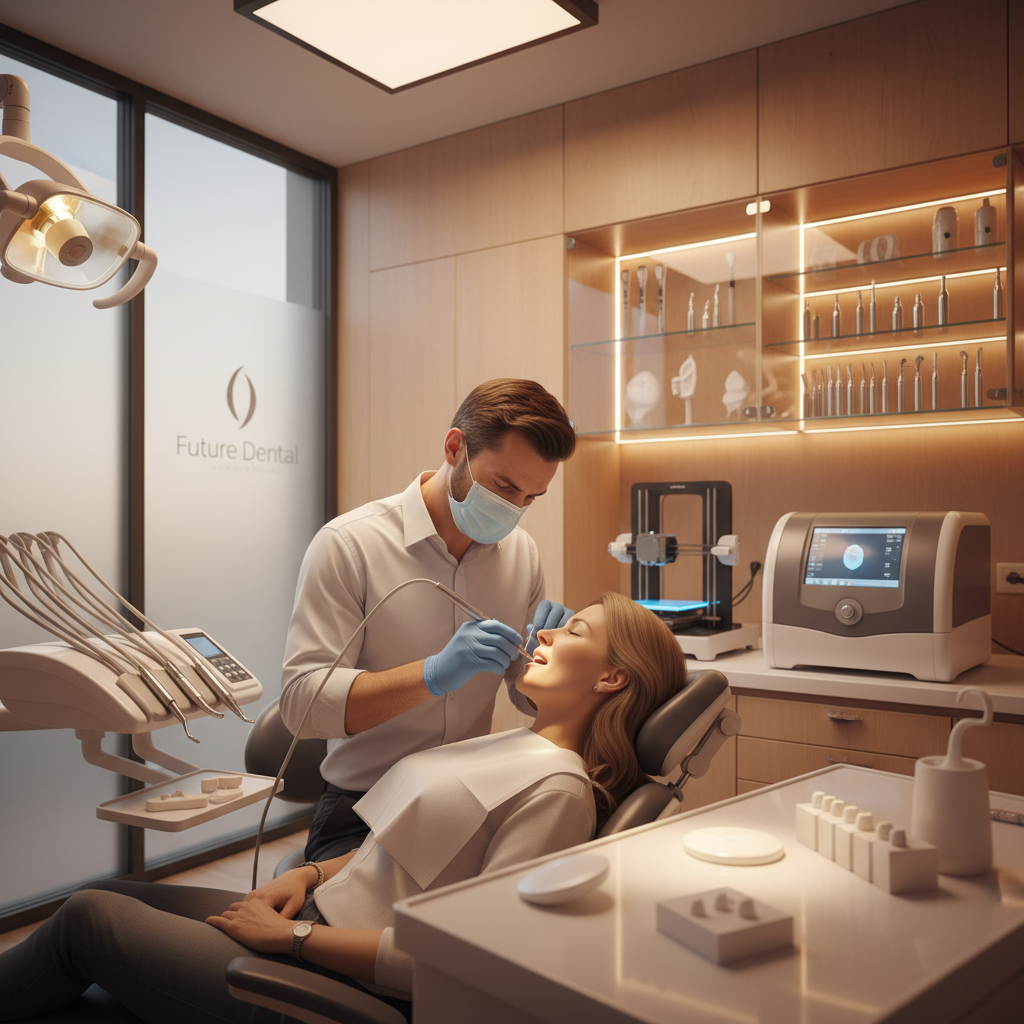
Laboratory workflows have also been transformed by these developments. The precision engineering behind screwless implants demands exact manufacturing tolerances to ensure a tight press-fit connection. Computer-aided design and manufacturing (CAD/CAM) and 3D printing technologies have facilitated this shift by enabling highly accurate, patient-specific components with reduced production times and lower costs. These digital methods not only enhance the fit and function of the implant components but also streamline the prosthesis fabrication process, benefitting dental laboratories through increased efficiency and consistency.
Moreover, screwless implants often require less invasive surgical procedures with shorter recovery times, which can influence prosthodontic planning and patient management positively. The elimination of screw channels simplifies the prosthetic design, potentially reducing the number of components and simplifying maintenance. Collectively, these advances reflect a growing trend toward minimally invasive, esthetically focused, and digitally optimized implant rehabilitation strategies in modern prosthodontics.
Maintenance Protocols and Long-Term Care
Maintenance protocols and long-term care play a crucial role in the success and longevity of dental implants, particularly when comparing screwless (cement-retained) and screw-retained options. One of the primary advantages of screw-retained implants is their ease of long-term maintenance. These implants allow for straightforward retrieval of the restoration, facilitating repairs or interventions without causing damage to the prosthesis or implant itself. This retrievability makes screw-retained implants especially suitable for cases where ongoing access to the implant is important, such as in posterior teeth, where functional load and potential complications may be higher.
In contrast, screwless implants, while often preferred for aesthetic reasons—especially in the anterior region where screw access holes could compromise appearance—pose challenges during maintenance. Cement remnants used in screwless restorations can be difficult to detect and remove completely, as they may become embedded beneath the gingival margin or within soft tissues. This can increase the risk of peri-implant inflammation and complicate routine care procedures. Therefore, patients with screwless implants may require more meticulous and frequent follow-ups to ensure the removal of any residual cement and to monitor tissue health.
Long-term success with both implant types depends heavily on individualized treatment planning and patient-specific factors. Dentists often consider ease of maintenance as a key factor when recommending screw-retained options, especially for patients who prioritize durability and simplified interventions over aesthetics. Advances in implant design and materials continue to improve the stability and outcomes of both screw-retained and screwless systems, but the choice must balance functional needs, aesthetic desires, and maintenance capabilities.
Clinical Evidence and Outcome Studies
Recent clinical investigations have demonstrated that screwless dental implant systems exhibit high survival rates comparable to traditional screw-retained implants. A notable clinical study involving 170 screwless implants reported a cumulative survival rate of
The content is provided by Jordan Fields, Front Signals