
Summary
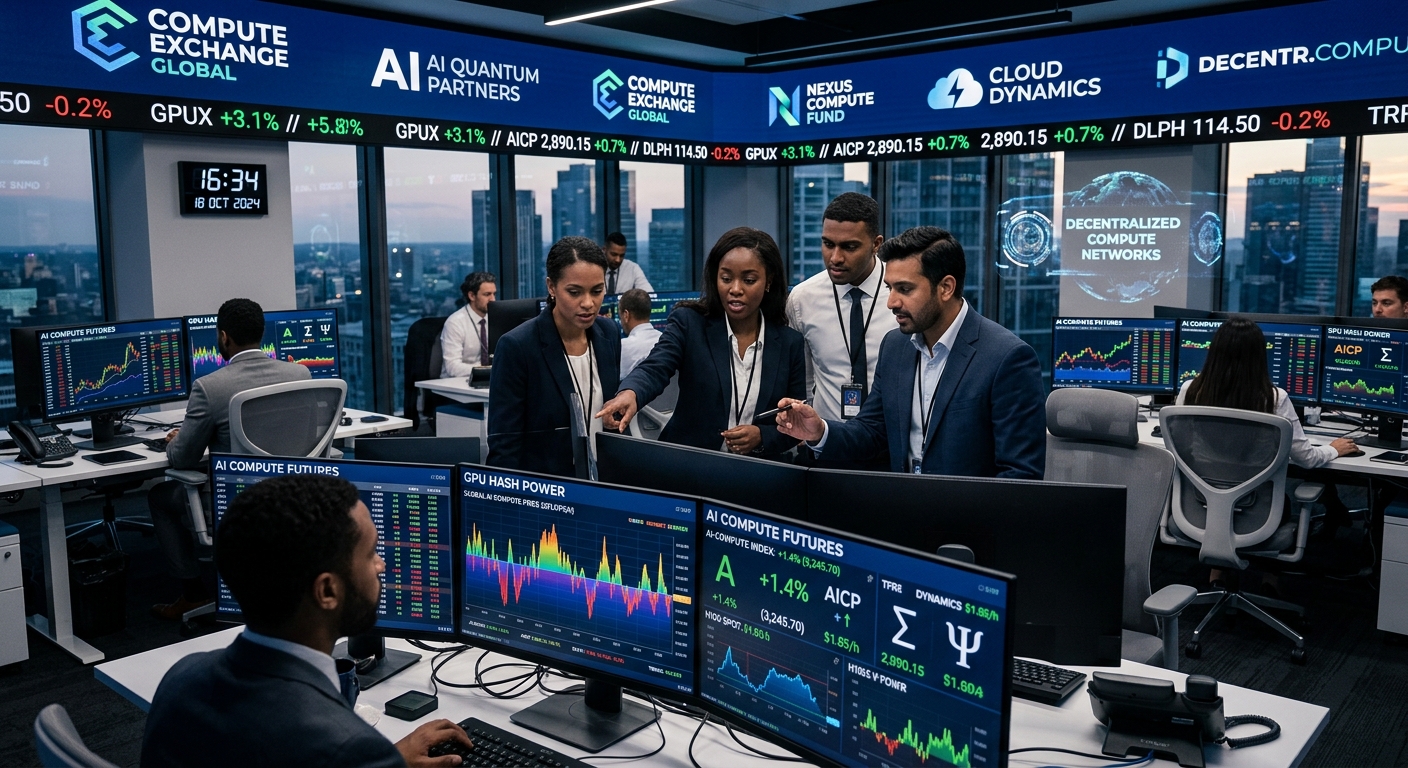
Unlocking the Future: How AI Computing Power is Being Transformed into a Tradeable Commodity details how the evolving market dynamics and technological advancements are redefining AI computing power as a tradable asset, similar to commodities like oil. This transformation reflects a shift in valuation and integration of digital infrastructure into financial markets, driven by the strategic importance, price volatility, and scarcity of AI compute resources. The article also discusses various mechanisms, such as futures markets and decentralized compute platforms, that facilitate this market, while highlighting the need for careful oversight to manage associated risks.
AI Computing Power: A Scarce Resource
AI computing, particularly through specialized hardware like GPUs and TPUs, is increasingly viewed as a strategic asset that parallels historical commodities. This perception stems from its growing importance in enabling AI workloads, which has led to rising investment in companies that supply essential infrastructure for AI compute. However, the complexity of AI hardware configurations complicates the establishment of benchmarks for trading, since variations in components and usage affect pricing, underscoring the need for standardized metrics that can support futures and other trading mechanisms.
The Emergence of AI Computing as a Tradable Commodity
The recognition of AI computing power as a tradable commodity is driven by its scarcity, standardization challenges, and price volatility—mirroring traits found in traditional commodities. Key players, including chip manufacturers and data centers, are ideally positioned to benefit from this shift as they support a diverse range of AI applications. Innovative financial products are emerging, including compute futures contracts developed by institutions like CME Group, illustrating the institutional interest in formalizing this commodity market.
Mechanisms of Trading AI Computing Power
The trading landscape for AI compute has evolved significantly, with futures markets establishing standardized benchmarks for GPU rental costs, akin to how commodities are traded. Recent partnerships, such as those between CME Group and Silicon Data, aim to launch exchanges dedicated to compute resources, pending regulatory approvals that are critical for market integrity. Additionally, decentralized compute marketplaces provide agile alternatives, matching supply and demand through peer-to-peer networks, which broadens access and helps ensure competitive pricing models.
Technological Infrastructure Supporting AI Compute Trading
The complex technological infrastructure for AI compute trading encompasses distributed computing, advanced hardware, and cloud services, enabling transparent and efficient access to computational resources. Distributing workloads via decentralized platforms enhances reliability and flexibility, while modern cloud architectures facilitate rapid scalability and efficient resource usage for AI applications, streamlining the overall trading process. Specialized AI hardware, such as GPUs and TPUs, is crucial to achieving the performance necessary for high-demand AI workloads.
Marketplace Models and Platforms
Decentralized cloud marketplaces are redefining how computing resources are allocated by bridging the gap between supply and demand. These platforms, leveraging blockchain technology, provide significant cost savings—often up to 80%—over traditional cloud solutions. Various marketplace examples illustrate how innovations in this space ensure accessibility and competition across AI users while also influencing broader industry dynamics and competitive behaviors among established cloud providers.
Service Models Facilitating AI Compute Trading
The commoditization of AI computing is heavily reliant on service models like Infrastructure as a Service (IaaS), Platform as a Service (PaaS), and Software as a Service (SaaS). These models enable organizations to efficiently access and manage AI resources, with IaaS and PaaS facilitating the deployment and training of AI systems while SaaS abstracts infrastructure complexities. The combination of flexible pricing based on usage further entices various businesses to harness AI capabilities without being tied down by heavy IT infrastructure costs.
Market Structure and Key Participants
The establishment of a structured market for AI computing power significantly enhances price discovery and risk management. Futures contracts enable participants to hedge against volatility, with key players including commodity exchanges and cloud infrastructure providers influencing market dynamics. Critics emphasize the potential for excessive financialization, which may serve to destabilize prices. Understanding the roles of various actors—speculators, institutional investors, and infrastructure providers— is essential for navigating this evolving landscape.
Economic and Legal Implications
The shift of AI computing power into the commodity space entails numerous economic and legal considerations. This recognition as an asset class brings about the necessity for regulatory clarity, especially for proposed futures contracts. Achieving proper oversight and transparent mechanisms is crucial, as the integration of AI compute trends into existing financial frameworks can create both opportunities and challenges for market participants.
Applications and Use Cases
The transformation of AI compute as a tradeable commodity enables diverse applications across industries, particularly in finance and cloud computing. This shift has facilitated the development of AI-driven tools that improve data analysis capabilities within financial markets. Furthermore, organizations leverage scalable AI solutions on cloud platforms, driving efficiencies in model training and deployment while enhancing reliability through distributed computing frameworks.
Future Prospects
As AI compute becomes an essential asset, its value in the market is expected to grow significantly, particularly in emerging economies. The anticipated establishment of formal financial markets for AI compute will help in price tracking and risk management. Although there are concerns regarding market volatility, the potential for speculators to enhance price discovery indicates a crucial balance as this space continues its evolution.
Criticisms and Controversies
The move towards treating AI computing power as a commodity has raised critical concerns, particularly regarding its environmental impacts and market volatility. The significant energy demands from AI applications pose essential questions about sustainability and resource management. Moreover, the reliance on legacy pricing structures that emphasize computational costs may limit the economic potential of AI, necessitating innovative approaches to better align value with pricing. Overall, addressing these criticisms requires collaboration on sustainable policies and regulations to ensure equitable and beneficial advancements in AI deployment.
The content is provided by Blake Sterling, Front Signals