Summary
Direct-to-Film (DTF) printing is an innovative digital textile printing technology that enables vibrant, durable designs to be transferred onto a wide range of fabric types and substrates, including cotton, polyester, blends, leather, and more. Emerging in the early 2020s, DTF has rapidly gained traction in the apparel decoration industry due to its versatility, cost-effectiveness, and ability to produce high-quality prints on both light and dark fabrics without requiring pretreatment. Unlike Direct-to-Garment (DTG) printing, which deposits ink directly onto garments, DTF prints designs onto a specialized PET film before heat-transferring them onto textiles, broadening the scope of compatible materials and applications.
The technology’s adoption has been driven by advancements in specialized inks, film coatings, and adhesive powders, as well as improved machinery from leading manufacturers like Epson, Brother, Mimaki, and Roland. These innovations allow for detailed, full-color prints with strong adhesion and wash resistance, making DTF a compelling alternative to traditional screen printing and sublimation methods, especially for small to medium production runs and intricate designs. Additionally, the integration of AI-driven automation and sophisticated RIP software enhances production efficiency and color consistency, further supporting DTF’s growing industrial relevance.
DTF printing’s flexibility extends beyond apparel to products such as bags, hats, interior décor, and non-textile materials, enabling businesses and hobbyists to expand creative possibilities and customize a diverse array of items. This adaptability, combined with moderate setup costs and on-demand production capability, has positioned DTF as a disruptive force in textile manufacturing, empowering both small-scale operations and large enterprises to meet evolving market demands.
However, the technology faces challenges including initial equipment investment, the need for careful media handling, and occupational safety considerations related to adhesive powder curing. Despite these hurdles, continuous advancements in hardware, ink chemistry, and workflow software suggest a promising future for DTF printing as a versatile, sustainable, and innovative solution within the decorated apparel and textile industries.
History and Development
Direct-to-Film (DTF) printing emerged as a significant innovation in the decorated apparel industry in the early 2020s. Initially adopted by small and mid-size providers, the technology gained momentum as its advantages over traditional printing methods became apparent. Unlike Direct-to-Garment (DTG) printing, DTF involves printing designs onto a special film, which is then transferred onto various fabric types, enabling versatility across apparel such as shirts, hats, and pants.
Over the years, DTF printing technology evolved from a niche craft process to an industrial-scale solution. This transformation was driven by the introduction of advanced machinery from major digital print manufacturers, who began offering a wide range of equipment catering to different production speeds and price points. Companies such as Epson, Brother, Mutoh, Resolute, Pigment.inc, Roland, and Mimaki launched dedicated DTF printers, reflecting the technology’s growing market importance and acceptance.
The shift towards industrialization was marked by innovations that addressed prior limitations, including fabric compatibility and print speed. For instance, Mimaki’s TXF150-75 model, introduced as part of their entry into the premium branded apparel market, exemplified this advancement. Industry experts noted the substantial impact of DTF technology, highlighting its advantages over existing textile printing methods and its potential to transform apparel decoration.
Furthermore, the development of DTF printing incorporated eco-friendly inks and high-resolution capabilities, alongside emerging integrations with artificial intelligence, paving the way for a sustainable and creatively expansive future within textile printing. As the technology continues to proliferate, DTF printing stands as one of the newest and hottest trends in the apparel decoration sector, promising continued growth and innovation.
Technology Overview
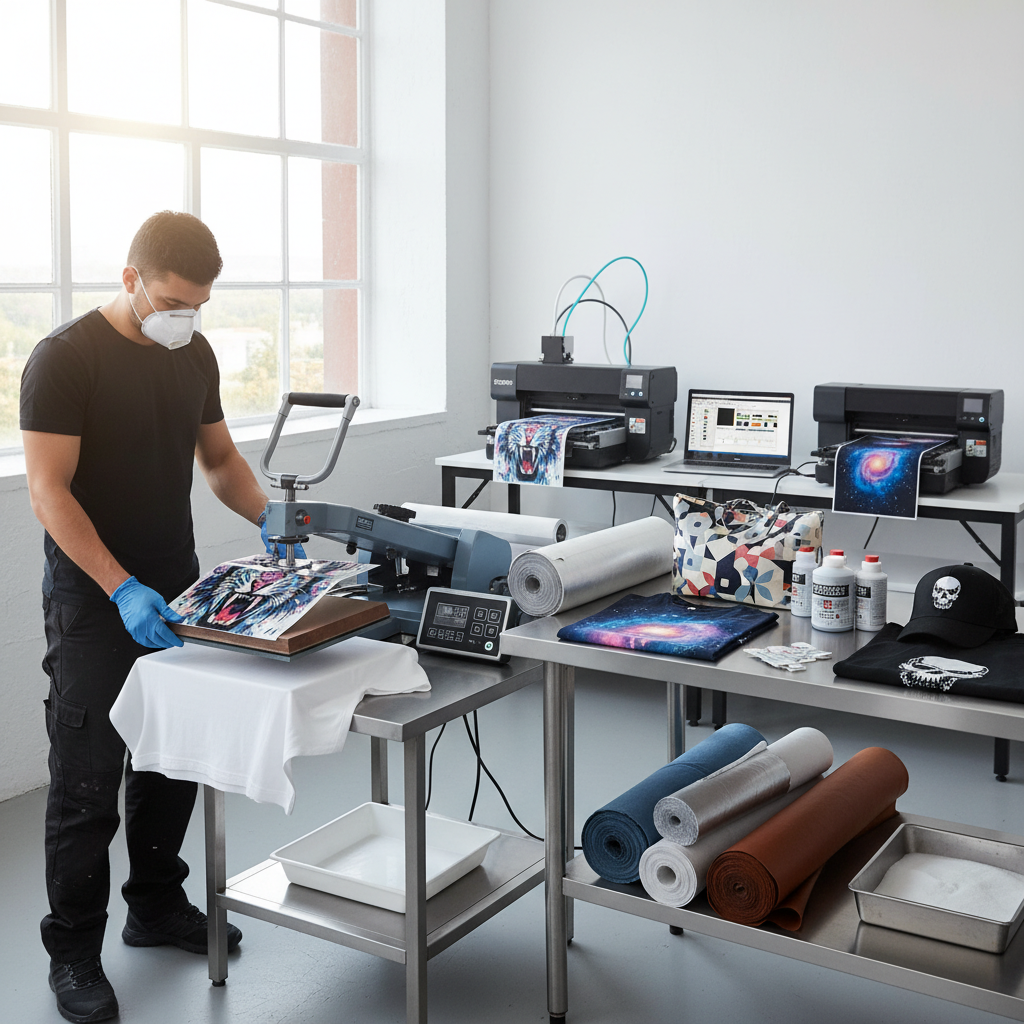
Direct-to-Film (DTF) printing is a modern digital printing technology that enables high-quality, full-color designs to be transferred onto a wide range of textiles and substrates, including T-shirts, hoodies, caps, bags, and even non-textile materials like leather and wood. The process involves printing designs directly onto a specialized heat-sensitive PET film using a DTF printer equipped with water-based, pigmented textile inks specifically formulated for this method. These inks are carefully controlled by specialized RIP software that manages color profiling, ink drop sizes, and white and CMYK ink layers to ensure precise and vibrant print results.
The PET films used in DTF printing typically have a thickness of approximately 0.75 mm and feature specialized coatings that enhance ink absorption and release during the heat transfer process. There are two main types of DTF films: cold-peel and hot-peel, classified based on their temperature properties during the transfer stage. Selecting the right DTF film is critical, as it directly affects print quality, color vibrancy, and transfer performance.
A key component of the technology is the use of a white ink layer printed simultaneously with the colored inks. This white layer serves as an adhesive base for designs on dark or colored fabrics, ensuring the colors remain bright and true to the original image. After printing, a fine thermoplastic adhesive powder is applied to the wet ink on the film and subsequently cured using heat. This powder acts as a bonding agent to affix the design onto the target material during heat pressing.
DTF printing is highly versatile, supporting a wide variety of fabric types including cotton, polyester, nylon, leather, denim, and blends such as 50/50 cotton-polyester. Unlike Direct-to-Garment (DTG) printing, which is mainly suitable for natural fibers like cotton due to ink absorption requirements, DTF excels on synthetic fabrics and blends by using an adhesive transfer system rather than relying on fabric absorbency. This versatility enables manufacturers to rapidly switch between different fabric types within minutes, expanding their product range and increasing production efficiency.
The heat transfer process is carried out using a heat press machine, which bonds the printed film design to the fabric by applying pressure and temperature. Once pressed, the film is peeled away, leaving a durable, detailed print with excellent color reproduction and fast production times. Additionally, occupational health guidance recommends proper ventilation and local exhaust systems to manage powder curing and ink fumes during the printing process to maintain safe working conditions.
Features of DTF Printers
DTF (Direct to Film) printers are specialized devices designed to print vibrant and durable designs onto a particular type of transfer film coated with adhesive powder. This powder is later heated to activate the glue, allowing the design to be transferred efficiently onto various fabric types. A key feature of DTF printers is their compatibility with specially formulated DTF inks, which are engineered to work seamlessly with the printheads and film used in the process.
One of the main advantages of DTF printers is their versatility in handling a wide range of textiles, including cotton, polyester, fleece, nylon, and various fabric blends. This flexibility sets DTF apart from other printing technologies such as Direct-to-Garment (DTG) printing, which typically performs best on natural fibers like cotton. Moreover, DTF printing can be applied to both light and dark-colored garments without the need for pretreatment, simplifying the workflow and reducing preparation time.
DTF printers also excel in producing vibrant colors and intricate details with excellent reproduction quality, making them ideal for complex designs and small production runs. Maintaining consistent color output is facilitated by using the same batch of ink and film, as well as matching printer settings with the color profile in the design software. These printers contribute to fast production cycles, as switching between different fabric types can be accomplished quickly, enhancing manufacturing efficiency.
Regarding durability, DTF prints generally offer superior longevity and resistance to wear compared to other methods, although proper garment care remains important for extending print life. While setup costs for DTF printing are moderate, they tend to be lower than traditional screen printing, which involves more extensive manual labor and equipment costs. Additionally, DTF printers require routine maintenance for both the printing equipment and the film transfer process to ensure consistent quality and reliability.
Benefits of Using DTF Printers
DTF (Direct-to-Film) printers offer several significant advantages compared to traditional commercial printing methods. One of the primary benefits is the ability to overcome many restrictions inherent in conventional processes, allowing for greater versatility and efficiency in printing applications. Additionally, because DTF printing typically does not require pre-treatment of garments, users can save on overall printing costs, making it an economical option for many businesses.
Another advantage is the compatibility of DTF technology with desktop printers, which can be converted for DTF use with relatively simple modifications. This flexibility enables smaller businesses and hobbyists to access high-quality printing without investing in large industrial machines. Moreover, DTF printing supports an on-demand production model using water-based inks, which helps reduce overproduction and waste, promoting a more sustainable workflow.
DTF printers are also particularly well-suited for handling intricate and detailed designs, which can be challenging and costly with traditional screen printing due to the need for screens and stencils. In contrast, DTF provides a more efficient alternative for small orders and complex artwork, improving turnaround times and reducing manual labor. The process’s reliance on fine thermoplastic powders and heat curing ensures durable, vibrant prints that adhere well to a variety of textiles, further expanding its applications across different industries.
Finally, the quality and vibrancy of DTF prints are heavily influenced by the graphic design software used. Choosing the right software can enhance design complexity, resolution, and color accuracy, enabling users to achieve professional-grade results tailored to their needs and skill levels.
Applications
DTF (Direct-to-Film) printing has rapidly gained popularity in the custom apparel industry due to its versatility, ease of use, and ability to produce high-quality, personalized designs on a variety of textile products. It is widely used for printing on cotton, polyester, and their blends, making it a flexible choice for businesses targeting diverse fabric types and colors.
Primarily, DTF printing is ideal for creating customized apparel such as T-shirts, hoodies, jackets, polos, and hats. The technology allows for detailed and vibrant designs, enabling apparel brands and designers to produce personalized and intricate graphics without minimum order requirements or complex setups. This ease of use and low investment threshold make DTF printing accessible to both small craft manufacturers and larger industrial operators, with recent advancements allowing for higher speeds and variable pricing models in the market.
Beyond clothing, DTF printing extends to various textile products including cushion covers, masks, bags, and sweatshirts, broadening the scope of customization in the textile sector. Additionally, its application is expanding into interior decor, where designers use DTF to produce customized decor items that complement fashion aesthetics, allowing a seamless blend between apparel and interior design personalization.
Moreover, the technology supports efficient order management and artwork approvals through integrated platforms like DecoNetwork, which helps automate processes and create online stores where customers can upload their own designs, enhancing collaboration and customer engagement.
In comparison with other popular printing methods such as Direct-to-Garment (DTG) and sublimation, DTF offers unique advantages like fabric versatility without limitations, making it a competitive choice for businesses seeking diverse product offerings and customization options. As a result, DTF printing has become a game-changing technique that empowers entrepreneurs and designers to innovate in the textile and apparel industries while maintaining cost-effectiveness and high-quality output.
Comparison with Other Printing Technologies
Direct-to-Film (DTF) printing is often compared with other popular textile printing methods such as Direct-to-Garment (DTG), screen printing, and sublimation printing, each having unique advantages and limitations.
DTF vs Direct-to-Garment (DTG) Printing
DTG printing involves applying ink directly onto garments using specialized inkjet technology, producing high-quality, soft, breathable, and durable prints. It works best with natural fibers like cotton and bamboo, which absorb the ink well. In contrast, DTF printing transfers designs from a specialized PET film onto a variety of fabrics using a heat press, making it compatible with a wider range of materials including polyester, nylon, fleece, leather, and blends.
One key difference is that DTG requires fewer production steps as the ink is jetted directly onto the garment, while DTF involves printing onto film first and then heat pressing onto the fabric. DTF prints are generally more vivid and vibrant due to the application of a powder adhesive after printing, which enhances color brightness compared to DTG’s direct ink application. Additionally, DTF printing does not require garment pretreatment, simplifying the process and enabling printing on both light and dark fabrics with intricate designs.
While DTG excels in producing soft and breathable prints on natural fibers, DTF offers greater versatility across fabric types and is particularly cost-effective for small batch and custom orders. However, DTG tends to have higher initial costs and can be less cost competitive than DTF, especially for small to medium production runs.
DTF vs Screen Printing
Screen printing is a traditional method involving creating custom screens for each color, which leads to high setup costs and longer production times. It is highly cost-effective for large-volume orders, as the cost per unit decreases significantly with bulk printing. However, it is less suitable for small orders or intricate designs due to complexity and labor requirements.
In contrast, DTF printing has medium setup costs, requiring only a printer, film, and heat press, making it more economical and faster for small to medium runs. DTF also supports vibrant, full-color designs with excellent washability and durability. While screen printing remains preferable for high-volume jobs, DTF provides a flexible alternative that allows for on-demand production without the need for minimum order quantities.
DTF vs Sublimation Printing
Both DTF and sublimation printing use heat transfer processes but differ significantly in technique and fabric compatibility. Sublimation printing uses a chemical process where solid dye sublimates into gas and bonds with polyester or polymer-coated substrates, limiting it primarily to polyester fabrics. DTF printing uses digital transfers to apply pigment inks onto various fabric types, including cotton and blends, making it more versatile.
Moreover, sublimation typically produces vibrant and durable designs but is restricted to light-colored polyester materials, whereas DTF can print on both light and dark fabrics of multiple types with bright colors and strong adhesion.
Challenges and Limitations
Despite the numerous advantages of Direct to Film (DTF) printing, there are several challenges and limitations associated with the technology. One significant drawback is the initial setup cost, which tends to be higher due to the necessity of screens, stencils, and specialized equipment. This can make the initial investment steep, especially for smaller operations or those with limited budgets. Additionally, manual labor involved in certain steps of the process can result in longer production times, which is problematic for urgent orders or high-volume runs.
DTF printing also demands careful handling of media materials to prevent feed issues and maintain film integrity. Improper loading or storage of DTF film can lead to defects, affecting the final print quality. For this reason, it is essential to store the film flat or rolled in its original packaging and follow best practices for media handling to ensure professional and consistent results.
Another limitation relates to occupational safety concerns during the curing process. The use of fine thermoplastic powders and heat to fix inks and adhesives necessitates proper ventilation and exposure control. Implementation of local exhaust ventilation (LEV) at printers and powder-curing stations, alongside adequate room ventilation, is recommended to meet regulatory standards and protect operator health.
While DTF printing excels in versatility and fabric compatibility, it is not always the most efficient choice for intricate designs or small batch orders when compared to other digital printing methods. The complexity of some designs may increase production time and cost, reducing overall versatility. Moreover, troubleshooting common issues such as ink smudging, image blurring, and color inconsistencies remains a crucial part of maintaining print quality, requiring ongoing attention and expertise from operators.
Despite these challenges, advancements in machinery and workflow
Impact on Textile Manufacturing
Direct-to-Film (DTF) printing has significantly influenced textile manufacturing by introducing greater versatility, efficiency, and creative potential to the apparel printing industry. Unlike traditional screen printing, which involves higher setup costs, labor-intensive processes, and limitations on design complexity and order size, DTF offers a more streamlined and adaptable approach suitable for a variety of textiles and production scales.
One of the primary advantages of DTF technology is its ability to accommodate a wide range of fabric types without extensive downtime for equipment adjustments. Manufacturers can switch production lines between different materials within minutes, greatly enhancing operational flexibility and expanding the product range by up to two thirds when handling mixed-material orders. This adaptability allows businesses to respond swiftly to evolving market demands and customize products more efficiently than traditional methods.
DTF printing workflows have also accelerated production speeds while maintaining high-quality output. The integration of AI-driven processes into DTF systems ensures consistent precision and reduces manual intervention, contributing to faster turnaround times and improved reproducibility. Furthermore, the availability of a broader color spectrum enhances design possibilities, empowering textile producers and designers with more vibrant and diverse options.
In terms of costs, while ongoing expenses for DTF include consumables like film and adhesive powder, these are often balanced by reductions in labor and material waste compared to screen printing, which requires screen reclamation and storage. Overall, DTF technology has enabled textile manufacturers to increase efficiency, scale operations, and offer innovative designs without compromising quality, marking a notable advancement in the decorated apparel market.
Future Trends and Innovations
Direct-to-Film (DTF) printing technology is rapidly evolving, with significant advancements shaping its future in the textile and apparel decoration industries. One key trend is the increasing variety of machinery offered by major digital print manufacturers, catering to different production speeds and entry price points. For example, Mimaki’s introduction of the TXF150-75 model marks a strategic move into premium branded apparel markets, reflecting the growing impact and acceptance of DTF technology in the sector. Other industry leaders such as Epson, Brother, Mutoh, Resolute, Pigment.inc, and Roland have also expanded their DTF product lines, underscoring the technology’s rising popularity as one of the newest and hottest trends in decorated apparel.
Technological innovations are not limited to hardware. Recent developments include the integration of artificial intelligence (AI) within DTF workflows, which enhances operational efficiency and ensures consistent, high-quality printing outcomes. AI-driven automation streamlines production processes, reducing human error and accelerating turnaround times, thus enabling businesses to meet growing market demands without compromising quality. Additionally, the expansion of the color spectrum available for DTF printing empowers designers with more vibrant and diverse creative options, further broadening the application possibilities for this technology.
Ink technology continues to advance, with water-based pigment inks emerging as a preferred choice for DTF printing. These inks are specially formulated to deliver bright, vivid colors while maintaining softness and high wash resistance in transferred prints. The compatibility and high density of these inks contribute significantly to the superior print quality achievable with DTF, supporting its adoption over more traditional printing methods such as screen printing and sublimation.
Moreover, software solutions are becoming increasingly sophisticated, facilitating both design creation and business management for DTF printing enterprises. Industry-standard programs like Adobe Illustrator remain essential for precision and scalability, while integrated platforms like DecoNetwork automate order processing and artwork approvals, streamlining workflows from design to production. This integration supports new business models, including online printing services that leverage fast, flexible production and the ability to print on virtually any textile substrate, reinforcing DTF’s transformative impact on textile finishing.
As DTF technology continues to proliferate, its versatility and production benefits promise a dynamic and innovative future within the apparel decoration sector. With continuous improvements in machinery, ink formulations, AI integration, and software support, DTF is well-positioned to maintain its momentum and expand its influence across the textile printing industry.
The content is provided by Sierra Knightley, Front Signals