
Summary
Unlocking Your Online Learning Potential: Game-Changing Tips for Success in 2025 explores effective strategies, emerging technologies, and practical approaches to maximize achievement in the rapidly evolving landscape of online education. With online learning experiencing unprecedented global growth—expanding by 900% since 2000 and becoming a mainstream modality across universities and corporate training—this topic is increasingly relevant for students, professionals, and lifelong learners alike. The guide emphasizes goal-setting, adaptive technologies, cognitive strategies, and social learning as critical components for success in digital education environments.
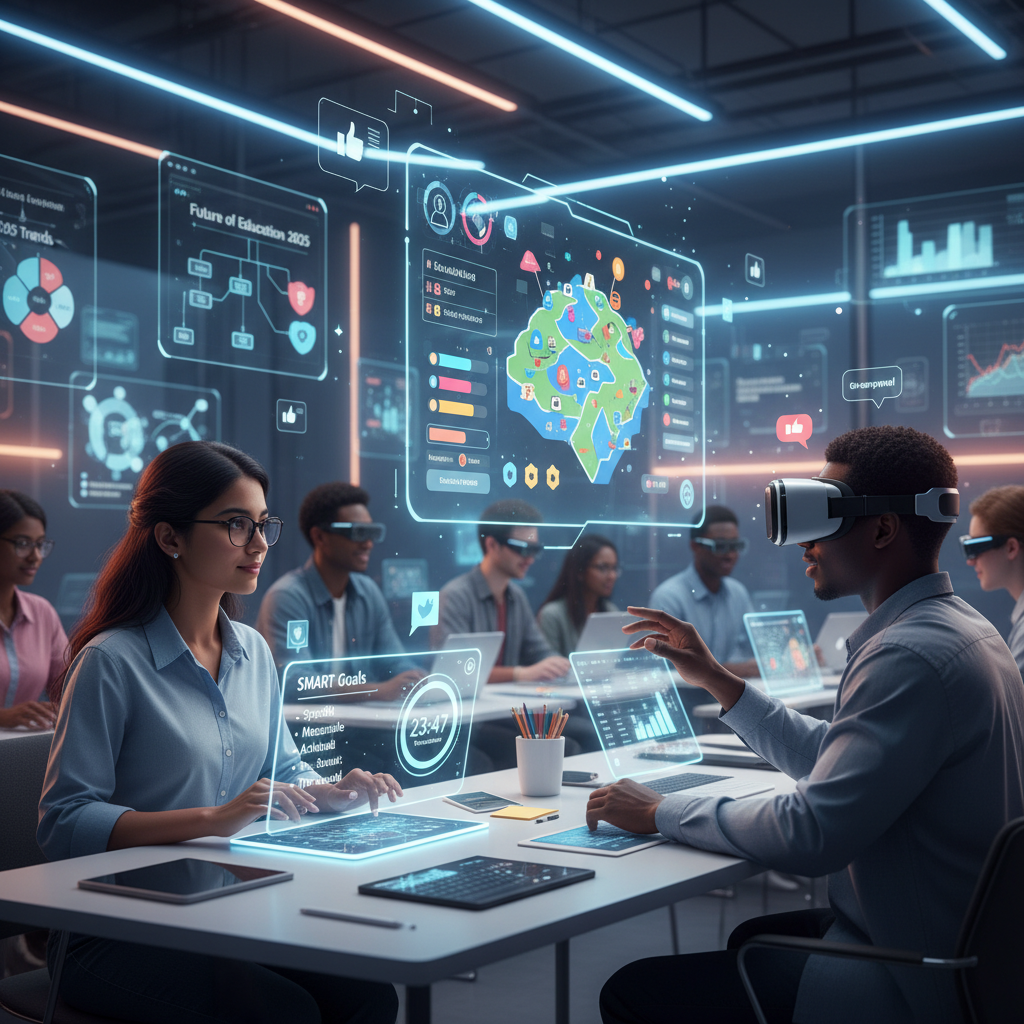
Central to unlocking online learning potential is the implementation of SMART goals—Specific, Measurable, Achievable, Relevant, and Time-bound objectives—that provide learners with clear direction, motivation, and accountability. Complementing goal-setting, effective time management techniques, such as the Pomodoro Method, help learners balance diverse commitments while maintaining focus and discipline. The incorporation of adaptive and personalized learning technologies, powered by artificial intelligence (AI) and immersive tools like virtual and augmented reality (VR/AR), further enhances engagement by tailoring content to individual needs and creating experiential learning opportunities.
Despite its advantages, online learning in 2025 faces notable challenges including learner isolation, technical barriers, and maintaining motivation amid autonomous study environments. To address these issues, fostering social and support networks through collaborative platforms and gamification strategies plays a pivotal role in sustaining engagement and emotional connection. Moreover, innovations such as blockchain offer secure credentialing and transparent progress tracking, contributing to trust and lifelong learning pathways.
Looking ahead, the convergence of AI, microlearning, immersive technologies, and data-driven analytics signals a transformative shift toward more personalized, flexible, and inclusive online education. As educational paradigms evolve from teacher-centered instruction to learner autonomy facilitated by technology, this comprehensive approach equips individuals to unlock their full potential and thrive in the dynamic world of online learning.
Concept and Goals
Establishing clear and well-defined goals is fundamental to unlocking your online learning potential. Central to this approach is the use of SMART goals—goals that are Specific, Measurable, Achievable, Relevant, and Time-bound. Such objectives provide learners with direction and motivation, creating a purposeful learning journey that fosters discipline and reduces procrastination. By setting time-bound goals, learners develop a sense of urgency and accountability, which helps maintain consistent progress throughout their courses. Achievability ensures that goals are challenging yet attainable, preventing discouragement while promoting steady advancement. Relevance connects the objectives to the learner’s personal needs and interests, increasing engagement and the likelihood of sustained effort. Together, these elements create a powerful framework that supports self-awareness and adaptability—skills that are not only essential within online education but also valuable in broader personal and professional contexts.
Incorporating SMART goals into online learning strategies empowers learners to maximize their potential, excel academically, and embrace lifelong learning opportunities presented by digital education platforms. This goal-oriented mindset serves as a cornerstone for a productive and fulfilling online learning experience, ultimately guiding learners toward their desired outcomes.
Current Landscape of Online Learning
Online learning has experienced unprecedented growth over the past two decades, expanding by 900% globally since 2000 and becoming the fastest-growing segment in the education industry. By the end of 2024, 66 universities in the United States alone offer 2-year and 4-year degree programs fully online, reflecting the widespread adoption of digital education. Affordability remains a significant factor driving enrollment, with 42% of students in 2023 citing cost as a key reason for choosing online degree programs.
The rise of online education in 2025 is reshaping how learners engage with educational content worldwide. This mode of learning provides unparalleled flexibility, convenience, and access to a broad array of global resources, making it attractive to diverse learner populations—including full-time students, working professionals, and lifelong learners. However, despite its many advantages, online learning presents unique challenges that require strategic approaches to ensure student engagement and success.
One notable trend enhancing the online learning experience is the shift toward social learning, which offers students tools to interact, collaborate, and build communities within digital environments, thereby combating feelings of isolation often associated with online education. Additionally, educational content is evolving to accommodate the changing human attention span, with an increased emphasis on short, personalized, and efficient learning materials that foster retention and motivation.
Technological advancements are playing a pivotal role in transforming online education. Artificial intelligence (AI) is increasingly integrated to personalize learning pathways by tailoring content to individual student needs, predicting learning trajectories, and facilitating deeper understanding through adaptive mind maps. Virtual reality (VR) and augmented reality (AR) are also becoming mainstream, moving beyond experimental phases to provide immersive, experiential learning opportunities—such as corporate training simulations and healthcare education—that enhance communication skills, reduce training times, and improve skill retention.
Microlearning, an educational approach delivering content in concise, focused modules, is gaining momentum, especially in corporate training contexts. It allows learners to absorb information in manageable chunks at their own pace, supporting immediate application and long-term retention of skills. Prominent companies like Uber, Marriott, and Grubhub have adopted microlearning formats—including short videos and interactive digital tools—to streamline employee onboarding, continuous development, and compliance training.
Emerging technologies like blockchain further contribute to online education by enhancing student engagement through gamification and adaptive learning. Blockchain’s capabilities support secure, long-term literacy tracking, multilingual assessments, early intervention for reading difficulties, and motivation through personalized learning pathways.
Preparing for Online Learning Success
Success in online learning requires a strategic and proactive approach that goes beyond mere enrollment. One of the foundational steps is setting clear, specific, and measurable goals using the SMART framework—goals that are Specific, Measurable, Achievable, Relevant, and Time-bound. These goals provide direction and motivation, helping learners maintain focus and discipline throughout their educational journey. By establishing such objectives, learners not only stay on track academically but also cultivate essential skills like self-awareness and adaptability that are valuable beyond the virtual classroom.
Effective time management is particularly crucial for online learners who often juggle multiple responsibilities such as full-time work, family care, or other personal commitments. Unlike traditional classroom settings where fixed schedules and peer interaction help maintain momentum, online students must create and maintain their own study routines. Techniques like the Pomodoro Method, which breaks study sessions into focused 25-minute intervals followed by short breaks, can significantly enhance productivity and concentration. Digital tools such as Focus Booster implement this method with additional features like time tracking to support learners in staying laser-focused and managing their workload efficiently.
Furthermore, crafting well-defined eLearning objectives is essential for both learners and educators to foster purposeful instruction and transformative digital learning experiences. Clear objectives help learners understand expectations and progress, while enabling educators to tailor content and assessments effectively. In this context, the rise of personalized and adaptive learning technologies offers promising opportunities. These systems dynamically adjust content to fit each learner’s needs, preferences, and pace, thereby optimizing engagement and learning outcomes. For example, if a learner struggles with a particular topic, adaptive platforms may provide supplementary microlearning modules or practice exercises to reinforce understanding.
By combining goal-setting, disciplined time management, and leveraging adaptive learning technologies, online learners can maximize their potential and excel in their studies. This holistic preparation lays the groundwork for a productive, fulfilling, and successful online learning experience that extends benefits into lifelong personal and professional growth.
Effective Learning Strategies and Cognitive Approaches
Active learning has emerged as a consistently superior educational approach compared to traditional methods, demonstrating improvements in test scores, engagement, retention, and failure rates. This strategy emphasizes learners’ active participation with material rather than passive reception, yielding benefits not only in academic performance but also in long-term knowledge retention and motivation. Breaking content into manageable “snack-sized” segments, for example, helps maintain cognitive load at optimal levels and sustains curiosity, especially in today’s distraction-prone environments.
Cognitive science plays a pivotal role in shaping instructional design, particularly through frameworks such as Cognitive Load Theory (CLT), which underscores the limited capacity of human working memory. Effective learning environments strive to optimize cognitive resources by minimizing extraneous load and enhancing germane cognitive processes. Artificial Intelligence (AI) and Machine Learning (ML) have been successfully applied to this end; AI-powered Intelligent Tutoring Systems reduce cognitive overload and provide just-in-time feedback, thereby supporting complex problem-solving and improving concept retention. These technologies also enable personalized learning paths by analyzing individual learner data, identifying skill gaps, and adapting content delivery accordingly.
Self-regulated learning and learner autonomy are additional critical components of effective online education. Learners’ self-efficacy—their confidence in managing technology and navigating digital platforms—directly influences engagement and success. Providing personalized learning options that accommodate prior knowledge, proficiency, and interests fosters motivation and deeper involvement, allowing students to progress at their own pace and revisit challenging topics as needed. Moreover, diverse instructional methods, such as combining video lectures, transcripts, and interactive simulations, create layered learning experiences that reinforce understanding and boost retention.
Gamification further enriches cognitive engagement by promoting critical thinking, decision-making, and collaboration, particularly in hybrid learning environments. Integrating game-based elements encourages motivation through competition and cooperative experiences, enhancing behavioral, emotional, and cognitive engagement simultaneously. Maintaining a tight feedback loop, celebrating visible progress, and iterating instructional strategies based on learner responses are essential practices to sustain this engagement over time.
Technology and Tools Enhancing Learning
Advancements in technology are significantly transforming the landscape of online learning, providing innovative tools that enhance engagement, personalization, and effectiveness. In 2025, several key technologies and platforms are driving this evolution, making learning experiences more adaptive, immersive, and motivating for diverse learners.
AI-Powered Learning Platforms
Artificial intelligence (AI) lies at the heart of personalized and adaptive learning experiences. AI-powered learning platforms analyze learner data to customize content delivery, identify skill gaps, and create dynamic learning paths that adjust in real-time based on individual progress and preferences. These platforms often combine multiple functionalities, such as learning management systems (LMS), learning experience platforms (LXP), content authoring tools, and live session capabilities into all-in-one solutions, streamlining the learning ecosystem.
For Learning & Development teams, AI platforms provide detailed analytics and reporting dashboards to monitor employee engagement, progress, and return on investment, enabling continuous refinement of training programs tailored to specific corporate objectives. Adaptive assessments further personalize learning by adjusting difficulty levels and providing immediate feedback, fostering more effective knowledge acquisition.
Immersive Technologies: Virtual and Augmented Reality
Immersive technologies like virtual reality (VR) and augmented reality (AR) are increasingly becoming accessible and impactful tools within online education and training. VR creates simulated environments for hands-on practice, while AR overlays digital information onto the physical world, enhancing real-life learning scenarios.
In professional fields such as healthcare, VR-based simulations have reduced training times by 30% and lowered error rates in surgical procedures by nearly the same margin. These technologies also improve communication skills and collaboration, proving valuable not only for learners but also for teacher training and professional development. AR applications, often delivered through smartphones and tablets, offer cost-effective, risk-free, and widely accessible training options such as language learning with contextual vocabulary labels. Cloud-based VR platforms further facilitate access by eliminating the need for individual headsets.
Gamification and Blockchain Integration
Gamification is increasingly recognized for its role in sustaining learner motivation and engagement. By incorporating elements like points, badges, and leaderboards, gamified environments foster intrinsic motivation, promote active learning, and support the development of cognitive and emotional skills such as problem-solving and resilience. The effectiveness of gamification may vary according to learners’ age and cognitive maturity but remains a powerful strategy across educational levels.
The integration of blockchain technology with gamification introduces transparent and secure tracking of credentials and rewards, enhancing trust and motivation among learners. Platforms leveraging blockchain enable micro-certifications and verifiable digital achievements, addressing concerns related to credential fraud and supporting lifelong learning pathways.
Voice Interfaces and Accessibility
Voice technology is quietly revolutionizing content accessibility in online learning environments. Predictions indicate that by 2025, voice interactions will account for approximately 30% of engagements with technical learning tools, enabling more flexible and inclusive learning experiences for diverse user needs. This trend complements other technological advancements, fostering an ecosystem where learners can engage with content in the most effective and accessible manner.
Collectively, these technologies and tools are reshaping online education by creating personalized, immersive, and motivating learning environments that cater to individual needs while promoting efficient skill development and sustained engagement.
Overcoming Common Challenges in 2025
Online learning in 2025 presents numerous opportunities but also poses several challenges that learners and educators must address to maximize success. One of the most significant hurdles is isolation, as the lack of face-to-face interaction can lead to loneliness and diminished motivation among students. This emotional strain is compounded by stress and anxiety related to navigating technology, meeting deadlines, and completing online assessments. Furthermore, learners often face networking challenges, missing out on meaningful connections with peers and mentors that are more naturally fostered in traditional settings.
Accessibility remains a critical concern, particularly for students with disabilities such as hearing, visual, or cognitive impairments. Without inclusive platform designs—such as captions, alternative formats, and multilingual content—these learners can struggle to engage effectively. Addressing language barriers is equally important to ensure all students can comprehend and participate fully in their courses.
Technical difficulties continue to be a prevalent obstacle. Issues related to internet connectivity, software glitches, and limited access to specialized equipment affect a significant portion of online learners, sometimes hindering progress and engagement. Alongside technical challenges, maintaining motivation and self-discipline is vital in largely autonomous online environments. Many students find it difficult to stay focused amid distractions at home or in remote learning settings, underscoring the need for effective self-regulation strategies and time management skills.
To overcome these challenges, fostering social learning through peer interactions, collaborative projects, and discussion groups is essential. Social platforms and forums help mitigate isolation by encouraging active participation and emotional connection, which are key to sustaining engagement in increasingly interconnected workplaces.
Personalization of the learning experience also plays a crucial role. Offering adaptive learning paths that align with students’ prior knowledge, proficiency, and interests enables learners to progress at their own pace and revisit difficult material as needed. This autonomy supports intrinsic motivation by giving students control over their educational journey, addressing diverse learning preferences through varied activities such as videos, readings, discussions, or hands-on practice.
Moreover, cognitive load management is critical to prevent overwhelm. Instructional designs that optimize working memory capacity and utilize AI-driven tools—such as Intelligent Tutoring Systems providing just-in-time feedback—can reduce extraneous mental strain and reinforce effective learning strategies. Feedback loops that celebrate progress and maintain a balance between behavioral, emotional, and cognitive engagement further enhance learner persistence and success.
Tailoring Learning to Diverse Demographics
As online learning continues to evolve, tailoring educational experiences to meet the diverse needs of different demographic groups has become increasingly essential. The rise of artificial intelligence and adaptive learning technologies enables the creation of personalized learning paths that adjust to learners’ individual preferences, prior knowledge, and pacing, making education more effective and engaging for a wide range of students.
Younger generations, such as Gen Z and Millennials, exhibit distinct learning preferences that challenge traditional, lengthy program structures. Instead, they favor flexible, skill-focused learning experiences that can be consumed in shorter, more interactive formats. This shift has fueled the demand for modular content and adaptive platforms that accommodate varied learning styles and promote autonomy in the learning process. Providing learners with choices—such as selecting from videos, readings, discussions, or hands-on practice—supports diverse learning preferences and enhances motivation and engagement by fostering a sense of control
Building Social and Support Networks
In 2025, building social and support networks is essential for unlocking online learning potential, as social learning leverages peer interactions, discussion groups, and collaborative projects to reinforce lessons and encourage active participation. These networks foster cooperation and knowledge-sharing, creating dynamic learning environments where employees and students learn from each other through social platforms, forums, and collaborative tools.
The integration of social media platforms such as Facebook, Twitter, and LinkedIn further enhances this experience by enabling learners to connect, share resources, and engage in meaningful discussions. By tapping into these online communities, eLearning providers can create more engaging and interactive learning environments tailored to individual preferences and needs.
Collaborative learning communities promote peer-to-peer interaction and cross-disciplinary networking, offering personalized and adaptable learning paths that cater to each learner’s interests and style. This personalized approach helps learners stay motivated and engaged by providing customized content and support that meets their unique requirements.
Additionally, providing quality support and access to resources is critical to maintaining learner motivation and addressing the challenges of online education. Support structures encourage learners to stay on track and help develop essential self-regulated learning skills, which are vital given the high levels of autonomy in online environments.
Measuring and Tracking Progress
Tracking progress in online learning is essential for sustaining motivation and enhancing learner engagement. Real-time progress indicators, such as checkmarks and progress bars, have been shown to significantly boost course completion rates. For example, the Toronto-based platform Top Hat experienced a 23% increase in completion rates after integrating these visual cues, demonstrating their impact on learner motivation. When combined with gamification elements like points and badges, these progress trackers provide tangible feedback that reinforces a learner’s sense of achievement and encourages continued participation. However, it is important that such features remain unobtrusive to avoid overwhelming or distracting learners.
Beyond visual progress cues, tracking and analyzing learning data enable adaptive learning environments that support ongoing development rather than one-time events. Data-driven learning analytics are anticipated to become the backbone of successful training programs by 2025, allowing educators and platforms to personalize content and adjust difficulty dynamically. AI-powered systems further enhance this process by creating adaptive learning paths based on individual performance and skill gaps, promoting a more efficient and tailored learning experience.
Moreover, timely formative feedback plays a critical role in keeping learners engaged and steering their progress effectively. Studies show that feedback delivered within 24 hours, or ideally during the same class period, significantly improves motivation and learning outcomes, with an effect size of 0.70 in meta-analyses. This immediacy supports self-regulated learning, where learners assess and adapt their strategies, bolstering their self-efficacy and cognitive presence in the online environment. Together, these approaches ensure that measuring and tracking progress not only quantifies achievement but also fosters intrinsic motivation and continuous learning advancement.
Practical Applications and Case Studies
Microlearning has become a pivotal strategy in online education by delivering content in short, focused segments that cater to modern attention spans, typically lasting between 2 to 10 minutes. This approach enhances learner engagement and retention without overwhelming the user. Many organizations worldwide have successfully implemented microlearning in various contexts, notably in employee onboarding, continuous professional development, and mandatory compliance training. For example, companies such as Uber, Marriott, and Grubhub utilize diverse formats—including short video tutorials, interactive digital flipbooks, and informative tooltips—to deliver targeted learning experiences that efficiently meet their workforce’s needs.
A layered instructional design combining multiple content types also exemplifies effective practical application. For instance, learners might watch a brief video to understand a concept, review accompanying transcripts to reinforce terminology, and then complete interactive simulations that allow for knowledge application. This multi-modal strategy significantly improves retention and deepens understanding, although it requires careful planning to avoid cognitive overload.
Immersive technologies such as augmented reality (AR) and virtual reality (VR) are increasingly integrated into training modules, making eLearning more interactive and engaging. AR overlays digital elements onto the real world, enabling practical scenario rehearsals in a controlled virtual environment. VR simulations, particularly in healthcare training, have demonstrated significant benefits—such as a 30% reduction in training time coupled with enhanced skill retention, according to recent studies.
Artificial intelligence (AI) further transforms personalized learning by tailoring content to individual learner needs, predicting learning paths, and generating dynamic mind maps. Adaptive AI tutors align teaching strategies with a learner’s pace and comprehension, improving academic outcomes. Moreover, AI fosters collaborative learning by encouraging teamwork and critical thinking, while also expanding access to personalized education across geographic and socio-economic barriers. However, challenges remain, including concerns over data privacy, algorithmic bias, and the complexity of designing effective assessment and motivational frameworks.
Collectively, these practical applications and case studies illustrate how integrating microlearning, immersive technologies, and AI-driven personalization can unlock learners’ full potential in 2025 and beyond.
Future Directions and Innovations
The landscape of online learning is rapidly evolving, with 2025 poised to be a pivotal year marked by significant technological advancements and pedagogical shifts. Central to these changes is the growing integration of artificial intelligence (AI), virtual reality (VR), and adaptive learning technologies, which collectively enhance personalization and engagement in education.
AI-driven adaptive learning platforms are transforming traditional one-size-fits-all approaches by tailoring content to individual learners’ needs, preferences, and pacing. This personalized learning paradigm is becoming mainstream, enabling more effective knowledge acquisition and retention. Complementing this, immersive technologies such as VR and augmented reality (AR) are creating dynamic, experiential learning environments that foster deeper understanding and motivation among students.
Microlearning continues to gain traction as an effective method, allowing learners to engage with bite-sized content at their own pace, thus accommodating diverse schedules and learning preferences. This approach supports just-in-time learning and immediate application of skills in real-world contexts, enhancing overall learner efficacy.
Furthermore, gamification is emerging as a transformative strategy that not only boosts engagement but also drives sustainable and innovative business and educational practices. By incorporating game design elements into learning experiences, educators can increase motivation and foster long-term commitment to learning objectives.
The ed-tech industry itself is experiencing exponential growth, with projections indicating an increase from $142 billion to nearly $350 billion by 2030. This expansion underscores the vital role technology plays in reshaping education delivery and accessibility. Online learning platforms, AI assistants, blockchain, and other emerging technologies collectively contribute to a more inclusive, flexible, and learner-centered educational ecosystem.
As education transitions from teacher-centered instruction to a facilitative model, educators increasingly act as motivators and guides, helping learners become independent and self-directed. This shift is supported by the connectivity and flexibility offered by web-based and computer-mediated learning systems, which break down geographical and temporal barriers to education.
The content is provided by Avery Redwood, Front Signals