
Summary
Your Ultimate Guide to Locating Trustworthy Tree Removal Services Near You provides a comprehensive overview of how to identify, evaluate, and hire reliable tree removal professionals. Tree removal is a complex and potentially hazardous task that requires specialized knowledge, certifications, and adherence to strict safety and environmental standards. This guide emphasizes the importance of selecting licensed and insured companies with qualified personnel—often certified arborists accredited by recognized organizations such as the International Society of Arboriculture (ISA) and the Tree Care Industry Association (TCIA).
The article highlights key factors to consider when choosing a tree removal service, including verifying certifications, insurance coverage, safety protocols, and compliance with local environmental regulations and permit requirements. It also outlines common scams and unethical practices prevalent in the industry, such as unnecessary tree removal, inadequate insurance, upfront payment demands, and poor workmanship, providing consumers with strategies to avoid such pitfalls. Additionally, the guide discusses eco-friendly and sustainable removal methods that minimize environmental impact while ensuring safety and efficiency.
Consumers are advised to seek personal referrals, consult multiple estimates, and carefully review online reputations through trusted platforms like the Better Business Bureau (BBB), TrustDALE.com, and Google Reviews to ensure service quality and reliability. The guide underscores the value of hiring certified professionals who stay current with continuing education and employ advanced equipment and methodologies designed to improve safety and environmental stewardship.
Ultimately, this resource equips homeowners and property managers with the knowledge needed to make informed decisions when hiring tree removal services, prioritizing safety, professionalism, environmental responsibility, and consumer protection throughout the process.
Importance of Choosing Trustworthy Tree Removal Services
Selecting a trustworthy tree removal service is crucial due to the complexity and inherent dangers involved in tree removal work. This task requires specialized knowledge, experience, and proper safety practices to ensure the job is performed effectively without risking injury or property damage. Engaging a reputable company helps guarantee that the service provider has the necessary qualifications and certifications to handle the work safely.
Furthermore, verifying a company’s reputation before hiring can prevent issues related to unfulfilled services and poor workmanship. Trusted tree removal companies typically have positive reviews on platforms such as the Better Business Bureau (BBB), TrustDALE.com, and Google, and consistently demonstrate professionalism and reliability. It is also essential to confirm that the company holds proper licensing and insurance, including liability and worker’s compensation coverage, which is legally required in many jurisdictions, such as Georgia for companies with three or more employees.
Key Qualifications and Certifications
When selecting a tree removal service, it is essential to consider the qualifications and certifications that demonstrate a company’s professionalism, expertise, and commitment to safety. Among the most recognized certifications in the industry is the International Society of Arboriculture (ISA) certification. This certification signifies that an arborist has undergone rigorous training and testing covering a broad range of topics such as tree identification, pruning, removal, and risk assessment. To become ISA certified, candidates must have at least three years of practical work experience in tree care and pass a comprehensive exam developed by industry experts.
Another important credential is licensure, which is often mandated by state or local authorities. Licensed tree experts are required to comply with regulations specific to their jurisdiction, such as those outlined in the Code of Maryland Regulations (COMAR) for Maryland, ensuring adherence to professional standards and legal responsibilities. Additionally, many reputable companies carry certifications from the Tree Care Industry Association (TCIA), which offers training modules that emphasize arboricultural fundamentals, worker safety, injury prevention, and proper equipment use. Some companies may also hold accreditation from TCIA, further validating their commitment to industry best practices.
Safety certifications play a critical role in protecting both workers and clients. Certifications such as the Certified Treecare Safety Professional (CTSP) highlight a company’s focus on maintaining stringent safety standards during tree removal operations. Moreover, compliance with Occupational Safety and Health Administration (OSHA) regulations is vital to ensure that safety protocols are followed and workplace hazards are minimized.
Insurance coverage is another key qualification to consider. General liability insurance protects tree service companies against accident-related costs, and specialized arborist insurance can provide additional coverage tailored to the risks inherent in tree care work. Some states, like Massachusetts, require workers’ compensation insurance for tree service providers to cover job-related injuries.
Finally, reputable tree removal services will have staff trained in proper equipment usage and safety practices, such as the use of orchard ladders, bucket trucks, and fall protection systems. Training programs, including courses on climbing techniques and electrical hazard awareness, help ensure that employees perform their tasks safely and effectively.
Evaluating Reputation and Reliability
When selecting a tree removal service, evaluating the company’s reputation and reliability is essential to ensure quality and safety. Reputation management plays a key role in building trust online, as potential customers often rely on reviews and ratings when searching for services like tree removal. Establishing a strong online presence with positive reviews helps businesses stand out, while promptly responding to both positive and negative feedback can mitigate issues that might damage a company’s reputation.
Experience is another critical factor to consider. Companies with a long history and proven track record tend to have deeper knowledge and expertise in handling various tree care tasks, including pruning, disease management, and emergency removals. It is advisable to review testimonials, references, and online feedback from multiple sources such as BBB, Angi, and TrustDALE.com to gauge a company’s reliability and service quality.
Obtaining multiple estimates—typically from at least three different providers—helps customers compare pricing and service offerings, ensuring informed decision-making. During consultations, inquire about the qualifications of the crew, including certifications like ISA (International Society of Arboriculture) credentials, OSHA compliance, state and local licenses, and insurance coverage. These certifications and licenses demonstrate that a company adheres to industry safety standards and employs trained professionals.
Avoid paying upfront for tree removal or pruning services; reputable companies request payment only after satisfactory job completion. This practice helps protect consumers from scams or incomplete work. Checking for proper insurance, including liability and worker’s compensation coverage, is crucial to avoid financial liability in case of accidents. Some states, such as Georgia, legally require workers’ compensation insurance for companies with three or more employees.
Hiring a certified arborist brings added benefits beyond basic tree removal. Certified arborists earn continuing education units (CEUs) and stay updated on the latest arboriculture science and sustainable practices. Their expertise ensures the health and long-term care of your trees, enhancing property value while minimizing risks. Certified professionals emphasize professionalism, safety, and environmentally responsible methods, contributing to a trustworthy service experience.
Methods to Locate Tree Removal Services Near You
Finding a reliable tree removal service requires careful consideration and research to ensure safety, quality, and value. One effective method is to seek personal recommendations from friends, family, or neighbors who have recently used tree services. Asking about their experiences, the companies they hired, and whether they would recommend them can provide valuable insight and trusted referrals.
In addition to word-of-mouth referrals, verifying the qualifications of a tree removal company is essential. Look for services that employ certified arborists accredited by recognized organizations such as the International Society of Arboriculture (ISA). Certified professionals bring specialized training and expertise to handle potentially dangerous tree removal tasks safely and effectively.
Another important factor to consider is the company’s reputation, especially their online presence. Many potential customers check online listings, reviews, and ratings before choosing a service. A strong reputation, demonstrated by positive customer feedback and consistent high ratings, can indicate reliability and quality workmanship. Conversely, be cautious of companies that request large upfront payments or display other warning signs that may indicate untrustworthy practices.
By combining personal referrals, certification verification, and reputation research, consumers can more confidently select a tree removal service that meets their needs and ensures professional, safe outcomes.
Comparing and Assessing Tree Removal Services
When selecting a tree removal service, it is essential to carefully compare and assess potential providers to ensure safety, quality, and reliability. Tree removal is a specialized and potentially dangerous task that requires properly trained and certified professionals. Therefore, verifying the qualifications and certifications of a tree service company is a crucial first step. Look for companies that hold accredited certifications from recognized industry organizations and that employ licensed tree experts with proven academic or professional credentials.
Obtaining multiple estimates is advisable; gathering at least three quotes allows you to compare prices and services while understanding how different companies approach the job. During these consultations, communicate your vision for the landscape post-service, whether it involves removing multiple trees or pruning for tree health and aesthetics. This clarity helps providers offer tailored solutions.
Checking the reputation of a tree removal service is equally important. Seek referrals from previous customers in your area and ask about their overall experience, including punctuality, cleanliness of the site after work, and professionalism. Online platforms such as Angi, the Better Business Bureau, TrustDALE.com, and Google reviews can provide valuable consumer insights and highlight any recurring complaints or red flags. Additionally, inquire about how the company manages safety on the job, as adherence to proper safety protocols minimizes risks to both workers and property.
Insurance coverage is a key factor in your assessment. A reputable company should be fully licensed and carry both liability insurance and workers’ compensation insurance, the latter often mandated by law depending on the jurisdiction. Request proof of insurance before finalizing any agreements.
Finally, prioritize companies that demonstrate experience and sustainability in their practices. Certified arborists with years of expertise tend to deliver higher quality results, and providers who integrate eco-friendly methods contribute positively to the environment while maintaining tree health and safety.
By thoroughly researching qualifications, obtaining multiple quotes, checking reputations, verifying insurance, and ensuring adherence to safety standards, you can confidently choose a trustworthy tree removal service that meets your needs effectively and safely.
Common Scams and Unethical Practices
Tree removal services can sometimes be a breeding ground for scams and unethical practices that prey on unsuspecting homeowners. One common scam involves convincing property owners that their trees are diseased or pose an imminent danger, thereby pressuring them to agree to unnecessary and costly removal. These deceptive tactics are often employed by fraudulent companies aiming to capitalize on a homeowner’s lack of expertise.
Another significant issue is the lack of proper insurance and licensing among some tree removal companies. Many scam operators do not carry adequate liability or worker’s compensation insurance, which can leave homeowners vulnerable to lawsuits if accidents occur during the job. It is crucial for consumers to verify that any company they consider hiring holds current and sufficient insurance coverage, as reputable businesses typically have this in place and do not rely on door-to-door solicitation tactics, which are often associated with fraud.
Demanding large upfront payments or full payment before project completion is another red flag. Most trustworthy tree service providers request payment only after the work is satisfactorily completed, or at most, a reasonable deposit before starting large projects. Pressure to pay large sums upfront can be a sign of an unethical company, especially if combined with vague or evasive responses regarding their credentials or insurance status.
Furthermore, some companies may use questionable tree removal techniques that appear to save money initially but ultimately cause more damage or require costly restoration in the future. A reputable service prioritizes the health of trees and ensures proper cleanup of debris and stumps after removal. Consumers should inquire about the methods used and confirm that clean-up is included in the service to avoid unexpected additional expenses.
Safety Protocols and Environmentally Responsible Practices
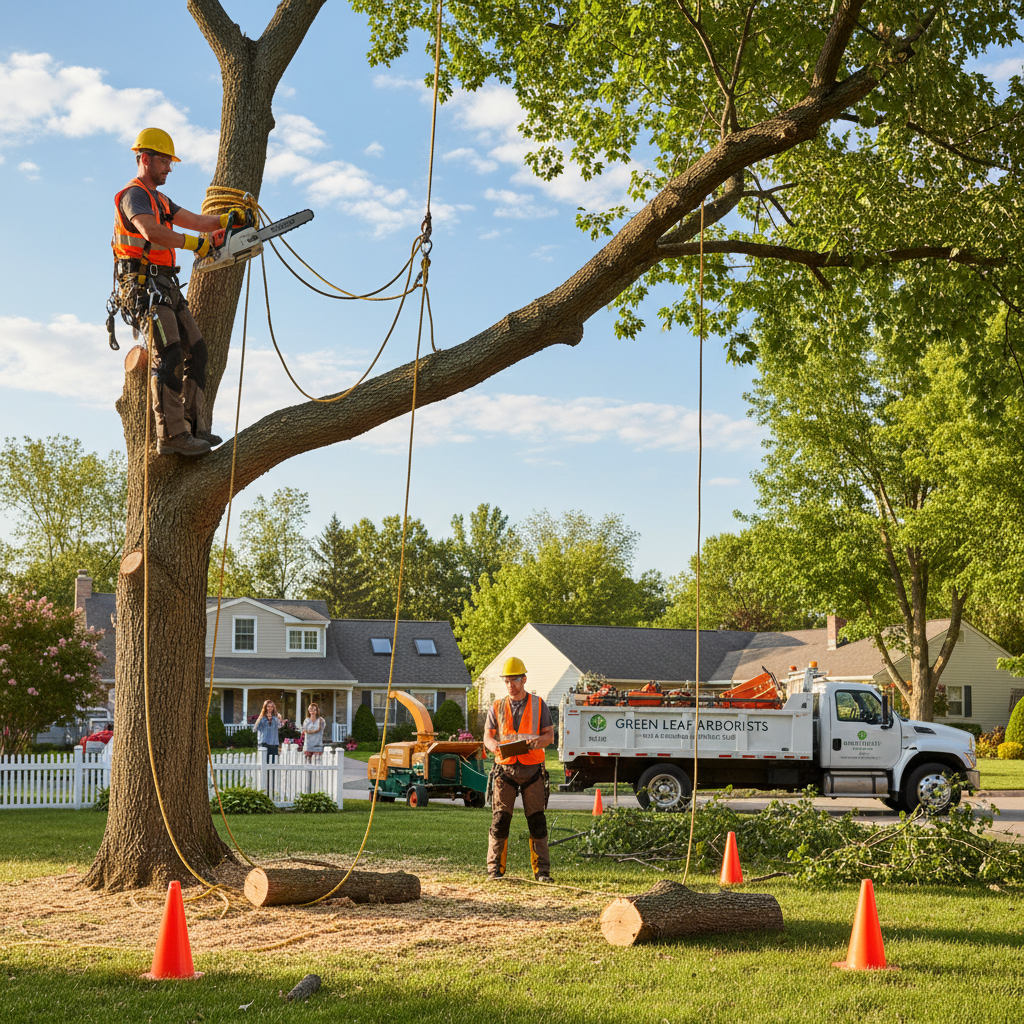
Proper safety protocols are essential in tree removal due to the significant risks posed to workers and surrounding property. Reputable tree removal companies follow industry best practices to mitigate these hazards, ensuring the safety of both personnel and the environment. Employee training on recognizing hazards and the importance of wearing appropriate fall protection is critical, as it can prevent serious injuries or fatalities. Workers are often required to wear high-quality safety gear, including helmets and eye protection, to defend against falling objects and flying debris. Additionally, marking a safety zone on the ground, typically at least twice the height of the tree, helps keep bystanders and workers out of harm’s way during cutting and removal operations.
From a regulatory standpoint, the Occupational Safety and Health Act of 1970 mandates adherence to workplace safety standards, and employees are encouraged to report any on-the-job safety concerns to OSHA or relevant safety hotlines. Tree service insurance also plays a vital role in managing the financial risks associated with tree trimming and removal. Insurance costs depend on coverage needs, number of employees, claims history, and risk exposure, with many companies obtaining general liability coverage from the excess and surplus market, which can be more costly than standard plans.
Environmentally responsible tree removal practices prioritize both safety and ecological sustainability. Skilled professionals make calculated cuts to guide trees to fall safely in specific directions, minimizing potential damage to nearby structures and reducing environmental impact. The use of low-impact, lightweight machinery helps protect soil integrity and surrounding vegetation during the removal process, supporting long-term landscape health.
Advanced equipment, including vehicles with powerful hydraulic arms, specialized cutting tools, and sensors, enables operators to safely and precisely remove trees from a distance, significantly reducing human exposure to hazardous conditions. These machines are particularly valuable in dense urban settings where precision and control are paramount. Furthermore, wood chippers play a crucial role in cleanup by converting tree debris into mulch, which reduces landfill waste and promotes recycling in landscaping. Together, these cutting-edge technologies enhance both safety and environmental stewardship in modern tree removal services.
Specialized Equipment and Advanced Methodologies
Tree removal services today rely heavily on specialized equipment and advanced methodologies to ensure safety, efficiency, and environmental responsibility. Modern machinery, such as hydraulic-arm-equipped robotic systems, allows operators to remove trees from a safe distance, significantly reducing human exposure to hazardous conditions while maintaining precision in tree removal tasks. These cutting-edge machines are also fitted with advanced sensors and specialized cutting tools that enhance operational accuracy.
In urban environments, precision and control are paramount. Vehicles designed for maneuvering in tight spaces facilitate careful tree cuts and removals, minimizing risks in densely populated areas. Equipment such as wood chippers contribute to cleanup efforts by converting tree debris into mulch, thereby reducing landfill waste and promoting sustainable recycling practices in landscaping.
For dealing with stumps, stump grinders equipped with advanced grinding technologies efficiently reduce stumps to ground level or below, leaving a smooth surface. These grinders often incorporate low-emission engines, noise reduction systems, and dust control mechanisms, aligning with eco-friendly practices. Stump grinding is favored over chemical removal methods, as it avoids introducing harmful substances into the environment and produces useful mulch or compost byproducts.
Large-scale or complex removals may require the use of cranes or pulley systems to carefully lower tree sections, preventing uncontrolled falling limbs and minimizing damage to surrounding areas. Precision cutting techniques are essential in guiding the direction of a tree’s fall, protecting nearby structures and the ecosystem alike. These techniques demand skilled professionals trained to execute cuts safely and accurately, underscoring the importance of operator certification and adherence to safety policies.
Environmental Regulations and Permit Requirements
Tree removal and maintenance are subject to various environmental regulations and permit requirements that vary depending on the location and local laws. A reputable tree removal company should have extensive experience navigating these regulations and securing the necessary permits to ensure compliance with community and environmental standards. This is especially critical in areas with protected tree species or specific pruning and removal rules.
In environmentally sensitive zones such as wetlands or shorelines, adherence to state and local regulations is mandatory, with permits often required well in advance of any tree removal activity to minimize ecological impact. These rules are designed not only to protect the environment but also to ensure public safety throughout the tree removal process.
Many municipalities have implemented tree protection bylaws aimed at increasing urban tree coverage. These bylaws frequently mandate
Eco-Friendly and Sustainable Tree Removal Practices
Eco-friendly tree removal practices emphasize safety, environmental responsibility, and long-term sustainability. These techniques involve precision cutting to guide the tree’s fall direction safely, minimizing damage to nearby structures and protecting surrounding vegetation and soil health. Using low-impact machinery designed to be lighter and more maneuverable helps preserve the landscape’s integrity during removal operations. In urban environments, specialized equipment such as advanced hydraulic arms and sensors enable precise removals in tight spaces while enhancing operator safety and efficiency.
Gradual dismantling of trees, rather than cutting them down all at once, is a hallmark of sustainable removal. This method allows better control over debris management and reduces environmental disturbance. Furthermore, eco-friendly approaches minimize noise pollution by employing quieter tools and efficient techniques, benefiting nearby wildlife and the local community.
Sustainable tree removal also involves repurposing and recycling wood materials. Instead of discarding removed wood, it can be transformed into mulch, firewood, or lumber, reducing waste and contributing positively to the environment. Mulch, for example, helps retain soil moisture and adds nutrients as it decomposes, thereby enhancing soil fertility. Many eco-conscious tree services also offset environmental impact by planting replacement trees in suitable locations, promoting urban forestry and supporting ecosystem health.
Tree preservation strategies, such as pruning, cabling, and protecting root zones, are integrated into these practices to balance property safety with environmental conservation. Engaging reputable tree service companies that prioritize tree health and thorough debris cleanup ensures that removal services align with sustainability goals while maintaining landscape aesthetics and function.
Certifications and Affiliations Promoting Environmental Responsibility
Certifications and professional affiliations play a vital role in promoting environmental responsibility and ethical practices within the tree removal industry. They ensure that tree care professionals adhere to established standards, follow regulations, and prioritize sustainable methods in their services.
Licensed tree experts are required to comply with applicable laws and regulations related to tree care services, such as those outlined in the Code of Maryland Regulations (COMAR) 08.07.07. Non-compliance can result in legal actions, underscoring the importance of proper licensing in safeguarding both consumers and the environment. For homeowners, understanding the licensing requirements and verifying credentials is essential before hiring a tree removal service.
Accreditation from recognized industry organizations further guarantees a company’s commitment to professionalism and environmental stewardship. Certifications from bodies like the International Society of Arboriculture (ISA) and the Tree Care Industry Association (TCIA) indicate that arborists have undergone rigorous training, continuing education, and adhere to best practices in tree care, including pruning, removal, and sustainability. ISA Certified Arborists, for example, maintain expertise through ongoing education and are accessible via the ISA website for verification.
Membership in respected industry groups such as the American Society of Consulting Arborists and TCIA reflects a company’s dedication to ethical standards and consumer protection. The TCIA, a leading trade association for commercial tree care companies, offers accreditation that signifies a company’s compliance with high operational and safety standards. Companies like Splintered Forest that have earned TCIA accreditation exemplify this commitment to quality and environmental responsibility.
Moreover, collaboration between policymakers, regulatory bodies, and industry associations is crucial in strengthening regulations and professional standards. This collective effort helps deter unethical practices such as tree removal scams and fosters consumer trust. Homeowners and professionals alike are encouraged to report suspicious activities and support awareness campaigns that highlight the importance of certified, environmentally responsible tree care services.
Ultimately, hiring a certified and affiliated tree removal service not only ensures compliance with legal requirements and industry best practices but also promotes sustainable and eco-friendly techniques, benefiting both the community and the environment.
Questions to Ask Before Hiring a Tree Removal Service
When considering hiring a tree removal service, asking the right questions can help ensure you select a reputable and qualified company. One of the first things to inquire about is the company’s licensing status. Many states require tree removal services to be registered and licensed with local or state authorities, and it is important to verify that the license is current and valid by contacting the appropriate licensing board. Additionally, ask to see proof of insurance, including liability and worker’s compensation coverage, to protect yourself from potential liability should accidents occur during the job.
Certification and training are also critical indicators of a trustworthy service. Look for companies that employ ISA-certified arborists or professionals with recognized credentials who follow OSHA safety standards. This ensures that the workers are knowledgeable about safe tree removal practices and environmental considerations. It is also advisable to ask about how the company handles safety protocols and if they comply with any environmental regulations or permits, especially when working in sensitive areas such as wetlands or shorelines.
Regarding payment, reputable tree removal companies typically do not require full payment upfront. While a deposit may be requested for larger projects, the balance should only be paid once the work is satisfactorily completed. Be cautious if a company insists on full payment before starting, as this can be a warning sign of a scam.
Finally, request referrals from the company and follow up with past customers to learn about their experiences, including the quality of work, adherence to timelines, and how well the site was cleaned after the job. You can also consult online review platforms such as Angi to gather additional feedback and assess how the company handles complaints.
By asking these questions and verifying credentials, insurance, safety measures, payment terms, and customer satisfaction, you can make a more informed decision when hiring a tree removal service.
Cost Considerations and Pricing Models
When hiring a tree removal service, obtaining multiple estimates is essential to ensure competitive pricing and informed decision-making. It is recommended to get at least three quotes from different companies to compare costs and services offered. Pricing can vary significantly depending on factors such as the size and complexity of the job, the company’s experience, and the geographical location.
Tree service companies typically base their pricing on several considerations including the scope of work, number of employees involved, and risk exposure associated with the job. Because tree services often require specialized insurance coverage—such as general liability, professional liability, and worker’s compensation—their insurance premiums can impact overall costs. In fact, many tree service insurers operate in the excess and surplus (E&S) market, which may result in higher insurance-related expenses compared to standard markets.
Most reputable tree removal companies will provide a written quote and generally do not request payment until the job is complete. However, for larger projects like extensive landscaping, an initial deposit might be required before work begins. It is advised to withhold final payment until the work has been inspected and approved by the customer to ensure satisfaction and quality of service. Additionally, verifying the company’s proof of insurance before hiring is critical to avoid liability issues and unexpected costs.
Ultimately, clear communication about pricing models, payment schedules, and insurance coverage helps protect both the property owner and the service provider while fostering trust and transparency throughout the process.
Tips for Hiring the Right Tree Removal Service
Hiring the right tree removal service is crucial for ensuring safety, quality work, and avoiding scams. Tree removal is a specialized and potentially dangerous task, so it is important to select a company with proper training and certification. One key step is to look for tree removal services that hold accredited certifications from recognized industry organizations, as certified arborists adhere to strict professional standards and could face legal consequences if they falsify their credentials or perform substandard work.
Before hiring, verify the company’s licensing and insurance to protect yourself from liability and poor service. Researching a company’s reputation through reviews on trusted platforms such as the Better Business Bureau (BBB), TrustDALE.com, and Google can help identify red flags like frequent complaints about delays, vague communication, or unfinished jobs—all common tactics used by fraudulent companies. Always ask for identification numbers from certified arborists and document their credentials to ensure legitimacy.
In addition to qualifications and reputation, consider the company’s approach to environmental responsibility. Eco-friendly tree removal practices prioritize both safety and minimizing environmental impact, which is especially important in sensitive areas like wetlands or shorelines where permits and regulatory compliance are required.
To further protect yourself, be vigilant for typical signs of scams, such as evasive answers, repeated rescheduling, or pressure tactics to rush the job without proper evaluation. Strengthening industry standards through certification programs and supporting awareness campaigns can also help combat unethical practices in the tree removal industry.
By taking these precautions—verifying certification and licensing, researching reputation, ensuring environmental compliance, and being alert to warning signs—you can find a trustworthy tree removal service that prioritizes safety, professionalism, and quality work.
The content is provided by Blake Sterling, Front Signals