Highlights
- Senior transportation programs enhance mobility and independence for older adults facing challenges.
- Recent initiatives boost funding and coordination, expanding access to vital transportation services.
Summary of Senior Transportation Programs
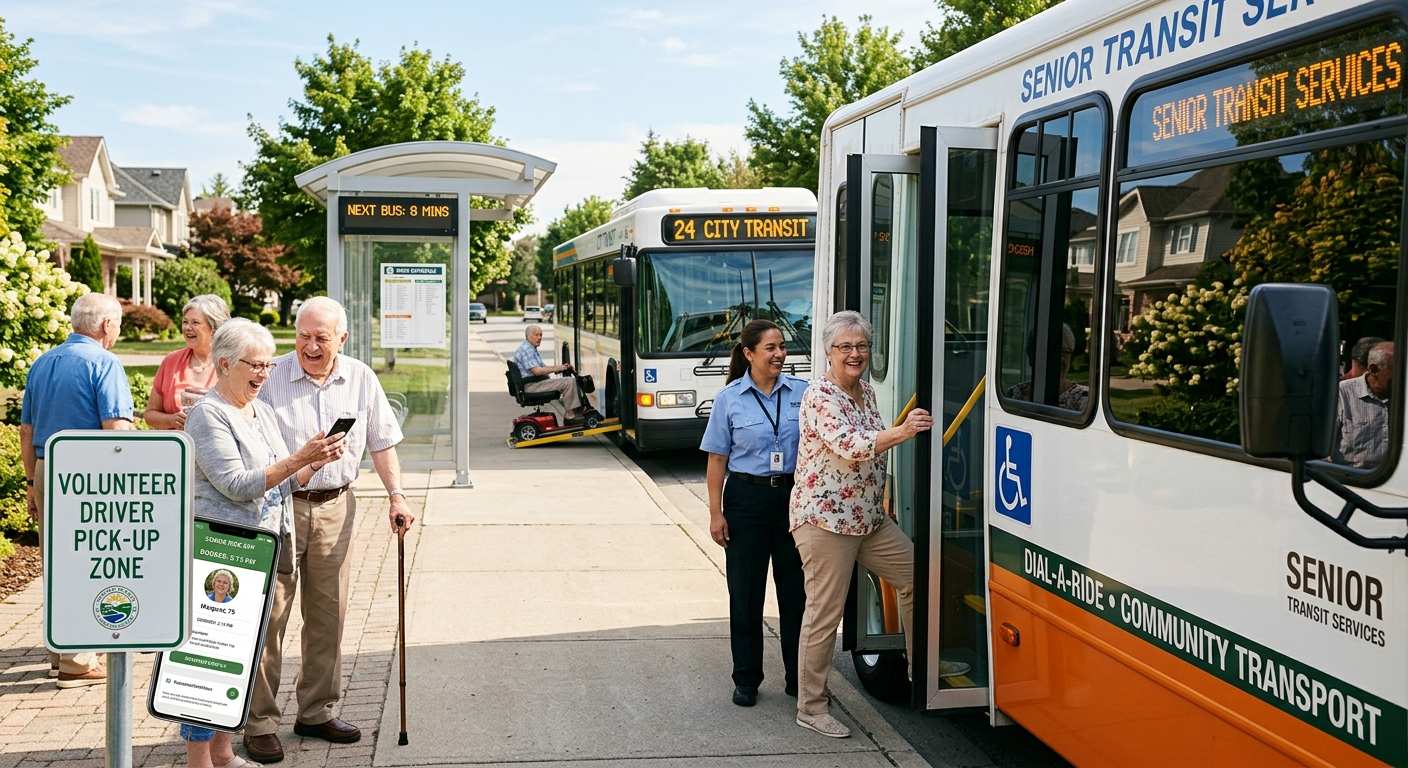
Senior transportation benefits and assistance programs are essential for older adults facing mobility challenges due to age, disabilities, or limited transportation access. They provide safe, affordable options—such as public transit, paratransit, volunteer driver services, and non-emergency medical transportation—to help seniors maintain independence and participate in necessary activities. By alleviating barriers like physical limitations and geographic isolation, these programs significantly enhance quality of life and reduce social isolation.
Eligibility typically hinges on age (65 and older), disability status, and residence, with coordination occurring at federal, state, and local levels. The Federal Transit Administration’s Section 5310 program funds transportation initiatives specifically targeted at older adults and individuals with disabilities, ensuring compliance with accessibility laws like the Americans with Disabilities Act (ADA). While these initiatives are crucial, seniors often experience limited service availability, particularly in rural areas, and face challenges related to complex eligibility and inconsistent funding.
Types of Transportation Services
Senior transportation services encompass a variety of options tailored to meet older adults’ mobility needs. Common services include:
- Public and Paratransit Services: Paratransit offers curb-to-curb transportation for those unable to use regular public transit. Under the ADA, agencies must provide these services, ensuring accessibility within a specified distance from fixed routes.
- Assisted and Door-to-Door Services: These programs provide personalized assistance from home to destination, increasing safety and comfort for seniors requiring additional support.
- Medical and Non-Emergency Medical Transportation: Ensures reliable access to healthcare facilities, often covered by Medicaid, allowing older adults to attend necessary appointments.
- Volunteer and Community-Based Programs: Grassroots initiatives provide crucial transportation services in areas lacking public transit, often relying on volunteers and donations to operate.
- Flexible Options: Accessible taxis and shared-ride services offer cost-effective alternatives, particularly beneficial in urban settings.
Eligibility and Application Process
Eligibility for transportation assistance typically requires seniors to be at least 65 years old or meet specific disability criteria, varying by program and geography. Programs like the Section 5310 initiative provide funding to state agencies and nonprofits to develop relevant services. Applications generally involve a multi-step process where candidates or caregivers evaluate mobility requirements and specify assistance needs. Local agencies may support enrollment efforts by providing information and accessibility resources. However, the complexity of eligibility criteria may deter some seniors from accessing necessary services.
Barriers to Access
Despite available services, seniors face significant barriers, particularly in rural areas where public transit is scarce. Limitations include physical disabilities that restrict mobility, geographic isolation, and inadequate service frequency. Many older adults require specialized equipment, which may not be accommodated, and may experience challenges with reservation processes or scheduling. This situation can lead to increased social isolation and diminished healthcare access, creating a cycle of dependency and disengagement.
Impact and Future Directions
Transportation assistance programs are critical for enabling seniors to maintain independence and access healthcare, thereby improving overall well-being. Federal funding initiatives play a significant role in enhancing service delivery and promoting community partnerships. Recent adaptations, driven by the Section 5310 program and technological advancements, seek to address longstanding barriers, especially in underserved rural populations. However, future solutions must focus on expanding service capacity, improving coordination, and embracing innovative technologies to ensure comprehensive, sustainable access to transportation services for older adults.
The content is provided by Blake Sterling, Scopewires