Highlights
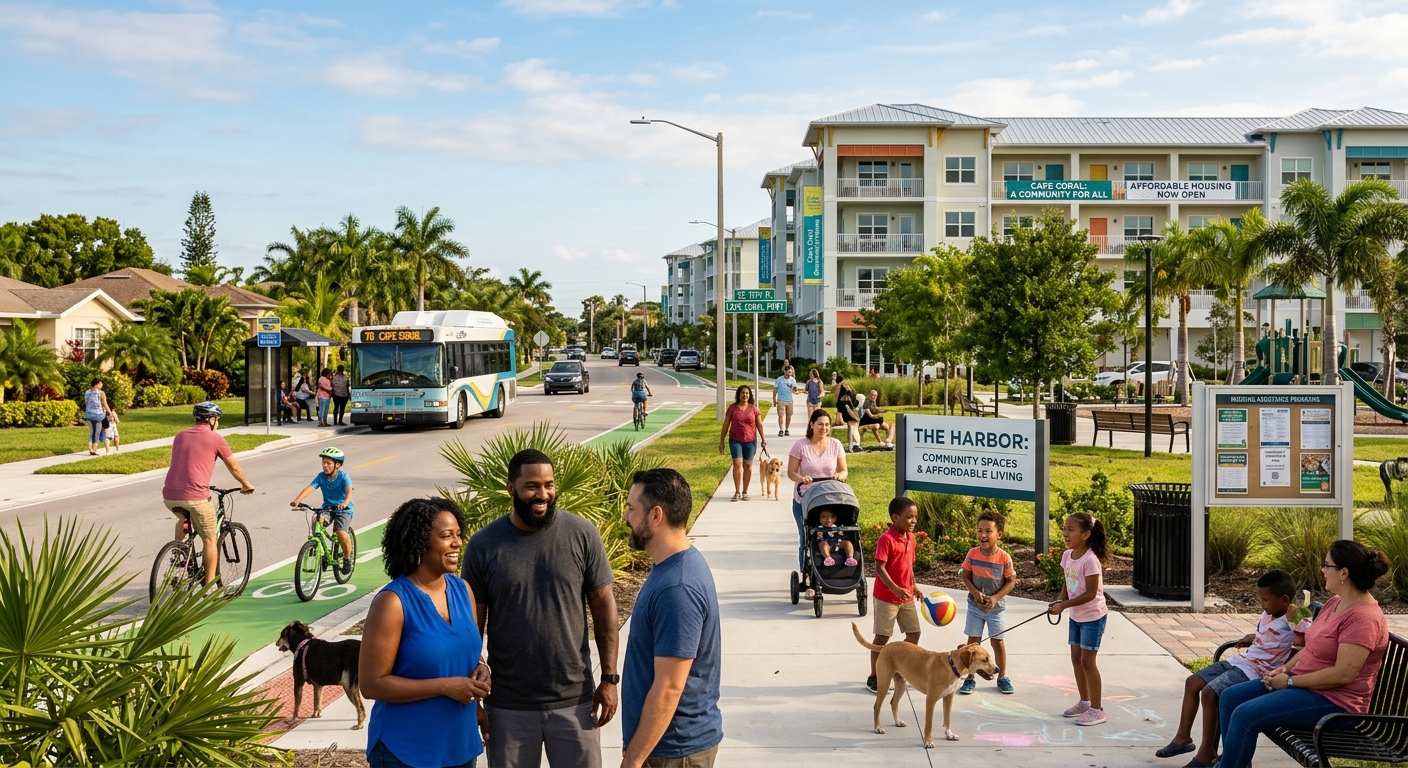
- Cape Coral prioritizes affordable housing amid population growth through strategic funding and partnerships.
- The city's Five-Year Consolidated Plan integrates housing strategies to tackle ongoing affordability challenges.
Summary of Housing Strategies in Cape Coral
Cape Coral, Florida, faces significant challenges in providing affordable housing amidst rapid population growth and economic development. The city has implemented a comprehensive strategy addressing the needs of low- and moderate-income residents through various housing policies and initiatives. Integral to this strategy is the Five-Year Consolidated Plan (2020–2025), which prioritizes affordable housing development, homelessness prevention, and supportive services. The city utilizes funds from the State Housing Initiatives Partnership (SHIP) Program and Community Development Block Grants (CDBG) for rental assistance, home repairs, and new construction, significantly aided by partnerships with nonprofits like Habitat for Humanity of Lee and Hendry Counties.
Despite these efforts, Cape Coral struggles with barriers to housing affordability, including regulatory complexities and eligibility restrictions exacerbated by high demand. The planning and zoning regulations support affordable housing but are challenged by the city’s pre-platted urban layout and limited public transportation, complicating policy implementation. As the city commits to infrastructure improvements to support sustainable growth, the ongoing need for effective, community-driven solutions in housing remains critical.
Current Housing Priorities and Funding Sources
The housing priorities identified in Cape Coral’s Five-Year Consolidated Plan focus on key areas such as affordable housing development, homelessness prevention, and supportive housing services. The plan emphasizes citizen participation and the coordination of federal, state, and local funding sources. Key funding mechanisms include the SHIP Program, which financially supports homeowners facing hardships, and CDBG allocations, which are directed towards non-profit agencies and community development efforts. Notably, the Housing Incentive Plan ensures a minimum of 40% of units in new multifamily developments are designated as affordable under long-term agreements.
Organizations like Habitat for Humanity contribute significantly to affordable homeownership, while the ongoing focus on foreclosure prevention is critical, acknowledging limitations in current program funding. City officials are aware of the need to maintain housing accessibility for the workforce supporting Cape Coral’s economic vitality and are actively monitoring housing market trends to ensure decisions align with community needs.
Challenges in Housing Development and Assistance
Cape Coral’s housing challenges include navigating regulatory compliance and development processes that are often hindered by the city’s lack of extensive public transit and the complexities brought by a predominantly pre-platted urban layout. The city council deliberates on effective housing incentives but faces caution due to these limitations. Financial constraints affect assistance programs, with strict income eligibility criteria and first-come, first-served access impacting timely support for low- to moderate-income households.
The necessity of maintaining the physical condition of existing homes adds another layer of complexity, requiring applicants for assistance programs to also fulfill mortgage and tax obligations. This further complicates access to essential repairs and rehabilitation services, which are vital for promoting long-term housing stability in the community.
Housing Assistance Programs and Support Services
Various housing assistance programs provide critical support for residents in Cape Coral, targeting low- to moderate-income families. The Housing Choice Voucher Program allows families to choose their housing while receiving financial assistance for rent. The SHIP Program offers funds for homeowners at risk of foreclosure, focusing on those experiencing financial hardship due to increased expenses. Additionally, the Community Development Block Grant (CDBG) funds housing development and neighborhood improvements, targeting specifically low- and moderate-income populations.
Moreover, Habitat for Humanity offers affordable homeownership options, fostering community stability through both new construction and rehab programs. Utility connection assistance is also provided, aiming to reduce barriers to essential services necessary for safety and livability.
Future Directions in Housing Developments
The future of housing in Cape Coral involves significant infrastructure projects aligned with broader strategic planning initiatives. Ongoing discussions on zoning and master plans represent the city’s commitment to reinvigorating its housing landscape. Future developments will include mixed-use projects that prioritize both residential and commercial needs, emphasizing regulatory compliance and community involvement.
As Cape Coral moves forward, it is positioned to leverage state and federal funding to enhance housing options. A proactive approach to monitoring housing trends and encouraging participation in community development processes will be crucial in shaping a resilient and inclusive housing market that meets the evolving needs of its residents.
The content is provided by Harper Eastwood, Scopewires