Highlights:
– Notable Ceasefire Initiative: Former U.S. President Trump's direct involvement in proposing a 30-day mutual ceasefire on energy and critical infrastructure strikes in Ukraine, receiving positive responses from both Putin and Ukrainian President Zelenskyy, showcases a unique and focused diplomatic intervention amid a volatile conflict.
– Complex Diplomatic Dynamics: The mixed reactions and skepticism surrounding the ceasefire highlight the intricate challenges in achieving lasting peace in the Russia-Ukraine conflict, suggesting a need for sustained international support and a comprehensive approach beyond temporary truces.
– Strategic Implications: Analysts suggesting that the ceasefire could benefit Russia strategically by allowing for regrouping while maintaining pressure on Ukraine, reveal deeper geopolitical considerations at play and underline the complexities of balancing interests in the pursuit of peace.
Explore exclusive content on diplomatic interventions and global conflicts below.
Summary
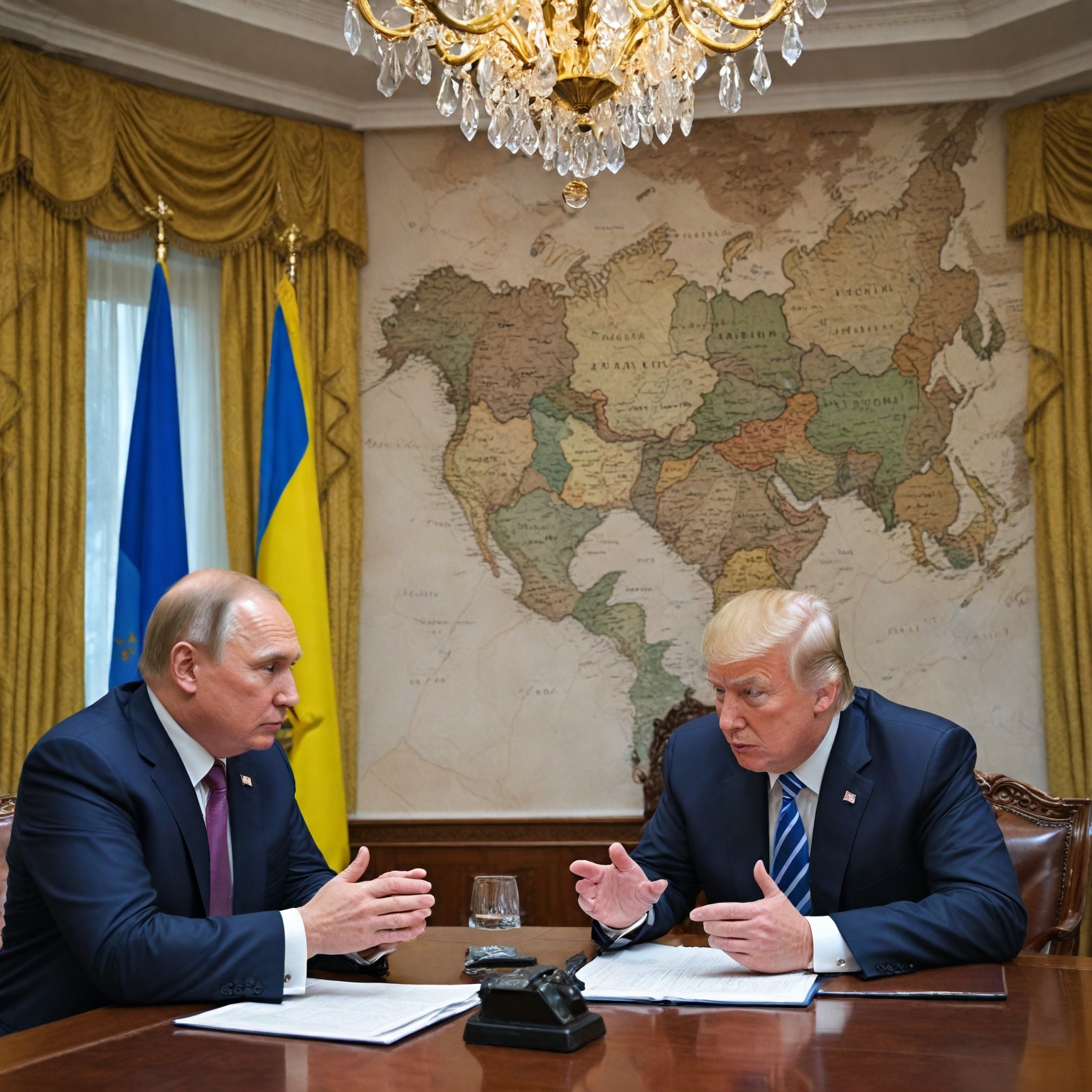
Former U.S. President Donald Trump urged Russian President Vladimir Putin to halt Russian missile strikes on Kyiv amid the ongoing Russia-Ukraine conflict, marking a notable attempt at diplomatic intervention in a highly volatile war. Following escalating Russian attacks on Ukrainian energy infrastructure and Kyiv itself, Trump proposed a 30-day mutual ceasefire specifically targeting strikes on energy and critical infrastructure facilities. Putin responded positively to this proposal, issuing orders to suspend Russian strikes on energy targets, an agreement Trump publicly announced as an “immediate Ceasefire on all Energy and Infrastructure”.
The ceasefire initiative generated cautious optimism from Ukrainian President Volodymyr Zelenskyy, who welcomed the reduction in hostilities as a preliminary step toward peace but stressed the importance of sustained international support, particularly in air defense capabilities. French President Emmanuel Macron and other international leaders monitored the situation closely, reflecting the global stakes of the conflict and the complexity of achieving a lasting diplomatic resolution. Despite the temporary truce, both Russia and Ukraine accused each other of continuing attacks soon after, underscoring the fragility and contested nature of the ceasefire.
Trump’s direct engagement with Putin, including phone conversations proposing ceasefires and peace talks, was notable for its relatively narrow focus on infrastructure targets and its exclusion of broader political conditions. The Kremlin, however, emphasized that any permanent peace would require the cessation of foreign military aid and intelligence sharing with Ukraine, a demand Kyiv and its Western allies rejected. Analysts suggested that the ceasefire could strategically benefit Russia by allowing it to regroup while maintaining pressure on Ukraine, and that Trump’s approach reflected a broader interest in normalizing U.S.-Russia relations despite ongoing hostilities.
The diplomatic efforts surrounding Trump’s intervention were marked by mixed reactions and significant skepticism regarding their sustainability and impact. Journalists and experts highlighted the challenges in verifying official statements and assessing intentions amid conflicting claims, with some viewing the talks as tactical maneuvers rather than genuine progress toward peace. The ceasefire’s aftermath demonstrated persistent tensions on the ground, raising questions about the prospects for a comprehensive ceasefire or peace settlement in a deeply entrenched and complex conflict.
Background
In the context of the ongoing conflict between Russia and Ukraine, tensions escalated with a series of Russian strikes on Kyiv, prompting international reactions and diplomatic efforts aimed at de-escalation. Russian forces had been advancing in Ukraine’s eastern regions while pushing back Ukrainian troops near Russia’s Kursk region, intensifying the military confrontation. Since the full-scale invasion launched by Russia in 2022, Ukraine has engaged in counterstrikes deep within Russian territory, targeting energy infrastructure such as oil and gas facilities with drones and missiles. These actions aimed to weaken Russia’s economy but were labeled by Moscow as acts of terrorism.
Amid this backdrop, former US President Donald Trump proposed a ceasefire focusing specifically on halting attacks on energy and infrastructure targets. Following a phone call between Trump and Russian President Vladimir Putin, Russia agreed to a temporary cessation of strikes on energy facilities, with Putin issuing orders to the Russian military accordingly. Trump publicly announced the agreement on his social media platform, describing it as an “immediate Ceasefire on all Energy and Infrastructure,” and expressed hopes for a complete ceasefire and an end to the war.
Ukrainian President Volodymyr Zelenskyy responded with cautious optimism to the initiative, emphasizing the importance of silence in the sky and at sea as a preliminary step toward peace. However, he also highlighted the necessity for continued international support, particularly in strengthening Ukraine’s air defenses, and underscored the ongoing challenges posed by the conflict. Meanwhile, French President Emmanuel Macron and other international leaders monitored the situation closely, reflecting the broader global concern regarding the conflict and efforts to reach a diplomatic resolution.
Despite the ceasefire agreement on energy targets, both Russia and Ukraine accused each other of continuing air attacks shortly afterward, indicating the fragility of the truce. The diplomatic efforts were further complicated by divergent positions on issues such as foreign military assistance to Ukraine, which Putin identified as a key condition for any lasting peace settlement. Analysts noted that the ceasefire could serve strategic interests for Russia, potentially allowing it to regroup and negotiate from a stronger position, while Ukraine remained wary of Moscow’s intentions and the sustainability of any agreements reached under these circumstances.
Statements and Communications
During the ongoing conflict in Ukraine, former U.S. President Donald Trump engaged in several communications with Russian President Vladimir Putin, emphasizing the need to halt violence and pursue a ceasefire. Trump publicly urged Putin to stop Russian missile strikes on Kyiv, describing the attacks as unnecessary and poorly timed, and highlighting the high human cost with thousands of soldiers dying weekly. He called for a peace deal to be finalized quickly, marking one of his most direct appeals to Putin since returning to office.
In a notable phone conversation, Trump proposed that both Russia and Ukraine mutually refrain from striking each other’s energy infrastructure for a 30-day period. The Kremlin confirmed that Putin responded positively to this proposal and immediately instructed the Russian military to comply with the pause on attacks against energy facilities. Trump described the call as “very good and productive,” expressing optimism about working quickly towards a complete ceasefire and an end to the war. However, the Kremlin’s readout also included a key condition from Putin, which was the cessation of all foreign military aid to Ukraine and the suspension of Western intelligence sharing with Kyiv, indicating divergent expectations regarding a lasting peace.
Ukraine expressed cautious optimism toward the 30-day ceasefire proposal, with President Volodymyr Zelenskyy acknowledging it as a step toward peace while continuing to face ongoing drone and missile attacks on Kyiv and other cities. Ukrainian officials announced their preparedness to accept a full month-long ceasefire if Russia agreed to the same, a move seen by U.S. officials as potentially paving the way for more substantive negotiations to end the conflict.
Despite these diplomatic efforts, some analysts noted that the positive statements emerging from these talks might reflect more about protecting existing positions rather than significant progress toward peace. Furthermore, Trump hinted that a permanent peace agreement could involve territorial concessions by Ukraine, including control over the Zaporizhzhia nuclear power plant, although these suggestions were met with skepticism.
Throughout these interactions, Trump consistently framed his approach as an attempt to exert pressure on the Kremlin to end the hostilities swiftly, while navigating complex demands and the ongoing realities of the war. The communications between Trump and Putin thus revealed a nuanced mix of calls for ceasefire, strategic conditions, and cautious responses from all parties involved.
Reactions and Responses
Following the Russian strikes on Kyiv, Moscow stated that the strike objectives had been achieved and all targets were hit, prompting Ukrainian President Volodymyr Zelenskyy to cut short his visit to South Africa to return to Ukraine and address the escalating situation. Zelensky emphasized the importance of the international community understanding the realities on the ground and announced Ukraine would seek to strengthen its air defenses through immediate contact with international partners. Zelensky described the day’s developments as emotionally charged and highlighted the increased uncertainty over diplomatic efforts to end the conflict.
French President Emmanuel Macron publicly reacted to the attacks on Kyiv, signaling international concern and engagement, though specific details of his response were not elaborated in the immediate reports. Meanwhile, the Trump administration indicated its position by expressing support for a ceasefire that would exclude attacks on all types of infrastructure, although Russia did not agree to halt strikes on Ukrainian ports, bridges, and other critical infrastructure.
Diplomatic efforts continued with the Trump administration’s Middle East envoy Steve Witkoff preparing to meet Russian President Vladimir Putin in Moscow, reflecting ongoing attempts to negotiate despite rising tensions. Witkoff conveyed a belief that Putin was “acting in good faith” and referenced a prior phone call between Trump and Putin aimed at preventing attacks on Ukrainian infrastructure, though subsequent events saw continued drone strikes by Russia, including attacks on a hospital in Sumy and areas around Kyiv.
In response to these attacks, Zelenskyy accused Putin of rejecting a proposal for a complete ceasefire and called on the global community to reject attempts by Russia to prolong the war. US President Donald Trump publicly stated on Truth Social that he had agreed with Putin to an immediate ceasefire on all energy and infrastructure targets, with the goal of achieving a complete ceasefire and an end to the conflict. This was notable given that approximately 80% of Ukraine’s energy infrastructure had been destroyed by Russian bombing campaigns, while Ukraine had carried out retaliatory strikes on Russian oil and gas facilities.
Despite these declarations, both Russia and Ukraine accused each other of violating ceasefires, such as the 30-hour “Easter truce” announced by Putin, which quickly expired amid renewed hostilities. The proposed ceasefire on energy infrastructure was seen as mutually beneficial, as it would alleviate damage to Ukraine’s fragile energy grid and protect vital revenue sources for the Kremlin threatened by Ukrainian strikes deep within Russia.
The broader geopolitical context also influenced reactions. Zelenskyy sought to maintain access to US arms and intelligence, critical for Ukraine’s defense, amid concerns over Trump’s unpredictable stance and tensions with US Vice President JD Vance. US officials cautioned against introducing new issues, such as tariffs, into the fragile negotiations, warning that complicating the diplomatic process could endanger the lives of Ukrainians and Russians alike. Overall, reactions to the strikes and ensuing diplomatic maneuvers underscored the complexity and volatility of efforts to resolve the conflict.
Verification and Reporting
The reports surrounding President Donald Trump’s calls for a ceasefire in the Russia-Ukraine conflict have been subject to varying interpretations and levels of clarity. While Trump publicly renewed his call for Russia to halt violence, stating, “We are talking to Russia. We would like them to stop,” his exact intentions and the details of his proposals were often ambiguous. For instance, it was unclear what Trump meant when he said he had been “told” that Russia “made a mistake” with its missile strike on the Ukrainian city of Sumy, a statement that some interpreted as an attempt to excuse Moscow’s actions.
The Kremlin confirmed that during a conversation, Trump proposed a 30-day mutual refraining from striking energy infrastructure facilities, a suggestion to which Putin reportedly responded positively and immediately issued a command to the Russian military accordingly. However, Russian officials also expressed reservations about broader ceasefire proposals, highlighting challenges such as ensuring effective control over the entire line of contact, the cessation of forced mobilization in Ukraine, and the end to foreign military and intelligence assistance to Kyiv as conditions for any lasting truce.
Journalists covering the interactions and diplomacy involved have provided context and analysis but have noted the difficulties in assessing the sincerity and feasibility of ceasefire initiatives. For example, some analysts viewed the positive tone in statements from Kyiv, Moscow, and Trump as more about maintaining strategic positions rather than genuine progress toward peace. Despite criticisms, some observers regarded the call between Trump and Putin as “not a disaster” because neither side appeared to concede significant ground.
The reporting on these developments has been shaped by journalists experienced in diplomatic correspondence and foreign affairs. Coverage includes nuanced questioning of leaders, including Trump and Putin, to clarify intentions and verify facts amidst conflicting claims. Such reporting underscores the complexity of verifying official statements in a rapidly evolving conflict and the importance of thorough diplomatic analysis in understanding the implications of political rhetoric and proposals.
Political and Diplomatic Implications
The decision by then-US President Donald Trump to urge Russian President Vladimir Putin to halt strikes on Kyiv carried significant political and diplomatic ramifications amid the ongoing conflict in Ukraine. Trump’s approach notably refrained from conflating the ceasefire negotiations with other contentious issues, as highlighted by his advisor Kevin Hassett, who cautioned against introducing new demands or tariffs mid-negotiation to avoid disrupting delicate diplomatic efforts. This stance underscored the administration’s priority of maintaining a focused dialogue on achieving a ceasefire without complicating factors.
Ukrainian President Volodymyr Zelenskyy responded to the development with cautious optimism, describing the initial steps toward a ceasefire as a potential “step towards peace” rather than an escalation of combat. However, the Ukrainian leadership faced internal pressures, given the precariousness of their reliance on continued US military aid and intelligence. Following a tense and public confrontation between Trump and Zelenskyy, Kyiv has been compelled to emphasize the mistrust of Russian commitments to any agreements, reflecting the fragile nature of diplomatic progress.
The US’s threat of consequences against Russia for stalling ceasefire talks marked a more assertive stance, effectively placing the onus back on Moscow to engage constructively. Nevertheless, the US negotiating team encountered challenges due to the experience and diplomatic savvy of their Russian counterparts, Sergei Lavrov and Yuri Ushakov, who arrived with well-prepared draft agreements that seemed to outmaneuver American negotiators during discussions in Riyadh. This dynamic illustrated a potential gap in diplomatic preparedness and suggested a degree of American naivety in engaging with seasoned Russian officials.
Observers noted that Trump’s relatively minimal demands on Russia, despite its invasion of Ukraine, reflected a broader desire to normalize relations with Moscow. Experts like Susan Colbourn of Duke University argued that the narrow ceasefire agreement aligned with Trump’s strategic interest in resetting ties with Russia and indicated that Putin might be using negotiations to buy time while continuing military advances in eastern Ukraine. Furthermore, the ceasefire proposal to halt attacks on energy infrastructure disproportionately favored Russia, as Kyiv’s deep strikes on Russian energy targets had been a key pressure point against Moscow’s economy.
In the context of intensifying Russian attacks, such as missile strikes in Sumy following a brief Easter lull, the diplomatic efforts took place amid ongoing and violent conflict on the ground, highlighting the tenuous nature of ceasefire talks and the broader struggle for control and peace in the region. Overall, the political and diplomatic implications of Trump’s intervention underscored the complexities of mediating a resolution in a multifaceted war environment marked by deep-seated mistrust and competing strategic interests.
Aftermath and Developments
Following the lengthy call between President Donald Trump and Russian President Vladimir Putin, both leaders agreed to a limited ceasefire focusing on energy infrastructure targets in the ongoing conflict between Russia and Ukraine. Trump proposed that both parties mutually refrain from striking energy facilities for 30 days, a suggestion to which Putin responded positively and immediately ordered the Russian military to comply. This marked the first known conversation between the two presidents since Ukraine agreed to support a U.S.-backed monthlong ceasefire, contingent on reciprocal actions by Russia.
The ceasefire was seen as a critical step toward reducing damage to Ukraine’s energy grid, which has suffered repeated Russian attacks, as well as protecting vital Russian oil and gas facilities that are key to Moscow’s state revenue. The White House described the agreement as the beginning of a process that would start with an energy and infrastructure ceasefire and progress toward technical negotiations on a maritime ceasefire in the Black Sea, a full ceasefire, and ultimately a permanent peace settlement. These negotiations were planned to begin immediately in the Middle East.
Despite the positive framing from Trump, who called the call “very good and productive” and expressed hope for a “Complete Ceasefire and, ultimately, an END to this very horrible War,” the Kremlin’s statement was more cautious. It emphasized that the “key condition” for a permanent end to the conflict was the cessation of all foreign military aid and intelligence sharing with Ukraine, which remains a significant sticking point in negotiations. The Kremlin also noted the complexity involved in enforcing any agreement with Kyiv, signaling potential challenges ahead.
Meanwhile, tensions remained high on the ground. Kyiv criticized Moscow’s continued attacks, including a recent strike causing heavy civilian casualties, which Kyiv cited as evidence of Russia’s reluctance to genuinely pursue a truce. The situation underscored the fragility of the ceasefire agreement and the broader peace process.
The content is provided by Harper Eastwood, Scopewires