Highlights
- Small SUVs like the Ford Maverick, Mazda CX-5, and Subaru Forester offer a blend of user-friendly design, advanced safety features, and high safety ratings, making them ideal for senior drivers seeking confidence on the road.
- Safety features such as blind spot monitoring, adaptive cruise control, and driver-attention alerts, alongside higher seating positions and easy accessibility, cater to seniors' needs, ensuring comfort, reducing fatigue, and enhancing protection.
- Models like the Hyundai Tucson and Chevrolet Equinox provide affordability, upscale amenities, and practical performance, offering senior drivers a range of choices that align with their financial and lifestyle considerations.
Summary
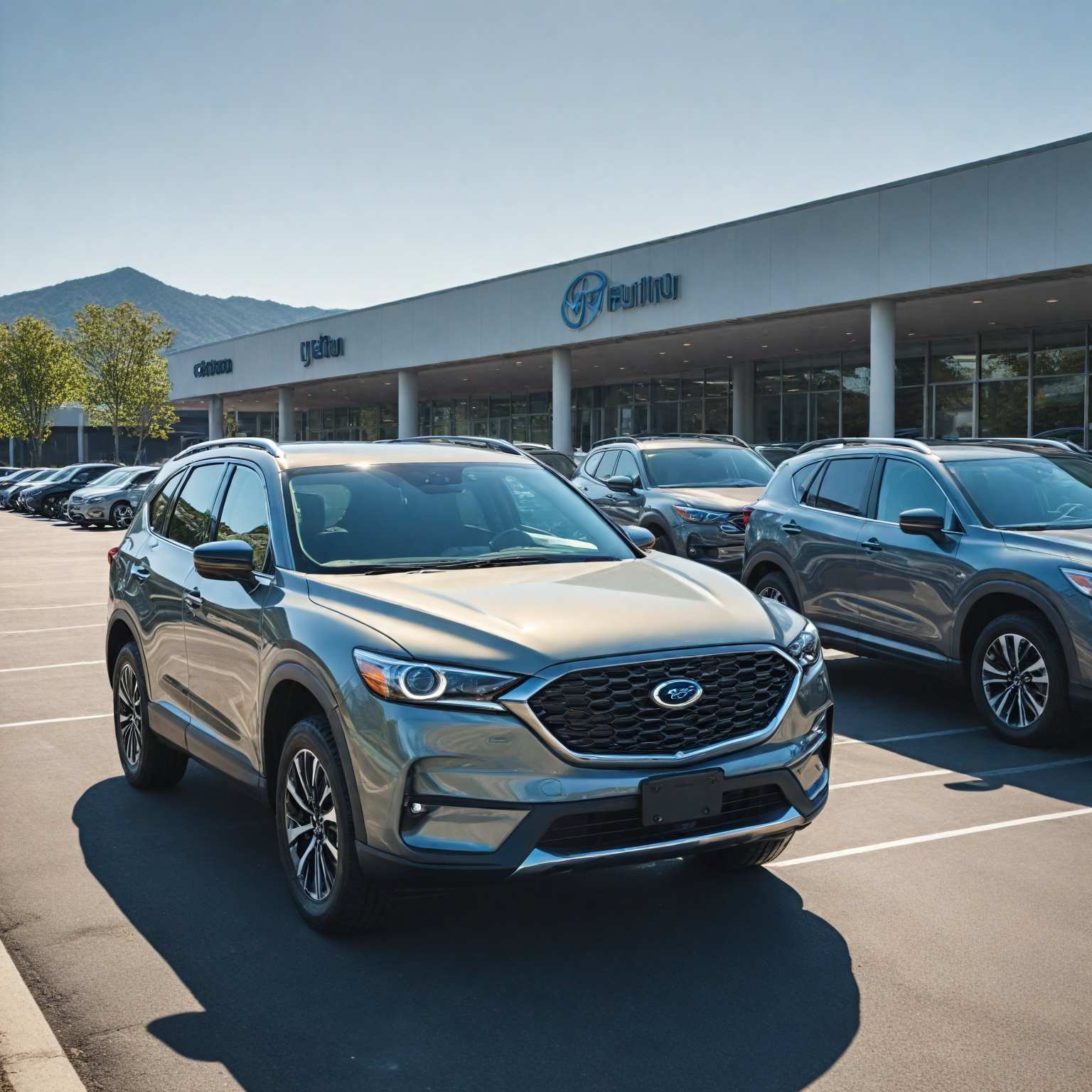
Small sport-utility vehicles (SUVs) have become an increasingly popular choice among senior drivers in 2025, combining practicality, comfort, and enhanced safety features tailored to meet the unique needs of older adults. These vehicles offer a balanced size that facilitates easy maneuverability and parking, while providing ample interior space and accessibility benefits that address common mobility challenges faced by seniors. Models such as the Ford Maverick, Mazda CX-5, and Subaru Forester have gained prominence for their blend of user-friendly design, advanced driver assistance systems, and high safety ratings, making them well-suited for senior drivers seeking confidence and convenience on the road.
Safety considerations play a critical role in this trend, with many small SUVs earning top marks from organizations like the National Highway Traffic Safety Administration (NHTSA) and the Insurance Institute for Highway Safety (IIHS). Features such as blind spot monitoring, adaptive cruise control, and driver-attention alerts are increasingly standard, helping to reduce driving fatigue and enhance protection for seniors. Furthermore, the higher seating position and easier ingress and egress offered by small SUVs help accommodate physical limitations associated with aging, differentiating them from sedans and larger SUVs in terms of comfort and usability.
Affordability and value also contribute significantly to the appeal of small SUVs for seniors, with models like the Hyundai Tucson and Chevrolet Equinox delivering a combination of competitive pricing, upscale amenities, and practical performance. The availability of all-wheel-drive options, hybrid powertrains, and certified pre-owned programs further expands choices that align with seniors’ financial and lifestyle considerations. This demographic’s growing preference for small SUVs is driving notable shifts in the automotive market, prompting manufacturers to introduce a wide range of models equipped with modern technology and safety features designed to cater to older drivers.
As the senior population continues to seek vehicles that offer a harmonious blend of safety, comfort, and versatility, small SUVs are expected to maintain their popularity and influence future vehicle design and market strategies. Advances in electrification, connectivity, and driver assistance technologies are likely to further enhance the appeal of this segment, addressing both the practical and environmental concerns of senior consumers in the coming years.
Overview of Small SUVs
Small SUVs have increasingly become a top choice for senior drivers in 2025 due to their blend of practicality, comfort, and safety features tailored to meet the needs of older adults. These vehicles often provide a manageable size for easy maneuverability while delivering enough interior space and utility for everyday errands and light-duty tasks. Models like the Ford Maverick blur the traditional boundaries between pickups and small SUVs, offering a versatile package that includes hybrid powertrains for excellent fuel efficiency, a spacious cabin with modern conveniences such as Bluetooth connectivity and rearview cameras, and practical design elements suitable for seniors seeking both utility and ease of use. Similarly, the Mazda CX-5 is favored among senior drivers for its compact frame that allows effortless handling, a smooth and comfortable ride, and an upscale interior featuring quality materials and an intuitive infotainment system. This combination of comfort and predictability enhances driving confidence and enjoyment.
Safety is a paramount consideration in this segment, with many small SUVs incorporating advanced driver assistance features such as blind spot monitoring, rear parking sensors, and driver-attention monitoring systems. For example, the Mazda CX-30 has earned top safety awards including a five-star overall score from the NHTSA and a Top Safety Pick+ rating from the IIHS, highlighting its suitability for senior drivers. The Subaru Forester also stands out with large windows for excellent visibility, easy access via large door openings, and a comprehensive suite of standard driver assist technologies, contributing to its status as a preferred SUV for elderly drivers.
Affordability combined with value is another significant factor driving seniors toward small SUVs. The Hyundai Tucson exemplifies this by offering a practical five-seat configuration, an upscale interior, and improved safety ratings at a price point below $30,000, making it one of the best small SUVs for seniors on the market. Additionally, the Chevrolet Equinox appeals to seniors who want a bit more power and space without sacrificing ease of use, providing 175 horsepower and a larger footprint ideal for highway driving.
Factors Driving Popularity Among Seniors
Several key factors contribute to the growing popularity of small SUVs among senior drivers in 2025. One of the primary considerations is the balance of affordability, practicality, and comfort that these vehicles offer. Many small SUVs, such as the 2025 Chevrolet Trax and Buick Encore GX, come with relatively low starting prices—often under $30,000—making them accessible options for seniors seeking value without compromising on essential features. These vehicles typically provide nimble handling and manageable size, which are important for ease of driving and parking, especially in urban environments where seniors may prefer to run errands or visit family members.
Comfort and accessibility also play a crucial role. Aging often brings mobility challenges such as back pain and limited hip movement, making the ease of entry and exit a significant factor in vehicle choice. Small SUVs usually have a higher seating position compared to sedans or lower-profile cars, which reduces the physical strain of getting in and out. Additionally, many models offer large door openings and spacious interiors designed to accommodate senior needs comfortably.
Safety is another critical factor influencing seniors’ preference for small SUVs. These vehicles frequently achieve high safety ratings from organizations such as the National Highway Traffic Safety Administration (NHTSA) and the Insurance Institute for Highway Safety (IIHS). For instance, the 2025 Mazda CX-30 is recognized as one of the safest small SUVs, earning a five-star NHTSA rating and the IIHS Top Safety Pick+ award, bolstered by features like rear cross-traffic alert and driver-attention monitoring. Advanced safety technologies, including adaptive cruise control, lane departure warnings, and automatic emergency braking, are increasingly standard in these models, enhancing driver confidence and reducing fatigue on longer trips or in congested traffic.
Moreover, the integration of Advanced Driver Assistance Systems (ADAS) has become a significant draw. These systems help maintain safe distances, keep the vehicle centered in the lane, and provide alerts for driver inattention, all of which are particularly beneficial for seniors who may appreciate additional support to maintain driving safety and reduce stress behind the wheel. Features such as GM’s Super Cruise and Ford’s BlueCruise demonstrate how these technologies can improve the driving experience by allowing for relaxed steering input during certain conditions while maintaining vigilance and safety.
Comparison with Other Vehicle Types
Small SUVs have increasingly become a preferred choice for seniors in 2025, standing out when compared to other vehicle types such as sedans, full-sized SUVs, and trucks. One of the primary reasons for this preference is the combination of utility and manageable size that small SUVs offer. Unlike full-sized SUVs, which often require a significant step up to enter and can have higher rooflines necessitating passengers to duck, small SUVs provide a more accessible ride height and easier ingress and egress, which is especially important for older adults.
Compared to sedans, small SUVs generally offer a taller seating position, which enhances visibility and makes it easier for seniors to enter and exit the vehicle without strain. Additionally, small SUVs tend to provide more cargo space and flexibility, allowing for a variety of needs, from transporting groceries to carrying mobility aids. This versatility meets the lifestyle demands of many seniors better than smaller, less spacious cars.
Safety is another critical factor where small SUVs have an edge. Vehicles from brands such as Honda, Mazda, Kia, and Nissan have made the list of safest SUVs for 2025, demonstrating that these models are designed with enhanced safety features that protect occupants effectively. Larger and heavier vehicles generally offer more protection, but many small SUVs have achieved high safety ratings within their category, making them a sound choice for safety-conscious senior drivers.
Impact on Automotive Market
The growing preference for small SUVs among seniors is contributing to significant shifts within the automotive market, particularly in the United States. This demographic trend aligns with broader industry dynamics where SUVs have been steadily gaining market share over the past several years. In 2021, SUVs accounted for 46% of new vehicle sales in the U.S., up from 38% in 2016, illustrating a sustained rise in consumer demand for this vehicle segment. The appeal of small SUVs to seniors is grounded in their balance of maneuverability, comfort, and space, making them ideal for ease of use without sacrificing functionality such as passenger capacity for family visits.
This increased demand is coinciding with intensified competition among automakers. Over 60 new vehicles, including 36 SUVs, were introduced in 2025 alone, reflecting manufacturers’ efforts to capture diverse market niches and respond to evolving buyer preferences. Leading companies are emphasizing vehicle performance, safety, connectivity, and expanding electric and hybrid options to appeal to consumers who prioritize sustainability and advanced features. The focus on safety enhancements is particularly relevant for senior buyers, as seen in models like the 2025 Hyundai Ioniq 5, which highlights improved crash protection alongside other updates.
Moreover, the rising popularity of SUVs, including among seniors, influences pricing and market strategies. The segment faces challenges such as high vehicle costs and regulatory pressures to meet fuel economy and emissions standards, yet it also offers opportunities through electrification and technological innovation. The market’s responsiveness is evident in sales patterns, with fluctuations driven by external factors like tariffs and trade relations; for example, the U.S. imposed a 25% tariff on passenger car and light truck imports in April 2025, which temporarily boosted new car sales due to consumer anticipation of price changes.
Considerations for Seniors
When selecting a vehicle, seniors often face unique challenges related to mobility and comfort. Common age-related issues such as back pain and limited hip movement can make entering and exiting lower-slung cars difficult, which influences the preference for certain vehicle types. Small SUVs are increasingly favored by seniors in 2025 due to their higher seating position and easier accessibility compared to traditional sedans, addressing these physical comfort concerns effectively.
Another important consideration for seniors is the vehicle’s capability to handle adverse weather conditions. Models like the Trailblazer offer all-wheel drive options, providing added safety and confidence when navigating ice, snow, or other challenging road environments—a feature particularly valuable for seniors who wish to maintain their independence regardless of seasonal weather changes. Additionally, the availability of features such as contrasting roof panels and vibrant color options can appeal to seniors looking to express personal style without compromising practicality.
Financial factors also play a significant role in seniors’ vehicle choices. Many are on fixed incomes and must consider not only the initial purchase price but also ongoing costs such as maintenance, insurance, and fuel. Certified pre-owned (CPO) vehicles present an attractive option by offering like-new quality backed by manufacturer warranties at a more affordable price point. This affordability combined with reliability makes small SUVs a practical and popular choice among senior drivers.
Future Outlook
The market for small SUVs is poised for significant growth and evolution through 2025 and beyond, driven by a combination of consumer preferences, technological advancements, and demographic shifts. Forecasting models incorporate both top-down and bottom-up approaches to evaluate the comprehensive market size, taking into account market drivers, challenges, opportunities, and emerging trends. These analyses adhere to rigorous ethical standards, ensuring reliable and transparent projections.
Senior consumers, a key demographic in this segment, increasingly favor small SUVs due to their blend of practicality, safety, and comfort. The continuing popularity of sport-utility vehicles, especially compact SUVs and midsize three-row crossovers, supports this trend, as these vehicles align well with the lifestyle and mobility needs of older adults. Enhancements such as heated and ventilated seating, adaptive shock absorbers, and advanced infotainment systems further increase the appeal of these models to seniors seeking both convenience and luxury.
Safety remains a paramount concern, with the 2025 lineup featuring some of the safest small SUVs on the market, which is expected to reinforce consumer confidence and stimulate demand within the senior population. Additionally, evolving propulsion technologies—including battery electric vehicles (BEVs), plug-in hybrid electric vehicles (PHEVs), and fuel cell electric vehicles (FCEVs)—are shaping the market, offering seniors environmentally friendly options without compromising on performance or usability.
The content is provided by Avery Redwood, Scopewires