Summary
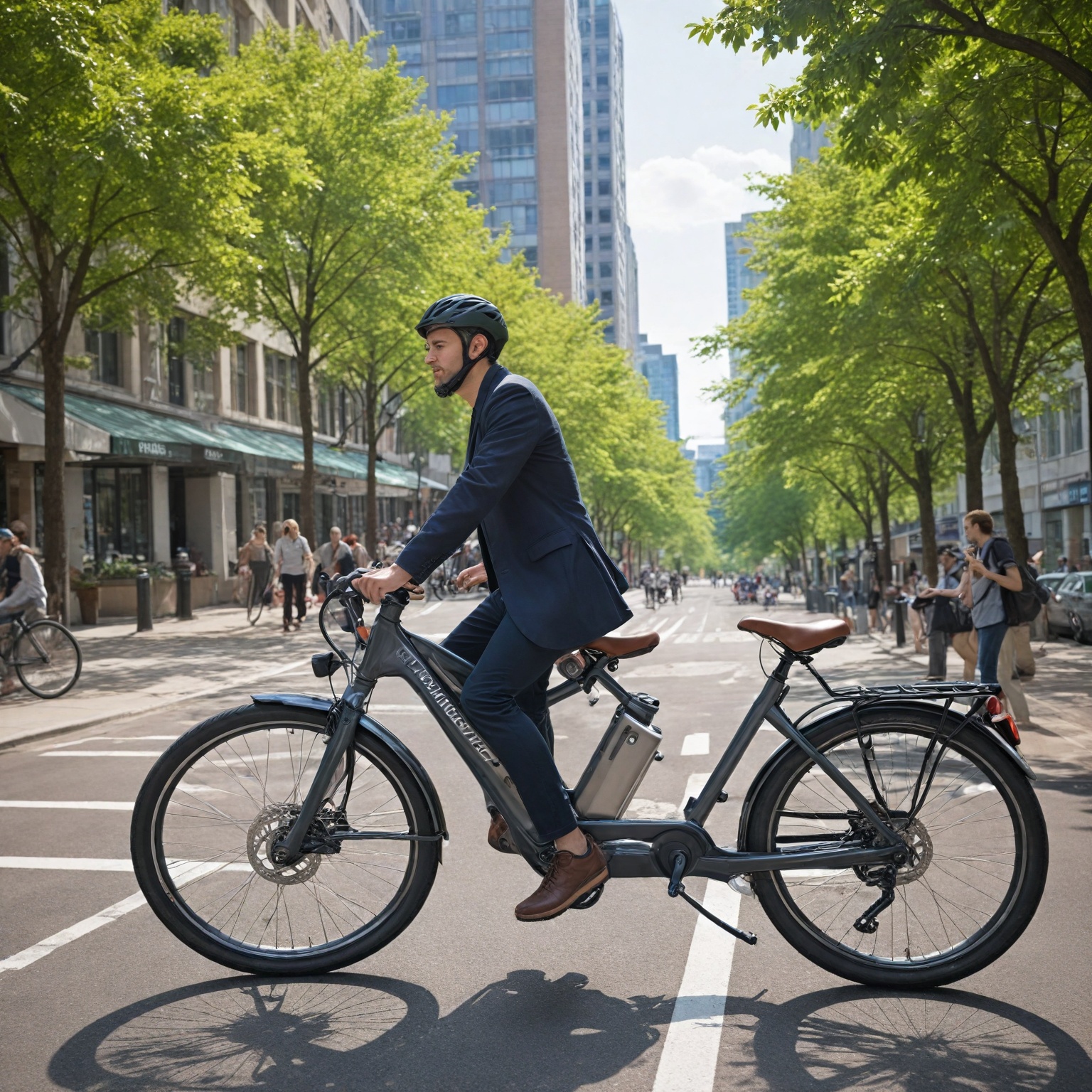
Electric bicycles, commonly known as e-bikes, are bicycles equipped with electric motors that assist the rider’s pedaling, enabling easier travel over longer distances and varied terrains. This integration of motorized support distinguishes e-bikes from traditional bicycles and has expanded their use beyond recreational cycling to practical urban commuting and errands. Offering different assist systems—primarily pedal-assist and throttle modes—e-bikes provide adaptable options for diverse riders, balancing convenience, battery efficiency, and speed.
E-bikes are notable for their environmental and socio-economic benefits. They produce zero tailpipe emissions and operate quietly, helping reduce urban air and noise pollution while contributing to global efforts against climate change by replacing short car trips. Economically, e-bikes offer a cost-effective alternative to motor vehicles, lowering transportation expenses and increasing mobility, especially in congested cities. Their integration into urban transport networks through bike-sharing programs and multimodal transit systems further enhances sustainable urban mobility.
However, the widespread adoption of e-bikes involves challenges including the need for supportive infrastructure, safety regulations, and cultural acceptance. Governments and municipalities play a critical role by providing incentives, developing bike lanes, and ensuring secure parking and charging facilities to foster equitable and efficient use. Additionally, technological limitations such as battery range and maintenance requirements continue to influence user experience and adoption rates.
Looking ahead, e-bikes are positioned as key components of future sustainable urban transportation, supported by advancements in battery technology, policy frameworks, and shared micromobility services. While promising substantial reductions in greenhouse gas emissions and urban congestion, ongoing research and coordinated efforts remain essential to fully realize their potential as affordable, eco-friendly, and accessible alternatives to traditional motorized transport.
Overview of E-Bikes
Electric bicycles, or e-bikes, represent a modern evolution of the traditional bicycle by integrating an electric motor that assists the rider’s pedaling efforts. Unlike conventional bikes that rely solely on human power, e-bikes feature a rechargeable battery-powered motor typically embedded in the bike’s hub or mid-drive system, providing a boost that makes longer distances and varied terrain more accessible and less fatiguing. This technological enhancement has shifted the primary use of bicycles from mainly recreational activities to practical commuting and running errands, enabling riders to cover greater distances more easily and arrive less tired.
E-bikes come equipped with different types of assist systems that regulate the motor’s power output. Pedal-assist systems, which are the standard, automatically supply power in proportion to the rider’s pedaling effort. These systems often use cadence sensors that detect pedal rotation speed or torque sensors that measure the actual force applied to the pedals, resulting in a more intuitive and responsive ride. Some models combine both sensor types for optimized assistance. In contrast, throttle-based e-bikes allow riders to engage the motor without pedaling, offering instant power on demand but typically resulting in faster battery drain.
The variety of e-bike styles caters to diverse urban and recreational needs. Cargo e-bikes are designed to transport goods or children with reinforced frames and extended wheelbases, offering an eco-friendly alternative to car trips for errands and deliveries. Commuter e-bikes prioritize comfort and practicality for daily urban travel, often featuring upright riding positions, smooth tires, and accessories such as lights and racks to enhance functionality. Folding e-bikes provide compactness and versatility, allowing for easy storage and transportation, making them suitable for multimodal commutes. Across categories, affordability has improved with options available for under $2,000 that balance performance and convenience, though ranges typically average around 40 miles per charge.
Beyond individual benefits, e-bikes contribute significantly to urban sustainability. They offer a means to reduce CO2 emissions, urban noise, and traffic congestion by replacing short car trips, particularly in dense metropolitan areas. Studies indicate that micromobility options like e-bikes could replace up to 18% of short car journeys, amplifying the environmental advantages of cycling. However, successful integration of e-bikes into urban transport systems requires supportive infrastructure such as bike lanes, secure parking, and charging stations, as well as policies that promote their use through incentives and regulations. Cultural shifts in transport habits are also vital to foster acceptance and maximize the potential of e-bikes as a sustainable mobility solution.
Environmental and Socio-Economic Benefits
Electric bikes (e-bikes) offer substantial environmental advantages by reducing carbon emissions and lowering pollution levels in urban areas. Unlike traditional gasoline-powered vehicles, e-bikes produce zero exhaust emissions, which significantly improves air quality and helps combat particulate pollution that contributes to premature mortality. Furthermore, e-bikes operate quietly, reducing noise pollution, an important factor in densely populated urban environments that directly affects residents’ health and well-being.
The adoption of e-bikes aligns with broader global efforts to mitigate climate change by reducing dependence on fossil fuels. As zero-emission vehicles, e-bikes help decrease smog and other air pollutants, thus lowering the overall carbon footprint of urban transportation systems. Studies indicate that replacing short private vehicle trips—often less than three miles—with micromobility options such as e-bikes could replace up to 18% of such trips in cities like Seattle, contributing to a significant reduction in greenhouse gas emissions. On average, shared e-bikes can decrease carbon emissions by approximately 108–120 grams per kilometer, with even greater benefits observed in underdeveloped or lower-density areas.
From a socio-economic perspective, e-bikes provide cost-effective transportation alternatives. They are cheaper to operate and maintain compared to cars or motorcycles, translating into lower transportation costs for users. This economic benefit is especially critical in urban areas where transportation costs and congestion pose challenges to affordability and mobility. Moreover, the availability of bike-sharing systems and e-bike sharing programs has been linked to broader economic benefits, including time savings, improved public health, and reduced greenhouse gas emissions. These systems are increasingly supported by local governments aiming to promote sustainable transportation.
Adoption of e-bikes is influenced by various social, psychological, and economic factors, including perceived value and infrastructure support. Cities investing in infrastructure such as bike lanes, secure parking, and charging stations facilitate higher rates of e-bike use, which in turn supports urban sustainability goals. Additionally, e-bikes have potential health benefits, serving as rehabilitation tools for individuals recovering from cardiac and muscular conditions by reducing physical strain while promoting mobility.
Urban Integration and Navigation
The successful integration of e-bikes into urban transportation systems requires a multifaceted approach involving infrastructure development, policy support, and cultural shifts. Urban planners and local governments play a crucial role in designing cityscapes that accommodate e-bikes while ensuring road safety and user convenience. Key infrastructure elements include protected bike lanes, sidewalks, multi-use paths, as well as benches and shelters at public transportation stops to facilitate seamless multimodal access.
Charging stations and secure parking facilities for e-bikes further enhance convenience and encourage adoption by reducing barriers to use. Strategic investments in these infrastructures can help entrench e-bikes as a reliable component of daily urban travel. Furthermore, integrating e-bike-friendly regulations, such as standardized speed limits and operational zones, alongside incentives like subsidies or tax breaks, can support widespread acceptance and smooth integration into existing transport networks.
Multimodal payment integration also contributes to an economical and appealing transit experience by allowing users to combine e-bike use with other modes of public transportation seamlessly. Some cities in the U.S., Canada, Finland, and China have begun implementing such fare and payment integrations to facilitate easy transfers between transit and shared micromobility services.
On the navigation side, commuter e-bikes are typically designed to meet the demands of urban riders with features like upright riding positions, smooth tires, and accessories such as lights and racks. Their electric assist systems, including modes that provide speeds up to 20–28 mph, help users tackle hills and long distances efficiently, making daily commutes less strenuous and more accessible.
The transition to e-bike-friendly cities also involves overcoming cultural inertia and shifting public perceptions away from car-centric transport toward more sustainable, bike-friendly urban environments. Awareness campaigns, trial programs, and community initiatives are essential to demonstrate the benefits of e-bikes, dispel myths, and foster acceptance as primary modes of transport.
E-Bike Sharing Programs and Multimodal Transport
Shared electric bike (e-bike) programs have increasingly become a vital component of urban transportation networks, serving as both a substitute for public transportation and a solution for first- and last-mile connectivity to transit stops. These programs address key urban challenges such as congestion, environmental sustainability, and affordability by providing residents with an alternative to car dependency and promoting cleaner mobility options. The integration of e-bikes into shared mobility systems supports the reduction of traffic and emissions while enhancing the accessibility of public transportation services.
State and municipal governments across the United States have actively supported the expansion of shared e-bike programs through funding initiatives and infrastructure development. Cities like Austin and Houston in Texas have incorporated e-bikes into existing bike-sharing fleets, responding to public demand for faster, more efficient travel options in sprawling urban environments. Similarly, Washington, D.C., has emerged as a leading hub for e-bike sharing, with programs like Capital Bikeshare playing a central role in the city’s broader sustainability and transportation strategies.
Effective multimodal transport integration is critical for maximizing the benefits of shared e-bikes. Multimodal access considers various modes of travel—walking, bicycling, feeder transit systems, and driving—to facilitate seamless connections to public transportation. Transport Canada emphasizes the importance of safe, convenient infrastructure such as dedicated bike lanes, sidewalks, and bike parking at transit stops to promote active mobility options linked with public transit. Physical infrastructure integration, including proximity of facilities for different transportation modes, and payment or fare integration further enhance the convenience and appeal of multimodal trips, making them more competitive alternatives to car travel.
Infrastructure investments such as secure parking and charging stations are vital to increasing user convenience and encouraging wider e-bike adoption. Urban planning must also incorporate e-bike-friendly policies and regulations—such as speed limits, operational zones, and standardized rules—to ensure safety and promote sustainable growth of e-bike use within cities. Tailored local solutions are necessary to address unique urban mobility challenges while aligning with broader sustainability goals.
Globally, lessons from cities in the United States, China, Finland, and other countries illustrate diverse approaches to integrating e-bikes with transit and shared micromobility systems, highlighting the potential for scalable solutions to reduce reliance on fossil-fuel vehicles and contribute to carbon emissions reductions. By combining infrastructural, regulatory, and financial support, shared e-bike programs can significantly enhance multimodal transport networks, helping cities move toward more sustainable, efficient, and equitable urban mobility systems.
Policies and Incentives Promoting Adoption
Governments and policymakers play a crucial role in accelerating the adoption of e-bikes by implementing supportive policies and incentive programs. Since 2022, at least ten states along with Washington, D.C. have introduced various e-bike incentive programs aimed at making these sustainable transport options more affordable and accessible. Programs like Denver, Colorado’s e-bike incentive initiative demonstrate the potential impact of such policies, having distributed over 4,700 e-bikes in 2022 alone, with a significant focus on low-income residents receiving more than 65% of the funding. Similarly, the upcoming California E-Bike Incentive Project, launching in 2024, plans to prioritize low-income and disadvantaged communities by providing vouchers for electric bikes, including cargo and adaptive models, thus promoting equitable access.
Financial incentives are widely regarded as essential drivers for increasing e-bike adoption, as cost savings are a significant consideration for consumers. Beyond purchase subsidies, comprehensive policy measures include expanding bike-sharing programs, investing in safe cycling infrastructure, and integrating e-bikes into public transportation networks to enable seamless multimodal travel. These strategies not only reduce barriers related to affordability but also address safety and convenience concerns, which are vital to encouraging broader usage.
Policymakers are encouraged to adopt standardized e-bike regulations that facilitate the integration of e-bikes into urban transport systems, often accompanied by subsidies or tax breaks for buyers and infrastructure developers. In addition, engaging communities through outreach, education, and public consultations is important for fostering advocacy and shaping e-bike-friendly urban environments. This holistic approach supports the development of enhanced bike lanes, secure parking, and appropriate safety regulations, thereby creating conditions conducive to sustainable growth in e-bike use.
Furthermore, e-bikes are recognized as a key component of comprehensive sustainable transport networks, offering the potential to reduce vehicle miles traveled (VMT), lower carbon emissions, and mitigate urban congestion and pollution. By prioritizing investments in both electrification and safe infrastructure, cities and states can deliver equitable, climate-aligned transportation solutions that benefit public health and urban livability.
Purchasing and Maintaining E-Bikes
E-bikes are widely available through various channels, including large retailers such as Amazon and Walmart, as well as specialized online stores like NAKTO eBike and Lectric eBikes. Prices for e-bikes can vary significantly, ranging from approximately $500 for basic models to over $8,000 for advanced versions tailored to different needs and budgets. While budget-friendly options exist, affordability remains relative since even lower-end quality models require a considerable investment. Buyers should consider quality alongside price to ensure a satisfactory riding experience.
When purchasing an e-bike, prospective owners can benefit from detailed buyer’s guides that provide extensive tips, important advice, and information on selecting appropriate e-bike models and accessories. Additionally, various incentive programs are emerging to support e-bike adoption. For example, the California E-Bike Incentive Project, launching in 2024, will offer voucher incentives to low-income residents for the purchase of electric bikes, including cargo and adaptive models, prioritizing disadvantaged and low-income communities.
Maintaining an e-bike involves attention to both its mechanical and electrical components. Battery technology has evolved considerably since the late 20th century, progressing from heavier lead-acid batteries to lighter and more efficient Nickel-Cadmium (NiCd) and Nickel-Metal-Hydride (NiMH) batteries, enhancing urban commuter usability. Users should be aware that motor operation, especially when using throttles independently of pedal assist, can lead to faster battery drainage, necessitating more frequent charging.
From an economic perspective, e-bikes are generally cheaper to operate and maintain compared to cars or motorcycles, requiring less upkeep and offering reduced transportation costs over time. Proper maintenance and understanding of battery use can extend the life of an e-bike, contributing to overall cost-effectiveness and sustainability for the rider.
User Experiences and Case Studies
User experiences with e-bikes often reflect a blend of traditional cycling and motorized assistance, offering versatility that appeals to a wide range of riders. Many users report that riding an e-bike feels much like cycling a regular bicycle, with the added option to engage a throttle for motor-powered riding without pedaling, similar to a scooter or moped. This flexibility allows riders to tailor their physical effort and speed according to personal preference and situational demands, enhancing overall satisfaction and usability.
Psychological factors also play a significant role in e-bike adoption. In regions like China, the decision to use e-bikes is influenced by varying social, psychological, and socioeconomic elements, which have evolved over recent years. Researchers emphasize the importance of understanding these factors within the framework of the Theory of Planned Behavior (TPB), highlighting how attitudes, social norms, and perceived control affect rider behavior and acceptance of sustainable transportation options. Such insights are valuable for urban planners and transportation researchers seeking to integrate e-bikes effectively into public transit systems.
Several case studies illustrate successful integration of e-bikes and related micromobility solutions with public transportation networks. For example, German cities offer the Call a
Challenges and Considerations
E-bikes present a promising solution for urban transportation, yet several challenges and considerations must be addressed to maximize their benefits. One significant factor is the role of government in shaping effective e-bike policies. Governments are essential in financing infrastructure, setting strategic goals, promoting innovation, and establishing procurement standards that reward efficient operators. Additionally, engaging citizens—both users and non-users—is critical to understanding journey purposes, addressing safety concerns, and educating the public on proper e-bike use and road safety measures.
From a technical perspective, battery technology remains a pivotal consideration. Although advancements have been made since the late 20th century, with the transition from lead-acid to Nickel-Cadmium and Nickel-Metal-Hydride batteries, range limitations still affect user experience. Typical e-bikes offer a range averaging around 40 miles, with some reaching up to 70 miles; however, extended use of the throttle mode without pedal assistance can significantly drain batteries faster, complicating consistent speed maintenance over long distances.
Urban infrastructure and integration pose additional challenges. Successful adoption of e-bikes depends on enhanced multimodal connectivity and integration with existing public transport systems. Addressing concerns such as bicycle theft is also vital for user confidence and convenience. A holistic, interdisciplinary approach is necessary to tackle these interconnected issues effectively, involving collaboration across applied sciences, social sciences, and humanities.
Environmental and social implications also require careful consideration. While e-bikes contribute to reducing urban congestion, emissions, and noise pollution—offering a cleaner, quieter alternative to fossil-fuel-powered vehicles—the extent of their impact on air quality and public health needs further study. Moreover, existing urban transport business models may promote inefficiencies and unnecessary emissions that e-bike adoption alone cannot fully resolve.
Finally, equitable access and addressing broader societal challenges remain essential. Issues such as mobility for aging populations, public health concerns like obesity and diabetes, and climate change mitigation must be factored into comprehensive transportation planning that includes e-bikes as a key component.
Future Trends and Developments
The future of urban transportation is increasingly oriented towards sustainable and electrified solutions, with e-bikes playing a pivotal role in reducing greenhouse gas emissions and alleviating urban congestion. Micromobility options such as cargo bikes, scooters, drones, and robots, all primarily electric-powered, are positioned to significantly cut CO2 emissions and traffic congestion in cities, where last-mile deliveries are expected to grow by 78% by 2030. This anticipated growth underscores the urgency and opportunity for micromobility to become a central component of urban logistics and commuting.
Electrification of vehicle fleets in urban areas is recognized not only for its environmental benefits but also for its public health impact. Studies suggest that extensive adoption of electric transport could prevent thousands of years of life lost due to particulate pollution and generate substantial social benefits in the order of hundreds of millions of euros. To fully realize these benefits, a holistic and strategic approach to energy system transformation and transportation electrification is essential.
Technological advancements in battery efficiency and motor design continue to improve the performance and appeal of e-bikes. Innovations have evolved from early lead-acid batteries to modern lithium-ion systems, enhancing range, reducing weight, and improving reliability. However, practical challenges such as battery drainage when using throttle-only modes highlight the importance of optimized pedal-assist systems to maintain consistent speeds and prolong battery life.
Policy frameworks and infrastructure development are critical to integrating e-bikes into urban transport networks effectively. Cities like London have set ambitious targets aiming for 80% of trips to be made by walking, cycling, or public transport, reflecting a broader commitment to sustainable urban mobility. Multimodal access initiatives emphasize the importance of seamless connections between e-bikes and public transit through dedicated bike lanes, secure parking, and charging stations. Successful integration also requires the establishment of clear regulations, including speed limits and operational zones tailored to local contexts.
Public and private sector incentives are accelerating e-bike adoption, particularly among underserved populations. Programs like the California E-Bike Incentive Project and the Denver e-bike rebate initiative demonstrate that targeted subsidies and vouchers can significantly boost uptake, especially in low-income communities. These efforts not only promote equitable access but also contribute to broader environmental and health objectives.
Shared micromobility services are expanding rapidly, addressing first- and last-mile connectivity challenges and complementing fixed-route public transit systems. The example of Taipei’s YouBike system illustrates how integrating bike-sharing stations with metro networks can solve last-mile issues and enhance transit usability.
Despite clear benefits, further research is needed to quantify the full environmental and health impacts of widespread e-bike adoption, as current data remain insufficient. Nevertheless, early evidence supports the view that replacing fossil-fuel-powered vehicles with e-bikes reduces noise, emissions, and urban risks associated with larger, faster vehicles, contributing to safer and cleaner cities.
The content is provided by Avery Redwood, Scopewires