Highlights
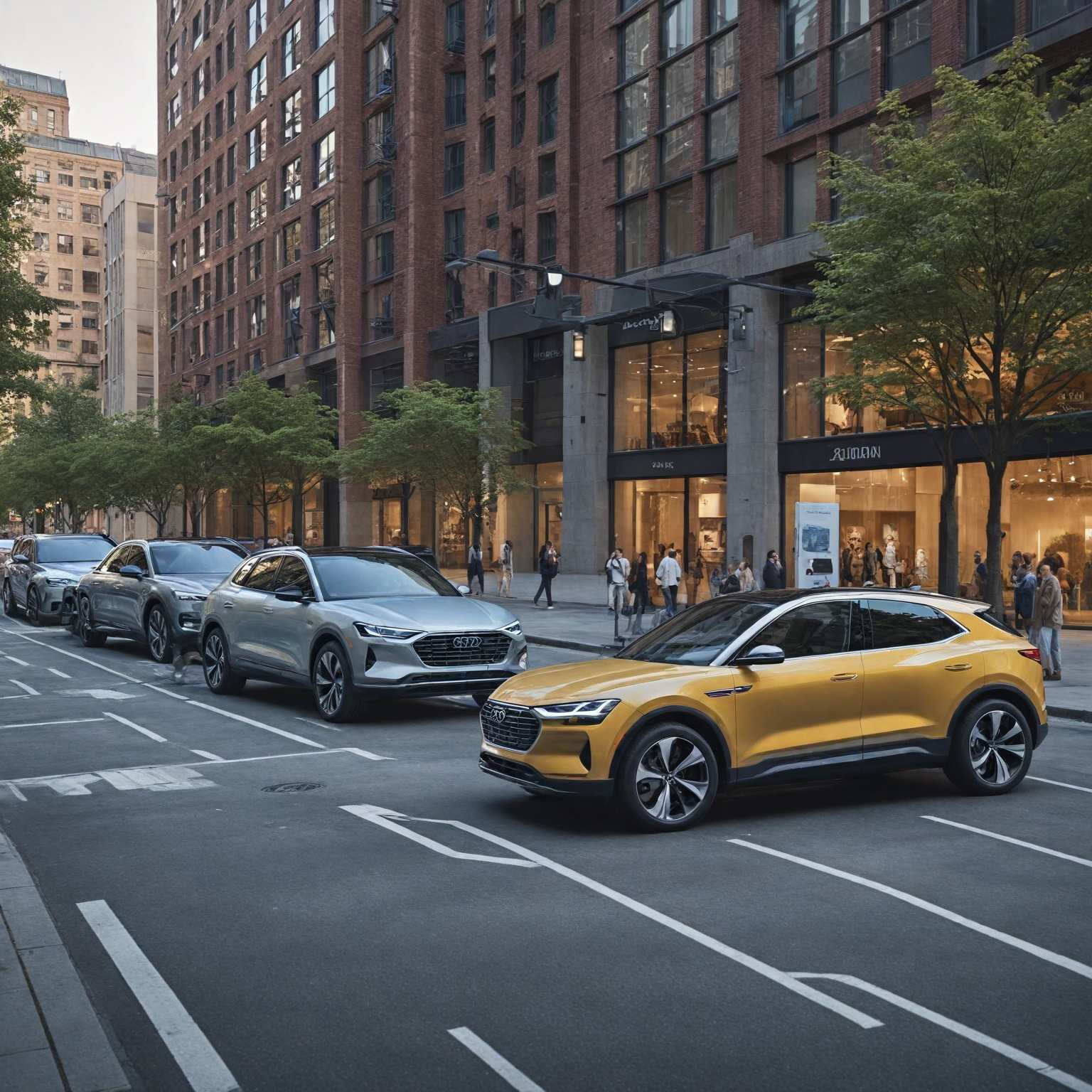
- Electric SUVs are revolutionizing the automotive industry: Combining practicality and environmental benefits, the 2025 lineup offers a diverse range of options from top automakers, focusing on performance, range, quality, and innovation.
- Environmental implications and sustainability efforts: While zero emissions are a major plus, concerns about manufacturing emissions and raw material sourcing are being addressed through battery recycling and circular economy practices, aiming to enhance the overall sustainability of electric SUVs.
- Technological advancements driving practicality and appeal: Advancements in battery chemistry, durability, and charging infrastructure are making electric SUVs more cost-effective, practical, and attractive for a wide range of drivers, aiming to meet or exceed traditional gasoline-powered SUV expectations.
Summary and Background
Electric SUVs are transforming the automotive market in 2025, combining traditional SUV practicality with electric propulsion benefits like lower emissions and operating costs. Leading automakers such as Audi, Porsche, BMW, Kia, and Ford offer diverse models focused on performance, range, and technology. While electric SUVs produce zero tailpipe emissions, concerns remain over the environmental impact of battery manufacturing and raw material extraction. Advances in battery chemistry, recycling, and charging infrastructure aim to improve sustainability and practicality. The growing electric SUV market is supported by new models, evolving technologies, and government incentives, though balancing adoption with environmental challenges remains critical.
Electric SUVs meet rising consumer demand for utility and technology, offering advanced designs and driving experiences. Models like the Kia EV9 provide spacious, quiet rides suitable for families transitioning to electric vehicles. However, the trend toward larger EVs raises environmental concerns despite zero tailpipe emissions. Studies analyze the impacts of high EV adoption on power systems and sustainability goals.
Electric SUVs and Environmental Impact
Electric SUVs offer reduced greenhouse gas emissions compared to gasoline vehicles, especially when charged with renewable energy. However, larger battery packs increase manufacturing emissions by up to 70%, with raw material mining posing ecological challenges. Battery production is carbon-intensive, particularly for lithium, cobalt, and nickel, though recycling efforts are improving. Current lithium recovery rates are low, but emerging technologies and regulations, such as the EU’s 2023 Battery Regulation, aim to enhance material recovery and promote circular economy practices. Use-phase benefits include zero tailpipe emissions and improved local air quality, with further emission reductions expected as grids decarbonize.
2025 Electric SUV Models and Features
The 2025 electric SUV market features new models from Alfa Romeo, Jeep, Audi, Porsche, BMW, Honda, Ford, Cadillac, and Kia, offering a range of sizes, performance levels, and technologies. Highlights include Audi’s A6 e-tron with multiple powertrains, Porsche’s Macan EV emphasizing sporty driving, and Kia’s EV9 targeting families with three-row seating. Technological advancements focus on improved battery chemistries like lithium iron phosphate (LFP) and lithium manganese iron phosphate (LMFP), offering better safety, cost, and energy density. Battery durability has improved, with most EVs retaining original batteries. Enhanced recycling reduces emissions and resource demand. Charging infrastructure includes Level 2 home chargers and DC fast chargers, with standardized connectors improving compatibility. Interior tech and driving dynamics are refined to meet consumer expectations.
Charging Infrastructure
Home charging remains essential for EV owners, with Level 2 chargers (240V AC) offering convenient daily range replenishment. Chargers vary from plug-in types using common residential outlets to hardwired units requiring professional installation. Tesla’s Universal Wall Connector is noted for smart features and high capacity but is mostly compatible with Tesla vehicles. Public charging includes Level 2 workplace chargers and DC fast chargers along highways for rapid charging. The SAE J1772 connector standard simplifies AC Level 2 charging compatibility across most North American EVs.
Market Trends and Consumer Perception
The electric SUV market is expanding with diverse options from affordable to premium models, supported by government incentives and improved charging networks. Battery trends show rising adoption of LFP and LMFP chemistries, especially in China, with global growth expected by 2025. Public perception increasingly favors electric SUVs for environmental benefits, though concerns about battery production impacts and supply chain risks persist. Sustainable battery recycling is critical to address resource limitations and environmental effects. Consumers weigh factors such as price, range, and environmental footprint when choosing electric SUVs.
Future Outlook
Technological progress in battery chemistry and production will drive electric SUV growth, with lithium manganese-rich cells aiming to reduce costs and improve range. Automakers plan expanded electric SUV lineups, including Chevrolet’s next-generation Bolt and BMW’s iX5 and potential hydrogen fuel-cell models. EV sales are projected to exceed five million units by 2025, boosting demand for battery recycling and lifecycle management. Recycling reduces environmental impact and supports material conservation. Electric SUVs are expected to significantly lower lifecycle greenhouse gas emissions compared to conventional vehicles, reinforcing their role in cleaner transportation.
The content is provided by Avery Redwood, Scopewires