Dental implants have become the gold standard for replacing missing teeth, offering not just cosmetic improvement but a long-term solution for chewing, speaking, and maintaining jawbone health. If you’re considering dental implants, this article will walk you through the entire process—from candidacy and procedure details to costs, recovery, and long-term benefits.
Understanding Dental Implants
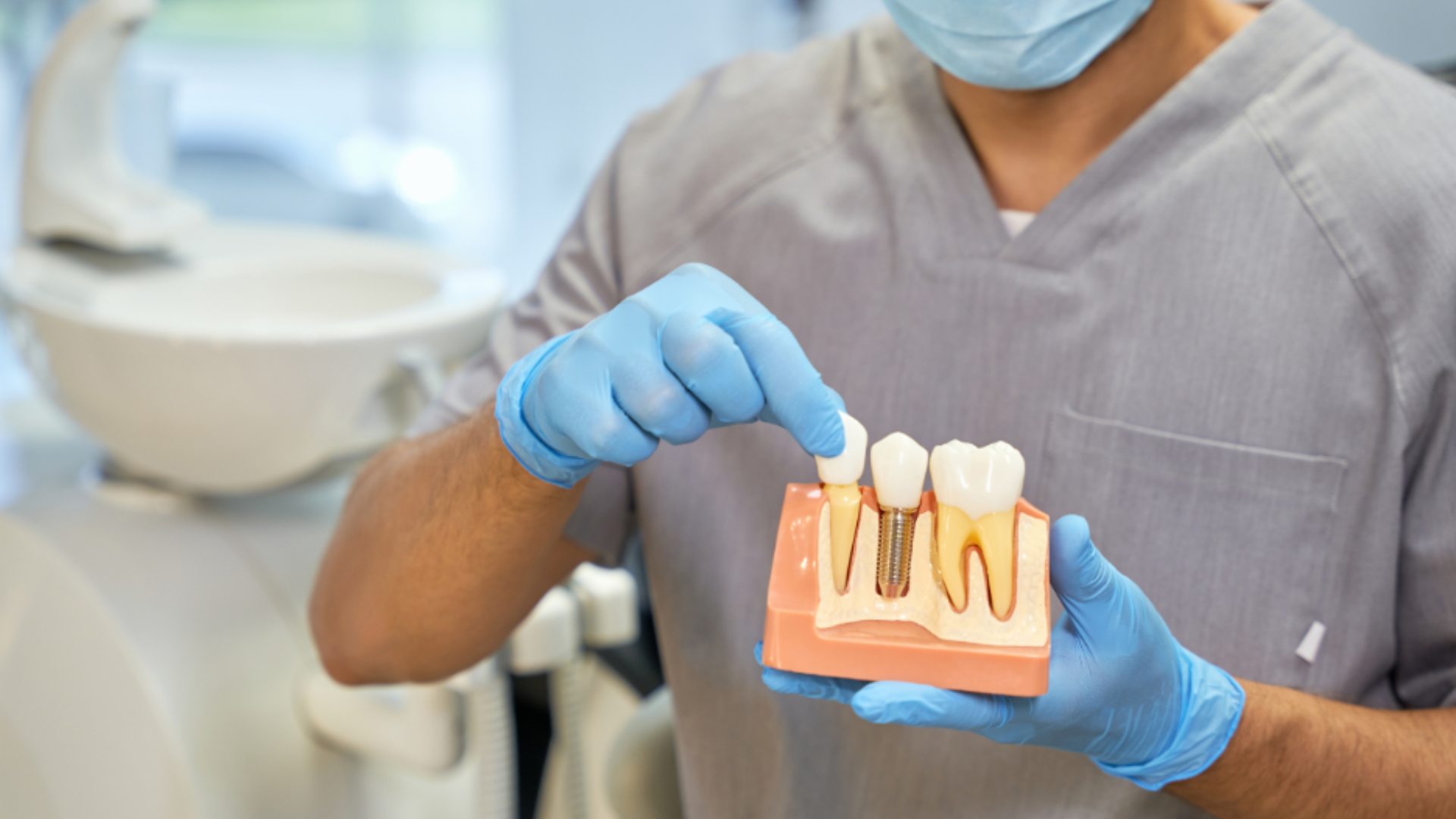
Dental implants are artificial tooth roots, typically made of titanium, that are surgically placed into the jawbone to support a crown, bridge, or denture. Over time, the implant fuses with the bone in a process called osseointegration, creating a strong and stable foundation that functions much like a natural tooth root. A completed implant includes three components: the implant body, which is embedded in the jaw; the abutment, which connects the implant to the prosthetic; and the crown or artificial tooth that sits above the gumline.
Unlike removable dentures, dental implants are fixed and designed to last for decades with proper care. They also help preserve the integrity of the jawbone, which can deteriorate over time when teeth are missing.
Who Is a Candidate for Dental Implants?
Not everyone is an immediate candidate for implants. Ideal candidates are individuals with good overall health, healthy gums, and enough bone in the jaw to support the implant. Smoking, uncontrolled diabetes, and other systemic conditions can interfere with healing and increase the risk of implant failure. In cases of insufficient bone, a bone graft may be recommended before the implant can be placed.
A comprehensive evaluation is required, often including X-rays or 3D scans, to assess bone density and determine whether additional procedures are needed. Your dentist may also review your full medical history to ensure there are no underlying issues that could complicate surgery or recovery.
Costs and Insurance Coverage
Dental implants can be a significant financial investment. The average cost for a single implant in the United States ranges from $1,600 to over $4,000, depending on factors like location, provider experience, and the need for additional procedures such as bone grafts. Full-mouth restorations can cost $20,000 or more per arch.
Many insurance plans do not cover dental implants, though some may partially cover components like the crown. Financing options and payment plans are commonly available through dental practices, and in some cases, medical expenses related to implants may be tax-deductible.
Average Cost of Dental Implants in the U.S.
| Type of Implant Procedure | Estimated Cost Range |
| Single Tooth Implant | $1,600 – $4,200 |
| Implant-Supported Bridge | $5,000 – $8,000 |
| All-on-4 Full Arch Implants | $15,000 – $25,000 per arch |
| All-on-6 Full Arch Implants | $20,000 – $30,000 per arch |
| Mini Dental Implants | $500 – $1,500 per implant |
| Bone Grafting (if needed) | $300 – $3,000 |
| Abutment and Crown | $1,000 – $3,000 |
Note: These are average estimates based on national data and may vary significantly by provider, location, and additional procedures required. Always consult your dentist for a personalized treatment plan and cost breakdown.
The Dental Implant Process: Step by Step
The journey to receiving a dental implant typically spans several months and involves multiple stages. It begins with a consultation and treatment planning, followed by the surgical placement of the implant into the jawbone. This is an outpatient procedure often done under local anesthesia, though sedation or general anesthesia may be offered depending on your needs.
After the implant is placed, a healing period of several months follows. During this time, osseointegration occurs—the bone grows around the implant and stabilizes it. A temporary crown or denture may be used during this period for cosmetic purposes.
Once healing is complete, the abutment is attached to the implant. In some cases, this step is performed at the time of the initial surgery. Finally, after the gums heal around the abutment, a custom-made crown is placed to complete the restoration. The result is a natural-looking tooth that functions like your own.
Benefits and Risks of Dental Implants
Dental implants offer a number of advantages over traditional tooth replacement options. They restore your ability to chew and speak clearly, improve the appearance of your smile, and help prevent the bone loss that typically follows tooth loss. Implants also reduce the risk of adjacent teeth shifting and preserve the overall structure of your face.
However, as with any surgical procedure, there are risks involved. Complications may include infection, nerve damage, sinus issues, or implant failure, especially in patients with poor oral hygiene or underlying health issues. While most implants are successful, failures can occur if the bone doesn’t integrate properly or if excessive pressure is placed on the implant too soon.
Recovery and Aftercare
Post-operative discomfort is usually manageable with over-the-counter pain relievers. Swelling, bruising, and minor bleeding are common in the first few days. Most patients are able to return to work within a day or two, though a soft-food diet is typically recommended during the initial healing phase.
Maintaining good oral hygiene is critical to the long-term success of dental implants. This includes regular brushing, flossing, and professional cleanings. Patients are also advised to avoid smoking and limit consumption of staining or acidic foods and beverages. If you notice any signs of infection or loosening, you should contact your dental provider immediately.
Disclaimer: This article is for informational purposes only and should not be considered medical advice. Always consult with a licensed dental professional to determine whether dental implants are right for you.
The content is provided by Avery Redwood, Scopewires