Highlights
- Historical roots with a modern twist: Loft apartments, born from industrial spaces converted by artists in the mid-20th century, now seamlessly blend historic features like brick walls and wooden beams with modern amenities to attract a diverse urban demographic seeking unique living spaces.
- Urban renewal complexities: The resurgence of loft apartments aligns with broader urban renewal initiatives, but this trend often sparks debates around gentrification and displacement, prompting the need for measures like affordable housing programs and community involvement to ensure balanced development with social equity.
- Future-forward design: Embracing technological advancements and sustainability, loft apartments are poised to transform with contemporary needs, promising to sustain their allure as trendy urban residences that integrate historical charm with modern living standards.
Summary
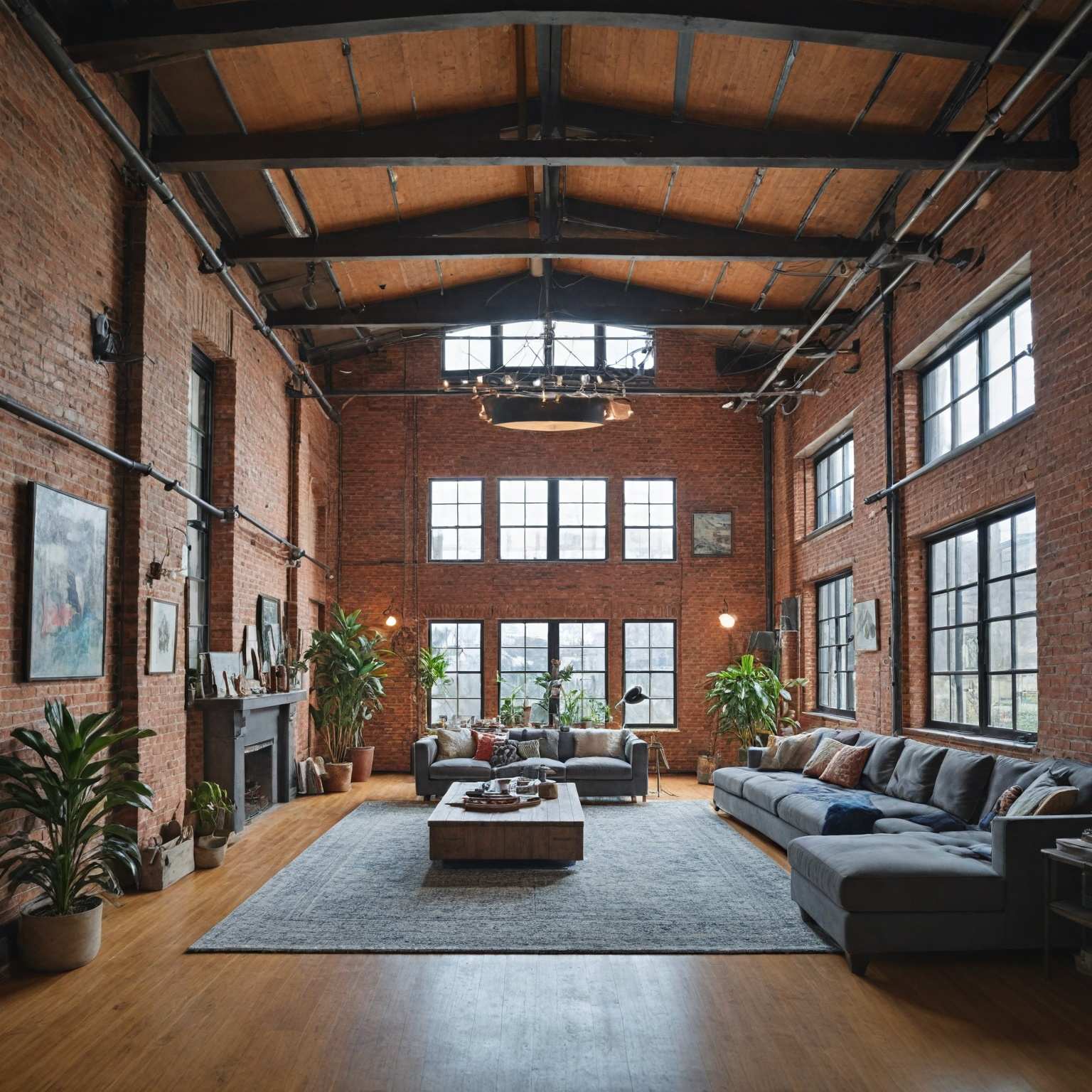
Loft apartments are residential units typically created through the adaptive reuse of former industrial or commercial buildings, such as warehouses, factories, and mills. Originating in the early 20th century, lofts gained widespread cultural prominence in the 1960s and 1970s when artists and creative communities converted these spacious, industrial spaces into live-work environments, particularly in urban centers like New York City’s SoHo district. Characterized by open floor plans, high ceilings, large windows, and exposed structural elements such as brick walls and wooden beams, loft apartments blend historic architectural features with modern urban living.
The resurgence of loft apartments in the 21st century is driven by evolving socio-economic factors including increased demand for urban housing, changing work patterns such as remote work, and a growing appreciation for sustainable development through building reuse. Contemporary lofts combine their industrial heritage with modern amenities and energy-efficient systems, appealing to a diverse demographic beyond their original artistic base. However, this popularity has contributed to significant market pressures, making lofts among the most expensive residential options in prime urban neighborhoods such as Tribeca and Chelsea in New York City, with prices reflecting both their architectural uniqueness and desirable locations.
Loft apartment redevelopment is closely linked to broader urban renewal initiatives, which aim to revitalize formerly industrial areas through adaptive reuse and new construction. While these projects can stimulate economic growth, infrastructure improvements, and cultural vibrancy, they also frequently provoke controversies related to gentrification, displacement of long-term residents, and cultural commodification—issues exemplified by neighborhoods like Washington, D.C.’s U Street/Shaw. Efforts to mitigate such social impacts include affordable housing programs, community engagement, and policy tools designed to balance development with equity.
Looking ahead, loft apartments are expected to continue evolving through technological integration and sustainability-focused design, maintaining their appeal as distinctive urban homes that honor historical character while meeting contemporary needs. Despite challenges such as environmental remediation and market affordability, loft living remains a significant and influential trend in urban residential real estate worldwide.
Historical Background
Loft apartments have their origins in the early 20th century, emerging from the adaptive reuse of abandoned industrial buildings such as warehouses, factories, and mills. These spaces featured distinctive architectural elements like exposed brick walls and original wooden beams, which served as reminders of the buildings’ industrial past. The trend of converting such industrial spaces into residential lofts began gaining momentum in many U.S. cities in the early 2000s, although some examples date back to the 1980s and 1990s.
During the 1960s and 1970s, neighborhoods like SoHo in Manhattan saw a significant influx of artists and countercultural groups who converted lofts en masse into living and creative spaces. This movement was driven by the need for large, affordable spaces conducive to artistic work rather than by design trends. However, these early residents often faced legal challenges, as industrial buildings were not zoned for residential use. This led to precarious living situations until landmark legislation such as New York City’s Loft Law of 1982 granted tenants the legal right to reside in these spaces while requiring landlords to meet building codes. The formation of artist associations, like the SoHo Artists Association in 1970, further helped to legitimize and protect loft living communities.
The conversion of industrial buildings into loft apartments also intersected with broader urban changes. Urban renewal projects, eminent domain policies, and infrastructure developments during the mid-20th century had displaced many communities, often along racial and economic lines. In contrast, loft conversions offered a form of urban revitalization by repurposing unused spaces and preserving historical architecture, contributing to sustainable urban development. Cities such as Los Angeles institutionalized this trend with legislation like the Adaptive Reuse Ordinance (2001), encouraging the transformation of obsolete industrial and commercial buildings into residential loft communities, particularly in areas like the Arts District.
The adaptive reuse of loft spaces gained further relevance in recent years due to societal shifts including the move toward remote work and demographic changes, which left many downtown office and industrial buildings vacant and ripe for redevelopment into housing. This trend not only revitalizes neighborhoods but also aligns with environmental goals by reducing the need for new construction. Moreover, contemporary loft conversions increasingly incorporate modern amenities, energy-efficient systems, and sustainable materials, blending historical character with the demands of modern urban living.
Characteristics of Loft Apartments
Loft apartments are residential units typically created by converting former industrial or commercial buildings, such as warehouses and factories, into living spaces. These conversions preserve many original architectural features, blending historic elements with modern design to create unique and stylish homes that stand out from traditional apartments.
A defining characteristic of loft apartments is their expansive open floor plans, often with minimal interior walls or partitions. This layout offers residents flexibility in arranging living spaces, allowing for inventive and adaptable use that can evolve with changing needs over time. Areas within a loft are usually defined by function rather than enclosed by walls, utilizing furniture, rugs, or curtains to zone the space.
High ceilings, often exceeding the standard eight to nine feet found in conventional apartments, are common in lofts, contributing to a sense of spaciousness and airiness. Many lofts feature ceilings as high as sixteen feet, particularly in neighborhoods like Tribeca in New York City. The vertical space is frequently maximized through the inclusion of mezzanines, open staircases, or multi-level layouts that enhance both utility and aesthetic appeal.
Another hallmark of loft apartments is the presence of large, often floor-to-ceiling windows that flood interiors with natural light. These windows usually retain industrial characteristics, such as metal framing or oversized panes, reinforcing the loft’s heritage while creating a bright, welcoming atmosphere. The abundant natural light is not only visually appealing but also contributes to healthier living environments.
Exposed structural elements are also central to the loft aesthetic. These include visible brick walls, concrete floors, wooden beams, columns, pipes, and ductwork, which are deliberately left uncovered to showcase the building’s industrial past and add texture and character to the interiors. Concrete floors, in particular, are a common feature that complements the industrial style of lofts.
Lofts are generally located in urban centers or former industrial districts, offering residents proximity to city amenities such as restaurants, shops, cultural venues, and public transportation. This urban setting, combined with the distinctive architectural features, makes loft apartments highly desirable for those seeking a blend of historic charm and modern urban living.
Socio-Economic Factors Behind Popularity
The resurgence of loft apartments as desirable living spaces is deeply intertwined with various socio-economic dynamics that have evolved over the past several decades. Originally, lofts became popular among artists in the 1960s who repurposed former industrial buildings into live-work spaces. This transformation not only provided affordable housing but also fostered creative communities. In 1970, the formation of the SoHo Artists Association was pivotal in securing legal residency rights for artists and their families in these converted lofts, ensuring their permanent presence in the neighborhood despite restrictive zoning laws.
Beyond their artistic origins, loft apartments have attracted a broader demographic spectrum, reflecting changing housing preferences in urban environments. High costs associated with homeownership have sustained a strong rental market, particularly in suburban areas, encouraging diverse groups to consider loft-style living as a viable and appealing alternative to traditional housing. This trend is further influenced by urban redevelopment and densification policies, such as those endorsed in Norway, which promote compact living arrangements to accommodate growing urban populations while addressing environmental and liveability concerns.
Urban renewal initiatives and gentrification processes also contribute significantly to the lofts’ popularity. The influx of higher-income residents into previously underinvested neighborhoods often drives economic revitalization, infrastructure improvements, and increased business activity. However, these developments bring complex social outcomes. While investments can enhance public services like sanitation and policing, the benefits to local schools and communities can be uneven, as seen in contrasting studies from London and Chicago. In London, mixed-income developments have correlated with improved educational outcomes by exposing students to a broader range of abilities, whereas Chicago’s gentrified neighborhoods did not demonstrate aggregate academic gains despite better public services.
Moreover, gentrification can lead to tensions related to displacement and cultural commodification. For instance, neighborhoods such as Washington, DC’s U Street/Shaw have experienced significant commercialization and demographic shifts, often driven by developers who increase density through new construction while altering the cultural fabric of historically Black communities. Urban renewal projects, including temporary tenant relocations for redevelopment, frequently aim to balance economic revitalization with social and cultural regeneration, though these goals are challenging to achieve simultaneously.
Culturepreneur initiatives illustrate one approach to addressing these challenges by fostering collaboration among residents, authorities, and developers to create inclusive, community-driven urban spaces that integrate economic vitality with cultural sustainability. Collectively, these socio-economic factors—ranging from affordability pressures and urban policy to cultural dynamics and redevelopment strategies—shape the renewed appeal and complex realities of loft apartment living in contemporary cities.
Market Trends and Pricing
Loft apartments have experienced a resurgence in popularity, driven by their unique architectural character, prime urban locations, and association with a creative lifestyle. This renewed demand has significantly influenced market trends and pricing, particularly in major cities such as New York, Chicago, and Los Angeles.
One key factor behind the high cost of loft apartments is their location. Lofts are typically situated in vibrant, culturally rich urban neighborhoods—areas that are often high-demand and limited in supply. Neighborhoods like Tribeca, SoHo, Chelsea, and NoMad in New York City exemplify this trend, where lofts are highly sought-after and command premium prices. Similarly, Chicago lofts average around $1,965 per month in rental cost, reflecting their desirability in an urban setting.
The type of loft also affects pricing. “Hard lofts,” which are authentic conversions of industrial or commercial buildings retaining original features such as exposed brick walls, concrete floors, and large factory windows, tend to be valued higher due to their historic charm and uniqueness. In contrast, “soft lofts” are newly constructed buildings designed to mimic this industrial aesthetic but typically lack the character and history of hard lofts, often resulting in a lower price point.
Another notable trend is the continued appeal of lofts among artists and creative professionals, a legacy dating back to the 1960s when artists began repurposing abandoned industrial spaces as live-work environments. This cultural heritage adds intangible value, attracting buyers and renters who seek not only a home but a lifestyle imbued with artistic significance.
However, the loft market is not without its challenges. Urban redevelopment and brownfield site conversions, common in creating new loft spaces, involve uncertainties regarding ground stability, pollution, and clearance costs, which can impact the final pricing of these properties. Additionally, regulatory factors and local economic conditions can influence rental and sales prices, as seen in areas like Los Angeles County, where emergency measures and price gouging laws have recently affected housing costs.
For prospective buyers, purchasing a loft is often a major financial investment that extends beyond the initial purchase price. Additional expenses such as closing costs, property taxes, and maintenance fees must be considered to ensure a sound long-term investment. The sustained demand for lofts, combined with their architectural uniqueness and desirable locations, continues to drive prices upward, making them a premium segment of the urban housing market.
Supply and Development
Loft apartments have evolved from their origins as converted industrial spaces—such as warehouses, factories, and old schools—into a highly sought-after residential option, inspiring new construction of loft-style units beyond traditional urban areas. The supply of lofts today includes both adaptive reuse projects and purpose-built developments designed to meet contemporary housing demands while preserving the aesthetic appeal of these unique living spaces.
Adaptive reuse has been a significant driver of loft supply, as it maximizes the potential of existing buildings while addressing environmental, economic, social, and cultural objectives. Cities like Los Angeles have implemented policies such as the Adaptive Reuse Ordinance (2001) to encourage the transformation of obsolete industrial and commercial properties into residential loft communities, particularly in neighborhoods like the Arts District. This legislative support has facilitated the conversion of formerly non-viable buildings into vibrant living spaces, helping to revitalize urban areas and meet housing needs.
Developers and investors often face regulatory guidelines and requirements during these conversions, which may include restrictions on the types of permissible housing developments, development timelines, and resale conditions for the land involved. These measures ensure that adaptive reuse projects align with broader urban planning and community objectives.
In addition to conversions, real estate developers have responded to strong market demand by constructing new loft-style apartments in gentrifying urban areas and other locations poised for growth. These ready-made lofts retain the characteristic open layouts and vertical space of traditional lofts while offering modern amenities.
Despite the appeal of loft apartments, their supply is closely tied to significant financial considerations. Prospective buyers and developers must account for costs beyond the purchase price, including closing costs, property taxes, and ongoing maintenance fees, which can influence the overall feasibility and profitability of loft projects. This financial landscape shapes both the supply dynamics and the development strategies within the loft apartment market.
Geographic Popularity and Urban Examples
Loft apartments have experienced a resurgence in popularity across various urban centers, driven by their unique architectural character and adaptive reuse of former industrial buildings. New York City, particularly neighborhoods like SoHo, Tribeca, Chelsea, and NoMad, remains emblematic of this trend. The SoHo district pioneered the loft movement when artists transformed disused textile factories and warehouses into live-work spaces after World War II, turning the area from a manufacturing hub into a vibrant residential and cultural enclave. These high-end lofts often preserve historic architectural elements, making them highly sought-after in the city’s competitive real estate market.
California leads in the growth of apartment renters, with several cities ranking among the top 20 nationally for increases in multi-family housing occupancy, highlighting a broader trend toward rental living in urban and suburban areas. This shift is influenced by factors such as the high cost of homeownership, prompting many consumers to continue renting even after relocating from city centers to suburbs. Similarly, metropolitan areas with expensive housing markets have experienced population declines as residents move to more affordable nearby cities, further influencing rental and apartment construction trends.
Urban redevelopment often accompanies these loft trends, with former industrial or manufacturing zones converted into residential spaces. This phenomenon is evident not only in the U.S. but also internationally, where cities embrace densification and adaptive reuse strategies to accommodate growth. For example, in Spain, several projects have transformed abandoned manufacturing facilities into contemporary residential buildings, preserving industrial heritage while providing modern housing.
In Washington, D.C., the U Street/Shaw neighborhood exemplifies the complex dynamics of urban change related to loft-style developments. This historically Black community has undergone developer-driven gentrification, marked by increased apartment density and commercialization, often leading to social tensions and concerns about cultural commodification. Such examples highlight how loft apartment trends intersect with broader issues of displacement and neighborhood transformation in major cities.
Urban Renewal Policies and Projects
Urban renewal policies and projects have played a significant role in reshaping cities by revitalizing underutilized industrial and commercial areas into vibrant residential and mixed-use neighborhoods. Since the 19th century, central business districts (CBDs) and inner suburban areas in Australian cities have undergone continuous renewal, often through ad-hoc efforts rather than comprehensive planning. Notable large-scale projects include the transformation of South Brisbane into South Bank for World Expo 88 and the redevelopment of South Melbourne’s industrial zones into the high-rise precinct of Southbank. Similar patterns are evident globally, where urban renewal initiatives have frequently targeted derelict or obsolete industrial zones to stimulate economic revitalization, cultural regeneration, and environmental sustainability.
In many cities, the conversion of industrial buildings into residential lofts has become a popular adaptive reuse strategy. For example, the Adaptive Reuse Ordinance adopted in 2001 in Los Angeles’ Arts
Social Impacts of Loft Apartment Redevelopment
Loft apartment redevelopment often plays a significant role in broader urban renewal initiatives, which aim to revitalize formerly industrial or underutilized neighborhoods by converting old factories and warehouses into residential and cultural spaces. These projects frequently include the transformation of industrial buildings into art galleries, studios, and other creative venues, contributing to the promotion of “arts districts” within cities. Originally favored by artists, loft apartments have since attracted a diverse mix of bohemians and hipsters, reflecting a shift in demographics as part of the gentrification process.
One of the most prominent social impacts of loft apartment redevelopment is gentrification, which typically involves an influx of higher-income residents, increased real estate investment, and economic development. While these changes can lead to reduced crime rates and improved infrastructure, they also raise concerns about displacement—the forced or indirect removal of long-term, often low-income residents due to rising rents, renovations, and changing neighborhood services. Displacement can manifest in various forms: direct displacement, exclusionary displacement, and displacement pressures, all of which contribute to the erosion of affordable housing options and community support networks.
Studies indicate that gentrification and displacement are widespread phenomena in many major U.S. cities, with neighborhoods in New York City, Atlanta, and Washington, D.C., experiencing significant demographic shifts. Between 2000 and 2013, over 110,000 Black residents and 24,000 Hispanic residents were displaced in urban areas due to gentrification-related pressures. The redevelopment of neighborhoods such as the U Street/Shaw area in Washington, D.C., exemplifies these dynamics, where gentrification has been accompanied by commercialization and cultural commodification, often generating social tensions within historically Black communities.
Despite these challenges, there are efforts to pursue urban revitalization models that balance economic growth with community well-being. Positive development approaches aim to foster community health, sustainability, and equitable benefits for all residents, thereby mitigating some negative social consequences of gentrification. Collaborative initiatives involving governments, private developers, and cultural entrepreneurs seek to create vibrant public spaces and promote inclusive cultural regeneration alongside economic renewal.
Another social concern linked to high-density loft and apartment living is the potential for social isolation, particularly among low-income residents in high-rise complexes. Research on the relationships between physical environment, neighborhood satisfaction, and social factors such as social networks, cohesion, and place attachment remains limited but suggests that strong neighborhood-based social interactions can improve quality of life and mitigate loneliness. Low-income residents often rely more heavily on local social resources, underscoring the importance of designing residential environments that encourage community connection.
Conversely, some studies find that the introduction of new market-rate housing in low-income areas can exert downward pressure on nearby rents and attract in-migration from low-income populations, indicating that the social impacts of loft redevelopment are complex and may vary based on local contexts and policies. Thus, while loft apartment redevelopment can contribute to neighborhood transformation and economic revitalization, its social consequences encompass a spectrum of outcomes that require careful consideration and management to ensure equitable urban development.
Measures to Mitigate Displacement and Inequality
Efforts to address displacement and economic inequality in urban areas, particularly those experiencing gentrification and redevelopment, often focus on housing affordability as a primary tool. Affordable housing production and preservation remain central strategies to prevent the displacement of low-income residents. However, the effectiveness of these mechanisms can vary, especially in cities with weak housing markets, suggesting that housing-only approaches may not be sufficient to fully address the challenges faced by vulnerable populations.
In addition to housing, transportation investments have emerged as a complementary measure to improve the quality of life for low-income households and mitigate displacement. Enhancements aimed at increasing bicycling and pedestrian accessibility in redeveloping neighborhoods have shown potential as efficient interventions, particularly in shrinking cities where traditional market-driven housing solutions may fall short.
Community engagement is also a crucial element in equitable redevelopment. Long-term collaborations between community groups and developers, spanning nearly two decades in some cases, have helped ensure that redevelopment projects incorporate community interests. Policies such as “tenant option to purchase” (TOP) empower residents facing eviction by giving them priority to buy housing units before they are sold, demolished, or converted to other uses. These tools provide residents with greater control and security amid rapid neighborhood changes.
To combat speculative vacancies that exacerbate housing shortages, some jurisdictions have introduced vacancy taxes on property owners who withhold units from the rental market. For example, Oakland, California, passed a tax generating significant annual revenue, which is then reinvested into affordable housing initiatives. Other policy tools like Small Area Fair Market Rents (SAFMRs) aim to reduce displacement by maintaining an income-diverse resident base in gentrifying neighborhoods.
Broader strategies to reduce inequality also emphasize the importance of equitable resource distribution and inclusive social policies. Reducing income disparities requires investments not only in housing but also in health, education, social protection, and decent employment opportunities, particularly for marginalized communities such as migrants, refugees, and youth. Eliminating discriminatory laws and practices remains a critical step toward fostering inclusive economic growth and social mobility.
Moreover, some redevelopment frameworks involve regulatory conditions imposed on land development, including timelines, permissible housing types, and resale restrictions, which help channel revenues from land sales back into housing projects and attract residents to new peri-urban sites. These mechanisms integrate planning controls with financial incentives to promote sustainable and inclusive urban growth.
Cultural Impact
Loft apartments have played a significant role in the cultural transformation of urban spaces. Originally, artists repurposed former industrial buildings, such as textile factories and warehouses, into live-work loft spaces. This trend not only provided affordable housing and creative studios but also sparked broader urban renewal movements across various cities. In the 1960s and 1970s, neighborhoods like Manhattan’s SoHo became synonymous with artist loft conversions, attracting hippies and alternative subcultures that contributed to the area’s cultural vibrancy.
These cultural shifts were often intertwined with broader socio-economic changes. For example, the influx of LGBTQ+ communities in cities such as San Francisco and Columbus, Ohio, played a crucial role as early gentrifiers, fostering new cultural dynamics while also sometimes generating tensions with existing residents. Media representations, including films like Quinceañera and documentaries such as Flag Wars, highlight these complex interactions between new urban populations and established communities.
More recently, culturepreneur initiatives have emerged to bridge the gap between urban residents, local authorities, and property developers. These initiatives aim to create dynamic public spaces—such as pop-up cultural venues and urban beaches—that foster innovative, community-driven solutions. Such efforts are part of larger urban renewal projects that seek to balance economic revitalization, social and cultural regeneration, and environmental sustainability. These projects emphasize the importance of arts and culture as one of eleven key areas crucial to urban development and community well-being.
Future Outlook
The future of loft apartments is shaped by a combination of technological advancements, sustainable urban development, and ongoing efforts to preserve historical architecture. As cities continue to adapt and repurpose former industrial spaces, lofts are expected to maintain their appeal by blending heritage with modern functionality. Smart home systems, energy-efficient appliances, and innovative design solutions are increasingly integrated into loft living, enhancing comfort and operational efficiencies for light industrial, commercial, and live/work uses.
Sustainability plays a central role in the redevelopment of loft spaces, as adaptive reuse reduces the need for new construction and minimizes environmental impact. This approach supports the broader goals of urban revitalization while maintaining the unique character of historic buildings. However, challenges remain, including addressing ground stability, pollution, and the costs associated with clearing and dismantling existing industrial structures in urban brownfields.
Looking forward, loft apartments are likely to continue attracting residents seeking open floor plans, abundant natural light through expansive windows, and a lifestyle that embraces both raw industrial elements and refined modern aesthetics. The development of “soft lofts,” which replicate the charm of traditional lofts with added modern amenities, also signals a trend toward catering to a wider demographic while preserving the distinctive loft experience.
The content is provided by Sierra Knightley, Scopewires