Highlights
- Sleeper Train Revival: Witness the resurgence of sleeper train holidays across Europe, driven by environmental concerns, comfort, affordability, and accessibility, providing a sustainable alternative to high-emission air travel.
- Promoting Responsible Travel: Embrace the concept of slow tourism and reduce your carbon footprint by choosing sleeper trains for affordable adventure holidays that intertwine transport and accommodation, contributing to a greener, more connected future for long-distance tourism.
- Modern Sustainability: Experience a blend of nostalgia and modern sustainability as sleeper trains offer immersive travel experiences that align with evolving traveler preferences, emphasizing eco-conscious choices and policy support for sustainable transport.
Summary and History of Sleeper Train Holidays
Sleeper train holidays, once symbols of luxury and romance like the Orient Express, declined mid-20th century due to the rise of cars and air travel, high costs, and shifting priorities. Despite setbacks, overnight trains persisted in regions like China, Russia, and India. Recently, Europe has seen a revival driven by environmental concerns, policy support, and traveler interest in slower, immersive experiences. Modern sleeper trains offer comfort and affordability, connecting major cities and promoting sustainable travel. Challenges remain, including operational costs, competition from budget airlines, and uneven government backing, but sleeper trains are gaining renewed relevance as eco-friendly travel options that blend nostalgia with sustainability.
Advantages and Popular Routes
Sleeper trains combine transportation and accommodation, saving time and lodging costs while offering scenic, relaxed travel. They emit far less CO2 per passenger than flights, appealing to eco-conscious travelers. Affordability is competitive, especially when factoring in overnight stays. Social and cultural experiences, luxury options, and accessibility features enhance their appeal. Popular routes include the European Sleeper’s Brussels-Berlin line, Austria’s Nightjet network, the Paris-Berlin connection, and the UK’s Caledonian Sleeper. New routes in Italy, Turkey, and Sweden further expand options, with onboard amenities such as lounges and breakfast enhancing comfort.
Drivers of the Revival
The sleeper train resurgence is fueled by increased environmental awareness, economic pressures, and a shift toward slow tourism valuing immersive, sustainable travel. EU policies supporting rail infrastructure and sustainability align with global crises emphasizing reduced fossil fuel dependence. Travelers seek genuine emission reductions rather than relying on carbon offsets, making overnight trains attractive alternatives to flying. These factors collectively boost demand for affordable, environmentally friendly adventure holidays.
Challenges and Criticisms
High operational costs and infrastructure needs challenge sleeper train expansion, with some projects failing due to insufficient funding. Budget airlines often undercut prices, and inconsistent government support across countries affects service viability. Accessibility improvements are needed despite some provisions. Environmental critiques focus on the broader industry’s reliance on carbon offsetting rather than true emission cuts. Competition from established services like Nightjet adds market pressure for new entrants.
Traveler Profiles and Practical Tips
Demographics influence sleeper train use, with younger and more educated travelers favoring sustainable, experiential travel. About 76% of travelers plan to choose eco-friendly options, despite economic challenges. Sleeper trains appeal for their slower pace, cost-effectiveness, and unique experiences aligned with slow tourism trends. Budget travelers can save by booking couchettes and using railcards offering discounts, balancing comfort and affordability.
Innovations and Marketing Strategies
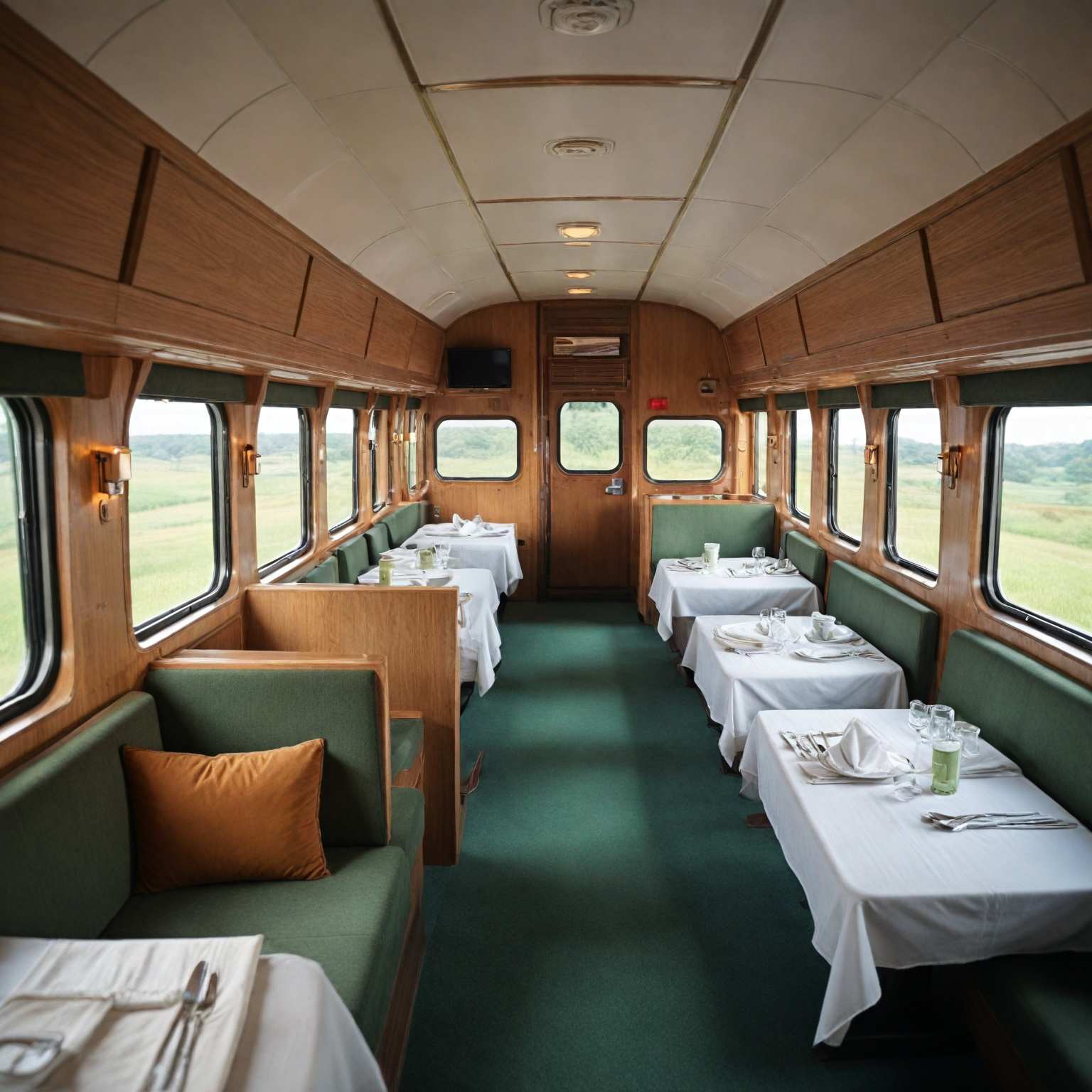
Modern sleeper trains feature upgraded cabins, including private rooms with en-suite facilities, appealing to diverse preferences. Marketing emphasizes comfort, sightseeing, and environmental benefits, aligning with slow tourism and sustainability trends. Promotion highlights cost advantages over flights, the charm of overnight journeys, and added amenities like meals. Supportive EU initiatives improve infrastructure and connectivity, enhancing service accessibility and attracting eco-conscious travelers.
Future Outlook
Sleeper trains are poised for growth amid heightened climate awareness and strategic investments in rail infrastructure, especially in Europe. EU goals aim to significantly increase high-speed and overnight rail traffic by 2050, improving interoperability and service quality. Expansion projects connect major cities and popular regions, supporting a low-carbon transport network. Outside Europe, sleeper services continue to thrive in countries like China, Russia, and India, with sustained interest in the US. Long-term success depends on continued investment, government support, and effective management to overcome past challenges.
The content is provided by Jordan Fields, Scopewires