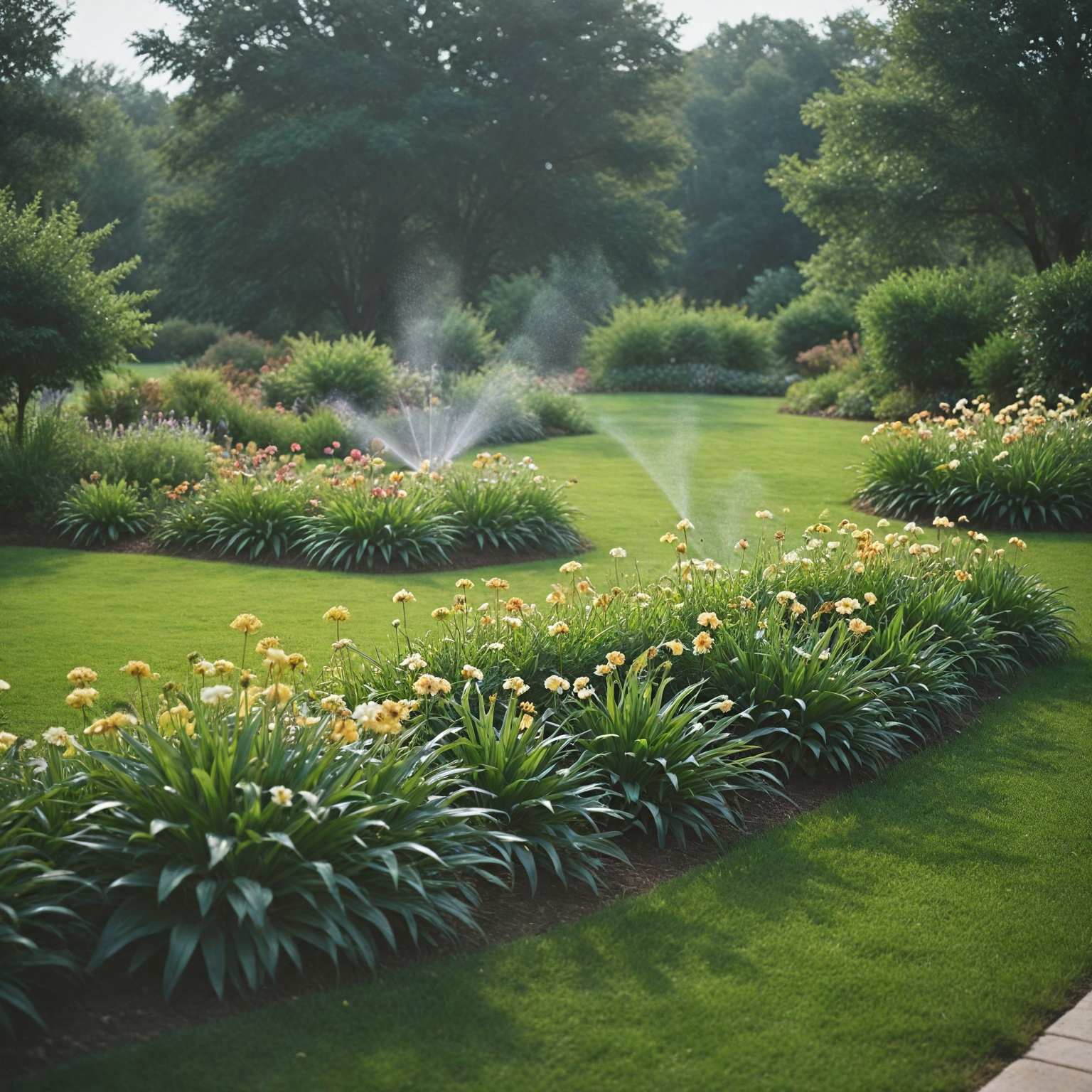
Highlights
- The guide offers a detailed comparison of various sprinkler system types, from traditional fixed spray to smart technology-enabled controllers, emphasizing the importance of choosing the right system tailored to lawn size, soil type, and climate for optimal water efficiency and maintenance.
- It discusses cutting-edge innovations like drip irrigation and smart controllers that reduce water waste by adjusting watering cycles to plant needs and local conditions, showcasing how modern sprinkler technology can promote sustainable landscape management and cost savings while supporting water conservation efforts.
- The guide addresses common challenges in sprinkler systems, such as water waste due to improper design or maintenance, and stresses the significance of routine inspections to prevent issues like clogged heads or pressure imbalances, ensuring effective irrigation while complying with local water restrictions for ecological stewardship.
Summary
The Complete Guide to Choosing a Sprinkler System for Your Lawn provides an in-depth overview of the various types of lawn irrigation systems available to homeowners, offering practical advice on selecting the most suitable system based on lawn size, soil type, climate, and budget considerations. Sprinkler systems range from traditional fixed spray and rotor heads to advanced drip irrigation and smart technology-enabled controllers, each designed to balance effective watering coverage with water efficiency and maintenance needs. This guide emphasizes how choosing the right system can promote healthy turf and landscaping while minimizing water waste and environmental impact.
A primary focus of the guide is the comparison of system types, including in-ground sprinklers with pop-up heads, impact sprinklers, oscillating sprinklers, and modern smart irrigation solutions that adjust watering schedules based on real-time weather and soil moisture data. It also covers key factors influencing system design, such as water pressure, lawn topography, and zoning, to help users optimize irrigation performance and prevent common issues like runoff and uneven watering. The inclusion of installation best practices and maintenance recommendations further supports long-term system reliability and efficiency.
The guide addresses the growing importance of water conservation in lawn irrigation, highlighting how technologies such as drip irrigation and smart controllers significantly reduce water use by tailoring watering cycles to plant needs and local environmental conditions. It also explores emerging innovations in sprinkler technology, including Wi-Fi-enabled controllers and adaptive spray patterns, which contribute to sustainable landscape management and cost savings. Through comprehensive coverage, the guide aids homeowners in making informed decisions that enhance both their lawn’s health and ecological stewardship.
Notably, the guide discusses challenges and controversies related to sprinkler systems, such as the potential for water waste when systems are improperly designed or maintained, and the trade-offs between upfront installation costs and long-term savings. It encourages awareness of local water restrictions and advocates for routine system inspections to prevent common problems like clogged heads or pressure imbalances that compromise irrigation effectiveness. By integrating technical insights with environmental considerations, the guide serves as an essential resource for anyone seeking to implement an efficient, effective lawn sprinkler system.
Types of Sprinkler Systems
Lawn sprinkler systems come in a variety of types, each designed to meet specific landscaping needs, water efficiency goals, and maintenance preferences. The most common types include fixed spray, rotor, impact, drip irrigation, oscillating, and smart sprinkler systems, each with unique features and applications.
In-Ground Sprinkler Systems
In-ground sprinkler systems consist of a network of pipes buried underground connected to a water supply. Sprinkler heads, commonly pop-up types, are installed along these pipes. When activated, the heads rise above the ground to water the lawn and retract when off, maintaining a clean lawn appearance. These systems are effective for automated watering and can include various head types such as fixed spray or rotary heads.
Drip Irrigation Systems
Drip irrigation differs fundamentally from typical sprinklers by delivering water directly to the soil through hoses pierced with tiny holes. This method allows for slow, precise watering, which reduces water waste and is especially beneficial for gardens and planting beds. Drip systems can be integrated into underground irrigation setups and are highly efficient for targeted watering needs.
Fixed Spray Sprinklers
Fixed spray sprinklers, also known as spray heads, distribute water in a consistent fan-shaped pattern over a fixed area, typically covering distances less than 15 feet. These sprinklers pop up above the ground when activated and retract when not in use, providing even water distribution with a low spray angle ideal for small to medium-sized lawns and gardens. They are often automated and deliver a precise, uniform coverage but tend to use more water than rotary systems for the same area.
Rotor and Rotary Sprinklers
Rotor sprinklers, sometimes called rotary sprinklers, operate by rotating streams of water over a larger area, typically covering distances between 15 and 35 feet. They distribute water more slowly and evenly than spray heads, reducing runoff especially on sloped or clay soil landscapes. Rotary heads produce multiple rotating water streams and fit onto smaller spray head bodies, generating less mist and improving water efficiency. Part-circle rotary models can be adjusted to throw water between 20 and 360 degrees, offering versatility for irregularly shaped lawns.
There are two primary types of rotor heads: impact and gear-driven. Impact rotors produce a characteristic ticking sound and can cover a radius of up to 80 feet, making them suitable for larger areas. However, smaller pop-up versions are available for more discreet installations.
Impact Sprinklers
Impact sprinklers use a spring-loaded arm to interrupt the water stream intermittently, rotating the spray over a wide area. Known for their durability and wide radius coverage, they are suitable for medium to large lawns but may produce uneven watering patterns compared to rotary and fixed spray heads. Their operating mechanism is often visible above ground but smaller pop-up variants exist.
Oscillating Sprinklers
Oscillating sprinklers are among the six most popular types of sprinklers and are well-suited for medium-sized lawns. They move back and forth in a rectangular pattern, delivering water evenly over the area. These sprinklers distribute water more slowly than impact models, making them effective in reducing runoff on slopes and in heavy soils. Their simple design and ease of use make them a favorite for many homeowners.
Smart Sprinkler Systems
Smart sprinkler systems incorporate technology such as sensors and programmable controllers to optimize watering schedules and zones based on real-time environmental data. These systems improve water efficiency by minimizing waste and adapting to weather conditions, thereby reducing ecological footprints and operating costs.
Choosing the Right Sprinkler System
Selecting the appropriate sprinkler system depends on factors such as yard size and shape, soil type, water pressure, climate, and budget. For example, rotor heads are recommended for larger areas or slopes to prevent runoff, while fixed spray heads suit smaller spaces. Drip irrigation is ideal for precise watering of gardens, and smart systems offer enhanced efficiency through automation.
Understanding these types and their respective advantages enables homeowners to design an effective irrigation strategy that balances coverage, efficiency, and maintenance requirements.
Sprinkler Heads
Sprinkler heads are a critical component of any irrigation system, responsible for delivering water to lawns and gardens efficiently and evenly. They come in various types, each suited to different lawn sizes, terrains, and watering needs.
Types of Sprinkler Heads
Multiple Stream Sprinkler Heads
Multiple stream sprinkler heads produce thin streams of water that apply water at a slower rate, making them more water-efficient compared to fixed-spray heads. They are particularly useful for medium-sized lawns, ground covers, slopes, and uneven terrain, as they provide even water distribution with a low spray angle. These heads are pop-up types, emerging above the ground during operation and retracting afterward, which helps protect them from damage.
Fixed Spray Heads
Fixed spray heads are designed to cover smaller areas, typically reaching 5, 10, or 15 feet in radius. They spray water in a specific, stationary pattern based on the nozzle attached. While common and generally inexpensive, fixed spray heads have a relatively high irrigation rate and are more prone to clogging. They are often used near patios or hardscaping where water runoff must be minimized. However, they can be easily damaged by lawnmowers or foot traffic and may require frequent maintenance to prevent clogging or failure to pop up properly.
Rotor and Gear Drive Heads
Rotor sprinkler heads cast one or more streams of water that rotate in a full or partial circle, making them suitable for medium to large lawns. Gear drive rotors utilize an internal mechanism to rotate quietly and are usually pop-up models. Depending on the model, they can irrigate areas up to a 55-foot radius. Some gear drive heads offer single or dual streams, with features such as misting near the head to gently water newly seeded areas.
Pop-up Sprinklers
Pop-up sprinklers are the most common type used in in-ground systems. These heads remain hidden underground when not in use and rise above ground level during watering cycles, providing protection from damage and a clean lawn appearance. They offer even water distribution and are available in various styles to suit different landscape requirements.
Efficiency and Maintenance Considerations
Efficiency varies widely among sprinkler head types. Fixed spray heads typically operate at 50-65% efficiency, while rotors range between 60-75%. More advanced systems like drip irrigation and smart sprinkler systems can achieve efficiency levels as high as 80-90% by reducing evaporation and optimizing watering schedules. Proper spacing—often employing a “head-to-head watering” design where spray from one sprinkler overlaps the next—helps ensure uniform coverage and minimizes dry spots.
Maintenance is crucial to keep sprinkler heads functioning optimally. Fixed spray heads are susceptible to damage from lawn equipment and clogging, which can prevent them from extending or spraying correctly. Regular inspection and cleaning help prevent these issues. Additionally, spray heads tend to produce mist at water pressures above 45 PSI, which can reduce performance, so pressure regulation is important for maintaining efficiency.
Placement and Design Factors
When installing sprinkler heads, it is essential to consider factors such as sunlight exposure, soil type, plant watering needs, and lawn topography. Shady areas generally require less water, while slopes and uneven ground may need specialized heads like multiple stream sprinklers to prevent runoff and pooling. Proper planning of sprinkler head placement enhances watering effectiveness and reduces water waste.
Cost and Installation
Sprinkler heads vary in price from as low as $2 to $30 or more depending on quality and features. While higher-quality heads may have a higher initial cost, they often reduce maintenance expenses over time. Installation costs also vary, with fixed spray heads requiring more pipe, trenches, and valves compared to rotor systems. Modern sprinkler heads increasingly offer smart features, including Wi-Fi compatibility and smartphone control, allowing for automated, precise watering schedules.
Factors to Consider When Choosing a Sprinkler System
Selecting the appropriate sprinkler system for a lawn involves evaluating several key factors to ensure effective watering, water conservation, and cost efficiency. These considerations include soil type, lawn size and shape, climate conditions, water pressure, system components, and budget.
Lawn Size and Shape
The size and shape of the lawn play a pivotal role in determining the sprinkler system’s design. Medium-sized rectangular lawns often benefit from oscillating sprinklers that provide even coverage, while small circular areas may be better served by stationary or fixed spray sprinklers. Larger properties typically require rotary or rotor sprinkler heads capable of covering wide areas with each rotation. Additionally, oddly shaped areas and borders may need specialized sprinkler heads to avoid dry spots and overwatering in adjacent zones such as shrubs and trees.
The layout design commonly employed is ‘head-to-head watering,’ where each sprinkler’s spray overlaps with neighboring sprinkler heads to ensure uniform water distribution.
Soil Type and Water Absorption
Different soil types absorb and retain water at varying rates, significantly influencing sprinkler choice and watering schedules. The three primary soil categories homeowners encounter are clay, sand, and loam. Clay soils hold water longer, necessitating slower, less frequent watering to prevent overwatering and runoff. Conversely, sandy soils drain quickly and require more frequent but shorter watering sessions. Understanding your soil’s infiltration rate—the speed at which water penetrates the soil—is crucial for matching sprinkler output to soil absorption capacity and avoiding water waste or damage caused by runoff and erosion.
If unsure of soil type, conducting a soil test is recommended, which typically involves collecting a moistened sample from the watering depth and assessing its texture by hand.
Climate and Environmental Conditions
Local weather conditions, including temperature, humidity, rainfall, and wind, influence sprinkler system effectiveness and must be factored into system selection and configuration. For instance, in windy areas, sprinkler heads may need adjustment to prevent water drift, while hot and dry climates may benefit from automated irrigation systems with smart controls that optimize watering schedules and conserve water.
Water Pressure and System Components
Home water pressure is a critical consideration as different sprinkler types require varying pressures for optimal operation. Components such as controllers, valves, and piping also affect system performance and maintenance costs. Controllers allow for programmable watering schedules and zoning, which can improve efficiency. High-quality materials in piping and valves can reduce long-term maintenance expenses.
The number of zones incorporated into a system directly impacts the overall cost, with each additional zone potentially adding $500 to $1,000 to the installation price.
Cost and Budget
Budgetary constraints often influence sprinkler system choice. Installation costs vary widely depending on the system type, lawn size, complexity, and whether the installation occurs in new or existing properties. Installing in new builds generally costs less due to fewer obstacles such as established roots or old water lines. On average, the cost ranges from $0.20 to $1 per square foot, with total costs between approximately $1,639 and $3,573 for an average quarter-acre lawn.
Cost-saving strategies include initially opting for less expensive sprinkler heads and components, with the possibility to upgrade later. However, lower-quality parts may require more frequent replacement.
Water Conservation and Property Value
Modern sprinkler systems increasingly incorporate water-saving technologies such as rain sensors and smart controllers that tailor irrigation to actual lawn needs, reducing waste. Besides conserving water, well-designed sprinkler systems can enhance curb appeal and potentially increase property value by $5,000 to $15,000, making the investment beneficial beyond just lawn health.
Maintenance Considerations
Establishing a regular maintenance plan is essential to ensure the sprinkler system operates efficiently and lasts longer. Routine checks of all components, including sprinkler heads, valves, and controllers, help prevent water loss and uneven watering patterns.
Design and Technical Considerations for System Layout
Designing an efficient sprinkler system involves several technical and environmental factors to ensure optimal watering coverage and water conservation. One of the foundational steps is dividing the lawn into zones based on sunlight exposure, soil type, elevation, and plant water requirements. Shady areas generally require less water than those exposed to full sun, while different plants demand varying moisture levels, necessitating careful grouping and zoning for effective irrigation.
The selection and placement of sprinkler heads are critical to achieving uniform water distribution. The most common layout method is “head-to-head watering,” where the spray from one sprinkler reaches the adjacent sprinkler head to minimize dry spots. However, even with 100% overlap, the outer third of a sprinkler’s radius typically receives only about half the precipitation of the inner two-thirds, meaning some areas may still be under-watered unless heads are placed closer together. This uniformity issue can lead to overwatering in certain zones to compensate for dry spots, resulting in water waste.
Sprinkler heads come in various types tailored to lawn size and layout. Fixed spray heads emit a steady fan-shaped spray, best suited for small lawns, shrubbery, and ground cover, while rotor heads rotate 360 degrees and cover larger areas, making them ideal for expansive lawns. The choice between spray and rotor heads depends largely on the size and shape of the irrigated area, available water pressure, and the specific watering goals of the user. For example, rotors are effective for lawns over 30 square feet and can be spaced up to 100 feet apart, whereas fixed spray heads operate best in smaller, more confined areas.
Water pressure is another essential factor in system design. Most residential sprinkler heads function optimally between 30 and 50 PSI, with spray and rotary heads generally performing better under 40 PSI. Measuring water pressure with a pressure gauge helps determine the appropriate heads and settings for efficient operation. Additionally, environmental conditions such as wind can affect water distribution, requiring adjustments in head placement and watering schedules to prevent water loss due to drift.
Soil type influences irrigation frequency and duration. Clay soils retain moisture longer, calling for shorter and less frequent watering cycles, whereas sandy soils drain quickly and need more frequent applications. Incorporating rain sensors and smart controllers can further enhance water conservation by adjusting irrigation based on weather and soil moisture conditions.
Finally, while underground systems offer the advantage of automated and concealed watering, they may present challenges in
Installation Process
Installing a sprinkler system involves several key steps and considerations to ensure efficient and effective irrigation of your lawn. The system primarily consists of pipes buried underground connected to a water supply, with sprinkler heads inserted into these pipes. When activated, the heads pop up to distribute water evenly across the lawn and garden areas. Pop-up sprinklers are the most common type used in in-ground systems.
The cost of installation can vary significantly depending on whether the property is a new build or an existing home. Installing a sprinkler system in a newly built home generally costs between $0.20 to $1 per square foot and tends to be less expensive because there are no existing root systems or old water lines to navigate. In contrast, retrofitting an older home with established landscaping can increase installation complexity and cost. Hiring a professional installer is often recommended to avoid issues such as leaks, inadequate coverage, or damage to utility lines. Professional installation typically costs about $0.60 per square foot.
Designing the system is a crucial phase that involves analyzing factors like the size of the irrigated area, wind patterns, shade, elevation changes, and the specific goals for watering. The choice between different types of sprinkler heads, such as fixed spray heads that distribute water in a fan-shaped pattern or rotors that can rotate 360 degrees to cover large areas, depends on these considerations. For instance, turf rotors are suited for large lawns and can be spaced up to 100 feet apart, providing extensive coverage with a high water output rate.
To create an efficient and cost-effective irrigation system, careful planning and layout design are necessary. Tools such as personalized sprinkler design services can help map out unique landscape areas and optimize water distribution, saving time, money, and water in the long term.
Once installation is complete, acceptance testing must be conducted to ensure the system meets safety and operational standards. This includes testing drainage facilities, water supplies, and protection of piping against freezing and corrosion. Proper maintenance is equally important; routine inspections, annual cleanings, and professional checkups help prevent common problems like clogged pumps and leaks, ensuring the system functions well throughout the irrigation season.
Maintenance and Troubleshooting
Proper maintenance is essential to ensure that a sprinkler system operates efficiently and has a long lifespan. Regular upkeep helps prevent costly issues such as clogged pumps, leaking pipes, and malfunctioning sprinkler heads, which are common due to the numerous small moving parts in irrigation systems. It is recommended to inspect your sprinkler system at least once per season, especially during weather transitions, and to schedule professional maintenance visits annually or biannually, ideally when turning the system on or off for the season.
Routine Maintenance Tasks
Homeowners can perform most routine maintenance tasks themselves, such as clearing debris from sprinkler heads, checking for leaks, and ensuring proper water pressure. However, periodic professional inspections are advisable to identify and fix less obvious problems before they worsen. Typical maintenance activities include flushing the system to clear valves, replacing or adjusting sprinkler heads, and cleaning the sprinkler controller box to prevent pest infestations.
Annual maintenance costs typically range between $130 and $400, with additional expenses for winterizing systems in colder climates to protect pipes from freezing and corrosion. Winterizing involves draining dry pipes completely to avoid damage, an important consideration in regions with freezing temperatures.
Common Issues and Troubleshooting
Several issues commonly affect sprinkler performance:
– Clogged or damaged spray heads: Fixed spray heads often suffer damage from lawnmowers, foot traffic, or clogging by dirt and debris. Regular inspection ensures they pop up and operate correctly.
– Poor water pressure: Low water pressure may result from partially closed valves, broken water links, leaks, or blockages within the system. Checking the backflow preventer valve, main water valves, and heads can help diagnose these problems.
– Uneven watering: Poor uniformity in watering coverage can lead to dry patches or overwatering, which wastes water and damages the lawn. Different sprinkler types require tailored scheduling; for example, fixed spray systems benefit from short, frequent cycles with soak periods, while rotor systems need longer runtimes but fewer cycles.
Adjustments to sprinkler head placement may also be necessary in areas with strong winds or uneven terrain to minimize water waste and runoff.
Preventive Tips
To avoid common problems and optimize performance:
– Schedule at least two thorough cleanings annually—typically in late fall and late spring—to remove clogs and prepare the system for seasonal changes.
– Mark sprinkler nozzle positions during maintenance to maintain coverage accuracy.
– Monitor water pressure and ensure it does not exceed 45 PSI for spray heads, as higher pressure causes misting and poor performance.
– Be mindful of local water restrictions and regulations, which may affect sprinkler usage and system choices depending on your location.
By following these maintenance and troubleshooting practices, you can extend the life of your sprinkler system, conserve water, and maintain a healthy, lush lawn year-round.
Environmental and Water Conservation Considerations
Proper selection and management of sprinkler systems play a crucial role in promoting water conservation and protecting the environment. Mismatched or inefficient sprinkler systems can lead to dry patches on lawns, excessive water waste, and increased utility bills, undermining both environmental and economic goals. Advanced sprinkler technologies have emerged as effective tools to address these issues by optimizing water use while maintaining healthy landscapes.
One key factor in conservation is ensuring that water is applied at a rate the soil can absorb. Overwatering or applying water faster than the soil’s intake capacity causes runoff, erosion, and soil puddling, all of which result in wasted water and potential damage to the environment. To combat this, irrigation strategies such as the “cycle and soak” method—dividing watering into multiple shorter sessions to allow water absorption—are recommended to reduce runoff and improve efficiency.
Different sprinkler types require tailored watering schedules to maximize efficiency. Fixed spray systems benefit from shorter, more frequent cycles with soak periods, while rotor systems require longer runtimes but fewer cycles. Drip irrigation, in particular, uses longer, less frequent watering sessions to promote deep root growth and conserve water. Additionally, adapting watering schedules according to plant establishment stages, seasonal changes, and rainfall is vital to avoid unnecessary water use.
Modern advancements in sprinkler technology, especially smart irrigation systems, have further enhanced environmental stewardship. Smart controllers can integrate with Wi-Fi networks and be controlled remotely via smartphones or voice-activated home assistants like Google and Alexa, enabling users to monitor and adjust watering precisely and responsively. These systems can also incorporate wireless soil moisture sensors to optimize water application, thereby supporting both indoor and outdoor water conservation efforts.
Furthermore, microsprinklers and drip irrigation systems reduce water usage by up to 70% compared to traditional methods. These technologies not only lower operational costs but also contribute to sustainable agricultural and landscaping practices essential in the face of global water scarcity and environmental challenges. However, users must remain vigilant, especially with overhead irrigation systems, to avoid saturating the soil during wet weather, which can negate conservation efforts.
Advantages and Disadvantages of Different Systems
Different types of sprinkler and irrigation systems offer various benefits and drawbacks depending on their design, purpose, and installation complexity.
Drip Irrigation Systems
Drip irrigation uses hoses with tiny holes that slowly deliver water directly into the soil, targeting plants’ root zones. It typically supplies one to four gallons of water per hour and is ideal for gardens and planting beds.
Advantages:
– Highly water-efficient with minimal loss due to evaporation or runoff.
– Ideal for small yards, individual plants, or gardens requiring precise watering.
– Reduces weed growth by limiting water to targeted areas.
Disadvantages:
– Generally not suitable for large lawns or areas requiring broad coverage.
– Requires careful installation and periodic checks to prevent clogging of emitters.
In-Ground Sprinkler Systems
In-ground sprinkler systems consist of pipes buried underground connected to sprinkler heads that pop up when activated to water lawns and gardens evenly. These systems are often automated, controlled by timers or smart controllers like the Rain Bird ARC Series, which can be managed remotely via smartphone apps or integrated with smart-home devices such as Google Assistant and Alexa.
Advantages:
– Provide even and efficient watering coverage across large lawns and landscaping areas.
– Hidden when not in use, maintaining an unobstructed yard appearance.
– Automated control allows for customizable watering schedules and remote adjustments for convenience.
Disadvantages:
– More complex and costly to install compared to simple hose-end sprinklers.
– Requires periodic maintenance of controllers, piping, valves, and sprinkler heads to ensure optimal operation and longevity.
– Some areas may receive insufficient water if sprinkler placement is not optimized, often requiring “head-to-head watering” layouts for best results.
Hose-End and Portable Sprinklers
The simplest and most common irrigation method involves hand watering with a garden hose or using portable sprinklers.
Advantages:
– Low initial cost and easy to set up without specialized equipment.
– Allows for precise control to avoid overwatering individual plants.
Disadvantages:
– Labor-intensive and less practical for larger lawns or frequent watering needs.
– Less efficient than automated systems and may lead to inconsistent watering coverage.
Latest Innovations and Smart Technologies
Smart sprinkler systems have seen significant advancements in recent years, particularly in 2023, as part of the broader trend toward environmentally friendly and efficient smart home technologies. These innovations focus on optimizing water usage and improving ease of control, thereby promoting sustainable lawn care practices.
One of the most notable developments is the integration of smart sprinkler controllers that automatically adjust irrigation schedules based on real-time local weather data. These systems use information such as rainfall, wind, and temperature forecasts to skip watering on days when it is unnecessary, preventing water waste and reducing utility costs. This weather-responsive functionality is a major step forward from earlier sprinkler systems, which operated on fixed schedules regardless of environmental conditions.
In addition to weather-based automation, smart sprinkler controllers like the Rain Bird ARC Smart WiFi controller offer user-friendly interfaces with multiple independent programs. These allow homeowners to customize watering times for different zones, accommodating varying sunlight exposures and lawn requirements within a single property. Such flexibility enhances the precision of irrigation, ensuring each area receives the appropriate amount of water.
Beyond stationary controllers, novel devices like traveling sprinklers provide automatic watering without the need for permanent installations. Powered by water pressure, these wheeled sprinklers move along garden hoses, making them a cost-effective option for flexible lawn care.
Further innovations include digital technology-driven systems such as the Irrigreen smart sprinkler system. These use software-based control to deliver water precisely where needed, employing customizable spray patterns that cover large areas efficiently. This approach reduces water waste by replacing traditional mechanical zones with intelligent, adaptive irrigation management.
The content is provided by Jordan Fields, Scopewires