Highlights
- Vancouver's retirement villages offer a diverse range of services and amenities tailored to enhance seniors' quality of life, from social engagement opportunities to specialized care levels, providing a vibrant community setting for older adults to thrive in.
- Emphasis on safety, sustainability, and accessibility in retirement villages in Vancouver results in environmentally responsible designs, LEED® Platinum certifications, and adherence to stringent regulations and care standards, ensuring residents' well-being and security are prioritized.
- Cost of living in Vancouver's retirement villages varies, with market-driven prices reflecting factors like location and amenities, but publicly subsidized assisted living options aim to improve affordability for seniors, encouraging prospective residents to evaluate services and lifestyle benefits in addition to pricing.
Summary
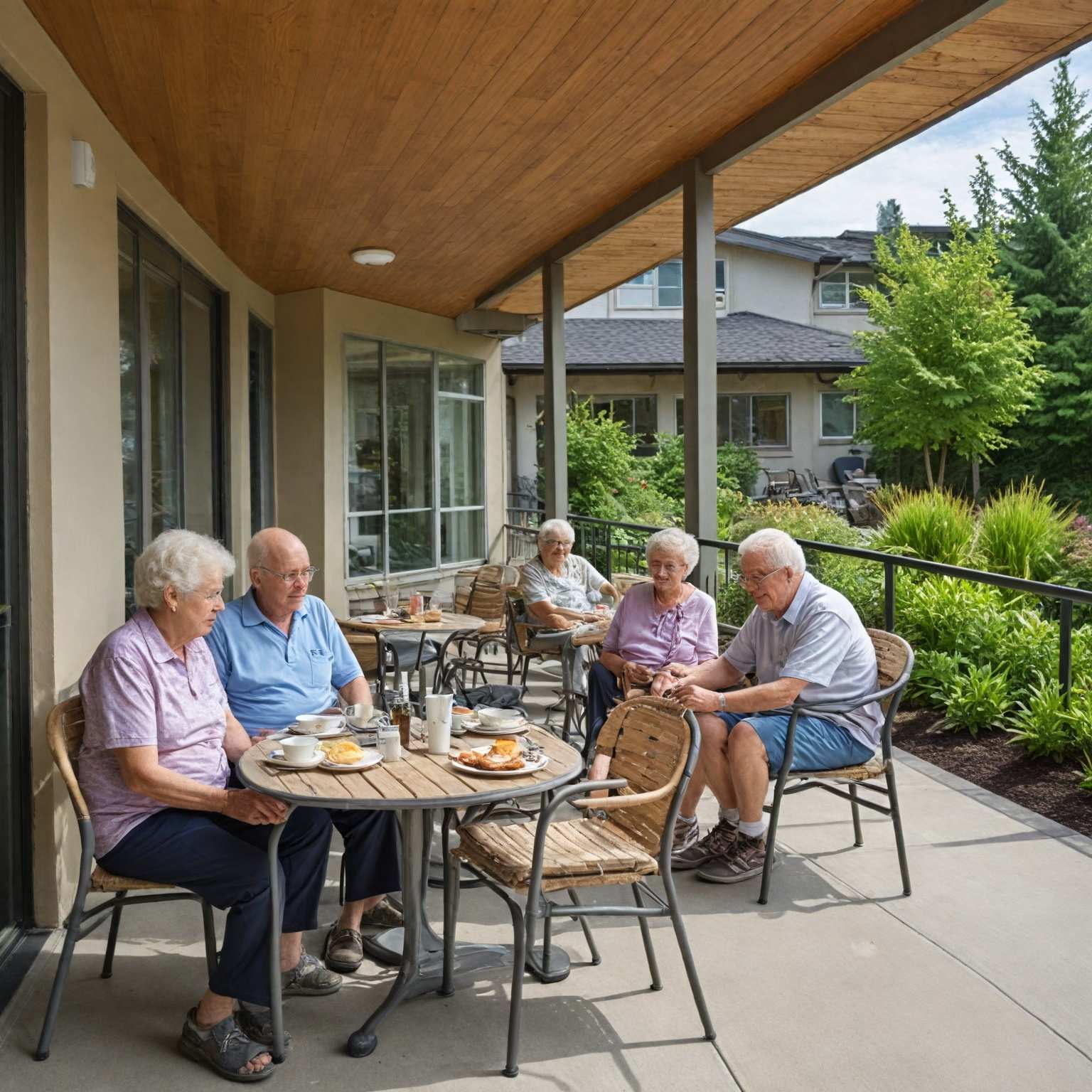
Retirement village living in Vancouver encompasses a diverse range of residential communities designed to support seniors in maintaining active, independent, and fulfilling lifestyles. These communities offer not only housing but also social engagement opportunities, wellness programs, and amenities tailored to enhance quality of life for older adults. They often include varying levels of care, such as independent living, assisted living, memory care, and respite services, allowing residents to receive personalized support as their needs evolve while remaining integrated within a vibrant community setting.
Vancouver’s retirement villages are notable for their emphasis on safety, accessibility, and sustainability. Many facilities incorporate environmentally responsible designs and promote energy-saving initiatives, with some earning recognitions like LEED® Platinum certification. Additionally, local regulations and provincial codes govern building standards and care quality to ensure residents’ well-being and security. These frameworks address challenges such as accommodating diverse care requirements and maintaining compliance with licensing and safety protocols.
The cost of retirement village living in Vancouver varies widely depending on factors including location, level of care, amenities, and ownership structure. While market-driven prices can be high due to Vancouver’s real estate market, publicly subsidized assisted living fees are income-based, designed to improve affordability. Prospective residents are encouraged to consider the full spectrum of services and lifestyle benefits alongside pricing, as costs do not always correlate directly with quality of care.
Despite the many benefits of retirement villages—such as social connection, comprehensive care options, and enriched wellness programming—residents and families face challenges including navigating complex regulatory requirements and balancing financial considerations. Ongoing developments in sustainable design, expanded housing policies, and accessibility improvements highlight Vancouver’s commitment to evolving senior living options that support dignity, independence, and environmental stewardship for its aging population.
Overview of Retirement Village Living
Retirement village living in Vancouver offers a range of lifestyle options designed to support seniors in maintaining an active, independent, and fulfilling life. These communities provide not only housing but also social engagement opportunities, wellness programs, and various amenities aimed at enhancing residents’ quality of life. For example, Legacy Senior Living in Vancouver’s Oakridge neighbourhood emphasizes creativity and connection, placing residents close to essential services and vibrant community activities.
The spectrum of services in retirement villages often includes assisted living and memory care, with support such as medication management, personal care, and access to on-call nursing. This enables residents who face physical or functional health challenges to live in a supportive environment while retaining their autonomy. Additionally, many communities offer respite care services, which provide temporary safe living arrangements for seniors when their usual caregivers are unavailable, further ensuring flexibility and comprehensive care.
Retirement villages commonly feature amenities that contribute to a well-rounded lifestyle, such as on-site management, residents’ committees, medical alert systems linked to external call centres, hairdressing salons, and even vegetable gardens. Some communities provide storage options for personal vehicles like boats or caravans, catering to diverse resident interests and needs. Furthermore, many retirement communities support pet ownership, acknowledging the importance of companionship for seniors who can care for their animals independently.
Cost-wise, retirement living in Vancouver and nearby areas such as Coquitlam varies widely, reflecting the diversity of available options and services. Investing in a retirement home is not solely about accommodation but about gaining access to a lifestyle enriched by social activities, wellness initiatives, and supportive services tailored to seniors’ evolving needs. This comprehensive approach to senior living underscores the growing emphasis on creating aged-friendly environments that promote inclusion, accessibility, and sustainability within urban settings.
Retirement Villages in Vancouver
Retirement villages in Vancouver offer a variety of living options designed to meet the diverse needs and preferences of seniors. These communities emphasize safety, comfort, and social engagement, providing an environment where residents can enjoy their retirement years with peace of mind and a sense of belonging.
Many retirement villages focus on independent living, where seniors can maintain their autonomy while having access to supportive services if needed. For example, communities like Chelsea Park and Sunnyside Manor provide welcoming atmospheres with all-inclusive services, freshly prepared meals, and opportunities for socialization and friendship-building. Others, such as Granville Gardens and Magnolia Gardens, combine independent living with additional care options, including assisted living and complex care, allowing residents to customize the level of support based on their changing needs.
Several retirement villages also prioritize wellness and active lifestyles. Berwick on the Lake offers resort-style living with red seal chef-prepared meals and comprehensive wellness programs, creating an engaging and health-focused environment for seniors. The Springs at the Waterfront similarly highlights vibrant community life with exceptional dining and engaging programs, supporting residents as they age in comfort.
Sustainability and energy efficiency are increasingly important features within Vancouver’s retirement villages. Some communities, inspired by green building concepts, have earned recognitions such as LEED® Platinum status for their environmentally responsible designs, ensuring high-quality living conditions while reducing energy consumption.
In terms of regulatory considerations, the City of Vancouver aligns local building requirements for retirement residences with provincial codes to ensure safety and accessibility. Building regulations are developed to support expanded housing opportunities for elderly people while harmonizing with existing zoning and development policies. These measures help maintain standards across residential and commercial zones, facilitating the growth of retirement living options throughout the city.
Services and Amenities Offered
Retirement communities in Vancouver provide a wide range of services and amenities tailored to meet the varying needs of seniors, from independent living to assisted and memory care. Many communities offer comprehensive care packages that include basic exercise programs, wellness centers, medical administration, and specialized support for dietary and mobility restrictions. These care packages are designed to be flexible, allowing residents to adjust the level of care they receive as their needs change, with streamlined access to higher levels of medical care when necessary.
Assisted living residences cater to adults who are capable of living independently but require a supportive environment due to physical or functional health challenges. These services often encompass housing, hospitality, and regulated assisted living care. Optional additional services may be available for an extra fee, covering tasks that residents might not be able to manage themselves. Furthermore, many retirement homes also accommodate pets, recognizing their importance to residents’ well-being.
The amenities within these communities are designed to promote an active and engaging lifestyle. Facilities often include spas, exercise rooms, swimming pools, media rooms, computer labs, and communal areas such as dining rooms and meeting grounds for social activities. Social and recreational programs, including arts and cultural activities, wellness programs, and group classes like painting and singing, are common features intended to enhance quality of life and encourage community engagement.
Dining services are a prominent aspect, with many retirement homes offering chef-prepared meals served in communal dining areas, providing residents with nutritious options and opportunities for socialization. Regular housekeeping and laundry services are typically included, enabling residents to focus on their interests without the burden of daily chores.
Safety and well-being are prioritized through professional staff availability 24/7, tailored health and wellness programs, and secure living environments. Some communities also provide respite care and short-term stays for seniors recovering from illness or surgery, ensuring continuity of care without disrupting family caregivers.
In addition to physical amenities and care services, many Vancouver retirement communities emphasize sustainability and environmental stewardship, encouraging residents to participate in energy-saving and eco-friendly initiatives. Overall, these offerings collectively contribute to an enriched, supportive, and fulfilling lifestyle for seniors living in Vancouver retirement villages.
Costs and Pricing Structures
The costs associated with retirement village living in Vancouver are influenced by a variety of factors, including location, level of care required, ownership structure, amenities offered, and additional services selected. Vancouver, known for having some of the most expensive real estate in Canada, typically commands higher prices compared to other regions such as Kelowna.
Assisted living services in British Columbia, including those offered in retirement communities, often charge a monthly rate based on the resident’s income and that of their spouse, if applicable. This rate is calculated as 70 percent of the resident’s after-tax income, subject to minimum and maximum thresholds, particularly for publicly subsidized services. Beyond the base monthly fee, residents may incur additional charges for optional services, such as hydro and heating, which can cost up to $18 per month per assisted living unit. One-time fees like refundable security deposits, usually based on half the client rate for the unit, may also apply.
Market-driven retirement homes in Vancouver can vary widely in price depending on their level of care. For example, rates at some residences start around $2,645 per month for a single suite and increase for dual occupancy. Assisted living facilities and nursing homes tend to be more expensive, with assisted living starting at approximately $4,000 per month due to the higher level of care and support provided. Despite the costs, it is recommended that potential residents compare communities based on their offerings and suitability rather than price alone, as higher cost does not necessarily guarantee better care or amenities.
Additional amenities in retirement communities, such as spas, exercise rooms, swimming pools, and social gathering spaces, contribute to overall pricing but enhance residents’ quality of life. Moreover, optional services and administrative fees for tasks normally expected to be handled by residents can further affect the total cost.
Financial Assistance and Payment Options
Assisted living services in Vancouver typically require residents to pay a monthly rate that is determined based on their income, including the income of a spouse if applicable. The fee is calculated by applying 70 percent to the resident’s after-tax income, as defined in the Continuing Care Fees Regulation. This monthly rate is subject to both minimum and maximum limits to ensure affordability for clients receiving publicly subsidized assisted living services.
In addition to the base monthly fee, residents may be charged additional fees for optional services that go beyond the standard offerings. For example, some assisted living providers may impose extra charges for utilities such as hydro and heat, capped at a maximum of $18 per month per unit. There may also be a one-time refundable security deposit required, which is typically based on half the monthly client rate for the assisted living unit.
To assist seniors in managing costs associated with home modifications for accessibility, certain provinces and territories offer programs, benefits, or tax credits. These initiatives aim to support seniors in making necessary adjustments to their living environments, thereby enhancing their ability to live independently and safely.
Benefits of Retirement Village Living
Retirement village living offers seniors more than just a place to reside; it provides a comprehensive lifestyle designed to enhance their wellbeing and quality of life. Many retirement communities emphasize social engagement, wellness programs, and recreational activities, fostering a vibrant and active environment for residents. This focus on community and enrichment helps residents maintain social connections and mental stimulation, which are critical components of healthy aging.
In addition to social and recreational benefits, retirement villages often provide a range of care services tailored to the changing needs of seniors. For example, some communities offer respite care for short-term stays, assisting those recovering from illness, injury, or surgery, and include access to assisted living and complex nursing care if necessary. This continuum of care ensures that residents can receive professional support without needing to relocate, promoting stability and peace of mind.
Moreover, retirement villages aim to create a purposeful living environment where seniors can engage fully in community life with energy and confidence. Specialized teams within these communities are dedicated to meeting individual needs with respect and care, offering opportunities for socialization, life enrichment, and personal growth. Residents often find themselves inspired and energized through activities such as live music, games, and other communal experiences.
Sustainability and stewardship of natural resources also feature prominently in some retirement village models. Certain communities encourage residents to participate actively in sustainability efforts, which not only benefit the environment but also enhance residents’ sense of contribution and community responsibility. Recognition for such initiatives has come from organizations like the U.S. Department of Energy, highlighting achievements in energy-saving practices within retirement housing.
Together, these benefits illustrate how retirement village living encompasses more than housing—it offers a holistic lifestyle that supports physical health, emotional wellbeing, social interaction, and environmental consciousness for seniors.
Challenges and Considerations
Retirement village living in Vancouver presents several challenges and considerations that affect residents, providers, and policymakers. One major issue is the need for appropriate building regulations tailored to independent and assisted living facilities. The Province of British Columbia has recognized the importance of developing specific codes and better resident profiles to address safety, accessibility, and suitability concerns in these types of residences, similar to regulations for special needs residential facilities. The Vancouver Building By-law also includes accessibility requirements, such as mandating accessible routes in multiple unit residential buildings, to ensure persons with disabilities can navigate living spaces comfortably.
Cost is another significant consideration. Assisted living services that are publicly subsidized require residents to pay a monthly fee based on their income, calculated as 70 percent of after-tax income, subject to minimum and maximum limits. However, costs for retirement homes in Vancouver vary widely due to market-driven factors including location, ownership, level of care needed, and additional amenities or services provided. This variability can make it difficult for prospective residents and their families to budget and plan effectively.
Licensing and regulatory compliance also pose challenges. All community care and assisted living facilities must adhere to the Community Care and Assisted Living Act as well as Residential Care Regulations, requiring a community care facility license for any program serving three or more unrelated persons. Ensuring ongoing compliance involves rigorous oversight and can impact operational costs and service delivery.
Social and emotional considerations are also critical. Many couples require different levels or types of care, and finding accommodations that allow partners to live together without separation can be challenging. Additionally, while most residents live independently, they often need flexible access to varying levels of care, such as memory support or enhanced wellness programs, which must be seamlessly integrated into the community to maintain quality of life and well-being.
These challenges highlight the complex interplay of regulatory, financial, and personal factors that influence retirement village living in Vancouver, emphasizing the need for carefully designed policies and services that accommodate diverse needs and promote residents’ independence and dignity.
Regulatory Framework and Quality Standards
Retirement village living in Vancouver operates within a comprehensive regulatory framework designed to protect the health, safety, and well-being of residents, particularly vulnerable adults. Community care facility licensing plays a central role in this framework by issuing licenses to care facilities, conducting routine monitoring and inspections, responding to complaints, and investigating allegations of unsafe, inappropriate, or abusive care—including physical, sexual, emotional, or financial abuse. This licensing process also extends to unlicensed facility complaints and involves collaboration with other agencies as necessary to ensure compliance and resident protection.
Assisted living services within retirement communities are regulated to provide housing, hospitality, and supportive care for adults who are capable of living independently but require assistance due to physical or functional health challenges. These services are delivered only through appropriately licensed facilities, ensuring adherence to health and safety standards. The Assisted Living Registry plays an essential role in maintaining these standards by overseeing service quality and compliance within assisted living residences.
In addition to health and safety regulations, the Province of British Columbia recognizes the need to establish specific building codes and regulations tailored for independent and assisted living developments. A preliminary provincial study highlighted the importance of developing such codes and acquiring detailed resident profiles to appropriately address building safety and design requirements. This initiative aligns with efforts to set clear standards for sustainable and safe practices across all new developments in Vancouver’s retirement living sector.
Evolution of Services and Living Arrangements
Retirement living in Vancouver has evolved significantly over recent years, reflecting changes in seniors’ needs and preferences as well as broader societal trends. Originally focused primarily on basic housing and hospitality services, retirement communities now offer a wide spectrum of living arrangements and care options designed to support varying levels of independence and health requirements.
Modern retirement villages provide not only accommodation but also a supportive environment that
Future Trends and Developments
One significant future development in retirement village living in Vancouver is the construction of a new 12-story community overlooking the Columbia River, scheduled to begin in early 2022. This project exemplifies the trend toward integrating sustainable and eco-friendly design in senior housing. Communities are increasingly adopting standards such as LEED certification and passive house design to meet the growing demand for environmentally responsible living options tailored for seniors.
In addition to environmental sustainability, there is a growing emphasis on economic sustainability and resident involvement. Organizations like 2Life Communities encourage residents to actively participate in stewardship of natural resources, a strategy that has earned recognition from the U.S. Department of Energy for significant reductions in energy consumption.
Urban policy in Vancouver also supports expanded housing opportunities for seniors, particularly those on limited incomes. The city is adapting zoning regulations to accommodate more diverse senior living arrangements, including introducing conditional approvals for congregate housing in various residential and commercial districts. This approach is aimed at broadening housing options while maintaining compatibility with existing neighborhood plans.
Accessibility remains a critical focus in new developments. Vancouver’s Accessible Street Design manual sets standards to ensure streets and sidewalks accommodate pedestrians with mobility and visual impairments, including wheelchair users. These accessibility measures reflect the city’s commitment to creating inclusive environments that support seniors’ independence and mobility.
Together, these trends illustrate a future where retirement villages in Vancouver prioritize sustainability, inclusivity, and diverse housing options, reflecting broader demographic shifts and policy responses to an aging population.
The content is provided by Jordan Fields, Scopewires