Highlights
- Gold prices soared above $2,900 per ounce in 2025, with projections reaching up to $10,000 by 2030.
- Consumer preferences are shifting towards affordable, ethically sourced jewelry amid rising costs and economic caution.
- A blend of bold and minimalist styles in gold jewelry reflects the growing demand for personalization and sustainability.
Summary and Market Overview
In 2025, the gold jewelry market experiences significant price increases, reaching over $2,900 per ounce early in the year, with forecasts predicting prices up to $7,000 by 2030 and potentially exceeding $10,000 long-term. Central bank purchases, investor demand, and geopolitical uncertainty drive these price dynamics, affecting consumer spending, product offerings, and regional demand. Despite higher costs, global demand remains strong but more segmented, with markets like China and Southeast Asia favoring lighter, lower-carat pieces, while traditional occasions sustain demand in India. Sustainability and ethical sourcing gain importance, especially among Millennials and Gen Z, leading brands to adopt transparency and environmentally responsible practices.
The market shows resilience amid volatility, with gold prices influenced by central bank buying, investor inflows, and economic policies. High prices have dampened consumption in some regions, prompting manufacturers to offer more affordable options. Design trends emphasize a balance between luxury and minimalism, driven by consumer desires for authenticity and personalization. Digital innovations support customized shopping and connect with younger buyers, helping the market adapt and grow despite economic challenges.
Style Trends in 2025
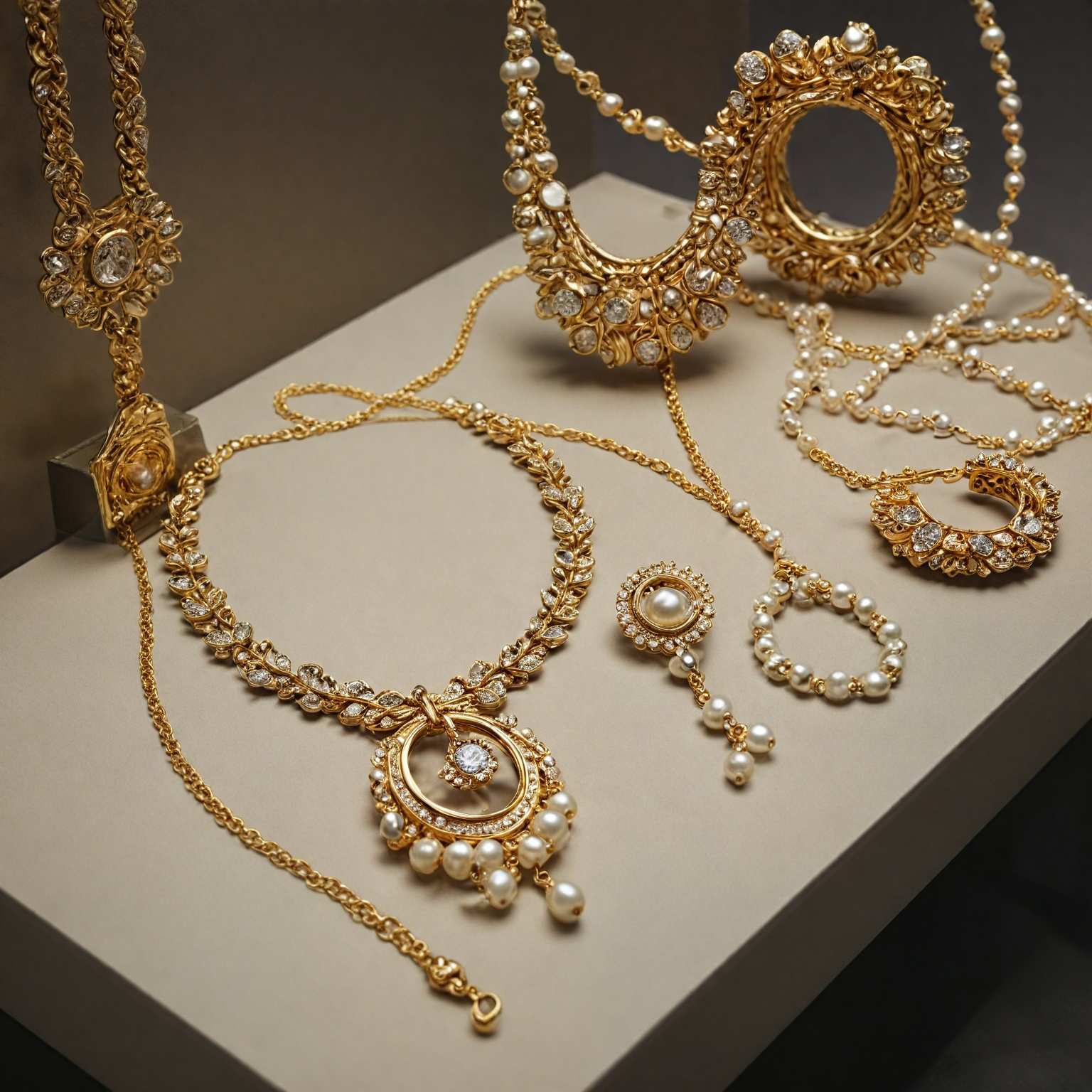
Jewelry trends in 2025 combine bold, sculptural designs with refined minimalism. Statement pieces often feature mixed metals, oversized baroque pearls, and geometric forms, while minimalism focuses on high-quality, ethically sourced gold and diamonds. Mixed metals—gold, silver, and rose gold—are popular in layered and stacked styles, allowing for personal expression. Styles also draw from edgy-boho and Rococo Revival influences, with nature-inspired motifs and earthy tones complementing bold yellow gold’s resurgence as a favored metal. These trends reflect consumer preferences for versatility, sustainability, and individuality.
Consumer Behavior and Demographics
Economic caution and rising gold prices lead consumers, especially in China and Southeast Asia, to prefer lightweight, affordable jewelry. Traditional events like weddings continue to drive demand, particularly in India and China, where gold also serves as a wealth store. Ethical sourcing is increasingly important, with Millennials and Gen Z favoring recycled metals, lab-grown diamonds, and certified conflict-free gemstones. Personalization and minimalism influence purchases, alongside growing interest in men’s jewelry. Digital shopping and social media further shape consumer engagement, supporting trends toward self-expression and sustainable choices.
Industry Developments
The $348 billion global jewelry industry, including a $78 billion U.S. market, sees growth fueled by innovation and sustainability. Digital technologies like 3D printing expand manufacturing capabilities, while about 15% of new production uses recycled metals. Consumer demand for certification and transparency is rising, with brands responding through ethical sourcing and fair labor practices. Environmental challenges, such as the impact of ocean warming on pearl supply, prompt investments in sustainable aquaculture. Collaborative efforts address human rights and labor abuses in mining, with companies minimizing environmental footprints through renewable energy and sustainable packaging. Leading sustainable brands focus on recycled materials and fair compensation, driven by younger consumers’ eco-conscious values. Bold yellow gold also marks a stylistic revival on runways.
Price Shifts and Market Effects
Rising gold prices continue to shape the 2025 market following a post-pandemic shift in consumer spending away from jewelry toward experiences. Despite price-induced declines in some regions like India, global gold jewelry demand remains strong, with 581.5 metric tons used in late 2023. Central banks’ robust gold purchases and growing investor interest sustain upward price pressure. Consumers increasingly seek ethically sourced materials, including recycled gold and conflict-free diamonds, influencing purchasing decisions. The market adapts by embracing innovation, personalization, and digital retail to meet evolving consumer values amid higher costs.
Future Outlook
Gold prices are expected to remain bullish through the mid-2020s, potentially reaching $7,000 per ounce by 2030 and exceeding $10,000 by 2040–2050, influenced by macroeconomic and geopolitical factors. While pandemic-driven demand has lessened, interest in sustainable sourcing and lab-grown diamonds continues to shape consumer behavior. Jewelry brands are enhancing environmental, social, and governance standards to meet growing expectations for corporate responsibility. Stylistically, 2025 reflects a diverse landscape where minimalism and bold designs coexist, supporting ongoing market transformation amid economic and cultural shifts.
The content is provided by Harper Eastwood, Scopewires