Highlights
- Apartment living in 2025 embraces sustainability and smart technology for enhanced comfort and efficiency.
- Growing demand for eco-friendly practices and wellness-oriented features shapes the future of urban residential designs.
- Innovations in apartment design prioritize space efficiency and community connectivity, catering to diverse lifestyle preferences.
Summary of Apartment Living in 2025
Apartment living in 2025 integrates sustainability, smart technology, and changing resident preferences, transforming urban residences into long-term, eco-friendly homes. Key trends include green building materials, energy-efficient systems, and AI-powered smart devices that enhance comfort, security, and efficiency. Demographic shifts and lifestyle changes influence design, emphasizing durability, space efficiency, and mixed-use communities. Urban policies support density and transit access, while challenges remain in data privacy, energy scalability, and housing affordability. Overall, apartment living reflects a blend of technology, sustainability, and urban planning to improve resident well-being.
Key Trends in Apartment Living
Sustainability is central, with apartments using eco-friendly materials, heat pumps, solar panels, and IoT-enabled energy management to reduce consumption and costs. Smart home technologies—such as AI-driven thermostats, lighting, and security—offer personalized control and community connectivity through digital platforms. The perception of apartments is shifting toward permanent homes, combining luxury and affordable options that prioritize convenience, health, and environmental responsibility. Urban trends include smart city integration and EV charging infrastructure, making apartments part of sustainable, connected ecosystems.
Lifestyle and Resident Profiles
Residents in 2025 are diverse, including younger singles seeking upscale urban apartments and “Perma-Renters” prioritizing stability. Nearly half of U.S. renters live in single-family homes, with 39% in multifamily buildings. Walkable, mixed-use neighborhoods attract professionals under 35, valuing proximity to amenities and transit. Apartments cater to a blend of luxury, affordability, and sustainability, reflecting evolving demographics and lifestyle preferences.
Amenities, Services, and Community Features
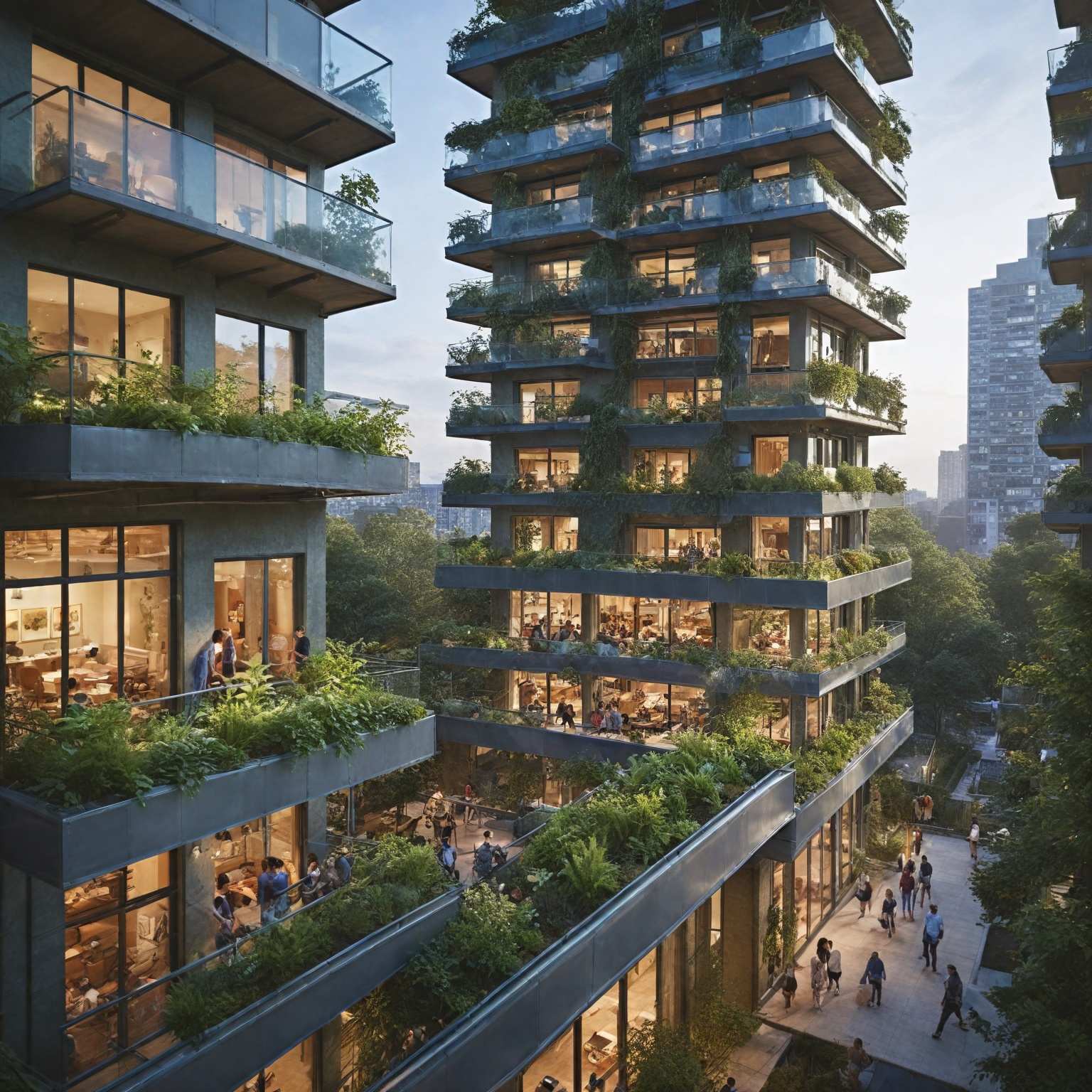
Modern apartments emphasize sustainability and wellness, offering green spaces, fitness centers, pedestrian-friendly designs, and advanced waste management systems like compactors and recycling chutes. Smart technologies support convenience and operational efficiency through smart lighting, security, irrigation, and maintenance scheduling. These amenities foster eco-conscious, connected communities that enhance resident quality of life.
Regulatory and Urban Development Context
Zoning reforms promote multifamily housing near transit, increase density, eliminate parking minimums, and streamline permitting to address affordability and sustainability. Cities like Minneapolis and Portland lead in adopting such measures, while federal incentives encourage pro-housing zoning. Increased density supports walkability, reduced emissions, and public health benefits. However, rural areas require different regulations, and balancing development with safety and affordability remains essential. Houston’s flexible zoning demonstrates how less restrictive policies can boost affordable, diverse housing.
Challenges in Smart and Sustainable Apartment Living
Integrating AI and IoT technologies raises concerns about data privacy, network security, and resident adaptation. Scalability of energy management systems remains limited, requiring further development. Successful adoption depends on ease of use and transparent property management. Sustainability features must balance cost and regulatory compliance, while waste management complexity demands expert oversight. Developers face challenges navigating evolving zoning and permitting frameworks.
Energy Efficiency Monitoring
Energy management systems use IoT sensors for real-time monitoring of utilities, enabling informed efficiency improvements. The Energy Star scoring system benchmarks building performance, aiding owners and residents. The U.S. Department of Energy promotes zero-energy buildings by 2025, emphasizing design and operation to minimize consumption.
Future Outlook
Housing demand will remain strong through 2025, with occupancy and rent growth stabilizing afterward due to demographic changes. Technological advances in AI and smart home systems will optimize energy use and enhance community management. Sustainability practices, including green materials and modular construction, will become standard. Apartments will increasingly serve as long-term homes blending luxury, affordability, and community focus. However, restrictive zoning and affordability challenges persist, prompting policies like inclusionary zoning to promote accessible housing.
The content is provided by Sierra Knightley, Scopewires