Highlights
- Discover the perfect balance of tradition and sustainability when choosing your Christmas tree this holiday season.
- Explore innovations in both real and artificial trees that cater to aesthetics, convenience, and eco-friendliness.
- Get expert tips on selecting and caring for your ideal tree to enhance your holiday celebrations in 2025.
Summary
Choosing a Christmas tree in 2025 involves balancing tradition, aesthetics, convenience, and environmental impact. Real trees like Fraser Fir, Balsam Fir, and Douglas Fir offer authentic looks, fragrances, and sustainability benefits from certified farms. Artificial trees provide durability, convenience, and allergy-friendliness, with advances in realistic foliage and smart lighting, though recyclability remains a challenge. Emerging trends include renting live trees and customizable LED-lit artificial trees. Ultimately, the best choice depends on individual priorities regarding tradition, convenience, appearance, and ecological responsibility.
Types of Christmas Trees
Christmas trees are either real or artificial, each with distinct features influencing popularity and use.
Real Trees
Popular species include Fraser Fir, prized for needle retention and sturdy branches; Balsam Fir, known for its fragrance; Douglas Fir, favored in the western U.S.; and others like White Spruce and Canadian Spruce. Most come from sustainable farms planting multiple seedlings per harvested tree, supporting ecosystems and rural economies.
Artificial Trees
Artificial trees are popular for convenience and allergy-friendliness, with designs featuring pre-lit LEDs and realistic foliage made from recycled or plant-based materials. Though durable, they are generally non-recyclable and have higher production emissions compared to real trees.
Choosing a Christmas Tree
Key considerations include environmental impact, freshness, size, appearance, and convenience. Real trees are biodegradable and support sustainability when locally sourced or rented live. Freshness is vital for needle retention, while size must fit display spaces. Artificial trees offer ease of use and longevity but pose environmental concerns due to materials and disposal.
Where to Buy in 2025
Real trees are widely available from farms in states like Oregon and Michigan, with local purchase reducing environmental impact. Rental live trees are becoming popular in cities, promoting sustainability. Artificial trees are sold through retailers and online, featuring advanced lighting and lifelike designs, though less eco-friendly overall.
Selecting and Caring for Your Tree
Freshness is best ensured by cutting your own tree or choosing recently harvested local trees. Inspect for minimal needle loss and make a fresh cut before placing the tree in water. Keep the stand filled to maintain freshness, avoiding additives which do not improve needle retention. Proper handling and regular watering prolong the tree’s lifespan and safety indoors.
Decorating Trends for 2025
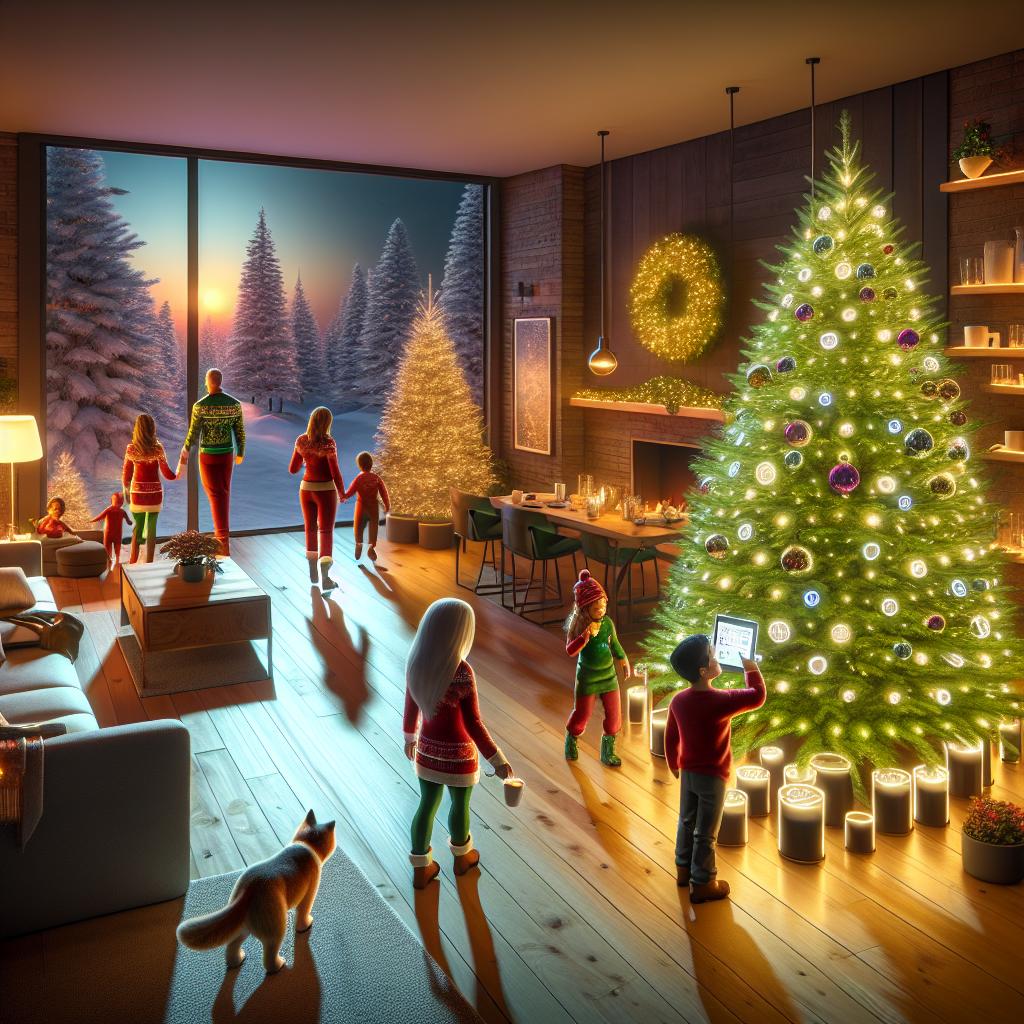
LED-lit artificial trees dominate due to energy efficiency and ease of use, with smart lighting allowing customizable displays. Renting live trees supports eco-conscious decorating, while minimalist Scandinavian styles remain popular. Edible tree concepts using herb plants offer sustainable, decorative alternatives.
Environmental Impact and Disposal
Real trees from sustainable farms have lower carbon footprints and are biodegradable, often composted after use. Artificial trees involve energy-intensive production, use non-renewable materials, and typically end in landfills. Consumer choices should consider tree lifespan, disposal methods, and balance convenience with environmental effects.
The content is provided by Sierra Knightley, Scopewires