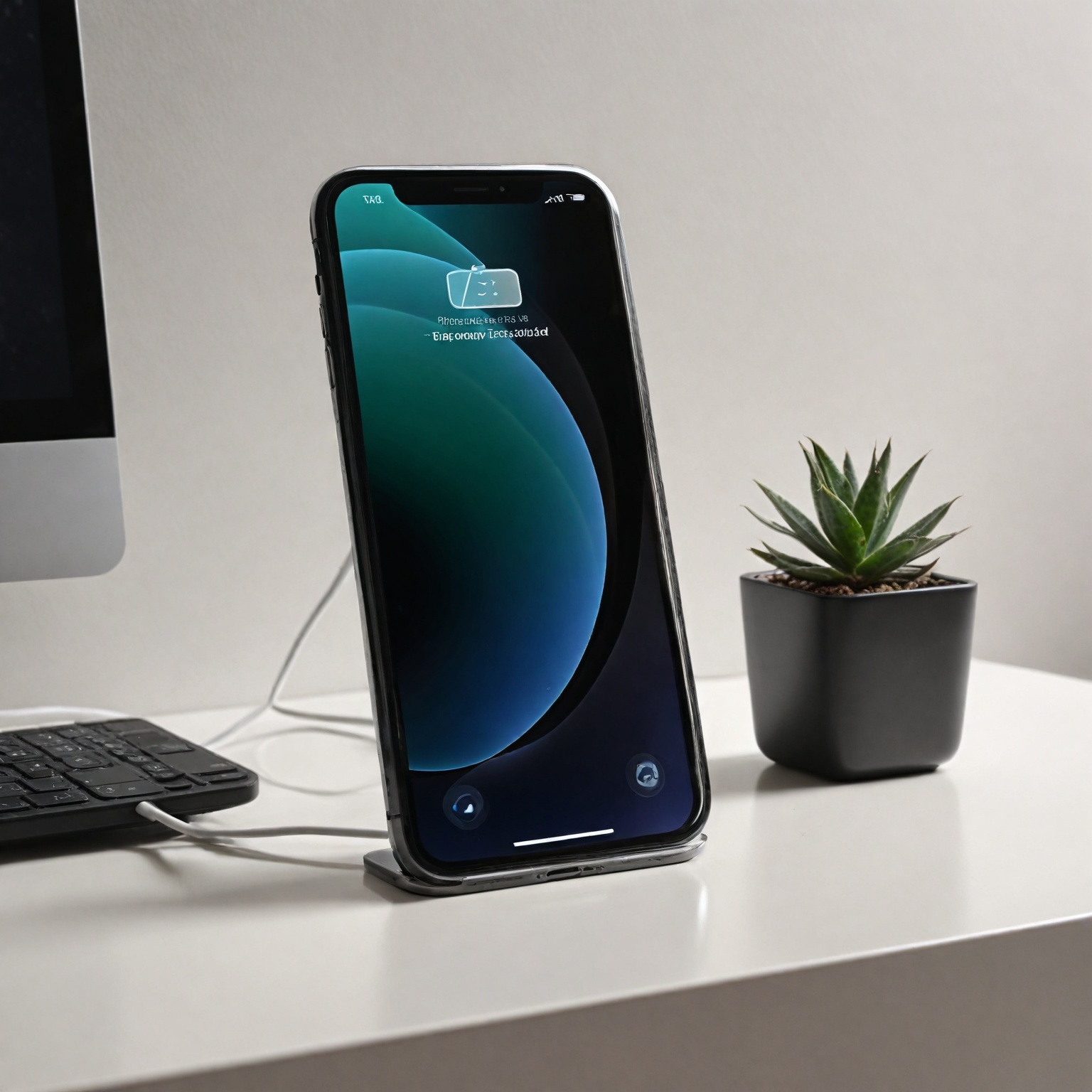
Highlights
- The iPhone 17 features the powerful A19 Pro chip, enhancing performance and gaming experiences.
- Significant design improvements include a durable hybrid build and a stunning 6.3-inch Super Retina display.
- iOS 17 introduces innovative features, boosting user interface and accessibility for an enriched smartphone experience.
Summary
The iPhone 17, announced in September 2024, features the A19 Pro chip, a 6.3-inch Super Retina XDR OLED display with ProMotion, and an upgraded 48MP dual-lens camera system. It introduces a hybrid aluminum-titanium build for Pro models and an aluminum unibody for the base model, enhancing durability and sustainability with Ceramic Shield 2 on front and back. Powered by TSMC’s N3P process, the A19 Pro offers leading CPU performance and advanced AI capabilities. Connectivity is improved with Apple’s N1 wireless chip supporting Wi-Fi 7, Bluetooth 6, and Thread, plus a Snapdragon X80 modem for 5G. Battery life is significantly increased, especially on the Pro Max. Despite acclaim for design and performance, supply chain and environmental concerns persist. Overall, the iPhone 17 advances Apple’s premium smartphone leadership through innovation and sustainability.
Launch and Availability
Announced at a September 2024 event, the iPhone 17 was expected to launch around September 19 following Apple’s usual 10-day sales delay. The event also introduced the A19 Pro chip and iOS 17, which brought privacy enhancements, new app options in the EU, and UI improvements like a customizable Dynamic Island and an 18MP Center Stage front camera.
Design and Build
The iPhone 17 Pro models use a hybrid aluminum-titanium frame combining durability and lightweight manufacturing, improving thermal management and sustainability. The base iPhone 17 features an aluminum frame with a frosted glass back and a larger 6.3-inch display. Ceramic Shield 2 protects both front and back, offering better scratch resistance and reduced glare. The aluminum unibody design acts as a heat sink alongside an internal vapor chamber to optimize cooling.
Hardware Features
Powered by the A19 Pro chip built on TSMC’s N3P node, the iPhone 17 offers up to 15% faster multi-core CPU performance and improved power efficiency. The 6-core CPU and 6-core GPU with integrated Neural Accelerators support hardware-accelerated ray tracing and AAA gaming. The 16-core Neural Engine enhances AI tasks and on-device Siri. The 6.3-inch OLED display supports 120Hz ProMotion. The upgraded dual 48MP camera system improves low-light and macro photography, while the front 18MP camera adds wider field-of-view and landscape capture. Battery life benefits from efficient hardware and software, with fast charging available via a new 40W power adapter.
Software and User Interface
iOS 17 enhances the user experience with a customizable Dynamic Island, Contact Posters for call screens, and Live Voicemail. Accessibility features include Assistive Access, Live Speech, Personal Voice, and Point and Speak, improving usability for users with disabilities. Security and performance improvements reduce app launch times and strengthen privacy. New features allow connection to private 5G or LTE networks and improved password management with group sharing.
Connectivity
The iPhone 17 integrates Apple’s N1 chip supporting Wi-Fi 7, Bluetooth 6, and Thread, alongside Qualcomm’s Snapdragon X80 modem for optimized 5G, including Sub-6 GHz and selective mmWave support. Additional features include dual-frequency GPS, NFC, Ultra Wideband, Emergency SOS via satellite, and options for private cellular networks, ensuring fast and secure wireless connectivity.
Performance and Efficiency
The device’s 6-core CPU is 1.5 times faster than the A15 Bionic, with a 5-core GPU doubling graphics performance. Neural Accelerators and a 16-core Neural Engine enable advanced AI and ray tracing for high-quality gaming. Software optimizations like Adaptive Power Mode extend battery life by managing background activity intelligently. Optimized Battery Charging improves battery longevity. Wireless charging support continues with improved efficiency.
Environmental Impact
Aligned with Apple’s 2030 carbon neutrality goal, the iPhone 17 Pro models use 30% recycled content, including recycled cobalt and gold. Aluminum replaces titanium in some parts to reduce environmental impact and improve manufacturing efficiency. Packaging is redesigned to ship 35% more units per trip, reducing emissions. Apple’s strict material standards and the Trade In program promote sustainability and reduce electronic waste.
Market Reception
The iPhone 17 received positive reviews for iOS 17 features and hardware improvements. Strong demand, especially for the Pro Max and iPhone Air, highlighted Apple’s supply chain importance. The device’s focus on hardware innovation has influenced competitors to accelerate design and camera advancements. Sales began about ten days post-launch, reinforcing Apple’s premium market leadership.
Comparisons with Previous Models
The iPhone 17’s A19 Pro chip offers around 40% better sustained CPU and GPU performance than the iPhone 16’s A18 Pro, supported by improved thermal management via an aluminum unibody chassis. It achieves top single-core CPU scores, emphasizing efficiency. Design changes focus on internal improvements rather than major external alterations. The camera system and the new customizable Action button provide enhanced functionality over previous models.
Notable Issues and Controversies
The iPhone 17 faces supply chain and geopolitical challenges due to trade tensions affecting component availability. Environmental efforts include using recycled materials and more efficient shipping, though debates about the true environmental cost of electronics production continue.
The content is provided by Avery Redwood, Scopewires